The Inclusive Preschool Classroom: Supporting Children with Different Needs
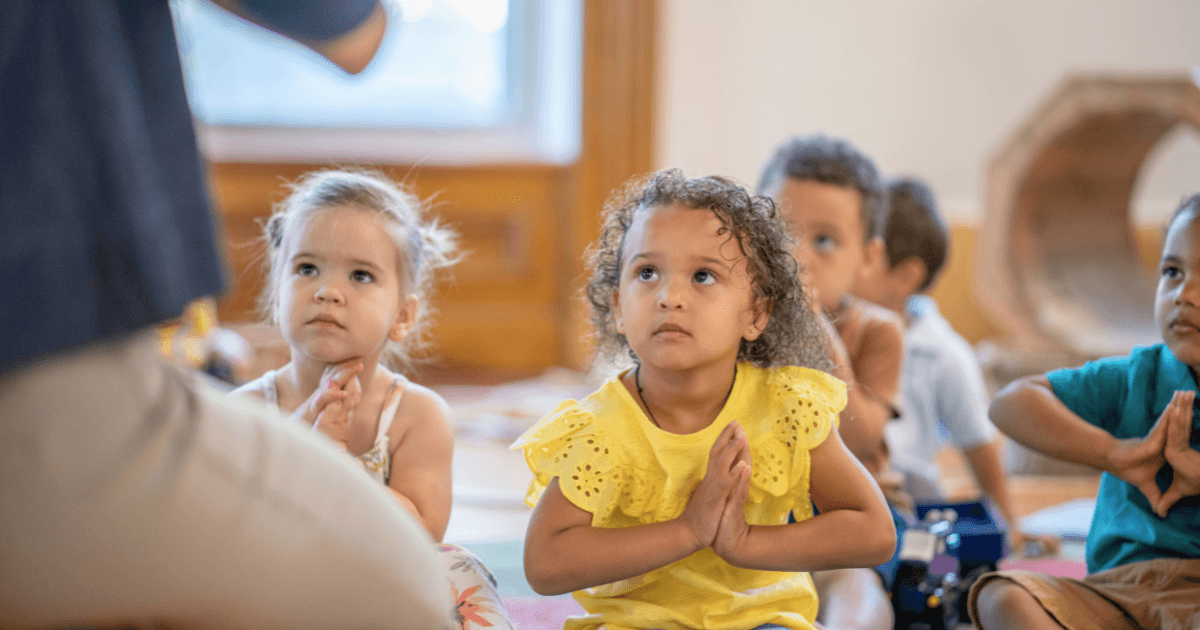
In today’s diverse world, preschool classrooms are increasingly becoming spaces where children of all abilities learn and grow together. An inclusive preschool environment doesn’t just benefit children with special needs—it enriches the learning experience for every child by fostering empathy, celebrating differences, and teaching valuable life skills that extend far beyond the classroom walls.
According to research from Brighton Preschool, typically developing children in inclusive settings meet or exceed developmental milestones compared to peers in traditional programs. Meanwhile, children with diverse needs gain crucial social experiences and targeted support that help them thrive.
This comprehensive guide explores evidence-based strategies for creating truly inclusive preschool environments that support children with different needs while enhancing the learning experience for all.
Understanding Inclusion in Early Childhood Education
True inclusion goes beyond simply placing children with different abilities in the same classroom. It requires thoughtful planning, appropriate adaptations, and a commitment to meeting each child where they are.
What Makes a Classroom Truly Inclusive?
An inclusive preschool classroom is characterized by:
Accessibility: Physical environments and learning materials that all children can access
Participation: Ensuring every child can meaningfully engage in classroom activities
Support: Providing the necessary accommodations and modifications for success
Belonging: Creating a community where every child feels valued and accepted
As noted by researchers in the Journal of Special Education Technology, there’s often a gap between educators’ positive views on inclusion and their actual teaching practices. Bridging this gap requires specific strategies, resources, and ongoing professional development.
The Legal and Ethical Foundation for Inclusion
Both legal requirements and ethical principles support inclusive education:
The Individuals with Disabilities Education Act (IDEA) mandates that children with disabilities be educated in the “least restrictive environment”
The Americans with Disabilities Act (ADA) prohibits discrimination against individuals with disabilities
Research consistently shows that inclusive settings benefit both children with and without disabilities
Ethical principles of equity, respect for diversity, and the right to quality education support inclusion
Creating an Accessible Physical Environment
The physical setup of a preschool classroom can either facilitate or hinder inclusion. Here are key strategies for creating a space that works for everyone:
Classroom Layout and Organization
1. Create clearly defined learning zones
Label areas with both pictures and words
Ensure 3-4 feet of space between furniture for mobility device access
Position learning centers to minimize distractions for children who struggle with focus
Include a variety of seating options (floor cushions, standing tables, traditional chairs)
2. Establish a calming space
Designate a quiet area with soft furnishings and minimal visual stimulation
Include sensory tools like weighted blankets, fidget toys, and noise-canceling headphones
Create visual boundaries using room dividers, shelving, or floor rugs
Keep the space positive and non-punitive—a place to regulate, not a “time-out” area
3. Consider sensory needs in the overall environment
Use natural lighting when possible and avoid fluorescent lights that can cause sensory discomfort
Incorporate sound-absorbing materials like rugs, fabric wall hangings, and acoustic panels
Create visual clarity by using solid-colored backgrounds for important information
Reduce clutter and overwhelming visual stimuli, especially around key learning areas
Add grips to pencils and crayons for children with fine motor challenges
Provide scissors with adaptive handles or spring-action for easier cutting
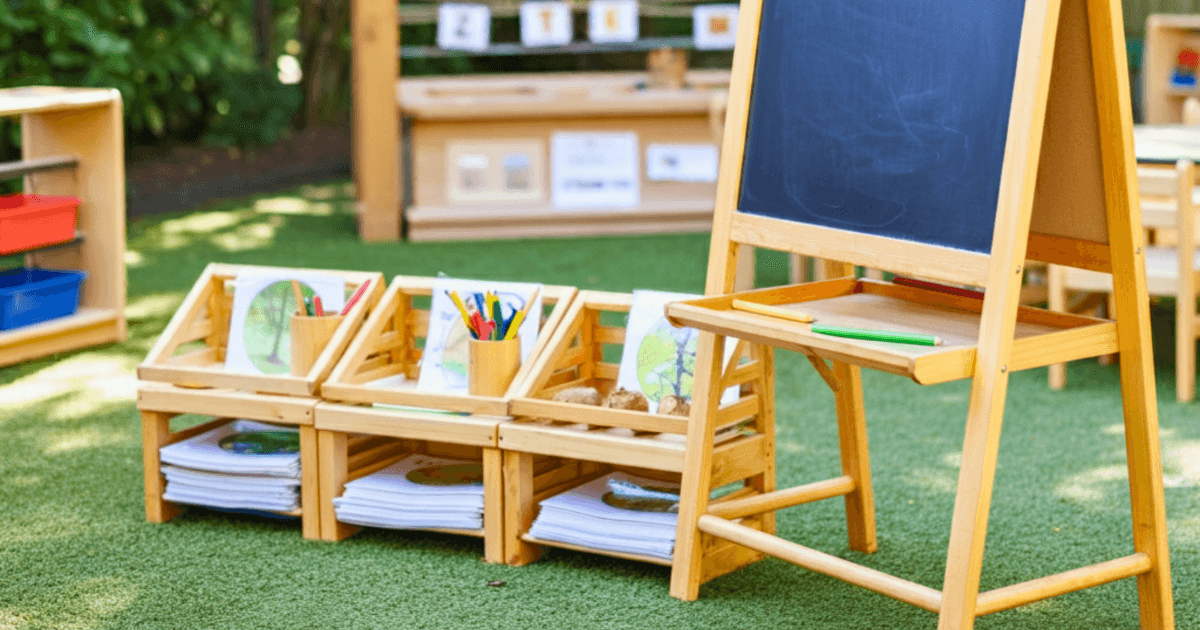
Offer slant boards or easels for children who struggle with table-top activities
Use page fluffers (small pieces of foam on page corners) to make book handling easier
2. Incorporate assistive technology
Simple voice output devices for non-verbal children
Visual timers to support transitions and time management
Tablet apps with accessibility features for learning activities
Adaptive switches that allow children with motor limitations to activate toys and devices
3. Create multi-sensory learning materials
Tactile letters and numbers with different textures
Visual supports paired with auditory information
Hands-on manipulatives for abstract concepts
Scented materials for sensory engagement (being mindful of allergies)
According to Kids Kingdom Richmond, these physical adaptations don’t just support children with identified needs—they create a more engaging, accessible environment for all learners.
Instructional Strategies for Diverse Learners
Effective teaching in an inclusive classroom requires a flexible approach that addresses different learning styles, abilities, and needs.
Universal Design for Learning (UDL)
Universal Design for Learning is a framework that improves and optimizes teaching and learning for all people, grounded in scientific insights into how humans learn. It rests on three primary principles:
1. Multiple means of engagement (the “why” of learning)
Offer choices in activities to increase motivation
Provide options that range in complexity and challenge
Connect learning to children’s interests and experiences
Use both collaborative and independent activities
2. Multiple means of representation (the “what” of learning)
Present information through visual, auditory, and tactile channels
Use concrete objects before introducing abstract concepts
Provide step-by-step visual sequences for multi-step activities
Reinforce concepts through songs, movement, and hands-on experiences
3. Multiple means of action and expression (the “how” of learning)
Allow children to demonstrate learning in different ways (drawing, telling, building, acting out)
Provide options for responding (pointing, speaking, using pictures)
Scaffold tasks from simple to complex
Offer physical guidance when needed for motor activities
Research from KIT.org indicates that these UDL approaches benefit all children by addressing the wide range of learning styles present in any classroom.
Differentiated Instruction Techniques
Differentiation involves tailoring instruction to meet individual needs while working toward common goals.
1. Flexible grouping strategies
Small group activities based on learning needs
Peer partnerships that leverage different strengths
Whole group activities with differentiated roles
Individual learning stations with varied levels of challenge
2. Tiered activities
Same concept, different levels of complexity
Varied support materials for different ability levels
Adjusted expectations while maintaining core learning goals
Extended challenges for advanced learners
3. Scaffolding techniques
Breaking tasks into smaller steps
Providing visual supports for multi-step activities
Modeling skills before expecting independent performance
Gradually reducing support as children gain competence
According to the Illumine App, effective differentiation requires ongoing assessment and flexibility, adjusting approaches based on each child’s progress and response.
Supporting Specific Learning Differences
While inclusive approaches benefit all children, certain adaptations can specifically support common learning differences in the preschool classroom.
Teach specific social skills through modeling and practice
Use social stories to explain social situations and expectations
Facilitate structured play experiences with clear roles
Recognize and honor different forms of social engagement
3. Address sensory needs
Provide sensory breaks throughout the day
Create a sensory toolkit with calming and alerting tools
Modify the environment to reduce sensory overload
Teach self-regulation strategies appropriate for preschoolers
The Incredible Years program notes that these strategies not only support children with autism but can benefit all children by creating clear expectations and supporting emotional regulation.
Supporting Children with Physical Disabilities
1. Ensure physical access
Arrange furniture to create wide pathways
Position materials at accessible heights
Provide adaptive seating and positioning supports
Ensure outdoor play areas include accessible options
Use games that build working memory and inhibitory control
Provide external support while developing internal regulation
Building a Supportive Social Environment
True inclusion extends beyond physical accommodations and teaching strategies to create a classroom community where all children feel valued and connected.
Fostering Peer Relationships and Understanding
1. Teach about similarities and differences
Use diverse books featuring children with different abilities
Discuss how everyone has strengths and challenges
Highlight various ways people communicate, move, and learn
Celebrate the unique contributions of each child
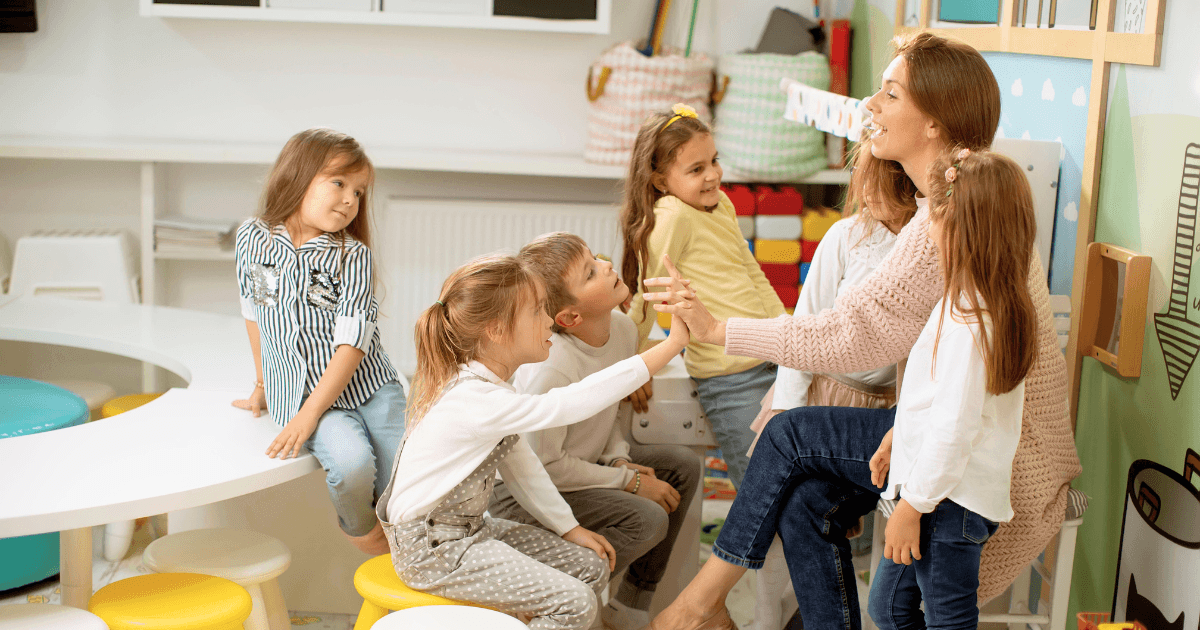
2. Facilitate meaningful interactions
Structure cooperative activities that leverage different strengths
Teach specific friendship skills like sharing, turn-taking, and helping
Create buddy systems that rotate throughout the year
Recognize and reinforce positive peer interactions
3. Address challenging behaviors constructively
Focus on teaching replacement behaviors rather than punishment
Help children understand the function of behavior in peers with different needs
Model respectful language and problem-solving
Create class-wide systems that support positive behavior for all
Collaborating with Families
Families are essential partners in creating truly inclusive environments:
1. Establish ongoing communication systems
Regular updates about classroom activities and how they’re being adapted
Two-way communication about strategies that work at home and school
Celebration of progress and milestones
Respectful discussions about challenges and next steps
2. Involve families in planning and decision-making
Include family input in Individual Education Plans (IEPs) or support plans
Invite family expertise about their child’s strengths and needs
Collaborate on consistent approaches across settings
Respect family priorities and cultural perspectives
3. Connect families with resources and support
Information about child development and specific disabilities
Connections to parent support groups and community resources
Guidance on reinforcing classroom strategies at home
Advocacy information for navigating support systems
Professional Development and Support for Educators
Creating truly inclusive classrooms requires ongoing learning and support for teachers.
Acknowledging steps toward more inclusive practices
Sharing successes with the broader community
Recognizing the efforts of staff, children, and families
Using successes to build momentum for further growth
Conclusion: The Lifelong Impact of Early Inclusion
The benefits of inclusive preschool experiences extend far beyond the early childhood years. Research from the PMC National Library of Medicine indicates that children who experience quality inclusive education show improved academic and social outcomes throughout their educational careers.
For children with disabilities, these early inclusive experiences build a foundation for future learning and social connection. For typically developing children, learning alongside diverse peers develops empathy, problem-solving skills, and comfort with human differences that will serve them throughout life.
Creating truly inclusive preschool classrooms requires intention, resources, and ongoing commitment. However, the return on this investment is immeasurable—not just for individual children and families, but for building a more inclusive society where everyone’s contributions are valued.
As early childhood educators, we have the privilege and responsibility of laying this foundation. By implementing the strategies in this guide and continuing to learn and grow in our inclusive practices, we can create classrooms where every child belongs, participates, and thrives.