Inclusive Preschool: Creating Environments Where Every Child Thrives
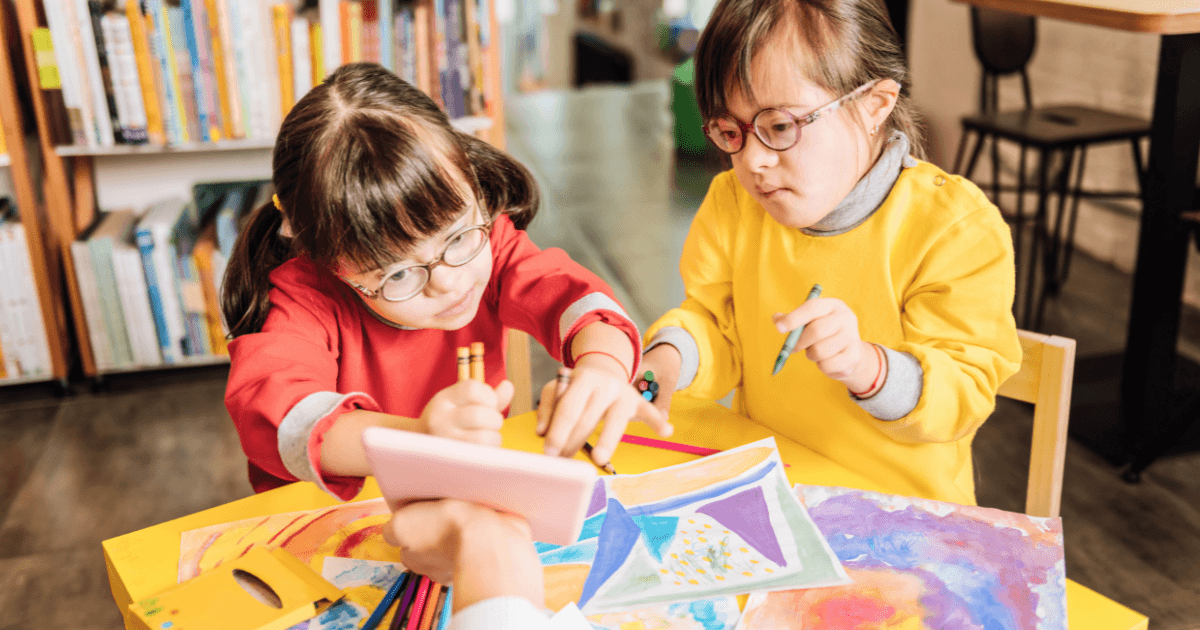
When Elijah first joined our preschool classroom, he used a wheelchair and communicated differently from his peers. I watched as the other children initially approached him with curiosity, then quickly moved beyond their questions to include him in their play. Within weeks, they had adapted their games so Elijah could participate fully, and they’d learned to understand his unique communication style better than many adults.
This wasn’t magic—it was the power of an inclusive preschool environment in action.
The concept of inclusive education has evolved significantly over the past decade. No longer considered a specialized approach for accommodating children with disabilities, inclusion is now recognized as a fundamental framework that benefits all children by celebrating diversity in all its forms—ability, culture, language, family structure, and learning style.
What Does True Inclusion Look Like in Preschool?
Inclusion goes far beyond simply placing diverse children in the same classroom. According to UNICEF, inclusive education allows children from diverse backgrounds, including those with disabilities and speakers of minority languages, to learn together in an environment where everyone belongs and has equal opportunities to succeed.
A truly inclusive preschool environment:
Welcomes all children regardless of ability, background, or learning style
Adapts the environment and curriculum to meet diverse needs rather than expecting children to adapt
Values each child’s unique contributions to the classroom community
Promotes meaningful participation for every child in all activities
Fosters a sense of belonging where differences are celebrated, not merely tolerated
As one preschool director put it: “Inclusion isn’t something we do—it’s who we are.”
The Research-Backed Benefits of Inclusive Preschools
The case for inclusive preschool environments is supported by a substantial body of research showing benefits for all children:
Benefits for Children with Disabilities or Special Needs
According to KIT (Kids Included Together), nearly 50 research projects indicate that children with disabilities in inclusive educational environments show:
Increased social engagement and broader circles of friends
Greater progress in language, cognitive, and motor development
Stronger self-confidence and sense of belonging
Better preparation for inclusion in later educational settings and community life
Benefits for Typically Developing Children
Research from Brighton Preschool shows that typically developing students in high-quality integrated settings:
Meet or exceed developmental milestones compared to peers in traditional programs
Develop enhanced problem-solving and creativity through exposure to diverse learning styles
Build advanced communication skills through daily practice with different communication methods
Cultivate deeper empathy, understanding, and comfort with human differences
Develop leadership and mentoring abilities through collaborative relationships
Children learn to value diversity as normal and positive
Problem-solving and creative thinking flourish through diverse perspectives
Authentic friendships form across differences
Children develop essential life skills such as adaptability, resilience, and respect
As Childcare Ed notes, early exposure to diversity prepares children for real-world interactions with people from different backgrounds and abilities—a critical skill in our increasingly diverse society.
Creating Physical Spaces That Support Inclusion
The physical environment plays a crucial role in supporting inclusion. Well-designed inclusive preschool spaces:
Ensure Accessibility for All
Wide pathways accommodate mobility devices
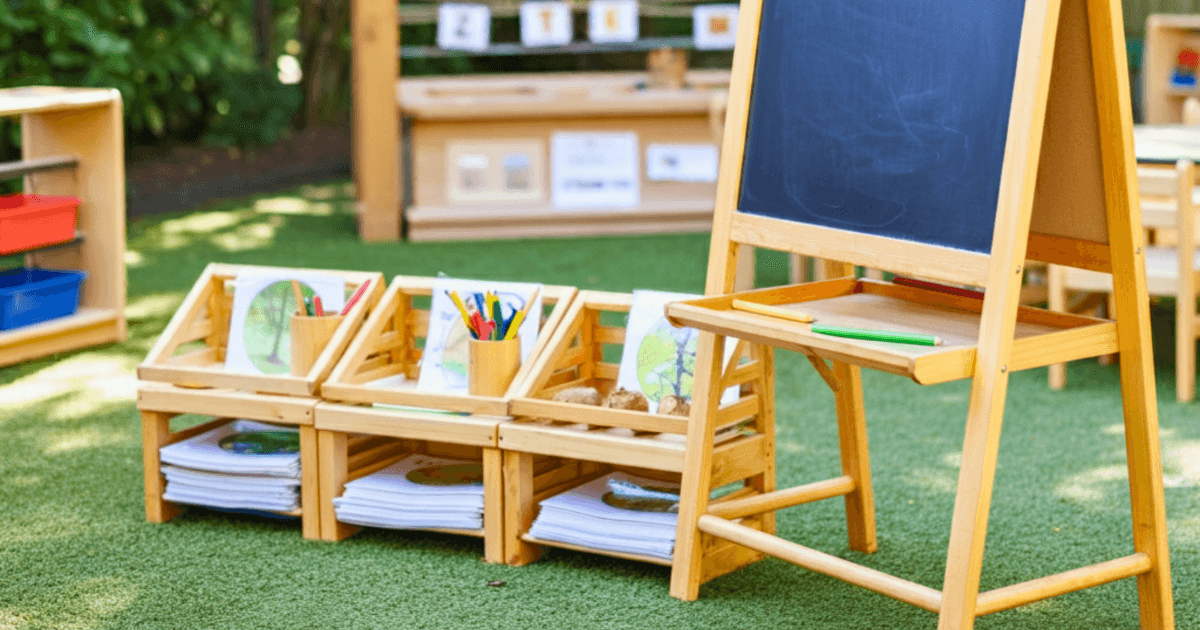
Learning materials are placed at heights accessible to all children
Furniture arrangement allows for easy navigation and participation
Sensory-friendly spaces provide options for children who need less stimulation
Incorporate Flexible Learning Zones
According to Brightwheel, classroom design should include:
Areas for collaborative group work
Designate quiet zones for individual work or sensory breaks
Books, toys, and images represent diverse abilities, cultures, family structures, and backgrounds
Materials are available in multiple languages relevant to the classroom community
Displays showcase all children’s work and contributions
Cultural artifacts and materials reflect the heritage of children in the classroom
As Athena Careers suggests, creating cozy spaces for reading, play, and exploration helps all children feel comfortable and engaged in the learning environment.
Instructional Strategies That Support All Learners
Effective inclusive preschools implement teaching approaches that address diverse learning needs:
Universal Design for Learning (UDL)
UDL is a framework that provides multiple means of:
Engagement – different ways to motivate learners
Representation – presenting information in various formats
Action and Expression – allowing children to demonstrate learning in different ways
For example, a lesson about seasons might include:
Picture labels identify materials and learning centers
Visual cues support behavior expectations
Picture communication systems facilitate expression for children with limited verbal skills
Assistive Technology
Modern assistive technology ranges from simple to sophisticated:
Pencil grips and adapted scissors for fine motor challenges
Communication devices for non-verbal children
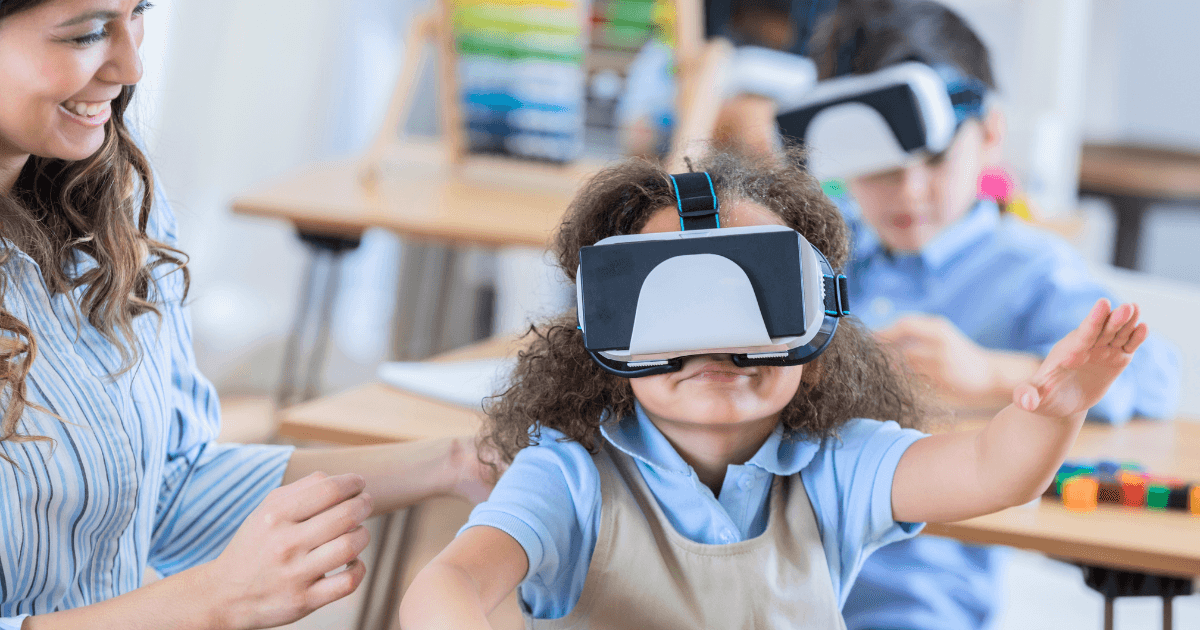
Tablets with specialized apps for learning and communication
Sensory tools like fidgets, weighted vests, or noise-canceling headphones
Building a Culture of Belonging and Acceptance
The social-emotional environment is as important as physical and instructional accommodations:
Modeling Inclusive Language and Behavior
As Edutopia notes, teachers should normalize the use of supports in the classroom, making them as routine as using calculators or headphones. This includes:
Using person-first language (e.g., “child with autism” rather than “autistic child”)
Avoiding gendered language (e.g., saying “friends” instead of “boys and girls”)
Highlighting children’s strengths rather than deficits
Demonstrating respect for all forms of communication and expression
Edutopia emphasizes establishing clear protocols and regular conversations between general education and special education teachers to ensure student accommodations are integrated into lessons. Effective teams:
Meet regularly to plan and problem-solve
Share responsibility for all children
Communicate consistently about children’s progress
Leverage each team member’s expertise
Reflective Practice
Inclusive educators continuously reflect on:
Biases that might influence their interactions with children
The effectiveness of current practices for all learners
Barriers to full participation for any child
Opportunities to increase inclusivity
Overcoming Challenges to Inclusion
Creating inclusive environments isn’t without challenges:
Limited Resources
Many programs face constraints in:
Staffing ratios
Physical space
Specialized materials
Professional development opportunities
Solutions: Start with low-cost adaptations, seek community partnerships, apply for inclusion grants, and implement changes incrementally.
Balancing Diverse Needs
Educators may struggle to:
Meet the needs of children with significant disabilities while supporting all learners
Manage challenging behaviors that impact the group
Provide appropriate challenges for advanced learners
Solutions: Implement tiered support systems, collaborate with specialists, use peer support strategies, and focus on flexible grouping.
Addressing Biases and Misconceptions
Some stakeholders may have concerns about:
The impact of inclusion on typically developing children
The appropriateness of discussing certain kinds of diversity with young children
Whether children with significant needs are better served in specialized settings
Solutions: Share research on the benefits of inclusion, provide concrete examples of successful inclusion efforts, and focus on the shared values of belonging and respect.
Looking to the Future: Trends in Inclusive Early Education
The field of inclusive early education continues to evolve:
Expanded Definition of Inclusion
Inclusion increasingly encompasses:
Neurodiversity (recognizing and valuing different ways of thinking and learning)
Gender diversity and non-traditional family structures
Create a family resource center with information about development and inclusion
Review policies and procedures for potential barriers to inclusion
For Families:
Talk with children about differences in positive, matter-of-fact ways
Choose diverse books and media that represent various abilities and backgrounds
Model inclusive language and behavior
Arrange playdates with diverse peers
Advocate for inclusive practices in your child’s program
The Heart of Inclusion: Beyond Strategies to Values
While strategies and accommodations are essential, true inclusion stems from deeply held values:
The belief that diversity strengthens communities
The recognition that all children have gifts to share
The commitment to removing barriers to participation
The understanding that inclusion benefits everyone
As one preschool teacher beautifully expressed: “In our classroom, we don’t help children with disabilities participate. We create a community where everyone belongs, everyone contributes, and everyone grows. The magic isn’t in our adaptations—it’s in the relationships that form when every child is valued.”
What steps have you taken to create more inclusive environments for young children? Share your experiences and questions in the comments below!