Preschool Assessment: Developmental Screening vs. Academic
Few phrases trigger more anxiety for parents of preschoolers. Immediately, questions flood your mind: Is something wrong with my child...
Learn how to use observation, assessment tools, portfolios, and progress monitoring to understand child development and guide meaningful instruction in early childhood settings.

Few phrases trigger more anxiety for parents of preschoolers. Immediately, questions flood your mind: Is something wrong with my child...

Observation Techniques: Seeing Beyond Behavior to Understand Development A four-year-old repeatedly dumps out bins of materials during center time. A toddler bursts into tears when another child approaches. A kindergartner refuses to participate in group activities, preferring to observe from…

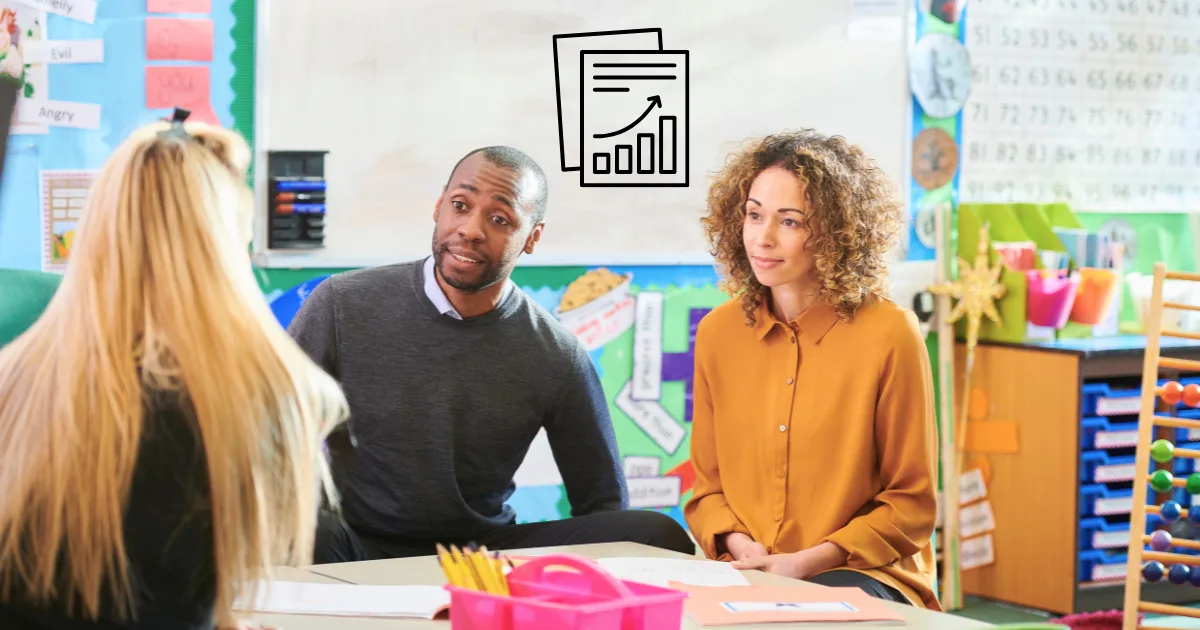
Communicating Progress: Reports That Tell the Whole Story “Meets expectations.” “Developing appropriately.” “Needs improvement.” Traditional progress reports often reduce the rich, complex journey of a child’s development to a series of checkmarks, generic phrases, and standardized assessments. While these reports…

Digital Assessment Tools: Apps and Platforms for Early Childhood In today’s early childhood classrooms, educators are increasingly turning to digital tools to streamline assessment, enhance documentation, and strengthen communication with families. These technological solutions offer powerful ways to capture children’s…

Authentic Assessment in Action: Examples from Real Classrooms In a kindergarten classroom in Portland, children work in small groups to design and build bird feeders. As they collaborate, their teacher moves among them, iPad in hand, capturing photos and jotting…

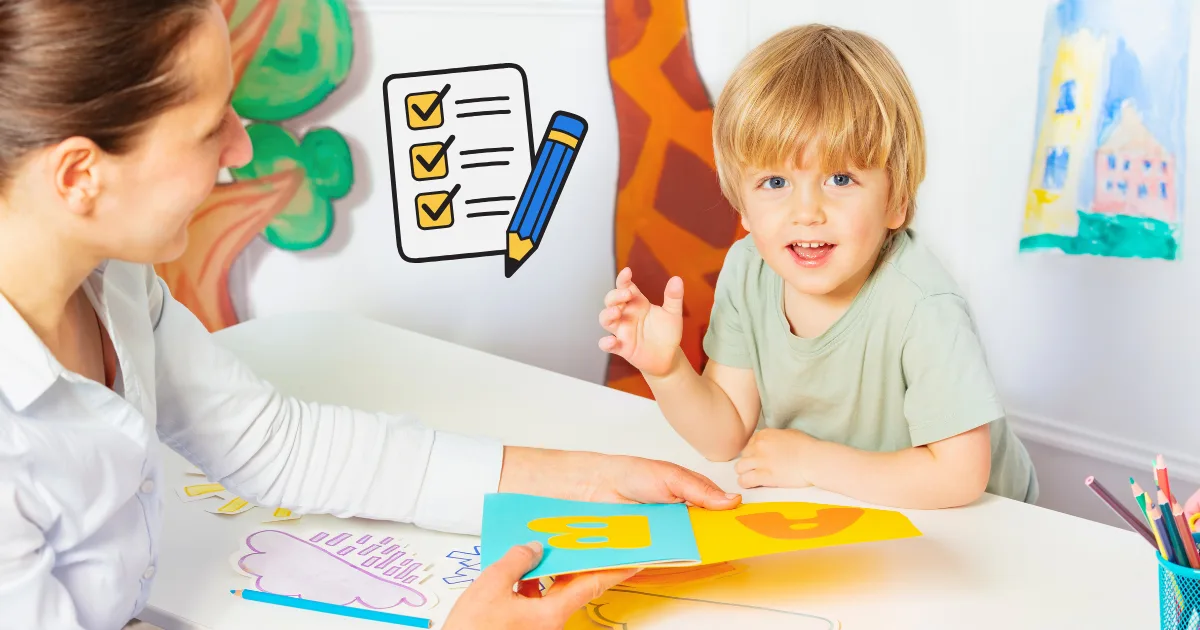
Developmental Checklists: Using Them Without Reducing Children to Numbers In the quest to understand and support children’s development, checklists have become ubiquitous tools in early childhood settings. These structured inventories of skills and milestones offer a systematic way to track…

Anecdotal Records: Efficient Systems for Busy Teachers “I know I should be taking more notes about what I see in the classroom, but when am I supposed to find the time?” If this thought has crossed your mind, you’re not…

Child Portfolios: What to Include and How to Organize In early childhood education, meaningful assessment requires more than checklists and standardized tests. Child portfolios—thoughtfully curated collections of work samples, observations, and documentation—provide a rich, authentic picture of each child’s unique…

Documentation Panels That Communicate Learning to Families In the bustling moments of drop-off and pick-up, parents typically spend an average of just 90 seconds in early childhood settings. In this fleeting window, how can educators effectively communicate the rich, complex…

Learning Stories: Capturing Development Through Narrative Assessment In a world increasingly focused on standardized assessments and quantifiable outcomes, learning stories offer a refreshingly human approach to documenting children’s growth and development. These narrative assessments capture the rich, complex nature of…

Photo Documentation: Using Images to Track Progress A child carefully balances blocks, her face a portrait of concentration. A group of preschoolers examines a collection of autumn leaves, pointing and discussing their discoveries. A toddler beams with pride after successfully…