Sensory Bins for Every Season: Ideas and Materials List
Sensory bins are a cornerstone of early childhood exploration, offering children rich opportunities to engage their senses while developing crucial skills. By rotating seasonal themes throughout the year, you can keep sensory play fresh and exciting while connecting children to the natural rhythms and celebrations that mark our calendar.
This comprehensive guide will walk you through creating engaging sensory bins for each season, with detailed materials lists, setup tips, and learning connections to maximize the developmental benefits of sensory play.
What Are Sensory Bins and Why Are They Important?
Before diving into seasonal ideas, let’s understand why sensory bins are so valuable for young children’s development.
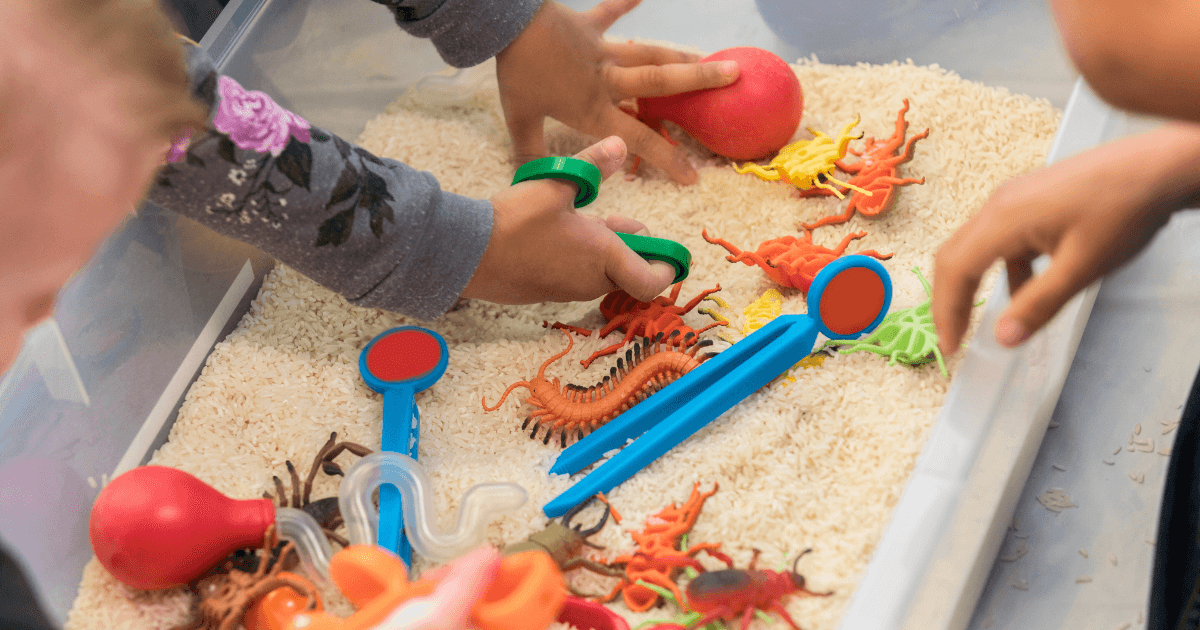
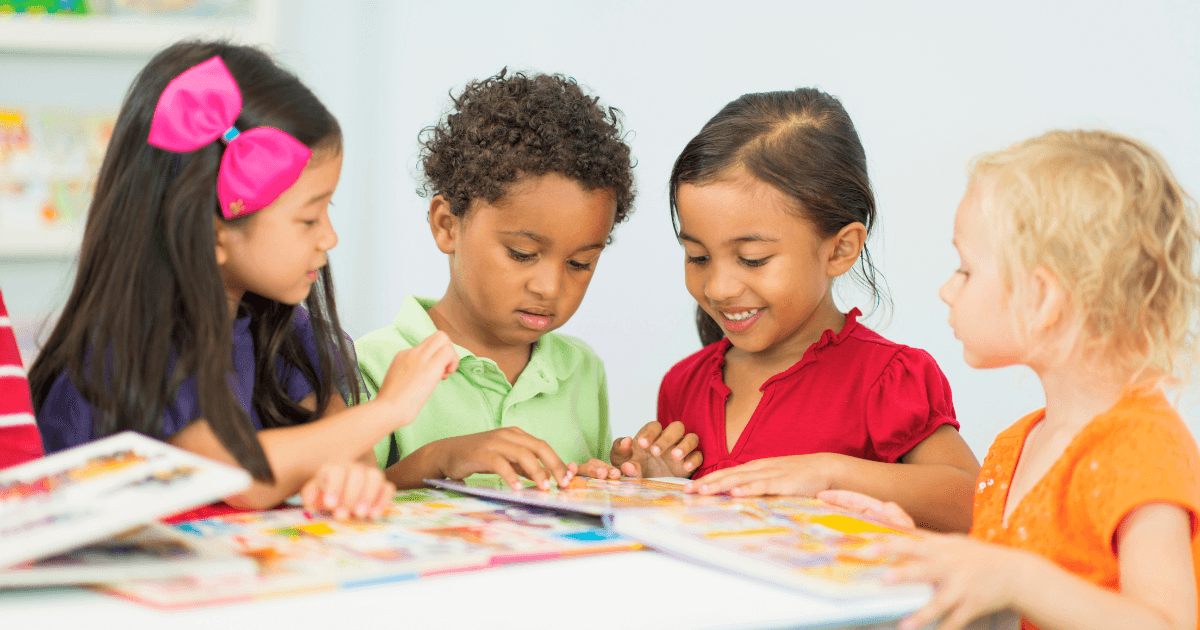
Sensory bins are containers filled with materials that stimulate one or more of the senses—touch, sight, sound, smell, and sometimes taste. According to Sensory N Stuff, these hands-on play stations offer numerous benefits:
Sensory processing development: Children learn to integrate and respond to sensory information
Fine motor skills: Scooping, pouring, and manipulating small objects strengthen the hand muscles needed for writing
Language development: New vocabulary emerges naturally as children describe textures, actions, and discoveries
Cognitive skills: Sorting, categorizing, and problem-solving happen organically during play
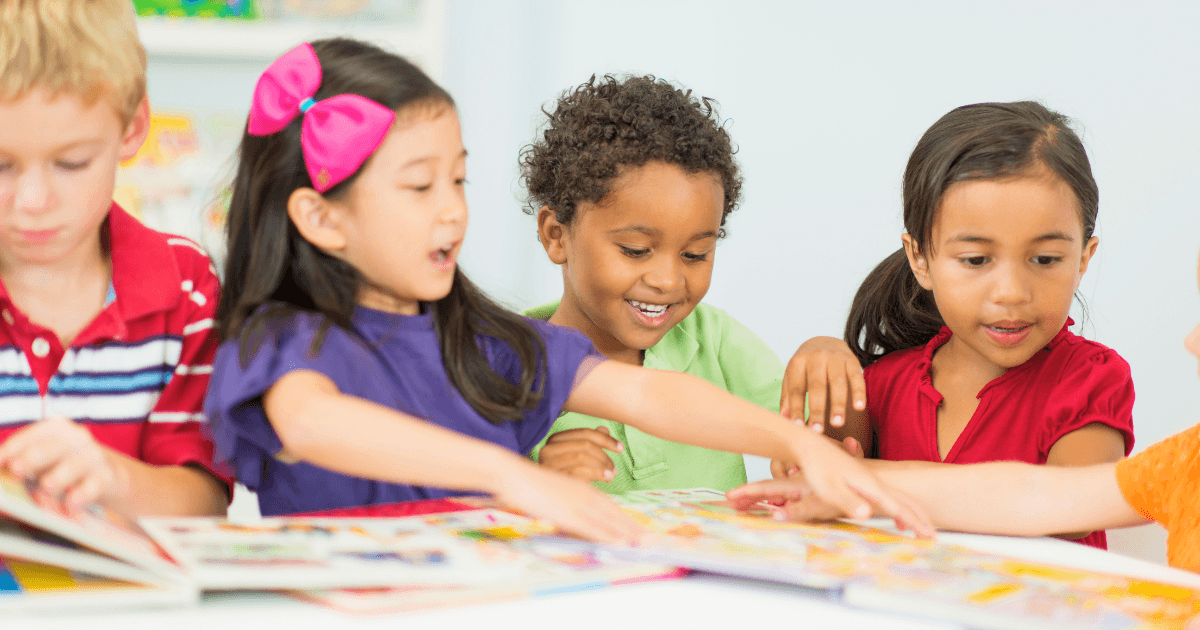
Social skills: When shared, sensory bins promote turn-taking, cooperation, and communication
Emotional regulation: Many children find sensory play calming and grounding
The beauty of sensory bins is their versatility—they can be adapted for different ages, abilities, interests, and learning goals while maintaining their intrinsic appeal to children.
Essential Supplies for Any Sensory Bin
While specific materials will vary by theme, these basic supplies will help you create successful sensory experiences year-round:
Containers
Plastic storage bins (6-quart size works well for individual play; larger bins for group play)
Under-bed storage containers (shallow but wide for easier access)
Water tables or sand tables (for outdoor or messy play)
Plastic kiddie pools (for larger group sensory experiences)
Tools and Accessories
Measuring cups and spoons
Scoops, shovels, and tongs
Funnels and sieves
Tweezers and droppers (for fine motor development)
Small containers for sorting
Magnifying glasses
Kitchen utensils (whisks, spatulas, etc.)
Common Base Materials
Rice (can be colored with food coloring or liquid watercolors)
Dried beans and lentils
Pasta (various shapes and sizes)
Sand (play sand or kinetic sand)
Water beads
Shredded paper
Pom-poms
Cotton balls
Now, let’s explore specific sensory bin ideas for each season!
Winter Sensory Bins
Winter offers unique sensory opportunities centered around cold, snow, and cozy indoor activities.
Use natural materials from outdoors (leaves, pinecones, stones)
Eco-Friendly Choices
Choose biodegradable base materials
Opt for wooden or metal tools instead of plastic
Use natural food coloring or plant-based dyes
Select durable items that can be reused across themes
DIY Sensory Materials
Make your own playdough with flour, salt, and water
Create cloud dough from flour and oil
Dye rice and pasta using vinegar and food coloring
Make scented materials using extracts and spices
Keeping Sensory Materials Fresh and Clean
Maintain your sensory materials for repeated use with these tips:
Store dry materials in airtight containers
Add a few drops of essential oil to refresh scents
Include silica packets in storage to prevent moisture
Periodically bake dry materials at a low temperature to sanitize
Wash plastic items in a mild soap solution regularly
Replace organic materials (like real leaves or flowers) when they show signs of decay
Conclusion: Embracing Seasonal Sensory Play
Seasonal sensory bins offer a perfect blend of open-ended exploration and thematic learning. By rotating materials throughout the year, you provide children with fresh sensory experiences that connect them to the changing world around them.
Remember that the most valuable sensory experiences come from following children’s interests and observations. While these ideas provide a starting point, the real magic happens when you observe what captivates the children in your care and expand on those fascinations.
Which seasonal sensory bin will you try first? Share your experiences and ideas in the comments below!