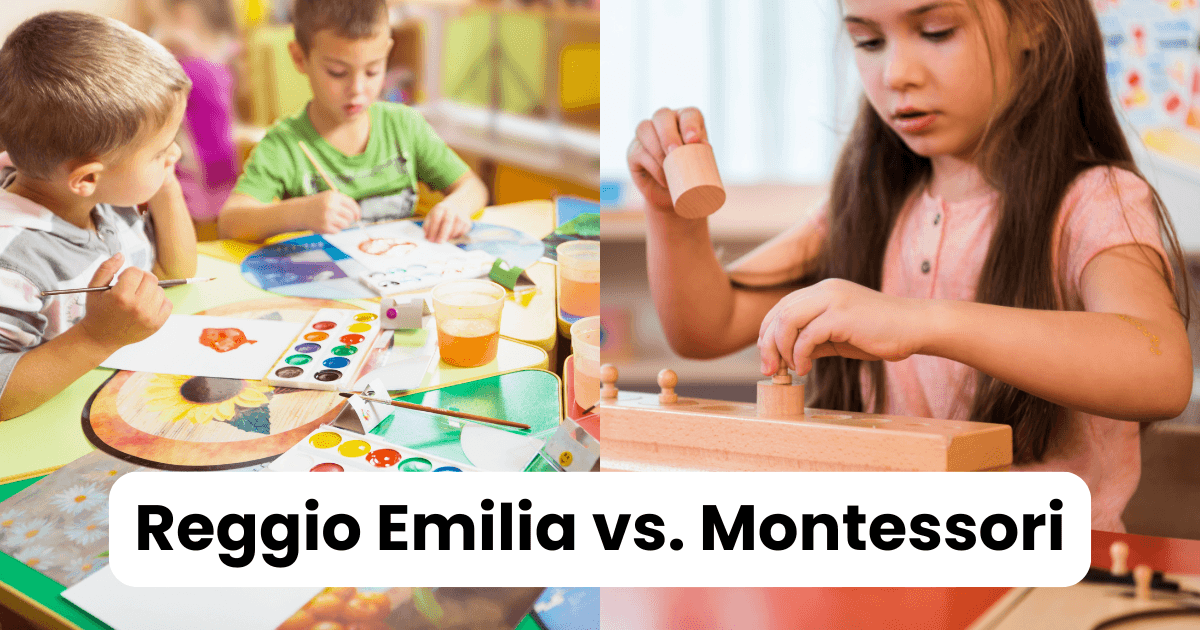
The Montessori Method Explained: Core Principles for Parents
In a world of ever-changing educational trends and parenting philosophies, the Montessori method has stood the test of time. Developed by Dr. Maria Montessori over a century ago, this child-centered approach to education continues to thrive in more than 22,000 schools across 100 countries. But what exactly is the Montessori method, and how can its principles benefit your child both in school and at home?
This guide will walk you through the core principles of the Montessori approach, explain how they’re applied in different age groups, and offer practical ways to incorporate these ideas into your home environment.
What Is the Montessori Method?
The Montessori method is an educational approach based on scientific observations of children from birth to adulthood. Dr. Maria Montessori, Italy’s first female physician, developed this method in the early 1900s while working with children in Rome’s poorest neighborhoods.
What she observed was revolutionary: children have an innate desire to learn and, when given the right environment and freedom to choose their activities, can teach themselves. This discovery led to an educational philosophy that respects the child as an individual learner and focuses on developing the whole child—physically, socially, emotionally, and cognitively.
According to Parents.com, “Montessori education emphasizes the development of the ‘whole child,’ including physical, social, emotional, and cognitive aspects.”
The 8 Core Principles of Montessori Education
While different Montessori organizations may emphasize various aspects of the method, most agree on these fundamental principles:
1. Respect for the Child
At the heart of the Montessori method is deep respect for children as individuals with unique needs, interests, and learning styles. Children are treated with dignity and encouraged to express themselves, make choices, and develop independence.
As KV Montessori Academy explains, “Children are seen as capable individuals deserving of respect, which involves listening to their needs and allowing choices.”
How this looks in practice:
Adults speak to children at eye level
Children’s opinions and preferences are acknowledged
Children are given time to complete tasks without unnecessary interruption
Mistakes are viewed as learning opportunities, not failures
2. The Absorbent Mind
Dr. Montessori observed that young children have an extraordinary ability to absorb information from their environment, like “sponges.” This concept, known as “the absorbent mind,” recognizes that the first six years of life are a critical period for learning.
How this looks in practice:
Rich, stimulating environments are provided
Children are exposed to complex vocabulary and concepts
Learning materials are available for exploration
Adults model behaviors they wish children to adopt
3. Sensitive Periods
Children go through specific periods when they are particularly receptive to developing certain skills or knowledge. These “sensitive periods” represent windows of opportunity when learning particular concepts comes naturally.
According to Kids USA Montessori, “Sensitive Periods refer to times when children are particularly receptive to learning specific skills.”
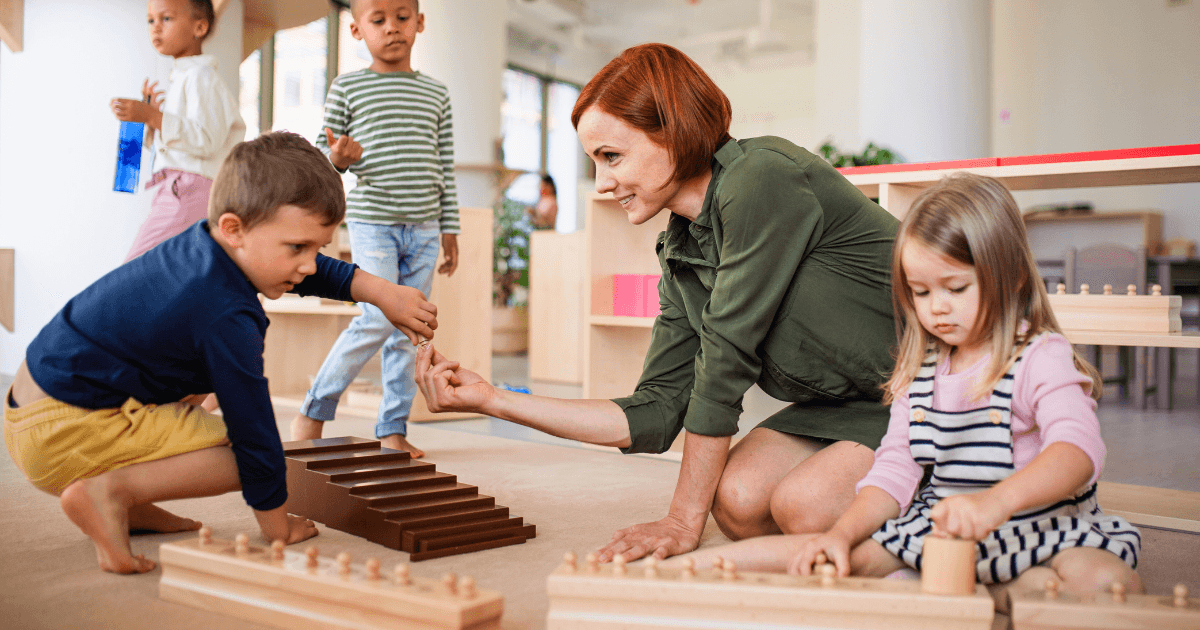
A carefully designed environment is essential to the Montessori approach. Classrooms and home spaces are thoughtfully arranged to promote independence, order, and engagement.
Key elements of a prepared environment:
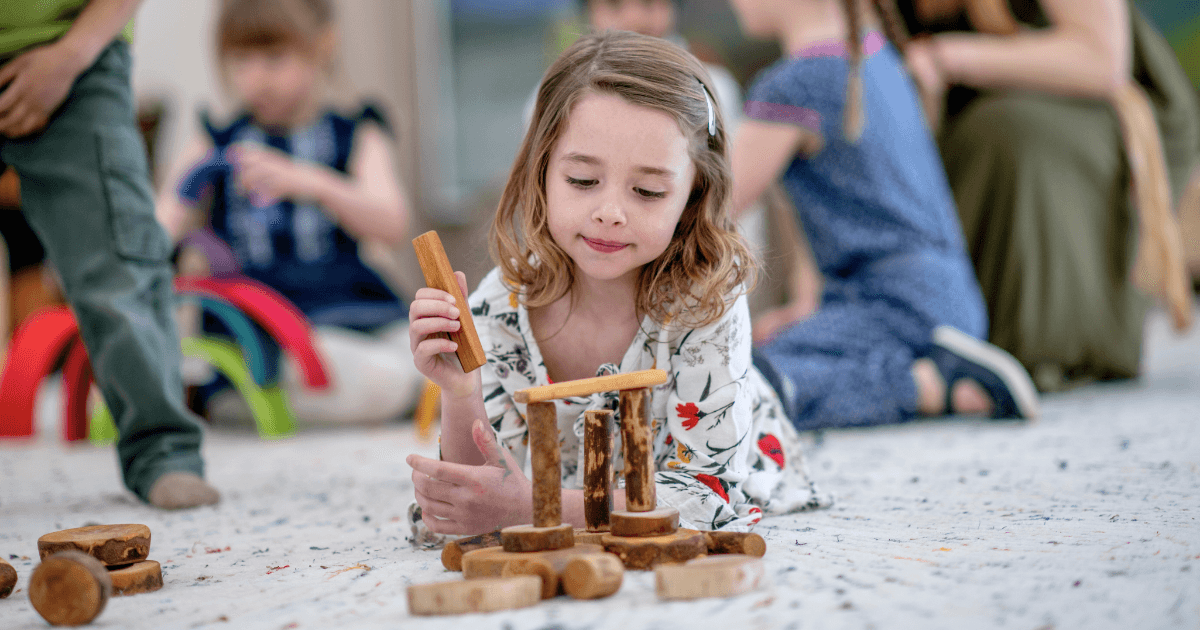
Child-sized furniture and tools
Materials are organized on low, accessible shelves
Beauty and order in the arrangement of spaces
Freedom to move and choose activities
Limited number of materials to prevent overwhelm
5. Auto-Education (Self-Education)
Montessori believed in children’s natural desire and ability to teach themselves. The method provides materials and activities designed for self-correction, allowing children to recognize and fix their own mistakes.
How this looks in practice:
Materials have a built-in “control of error”
Children can assess their own work
Learning is hands-on and discovery-based
Teachers guide rather than instruct
6. Freedom Within Limits
While Montessori education emphasizes freedom of choice and movement, this freedom exists within appropriate boundaries. Children learn to make responsible choices that respect themselves, others, and their environment.
Montessori Maria notes that “In a Montessori household, children may choose their own clothes and pour their own cereal, promoting self-reliance and problem-solving skills.”
How this looks in practice:
Children choose activities from options appropriate to their development
Clear rules exist for respecting materials and others
Freedom to move around the classroom or home
Natural consequences for choices rather than punishment
7. Independence
Fostering independence is a cornerstone of the Montessori approach. Children are encouraged to do things for themselves, developing confidence and competence.
How this looks in practice:
“Help me to do it myself” is a guiding principle
Practical life activities teach self-care and contribution
Children serve their own food and clean up after themselves
Age-appropriate responsibilities are encouraged
8. Observation
Careful observation of each child guides the Montessori approach. Teachers and parents watch to understand children’s interests, needs, and developmental progress.
How this looks in practice:
Adults observe before intervening
Activities are adjusted based on the child’s response
Individual learning plans follow the child’s pace
The environment is modified to meet observed needs
According to the Montessori Method, “Black and white picture books are recommended for infants to enhance concentration skills and attention span.”
Key activities:
Freedom of movement in safe spaces
Tummy time with interesting objects
Talking to babies using rich vocabulary
Singing and reading
Introducing simple musical instruments
Toddlers (18 months to 3 years)
Toddlers are developing independence, language, and coordination. Their environment should support these emerging skills.
Recommended materials:
Practical life tools (child-sized broom, dustpan)
Simple wooden puzzles
Stacking cups
Shape sorters
Pull and push toys
Threading beads
Pouring activities
Geneva Montessori recommends “stacking cups, simple threading beads, and low peg boards to strengthen hand-eye coordination” for children 18-24 months.
Key activities:
Self-care routines (handwashing, dressing)
Food preparation (spreading, pouring)
Sorting and matching games
Vocabulary building with real objects
Outdoor exploration
Early Childhood (3 to 6 years)
This is the classic Montessori preschool age, when children work with a wide range of materials in five curriculum areas.
Recommended materials:
Sandpaper letters
Number rods and counters
Geometric solids
Botany and zoology cards
Geography puzzles
Practical life materials (pouring, transferring)
Sensorial materials (pink tower, color tablets)
English Montessori School notes that “Montessori activities for primary school children (3-6 years) promote self-discipline, teamwork, and active discovery.”
Key activities:
Letter sounds and early reading
Counting and mathematical operations
Scientific classification
Cultural studies
Art and music exploration
Practical skills (sewing, cooking)
Elementary (6 to 12 years)
Elementary Montessori expands into more abstract concepts while maintaining hands-on learning approaches.
Recommended materials:
Grammar symbols and boxes
Fraction materials
Timeline of life
Science experiment kits
Research materials
Advanced cultural studies
Key activities:
Research projects
Collaborative learning
Community service
Field trips
Creative writing
Advanced mathematical concepts
Implementing Montessori Principles at Home
You don’t need to transform your entire home into a Montessori classroom to benefit from these principles. Here are practical ways to incorporate Montessori ideas into family life:
Create Child-Accessible Spaces
Install low hooks for coats and bags
Use child-height shelves for toys and books
Place step stools in bathrooms and kitchens
Create a designated workspace for art and activities
Organize toys in baskets or trays for easy selection and cleanup
Foster Independence
Allow extra time for children to dress themselves
Teach self-serving at meals with appropriate tools
Involve children in household tasks (laundry sorting, table setting)
Select toys made from natural materials when possible
Rotate toys rather than having everything available at once
Look for self-correcting puzzles and activities
Avoid battery-operated toys that do the “thinking” for the child
Conclusion
The Montessori method offers a respectful, developmentally appropriate approach to education that nurtures children’s natural love of learning. By understanding and applying its core principles—respect for the child, the prepared environment, freedom within limits, and others—parents can support their children’s growth at home and in school settings.
Whether you’re considering a Montessori school or want to incorporate these principles into your parenting approach, the focus on independence, respect, and hands-on learning provides a solid foundation for raising confident, capable, and compassionate children.
What aspects of the Montessori method have you found most helpful in your parenting journey? Share your experiences in the comments below!
Common Questions About Montessori
Is Montessori Only for Certain Types of Children?
While some children may naturally thrive in a Montessori environment, the method is designed to be adaptable to different learning styles and needs. As Parents.com notes, “Some children may require more structure than what a Montessori classroom offers,” but many Montessori principles can be beneficial for all children.
How Do I Know if a School Is Truly Montessori?
The term “Montessori” isn’t trademarked so any school can use the name. Look for these indicators of an authentic program:
Properly trained Montessori teachers
Mixed-age classrooms (typically spanning 3 years)
Uninterrupted work periods (2-3 hours)
Full set of Montessori materials
Child-directed work choices
Limited or no traditional homework, grades, or tests
Is Montessori Anti-Technology?
Montessori education isn’t against technology but emphasizes hands-on, concrete experiences, especially for younger children. Many Montessori schools integrate technology thoughtfully for older students, using it as a tool for research and creation rather than passive entertainment.
How Does Montessori Handle Discipline?
Rather than relying on punishment and reward systems, Montessori focuses on natural and logical consequences, clear boundaries, and the development of internal motivation. Children learn to make responsible choices and develop self-discipline through freedom within limits.