Keep Moving, Keep Learning: Creative Indoor Movement Activities for Rainy Days
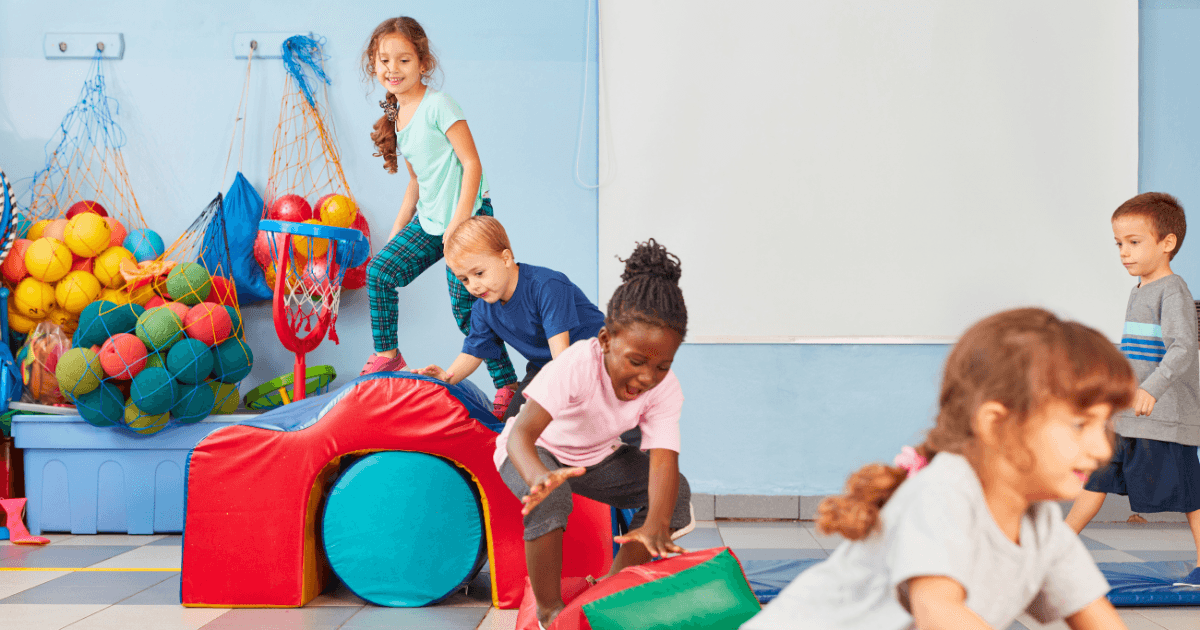
The rain pounds against the classroom windows, and you can almost feel the children’s energy building like static electricity. We’ve all been there—that moment when outdoor play isn’t an option, yet young bodies desperately need movement. As the saying goes in early childhood education, “When children can’t run outside, they’ll run inside—whether you plan for it or not!”
Rather than fighting this natural need for movement, let’s embrace it with purposeful, engaging indoor activities that channel children’s energy while supporting their physical development. According to Penn State Extension, children need active play every day, regardless of weather conditions. Indoor movement isn’t just about burning energy—it’s essential for developing coordination, balance, strength, and even cognitive and social-emotional skills.
I’ve compiled a collection of classroom-tested indoor movement activities that require minimal preparation and materials, yet provide maximum engagement and developmental benefits. These activities have saved many a rainy day in my own classroom, and they can do the same for yours!
Quick-Start Activities (5-10 Minutes)
These activities require virtually no setup and can be implemented at a moment’s notice when you sense energy levels rising or attention waning.
1. Animal Movement Parade
Skills developed: Gross motor coordination, body awareness, imaginative play
How to play: Call out different animals for children to imitate:
“Hop like a bunny”
“Slither like a snake”
“Stomp like an elephant”
“Flap like a bird”
“Leap like a frog”
Extension: Create animal movement cards with pictures that children can draw from a basket, allowing them to lead the activity.
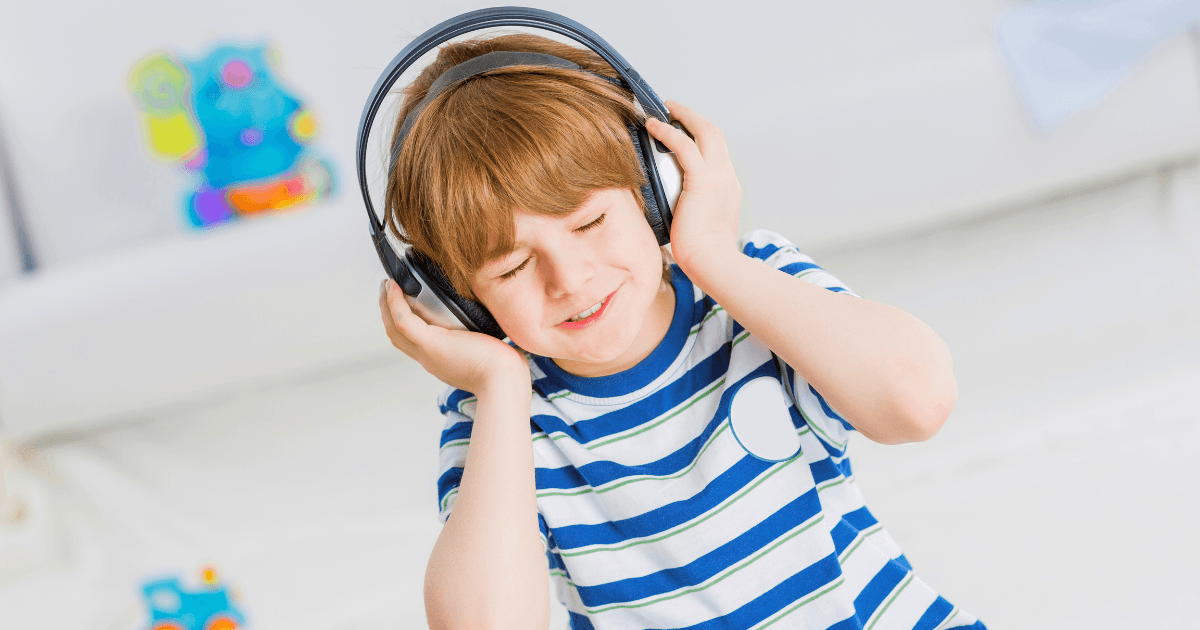
How to play: Play music and encourage children to dance freely. When the music stops, everyone must freeze in their position. For added challenge, call out specific poses when freezing: “Freeze like a statue with one foot in the air” or “Freeze in a twisty position.”
Tip:MyBrightWheel notes that freeze dance is particularly effective for releasing energy while practicing listening skills—a perfect combination for indoor days.
3. Simon Says with Movement
Skills developed: Listening skills, following directions, body awareness
How to play: Lead a game of Simon Says, focusing on active movements:
“Simon Says jump three times”
“Simon Says crawl like a baby”
“Simon Says spin in a circle”
“Simon Says march in place with high knees”
Modification for younger children: Skip the “trick” commands and use “Teacher says” to lead various movements.
4. Follow the Leader
Skills developed: Observation skills, gross motor coordination, and spatial awareness.
How to play: Form a line and lead children around the classroom, incorporating various movements:
Walking on tiptoes
Taking giant steps
Walking backward
Crawling under tables
Stepping over obstacles
Extension: Allow children to take turns being the leader to encourage their creativity and leadership skills.
5. Balloon Keep-Up
Skills developed: Eye-hand coordination, cooperative play, gentle movement control
How to play: Challenge children to keep a balloon from touching the ground. For younger children, this can be an individual activity; for older preschoolers, make it cooperative by having them work together to keep the balloon up.
Safety note: Always supervise balloon play closely and dispose of broken balloons immediately.
Movement Stations (15-20 Minutes)
For longer indoor periods, set up movement stations around your classroom. Children can rotate through these stations in small groups, spending 3-5 minutes at each one.
1. Masking Tape Balance Beams
Skills developed: Balance, spatial awareness, body control
Materials needed: Masking tape or painter’s tape
Set up: Create various line patterns on the floor—straight lines, zigzags, curves, and spirals.
How to play: Children walk the lines in different ways:
Forward
Backward
Sideways
With arms outstretched
While balancing a beanbag on their head
Extension: Add “islands” (paper circles) along the path where children must stop and perform an action before continuing.
2. Obstacle Course
Skills developed: Gross motor coordination, spatial awareness, following directions
Materials needed: Classroom furniture, hula hoops, pillows, and cardboard boxes
Set up: Create a simple course using available materials:
Crawl under tables
Step in and out of hula hoops
Jump over pillows
Crawl through a box tunnel
Spin around a chair
Tip:Watchful Eye Daycare suggests using directional arrows on the floor to help children navigate the course independently.
3. Beanbag Target Toss
Skills developed: Eye-hand coordination, aiming skills, controlled movement
Materials needed: Beanbags, buckets or laundry baskets, masking tape
Set up: Place containers at varying distances from a throwing line.
How to play: Children toss beanbags into the targets. Assign different point values based on the target’s distance or size.
Modification: For younger children, use larger targets placed closer to the throwing line.
4. Jumping Zone
Skills developed: Leg strength, balance, counting
Materials needed: Hula hoops, number cards, dice
Set up: Place hula hoops on the floor in a grid pattern.
How to play: Children roll a die and jump that many times within the hoops. Variations include:
Jumping with both feet together
Hopping on one foot
Jumping backward
Jumping in patterns (two hoops forward, one back)
5. Yoga Corner
Skills developed: Balance, flexibility, body awareness, self-regulation
Materials needed: Yoga cards or posters, mats or carpet squares
Set up: Create a quiet corner with visual guides to yoga poses.
How to play: Children follow the pose cards, holding each pose for 5-10 seconds. Simple poses for preschoolers include:
Tree pose
Downward dog
Cat/cow
Child’s pose
Butterfly
Extension: Create a yoga story where children move through a sequence of poses that tell a tale.
Whole-Group Movement Activities (10-15 Minutes)
These activities work well when you need to engage your entire class in movement simultaneously.
1. Indoor Hopscotch
Skills developed: Hopping, balance, and number recognition
Materials needed: Masking tape or carpet squares
Set up: Create a hopscotch pattern on the floor using tape or by arranging carpet squares.
How to play: Traditional hopscotch rules, or simplify by having children hop or jump through the pattern in various ways.
Learning connection:MyBrightWheel notes that indoor hopscotch improves gross motor skills while reinforcing number or color recognition.
2. Parachute Play (Without the Parachute)
Skills developed: Arm strength, coordination, cooperative play
Materials needed: A bedsheet or lightweight blanket
How to play: Children hold the edges of the sheet and work together to:
Make waves (small and large)
Make a mushroom (lift up and down together)
Roll a ball across the surface
Shake colored pompoms off the sheet
Tip: This activity is particularly good for building cooperation and group awareness.
3. Movement Songs and Dances
Skills developed: Rhythm, following directions, coordination, and listening skills.
Materials needed: Music player
How to play: Lead children in songs with movements or simple choreographed dances. Some favorites include:
“Head, Shoulders, Knees, and Toes”
“The Hokey Pokey”
“If You’re Happy and You Know It”
“Going on a Bear Hunt”
Extension: Create a class dance with simple repeating movements that children can help choreograph.
4. Indoor Scavenger Hunt with Movement Challenges
Skills developed: Listening skills, problem-solving, and various gross motor skills.
Materials needed: List of items/challenges
How to play: Give children movement-based challenges to complete around the room:
“Find something red and hop to it”
“Crawl to something square”
“Bear walks to something that starts with the letter B”
How to play: Tell a story that incorporates lots of movement, with children acting out the actions. For example, “We’re Going on a Rainy Day Adventure”:
“Put on your raincoats” (pretend to dress)
“Splash through puddles” (jump in place)
“Climb the slippery hill” (climbing motions)
“Duck under the low branch” (crouch down)
“Row across the flooded street” (sitting rowing motions)
Extension: Let children suggest actions to add to the story.
Movement Breaks (2-3 Minutes)
These ultra-quick activities can be inserted between more sedentary learning experiences to refresh bodies and minds.
1. Count and Move
Skills developed: Counting, following directions, various motor skills
How to play: Call out a number and a movement:
“Do 5 jumps”
“Take 10 marching steps”
“Touch your toes 3 times”
“Spin around 2 times”
2. Mirror, Mirror
Skills developed: Body awareness, observation, coordination
How to play: Stand facing the children. Have them mirror your movements as you slowly move your arms, legs, and body in different ways. Then let children take turns being the leader.
3. Shake Your Sillies Out
Skills developed: Body part identification, following directions, energy release
How to play: Have children shake different body parts as you count down:
“Shake your hands for 5, 4, 3, 2, 1”
“Shake your feet for 5, 4, 3, 2, 1”
“Shake your shoulders for 5, 4, 3, 2, 1”
“Shake your whole body for 5, 4, 3, 2, 1”
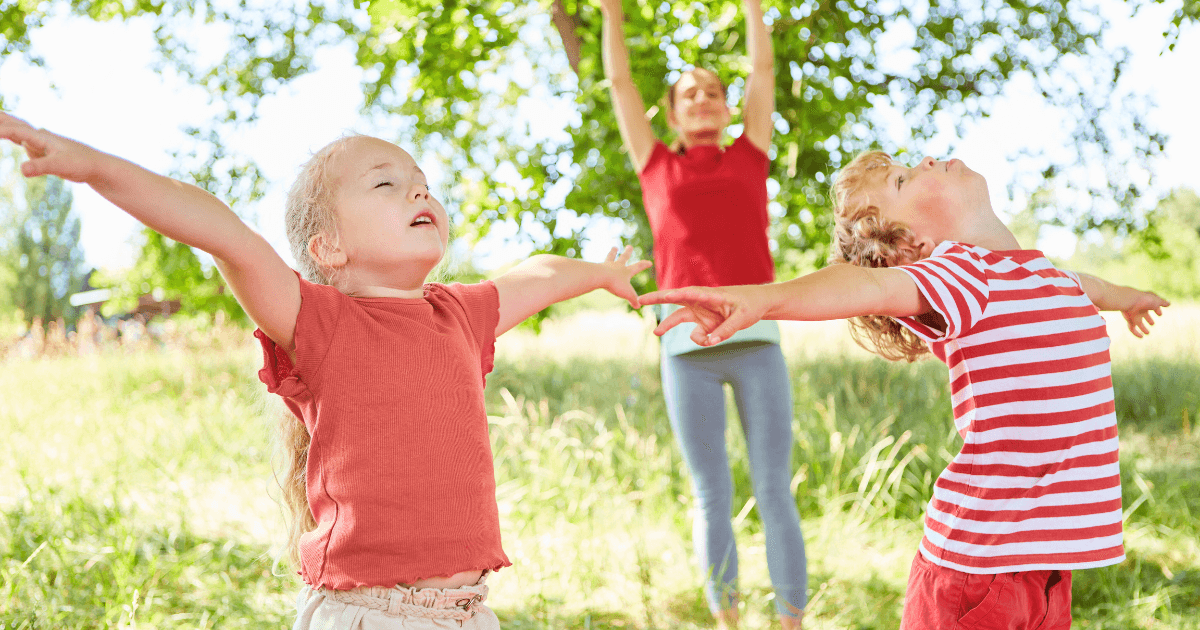
4. Stretch Like a…
Skills developed: Flexibility, body awareness, imagination.
How to play: Guide children through stretches using imagery:
“Stretch tall like a giraffe”
“Stretch wide like a tree”
“Curl small like a snail”
“Stretch low like a cat”
5. Weather Movements
Skills developed: Imaginative movement, energy modulation
How to play: Call out different weather conditions for children to act out:
“Move like you’re walking in heavy rain”
“Move like you’re pushing through deep snow”
“Move like you’re caught in a strong wind”
“Move like you’re tiptoeing through puddles”
Tip: This is particularly appropriate for rainy days, as it connects children’s movement to the weather they’re experiencing.
Creating a Movement-Friendly Indoor Environment
To make spontaneous movement more successful in your classroom, consider these environmental modifications:
1. Designate a Movement Zone
If possible, create a specific area in your classroom where active movement is always acceptable. Mark this area with a special rug or tape on the floor. Having a designated space helps children understand where larger movements are appropriate.
2. Use Visual Signals
Create a simple visual system to indicate noise and movement levels. For example:
Green sign = Active movement and louder voices okay
Yellow sign = Gentle movement and medium voices
Red sign = Still bodies and quiet voices
This helps children understand how expectations shift throughout the day.
3. Store Movement Materials Accessibly
Keep a “rainy day movement box” with items like beanbags, scarves for dancing, masking tape for floor paths, and movement cards. Having these materials organized and accessible makes it easier to implement movement activities quickly.
4. Create Movement Pathways
Even when not doing specific movement activities, you can encourage appropriate movement by creating clear pathways around the classroom. Use tape on the floor to create “walking roads” between centers or activity areas.
5. Incorporate Movement into Transitions
Use movement to help children transition between activities:
“Tiptoe like a mouse to the circle area”
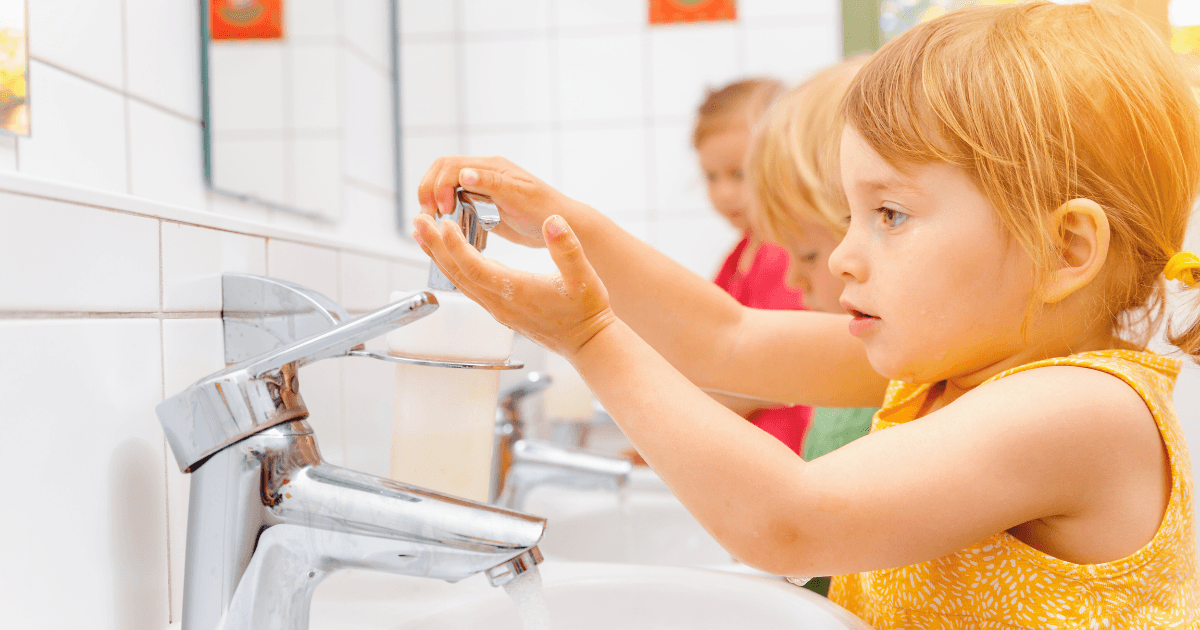
“Hop like a frog to the door for handwashing”
“Move in slow motion to your cubby”
This turns necessary transitions into opportunities for movement.
Adapting Activities for Different Needs and Spaces
For Limited Space
If your classroom is small:
Focus on stationary movements (jumping in place, stretches, dancing)
Create smaller stations that children rotate through
Use tape to create clear boundaries for movement areas
Emphasize controlled movements rather than running or large locomotor skills
For Mixed-Age Groups
When working with children of different ages and abilities:
Offer modifications for each activity (simpler versions for younger children)
Pair older children with younger ones for partner activities
Create open-ended challenges that children can approach at their own level
Focus on effort and participation rather than perfect execution
For Children with Special Needs
To make activities inclusive:
Provide visual supports (pictures of movements)
Offer physical support when needed
Allow for seated versions of standing activities
Reduce sensory stimulation if needed (lower music, fewer visual distractions)
Celebrate all forms of participation
Connecting Movement to Learning
Indoor movement doesn’t have to be separate from other learning goals. WonderNoggin suggests ensuring that activities provide at least 20 minutes of engagement and support multiple developmental domains. Here are ways to integrate movement with other curriculum areas:
Literacy Connections
Act out stories as you read them
Move like characters from favorite books
Create movement patterns based on syllables in words
Use body positions to form letter shapes
Math Connections
Count movements (10 jumps, 5 hops)
Create patterns with movements (jump, clap, jump, clap)
Use positional words (over, under, through, between)
Sort movements by type (jumping movements, spinning movements)
Science Connections
Explore concepts like force (pushing/pulling games)
Investigate balance and stability
Observe cause and effect through movement
Imitate animal movements while learning about habitats
Social-Emotional Connections
Practice taking turns leading movements
Work cooperatively in group movement games
Express emotions through movement
Practice self-regulation through start/stop activities
Conclusion: Embracing the Energy
Rainy days don’t have to mean restless children and classroom chaos. By intentionally planning for and embracing movement, you can transform indoor days into rich opportunities for physical development, learning, and joy.
Remember that young children are designed to move—it’s how they learn about themselves and their world. When we fight against this natural inclination, we create unnecessary struggle. Instead, by channeling their energy into purposeful movement activities, we honor their developmental needs while creating a more harmonious classroom environment.
As one veteran teacher shared with me, “I used to dread rainy days until I started planning for movement rather than trying to contain it. Now, some of our most memorable and joyful learning happens when we’re stuck indoors.”
What are your favorite indoor movement activities? Share your ideas in the comments below!