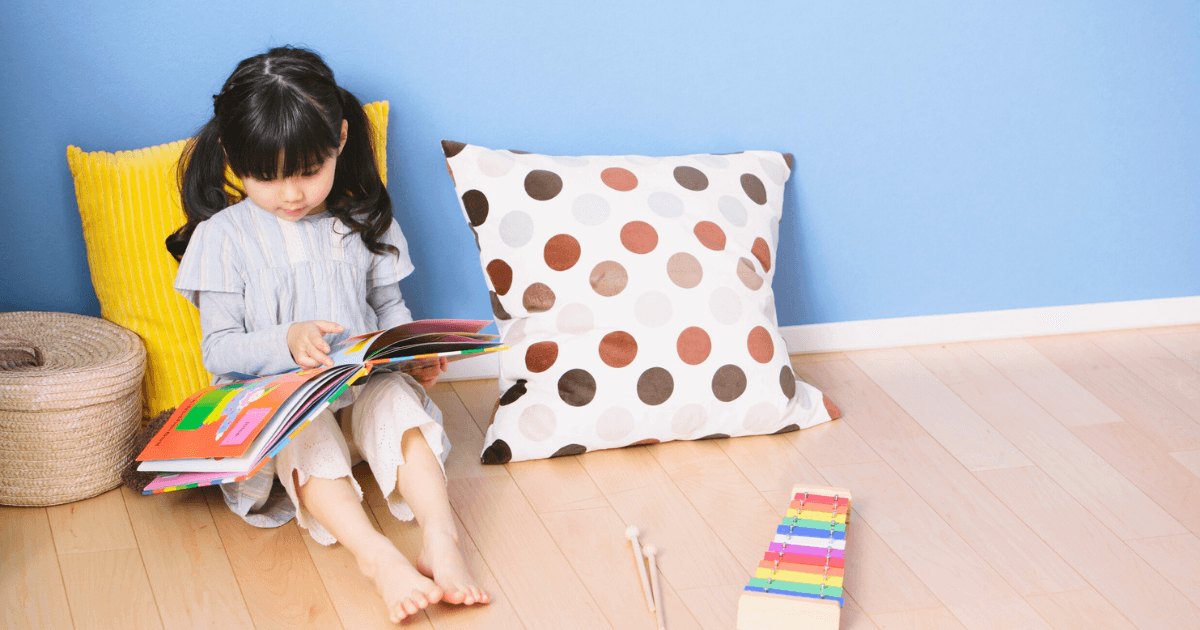
The Ultimate Preschool Environment: Creating Learning Spaces at Home and School
When my nephew started preschool last year, my sister transformed a corner of their living room into what she called a “learning nook.” Within weeks, this small space—complete with a child-sized table, organized art supplies, and rotating books—became his favorite spot in the house. The change in his engagement was remarkable. What struck me most was how this simple environmental shift seemed to bridge his experiences between home and school, creating a seamless learning journey.
This experience highlights something early childhood educators have known for decades: the environment itself is a powerful teacher. In fact, the renowned Reggio Emilia approach considers the environment the “third teacher” alongside parents and educators.
But what makes a truly effective preschool environment, whether at home or in a classroom? Let’s explore how to create spaces that inspire, support, and nurture young learners.
Why Learning Environments Matter
Before diving into the “how,” let’s understand the “why.” Research from the Harvard Center on the Developing Child shows that every dollar invested in quality early learning environments yields between $4 and $9 in economic benefits. But the impact goes far beyond economics.
Quality learning environments:
Support brain development during the critical first five years, when over a million neural connections form every second
Provide structure and predictability, reducing anxiety and allowing children to focus on exploration
Build social-emotional competencies through thoughtful interaction opportunities
Create continuity between home and school experiences
A study published by the National Institute for Early Education Research found that children in well-designed learning environments demonstrated significantly higher engagement and developed stronger self-regulation skills than peers in less intentionally designed spaces.
Core Principles for Effective Learning Environments
Whether you’re a teacher designing a classroom or a parent creating a home learning space, these principles apply:
1. Child-Centered Design
The environment should be physically and emotionally accessible to children. This means:
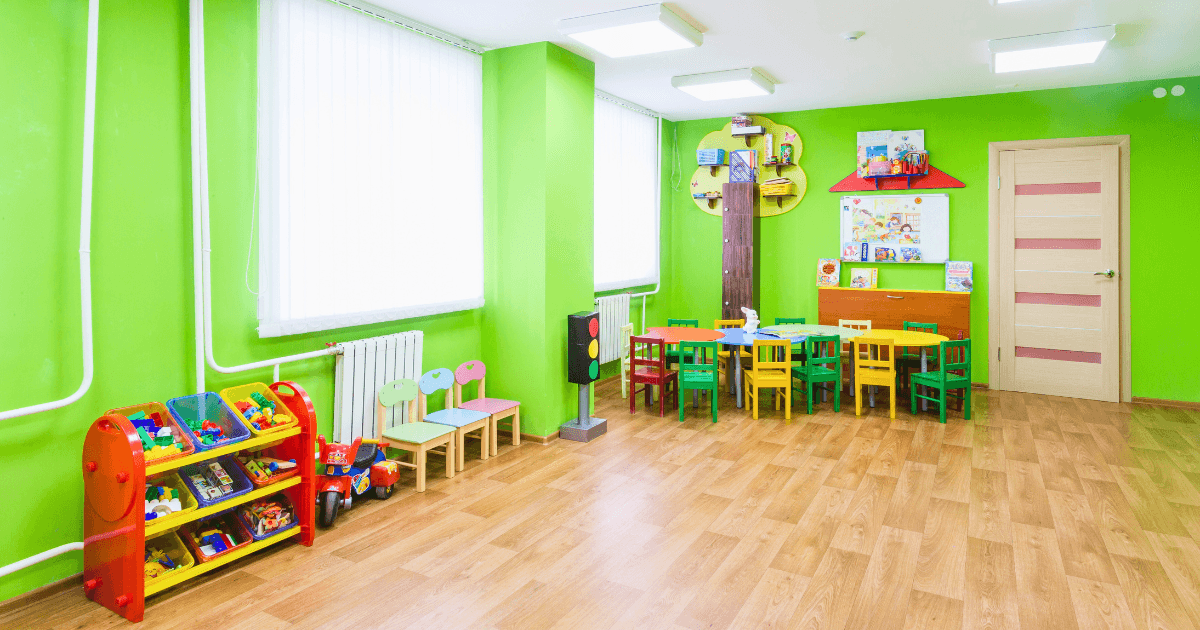
Child-scaled furniture that allows independence and comfort
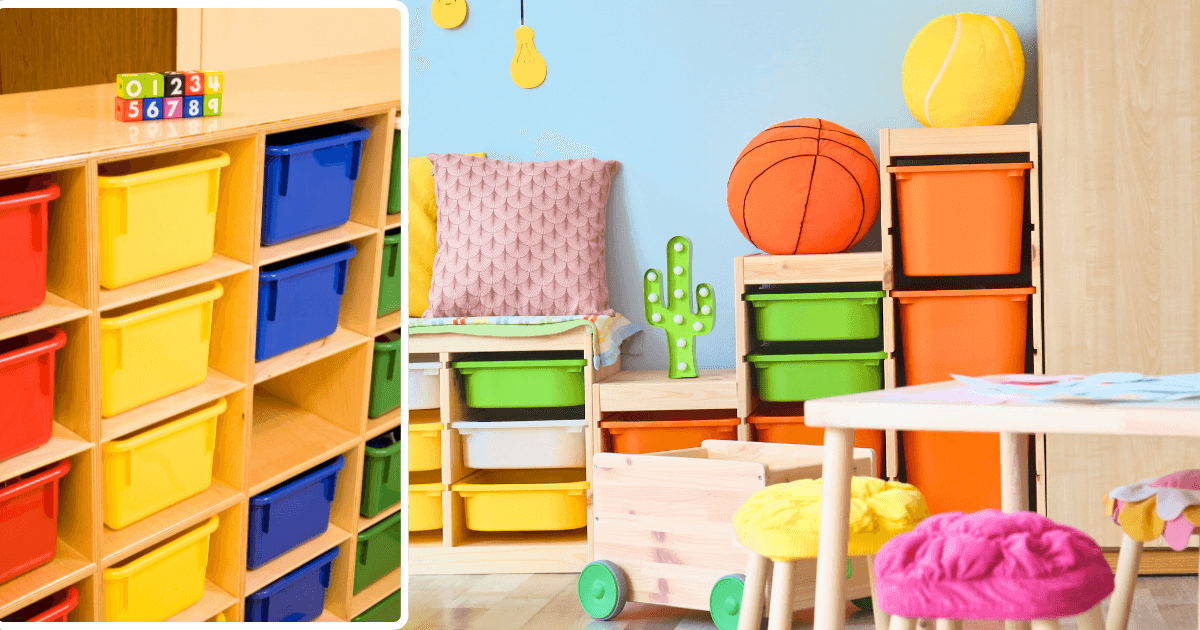
Materials within reach on open shelving that children can access and return without adult help
Visual cues like picture labels that empower non-readers to navigate the space
Representation through images, books, and materials that reflect children’s identities and cultures
As educator Lisa Murphy notes in her book Play: The Foundation of Children’s Learning, “When we design spaces at children’s eye level, we communicate that this space belongs to them.”
2. Defined Learning Areas
Both home and school environments benefit from clearly defined areas for different types of play and learning:
For classrooms:
Dramatic play center
Block area
Reading nook
Art station
Manipulatives and math zone
Science/nature area
Sensory table
Quiet/calming corner
For home spaces:
Reading corner with a small bookshelf and comfortable seating
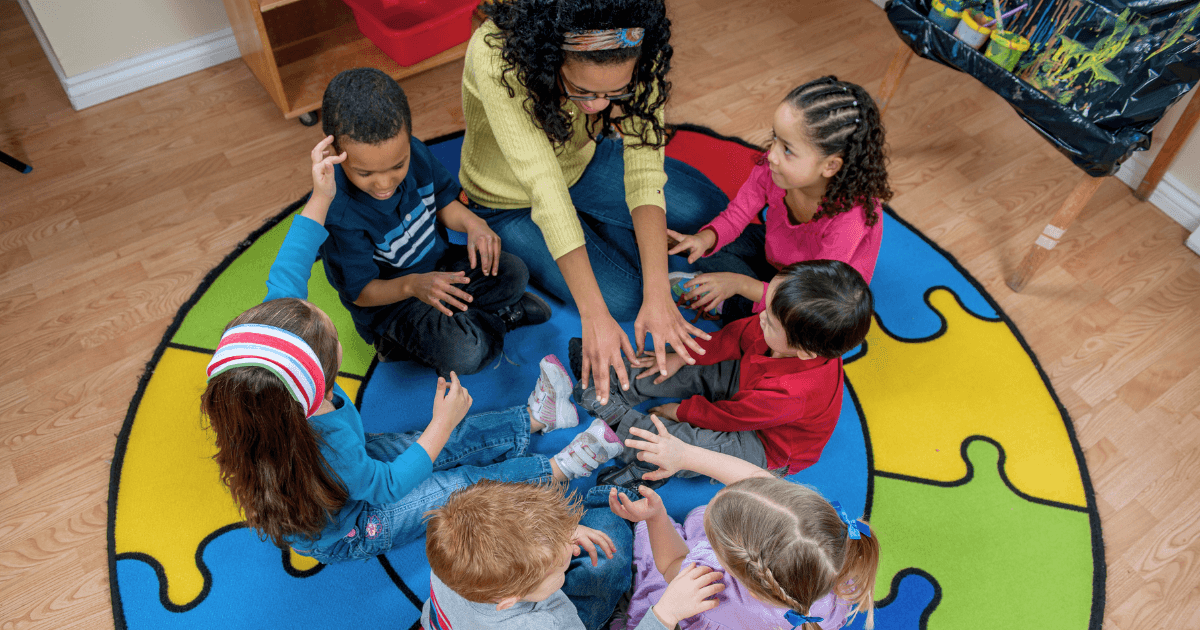
Each area should have visual boundaries—these can be as simple as a rug defining the reading space or low shelves separating the block area from other zones.
3. Balance of Structure and Flexibility
Effective learning environments strike a delicate balance:
Structured enough to provide security, predictability, and clear expectations
Flexible enough to adapt to children’s changing interests and developmental needs
According to the Children’s Corner Group, modern early childhood classrooms now feature flexible layouts that can be reconfigured to support various learning styles and activities.
At home, this might mean having a core learning space with modular elements that can be changed weekly to maintain interest. For example, the sensory bin that held rice and measuring cups last week might contain water beads and funnels this week.
4. Intentional Material Selection
The materials we provide speak volumes about what we value. Quality environments include:
Authentic tools that function properly, rather than toy versions
Natural elements like plants, stones, wood, and natural light
Culturally responsive resources that reflect diverse perspectives
Developmentally appropriate challenges that stretch but don’t frustrate
Research from the McGill Learning Center emphasizes that high-quality early learning environments provide structured opportunities for children to explore and make sense of their world through carefully selected materials.
5. Documentation and Reflection
Learning becomes visible when we document children’s experiences and invite reflection:
Display children’s work at their eye level
Include photographs of children engaged in learning
Provide tools for children to document their own learning (cameras, journals)
Creating Continuity Between Home and School
One of the most powerful aspects of thoughtful environment design is the ability to create continuity between home and school experiences. This connection helps children transfer skills and reduces transition anxiety.
Ways to build this bridge:
Share environmental philosophies between teachers and parents
Use similar organizational systems (like picture labels) at home and school
Extend classroom themes into home learning spaces
Incorporate family photos and cultural elements in classroom displays
Create take-home extensions of classroom activities
A study on year-round preschool programs highlighted that consistency between learning environments significantly improved children’s skill retention and reduced anxiety during transitions.
Practical Implementation: Starting Small
Creating the perfect learning environment doesn’t happen overnight. Here’s how to begin:
For Teachers:
Observe how children currently use your space and note patterns
Select one area to redesign based on children’s interests and needs
Involve children in the redesign process
Document the impact of changes and adjust accordingly
Gradually extend successful elements to other areas
For Parents:
Designate a specific area for learning activities, even if small
Start with organizing existing materials rather than buying new ones
Rotate materials to maintain novelty and reduce clutter
Solution: Use vertical space with wall-mounted storage, create mobile learning kits in containers, or designate dual-purpose areas that transform for learning activities.
Challenge: Budget constraints
Solution: Focus on organizing existing materials, incorporating natural and recycled materials, and connecting with local resource-sharing programs for early childhood materials.
Challenge: Maintaining organization
Solution: Implement simple systems children can manage independently, such as picture labels, color-coding, and consistent clean-up routines.
Challenge: Balancing aesthetics and function
Solution: Choose neutral backgrounds with pops of intentional color, prioritize natural materials, and rotate visual displays to reduce overstimulation.
The Environment as a Living Teacher
The most effective learning environments evolve alongside children. They respond to changing interests, developmental needs, and seasonal rhythms. By viewing the environment as a living teacher rather than a static backdrop, we create spaces that truly nurture learning.
As early childhood expert Loris Malaguzzi reminds us, “The environment should act as an aquarium which reflects the ideas, ethics, attitudes and culture of the people who live in it.”
Whether at home or school, the spaces we create for young children speak volumes about what we value. By designing environments that support independence, spark curiosity, and build connections, we give children the gift of joyful, meaningful learning—a foundation that will serve them throughout life.
What aspects of your child’s learning environment have you found most effective? Share your experiences in the comments below!