Rainy Day Preschool Activities: Keeping Learning Alive Indoors
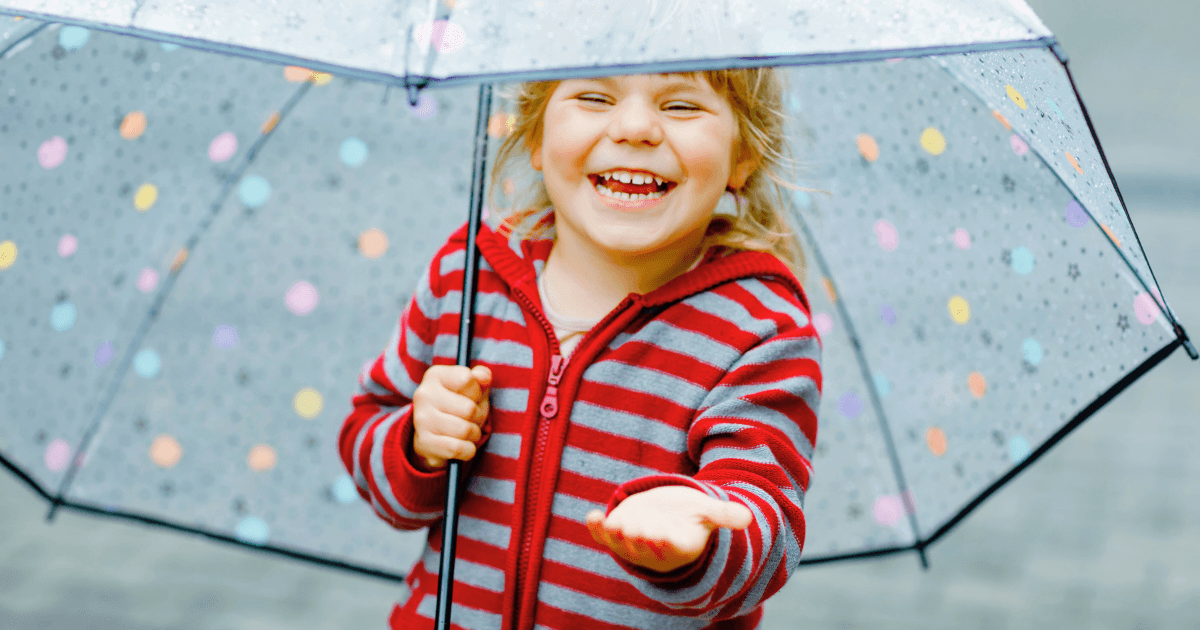
The pitter-patter of raindrops against the window might mean outdoor play is off the table, but it doesn’t have to put a damper on learning and fun. In fact, rainy days offer the perfect opportunity to engage preschoolers in rich, meaningful indoor activities that support development across multiple domains.
According to early childhood experts, unstructured play is essential for cognitive development, with research showing that children process learned concepts and develop problem-solving skills during these playful moments. A study cited by Brightwheel found that even short bursts of physical activity can improve memory, attention, and concentration in young children.
In this comprehensive guide, we’ll explore a variety of engaging, educational indoor activities designed specifically for preschoolers. Whether you’re a parent looking to entertain your little one at home or an educator seeking fresh ideas for your classroom, these activities will transform rainy days into opportunities for growth, learning, and joy.
Movement Activities: Burning Energy While Building Skills
Preschoolers have boundless energy, and finding ways to channel it constructively indoors is essential for both their physical development and your sanity! These movement-based activities will help children stay active while developing gross motor skills, coordination, and listening abilities.
1. Indoor Obstacle Course
Materials:
Pillows
Hula hoops
Masking tape
Chairs
Blankets
Stuffed animals
How to Set Up: Create a course that includes various movements: crawling under a table, jumping from pillow to pillow, walking along a tape line, hopping through hula hoops, and stepping over stuffed animals.
Learning Benefits:
Gross motor development
Following sequential directions
Spatial awareness
Body coordination
Vocabulary development (over, under, through, around)
Variation: Make it educational by adding counting (“hop three times”), color recognition (“jump to the blue pillow”), or letter identification (“crawl to the letter A”).
2. Freeze Dance
Materials:
Music player
Open space
Optional: Themed music that connects to current learning topics
How to Play: Play music and encourage children to dance freely. When the music stops, everyone must freeze in position until the music resumes.
Learning Benefits:
Listening skills
Self-regulation
Body awareness
Rhythm and coordination
Emotional expression
Variation: Add challenges by calling out specific poses to freeze in, such as “freeze like a tree” or “freeze in a shape that starts with the letter S.”
3. Animal Movement Game
Materials:
Picture cards of animals (optional)
Open space
How to Play: Call out different animals and have children move like them: hop like a bunny, slither like a snake, stomp like an elephant, etc. For added engagement, pull animal cards from a hat or let children take turns being the leader.
Learning Benefits:
Gross motor skills
Imaginative play
Vocabulary development
Listening and following directions
Knowledge of animal characteristics
Variation: Connect to literacy by choosing animals that start with specific letters, or to science by discussing animal habitats as you move.
4. Indoor Hopscotch
Materials:
Masking tape or chalk
Small bean bag or soft toy
How to Set Up: Create a hopscotch pattern on the floor using tape. For preschoolers, keep it simple with 5-6 squares.
Learning Benefits:
Balance and coordination
Number recognition
Counting skills
Turn-taking
Following rules
Variation: Instead of numbers, use letters, shapes, or colors in the squares for additional learning opportunities.
Cognitive Development Activities: Building Thinking Skills
Rainy days provide the perfect opportunity to engage preschoolers in activities that develop critical thinking, problem-solving, and early academic skills. These activities are not only educational but also deeply engaging for curious young minds.
5. Mystery Box Guessing Game
Materials:
Box with a hand-sized hole cut in the side
Various textured objects (soft toy, pinecone, block, fruit, etc.)
How to Play: Place an object in the box without showing the child. Have them reach in, feel the object, and try to guess what it is based on touch alone.
Learning Benefits:
Sensory discrimination
Vocabulary development
Descriptive language
Critical thinking
Memory skills
Variation: After guessing, ask children to sort objects by attributes like hard/soft, rough/smooth, or natural/human-made.
6. Indoor Scavenger Hunt
Materials:
List of items to find (use pictures for non-readers)
Container for collecting items
Timer (optional)
How to Play: Give children a list of items to find around the house or classroom. For preschoolers, keep the list short (5-8 items) and include objects that reinforce current learning concepts.
Learning Benefits:
Following directions
Visual discrimination
Problem-solving
Memory
Classification skills
Variation: Create themed hunts based on colors, shapes, letters, or numbers. For example, “Find something red, something square, something that starts with B.”
7. Pattern Building
Materials:
Colored blocks, beads, or household items (spoons, cups, socks)
How to Play: Create a simple pattern (red-blue-red-blue or big-small-big-small) and ask the child to continue it. Start with simple AB patterns and gradually increase complexity.
Learning Benefits:
Pattern recognition (a pre-math skill)
Logical thinking
Visual discrimination
Sequencing
Prediction skills
Variation: Use sounds or movements to create patterns (e.g., clap-stomp-clap-stomp) for a multisensory experience.
8. Sink or Float Experiment
Materials:
Large, clear container filled with water
Collection of household objects
Towels for spills
Paper for recording predictions
How to Play: Have children predict whether each object will sink or float, then test their predictions. For older preschoolers, create a simple chart to record results.
Learning Benefits:
Scientific method (predict, test, observe)
Concept development (density, buoyancy)
Classification skills
Vocabulary development
Critical thinking
Variation: Extend learning by asking why some things float while others sink, or by challenging children to modify objects to change whether they sink or float.
Creative Arts Activities: Expressing and Exploring
Art activities not only keep preschoolers engaged but also develop fine motor skills, creative thinking, and self-expression. These rainy day art projects go beyond basic coloring to offer rich, multisensory experiences.
9. Rain Cloud in a Jar
Materials:
Clear jar or glass
Shaving cream
Food coloring mixed with water
Pipettes or droppers
How to Create: Fill the jar 3/4 full with water. Add a layer of shaving cream on top to represent clouds. Drop colored water onto the “cloud” and watch as it eventually “rains” through the cloud into the water below.
Variation: Connect to weather discussions or read books about rain before or after the activity.
10. Indoor Painting Alternatives
Materials: Depending on the method chosen:
Q-tips and watercolors for pointillism
Toy cars with paint on the wheels for track painting
Bubble wrap for texture printing
Salad spinners with paper and paint for spin art
How to Create: Offer a variety of nontraditional painting tools to create unique artwork. Each method creates different textures and patterns while minimizing mess.
Learning Benefits:
Creative expression
Cause and effect
Fine motor development
Vocabulary (describing textures and patterns)
Color recognition and mixing
Variation: Create collaborative art by having each child contribute to a larger piece, promoting social skills and cooperation.
How to Create: Invite children to create three-dimensional structures using recyclable materials. Provide support with attaching pieces as needed, but allow for creative freedom in design.
Learning Benefits:
Spatial reasoning
Engineering concepts
Problem-solving
Fine motor skills
Sustainability awareness
Variation: Suggest themes such as “build a robot” or “create an animal” to provide structure while still allowing creativity.
12. Shadow Puppet Theater
Materials:
Flashlight
White sheet or paper
Craft sticks
Paper cutouts or hand shapes
How to Create: Hang a sheet or tape paper to a wall. Use flashlights to cast shadows of hands or paper cutouts attached to craft sticks. Encourage storytelling through the shadow puppets.
Learning Benefits:
Narrative development
Scientific concepts (light and shadows)
Fine motor control
Creative expression
Oral language skills
Variation: Act out familiar stories or create original tales, recording them to watch later.
Sensory Play Activities: Engaging the Senses
Sensory play is crucial for preschool development, helping children process information about the world while building neural connections. These activities engage multiple senses in safe, contained ways perfect for rainy days.
13. Rainbow Rice Sensory Bin
Materials:
Uncooked rice
Food coloring or liquid watercolors
Vinegar
Baking sheets for drying
Containers and scoops for play
How to Create: Color rice by placing it in sealed bags with a few drops of food coloring and a splash of vinegar. Shake until evenly colored, then spread on baking sheets to dry. Once dry, combine colors in a sensory bin with scoops, funnels, and containers.
Variation: Hide letters of the alphabet, numbers, or small toys in the rice for a search-and-find activity.
14. Taste Test Challenge
Materials:
Small samples of foods with distinct tastes
Blindfold (optional)
Chart for recording responses
How to Play: Offer small samples of foods with different tastes (sweet, salty, sour, etc.). Have children describe the tastes and guess the foods. For older preschoolers, create a simple graph of favorites.
Learning Benefits:
Sensory discrimination
Vocabulary development
Graphing and data collection
Food awareness
Descriptive language
Variation: Focus on foods from a specific culture or foods that begin with a particular letter to tie into broader learning themes.
15. Scented Playdough
Materials:
Homemade playdough (flour, salt, water, oil, cream of tartar)
How to Create: Make basic playdough and divide it into portions. Add different scents and corresponding colors to each portion. Provide tools for molding and cutting.
Learning Benefits:
Sensory integration
Fine motor development
Creative expression
Vocabulary development
Following recipes (math and science)
Variation: Create a playdough bakery where children can make “cookies” and “cakes” with the scented dough, incorporating dramatic play.
Literacy and Language Activities: Building Communication Skills
Rainy days provide excellent opportunities to focus on language development through engaging, play-based activities that build essential pre-reading skills.
16. Story Basket Retelling
Materials:
Favorite picture book
Small toys or objects representing characters and key elements from the story
Basket or container
How to Play: Read a familiar story, then provide objects representing elements from the book. Encourage children to retell the story using the objects as props.
Learning Benefits:
Story comprehension
Sequencing
Memory development
Oral language skills
Narrative structure understanding
Variation: For older preschoolers, encourage them to create new adventures for the characters after retelling the original story.
17. Letter Hunt and Match
Materials:
Magnetic letters or letter cards
Container
Items beginning with various letters
A letter mat or paper with letters written on it
How to Play: Hide letters around the room. Once found, children match each letter to an object that begins with that letter sound.
Learning Benefits:
Letter recognition
Phonological awareness
Initial sound recognition
Vocabulary development
Classification skills
Variation: For beginners, focus on just a few letters at a time, particularly those in the child’s name.
18. Indoor “Campfire” Storytelling
Materials:
Flashlight or battery-operated candle
Blankets or pillows
Story prompt cards (optional)
How to Set Up: Create a cozy area with blankets and pillows. Dim the lights and use a flashlight or battery-operated candle to create a “campfire” atmosphere. Take turns telling or creating stories.
Learning Benefits:
Oral language development
Listening skills
Imagination and creativity
Narrative structure
Social interaction
Variation: Use story dice or picture cards to inspire storytelling for children who need more structure.
Math and Problem-Solving Activities: Building Numerical Understanding
Developing early math skills happens naturally through play. These activities make mathematical concepts concrete and accessible for preschoolers.
19. Sorting Station
Materials:
Collection of small objects (buttons, bottle caps, toy animals, etc.)
Containers for sorting
Sorting mats (optional)
How to Play: Provide a collection of objects that can be sorted by various attributes (color, size, shape, type). Start with simple sorting (by color) and progress to more complex sorting (by multiple attributes).
Learning Benefits:
Classification skills
Attribute recognition
Logical thinking
Mathematical language
Pattern recognition
Variation: Create a “sorting challenge” by asking children to sort the same objects in different ways (first by color, then by size, etc.).
How to Play: Choose objects around the room to measure using non-standard units. “How many blocks long is this book?” “How many paper clips long is your shoe?”
Learning Benefits:
Measurement concepts
Comparison language (longer, shorter)
Number sense
Data collection
Scientific inquiry
Variation: Compare measurements of the same object using different measuring tools to introduce the concept that the unit of measurement matters.
21. Number Hunt and Sequence
Materials:
Number cards (1-10 or higher, depending on skill level)
Tape
How to Play: Hide number cards around the room. Children find the numbers and then arrange them in the correct sequence.
Learning Benefits:
Number recognition
Sequencing
Counting skills
Problem-solving
Visual discrimination
Variation: Add a movement component by having children perform actions based on the numbers they find (jump the number of times shown on the card).
Dramatic Play Activities: Fostering Imagination
Dramatic play is crucial for social-emotional development and helps children process their understanding of the world. These setups require minimal materials but provide rich learning opportunities.
22. Indoor Camping Adventure
Materials:
Blankets or sheets for a tent
Flashlights
Pretend campfire (rolled orange/red/yellow paper or blocks)
Stuffed animals
Snacks in lunch boxes
How to Set Up: Create a simple tent using chairs and blankets. Add a pretend campfire, sleeping bags (blankets), and forest friends (stuffed animals). Pack a special snack to enjoy at the “campsite.”
Learning Benefits:
Imaginative play
Vocabulary development
Social skills through cooperative play
Problem-solving (setting up the camp)
Nature awareness and discussion
Variation: Add science by discussing nocturnal animals, stargazing with paper stars on the ceiling, or exploring with magnifying glasses.
23. Rainy Day Post Office
Materials:
Paper for letters
Envelopes (or folded paper)
Mailbox (shoebox with a slot cut in it)
Stamps (stickers)
Markers or crayons
Letter carrier bag
How to Set Up: Create a post office station where children can write (or draw) letters, address envelopes, add stamps, and deliver mail to family members or stuffed animals throughout the house.
Variation: For classrooms, each child can have a mailbox labeled with their name, encouraging peer-to-peer communication and name recognition.
24. Indoor Grocery Store
Materials:
Empty food containers, cleaned
Play money
Paper bags
Calculator or cash register (optional)
Price tags
Shopping list (pictures for non-readers)
How to Set Up: Arrange food items on a shelf or table as a “store.” Create simple price tags. Provide shopping bags, lists, and play money. Take turns being the shopper and cashier.
Learning Benefits:
Mathematical concepts (counting, basic addition)
Social skills (taking turns, communication)
Vocabulary development
Real-world connection
Following multi-step processes
Variation: Create themed stores (e.g., a pet shop, a clothing store) to expand vocabulary and role-play opportunities.
25. Weather Reporter Station
Materials:
Microphone (real or pretend)
Weather symbols on cards
Map (hand-drawn is fine)
Weather props (umbrella, sunglasses, etc.)
Video recording device (optional)
How to Set Up: Create a weather station with a map and weather symbols. Children can take turns being the weather reporter, describing the current weather, and making predictions.
Learning Benefits:
Weather vocabulary
Public speaking confidence
Science concepts
Dramatic expression
Sequential thinking
Variation: Record the weather reports and watch them together, discussing how the actual weather compares to the predictions.
STEM Exploration Activities: Nurturing Curiosity
Science, Technology, Engineering, and Math (STEM) activities engage preschoolers’ natural curiosity and build critical thinking skills through hands-on exploration.
26. Ramp Racers
Materials:
Cardboard tubes cut lengthwise or flat cardboard
Books or blocks for elevation
Small cars or marbles
Tape measure
Various textured materials (fabric, sandpaper, etc.)
How to Set Up: Create ramps at different heights and angles. Test how far cars or marbles roll from each ramp. Experiment with different surfaces on the ramps to see how they affect speed.
Learning Benefits:
Physics concepts (gravity, friction, momentum)
Prediction skills
Measurement
Cause and effect
Scientific method
Variation: Create a chart to record which ramp configuration made objects roll the farthest, introducing data collection.
How to Set Up: Create a nature investigation table with collected items. Provide tools for examining, sorting, weighing, and documenting observations.
Learning Benefits:
Scientific observation
Classification skills
Descriptive vocabulary
Environmental awareness
Documentation skills
Variation: Create a nature museum where children create labels and displays for their collections.
28. Sink or Float Predictions
Materials:
Large, clear container filled with water
Various household objects
Prediction chart
Towels for cleanup
How to Set Up: Before testing objects in water, have children predict whether each will sink or float. Record predictions, then test each item and compare results to predictions.
Learning Benefits:
Scientific method
Properties of materials
Prediction skills
Concept of density
Data recording
Variation: After initial testing, challenge children to modify floating objects to make them sink (by adding weight) or sinking objects to make them float (by adding buoyancy).
Quiet Time Activities: Calming the Energy
After active play, preschoolers benefit from quieter activities that allow for focused concentration and relaxation. These activities provide a perfect wind-down while still supporting learning.
29. Listening Center
Materials:
Audiobooks or recorded stories
Headphones
Comfortable pillows or bean bags
Related books to follow along
How to Set Up: Create a cozy corner with headphones and audio stories. Children can follow along with physical books or listen and relax.
Learning Benefits:
Listening comprehension
Story structure understanding
Vocabulary development
Attention span
Self-regulation
Variation: After listening, provide simple art materials for children to draw their favorite part of the story.
30. Light Table Exploration
Materials:
DIY light table (clear plastic container with string lights underneath)
How to Set Up: Create a simple light table and provide materials for exploration. Children can create designs, explore color mixing, or trace shapes.
Learning Benefits:
Visual discrimination
Color theory
Creativity
Fine motor skills
Sensory processing
Variation: Use transparent letter tiles or number shapes for literacy and math connections.
31. Mindfulness Moments
Materials:
Soft background music
Breathing visual aids (pinwheels, feathers)
Comfortable space
How to Set Up: Guide children through simple mindfulness exercises, such as belly breathing, progressive muscle relaxation, or guided imagery, appropriate for preschoolers.
Learning Benefits:
Emotional regulation
Body awareness
Attention skills
Stress management
Self-awareness
Variation: Create mindfulness jars (filled with water, glitter, and glue in sealed jars) that children can shake and watch as the glitter settles, paralleling how our minds can settle when we’re calm.
Adapting Activities for Different Ages and Abilities
The beauty of these rainy day activities is that they can be easily modified to meet the needs of different children. Here are some general guidelines for adapting activities:
For Younger Preschoolers (2-3 years):
Simplify instructions to one or two steps at a time
Provide more demonstrations and less verbal direction
Offer larger, easier-to-manipulate materials
Shorten activity duration to match attention spans
Focus on process rather than product
Provide more adult support and participation
For Older Preschoolers (4-5 years):
Add complexity with multi-step instructions
Incorporate literacy elements (writing, reading simple words)
Include more advanced mathematical concepts
Encourage greater independence
Extend activities with related challenges
Introduce simple documentation of learning
For Children with Different Abilities:
Consider sensory preferences and sensitivities when selecting activities
Provide adaptive tools as needed (scissors with spring assist, thicker crayons)
Break activities into smaller steps for children who need more processing time
Offer choice within activities to increase engagement
Consider positioning needs for optimal participation
Celebrate all forms of participation and engagement
Creating a Balanced Rainy Day Schedule
A successful rainy day with preschoolers typically includes a balance of different types of activities. Here’s a sample schedule that alternates between active and quiet activities:
The key is to observe children’s energy levels and engagement, and be flexible enough to extend activities that are working well or shift to new ones when interest wanes.
Setting Up for Success: Preparation Tips
A little preparation goes a long way in making rainy days run smoothly:
Create an Activity Box System
Prepare labeled boxes with materials for different types of activities that can be quickly accessed on rainy days:
Movement Activities Box
Art Supplies Box
Sensory Play Box
Dramatic Play Props Box
Quiet Time Activities Box
Designate Activity Spaces
If possible, create designated areas for different types of play:
Active movement space (cleared of breakables)
Art area (near water source, easy-to-clean surface)
Quiet corner (away from high-traffic areas)
Dramatic play space (with storage for props)
Involve Children in Setup and Cleanup
Make preparation and cleanup part of the learning experience:
Have children help gather materials
Create picture-based checklists for setting up and cleaning up
Use timers to make transitions predictable
Celebrate a successful cleanup with a brief special activity
Conclusion: Embracing Rainy Days as Learning Opportunities
Rather than viewing rainy days as an inconvenience, we can reframe them as valuable opportunities for different kinds of learning and connection. The activities outlined in this guide not only keep preschoolers entertained but also support crucial development across cognitive, physical, social-emotional, and creative domains.
As early childhood expert Loris Malaguzzi reminds us, “Children have 100 languages, 100 hands, 100 thoughts, 100 ways of thinking, of playing, of speaking.” Rainy days give us the chance to explore many of these languages through rich, engaging indoor experiences.
The next time rain clouds gather, gather your materials, embrace the opportunity, and watch as learning comes alive indoors. You might find yourself looking forward to rainy days and the special memories they create!
What are your favorite rainy day activities for preschoolers? Share your ideas in the comments below!
I like to take this time to use my D.O.L. (Daily Oral Language) with the children to express their feelings and emotions about whatever they are feeling and want to talk about. I also like to observe children more closely when engaging in indoor gross motor skills like using the large carpet tubes that I save for children to jump over and crawl under such as the limbo. I also use two of them while the teachers hold them close to together to see how many children can squeeze through them without knocking them down. We also use a tent to pretend we are in the forest, and it is raining very hard and listen to what sounds we hear like the raindrops each child has a different answer of what they hear. These are just some of the activities I like to use on rainy day schedule.
Thank you
Thank you for sharing! I love how you encourage children to express their feelings while keeping them active and engaged with fun, creative rainy-day activities.

I like to take this time to use my D.O.L. (Daily Oral Language) with the children to express their feelings and emotions about whatever they are feeling and want to talk about. I also like to observe children more closely when engaging in indoor gross motor skills like using the large carpet tubes that I save for children to jump over and crawl under such as the limbo. I also use two of them while the teachers hold them close to together to see how many children can squeeze through them without knocking them down. We also use a tent to pretend we are in the forest, and it is raining very hard and listen to what sounds we hear like the raindrops each child has a different answer of what they hear. These are just some of the activities I like to use on rainy day schedule.
Thank you
Thank you for sharing! I love how you encourage children to express their feelings while keeping them active and engaged with fun, creative rainy-day activities.