Art Studio Spaces: Creating Areas That Inspire Expression
Last month, I visited a friend’s newly designed art classroom. What struck me wasn’t just the beautiful artwork adorning the walls, but how the space itself seemed to whisper, “Create something amazing.” Natural light poured through large windows, materials were thoughtfully arranged in transparent containers, and small, inviting nooks beckoned young artists to explore and experiment. The room itself was a canvas—designed to inspire, support, and celebrate creative expression.
Whether you’re a teacher setting up a classroom art center, a parent creating a home creative space, or an artist designing your own studio, the environment you create profoundly impacts the creative process. In this post, we’ll explore how thoughtfully designed art spaces can ignite imagination, foster independence, and elevate artistic expression for creators of all ages.
Why Art Spaces Matter: The Environment as the Third Teacher
The concept of “environment as the third teacher” comes from the Reggio Emilia approach to education, suggesting that well-designed spaces can teach, inspire, and guide alongside parents and educators. Research consistently shows that our physical surroundings significantly impact our thinking, feeling, and creating.
According to a 2024 study published in the Journal of Creative Behavior, participants working in thoughtfully designed creative spaces demonstrated 28% higher originality in their artistic output compared to those in standard environments. The study concluded that “physical space is not merely a container for creative activity but an active participant in the creative process.”
For children, especially, art spaces communicate powerful messages:
“Your creative work is valued here”
“These materials are accessible to you”
“You have freedom to explore and experiment”
“This is a place where expression is welcomed”
As renowned art educator Elliot Eisner noted, “The kind of environment we create for children can either limit or expand their possibilities.”
Essential Elements of Inspiring Art Spaces
Whether designing for a classroom, home studio, or professional workspace, certain elements consistently appear in successful creative environments:
1. Thoughtful Lighting
Lighting isn’t just functional—it sets the tone for creative work and dramatically affects how colors appear.
Natural light: Position art spaces near windows when possible. Natural light provides the truest color rendering and connects creators to the outside world. Consider using sheer curtains to diffuse harsh direct sunlight.
Supplemental lighting: Layer lighting with:
Ambient overhead lighting (preferably with daylight-balanced bulbs)
Task lighting for detailed work
Accent lighting to highlight the displayed artwork
As artist and studio designer Clara Lieu suggests, “The quality of light in your studio affects not just how you see your work, but how you feel while creating it.”
2. Intentional Organization
Organization in art spaces serves dual purposes: making materials accessible and creating a visual calm that allows creativity to flourish.
Visible storage: Use clear containers, open shelving, or labeled bins to make materials visible and accessible. This not only facilitates independence but also inspires new ideas as materials “speak” to each other.
Logical grouping: Arrange materials by:
Type (drawing, painting, collage)
Medium (wet vs. dry materials)
Color families
Frequency of use
Rotation system: Consider displaying only a curated selection of materials at once, rotating options to prevent overwhelm and maintain interest.
3. Flexible Workspaces
Different creative processes require different spatial arrangements. Effective art studios include:
Individual work areas: Spaces where artists can focus deeply on personal projects
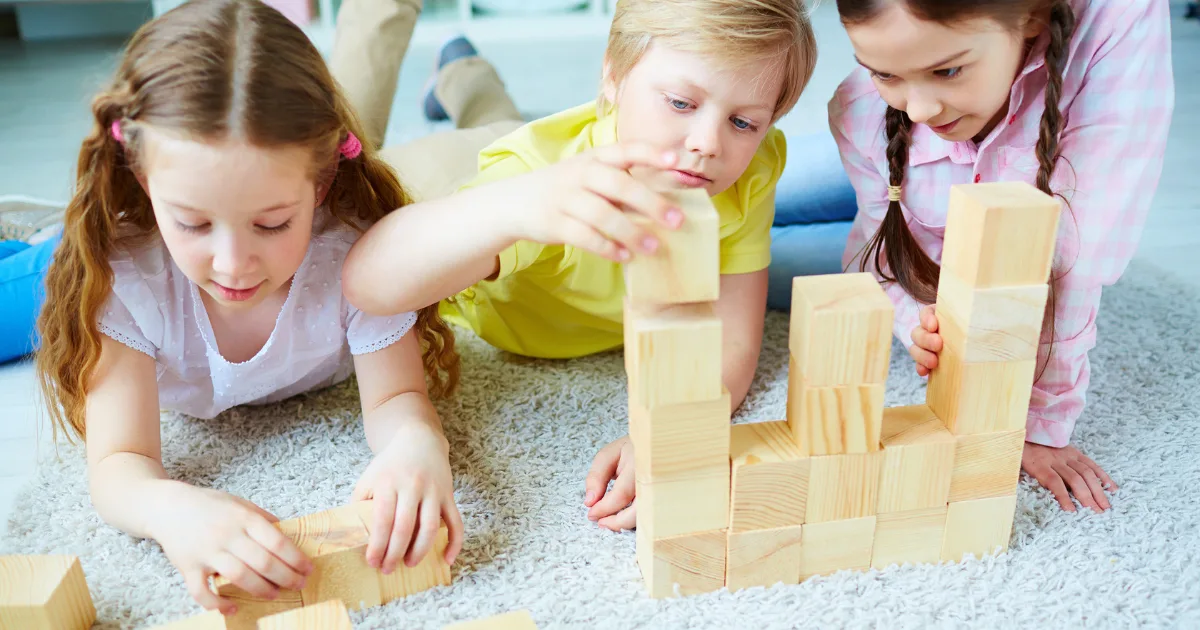
Collaborative zones: Areas designed for shared work and creative exchange
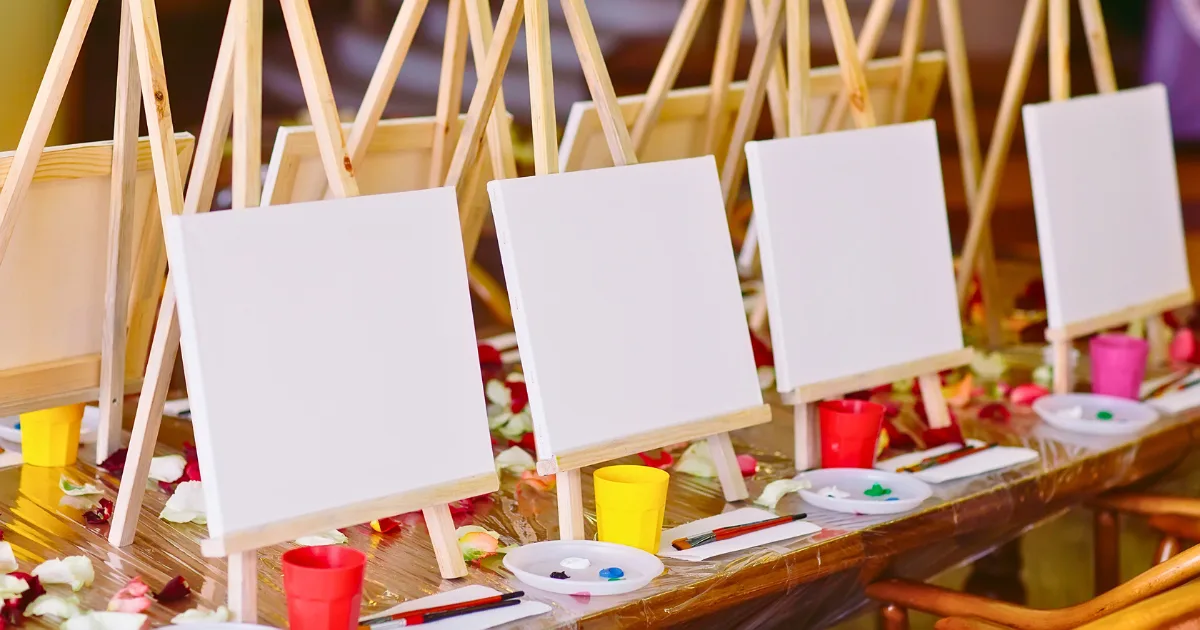
Standing options: Easels or elevated surfaces for perspective and different working positions
Floor space: Open areas for large-scale projects or body-involved creation
The ability to reconfigure spaces as needed supports diverse creative approaches. As noted by Studio Thinking, “Flexible spaces allow for flexible thinking.”
4. Inspirational Elements
Art spaces should not only facilitate creation but actively inspire it:
Display areas: Dedicated spaces to exhibit both finished artwork and works-in-progress
Documentation: Photos or notes capturing the creative process, showing that the journey is as valuable as the destination
Natural elements: Plants, stones, shells, or other natural items that connect creators to the organic world
Provocations: Thoughtfully arranged materials, interesting objects, or visual prompts that spark curiosity and creative thinking
5. Sensory Considerations
All aspects of the sensory environment affect creative expression:
Acoustics: Consider how sound travels in your space. Some artists thrive with background music, while others need quiet. Acoustic panels, rugs, or fabric hangings can help manage sound.
Scent: Be mindful of strong odors from art materials. Good ventilation is essential, especially when using paints, glues, or other aromatic supplies.
Tactile elements: Incorporate varied textures throughout the space—smooth tabletops, soft seating, natural materials—to stimulate tactile awareness.
Visual calm: While creative spaces should be stimulating, visual overwhelm can hinder focus. Balance areas of visual interest with restful spaces for the eye.
Designing Art Spaces for Different Ages and Needs
Effective art spaces evolve with the changing needs of their users. Here’s how to adapt spaces for different developmental stages:
For Young Children (Ages 2-5)
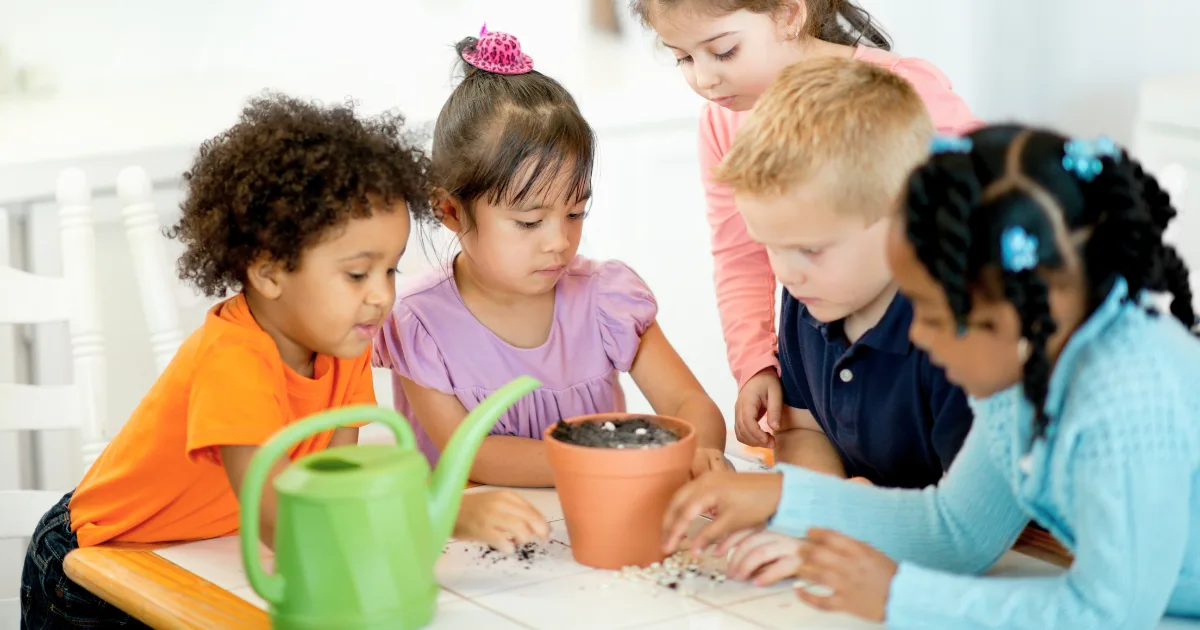
Young children experience art primarily as sensory exploration and need spaces that support this discovery-based approach:
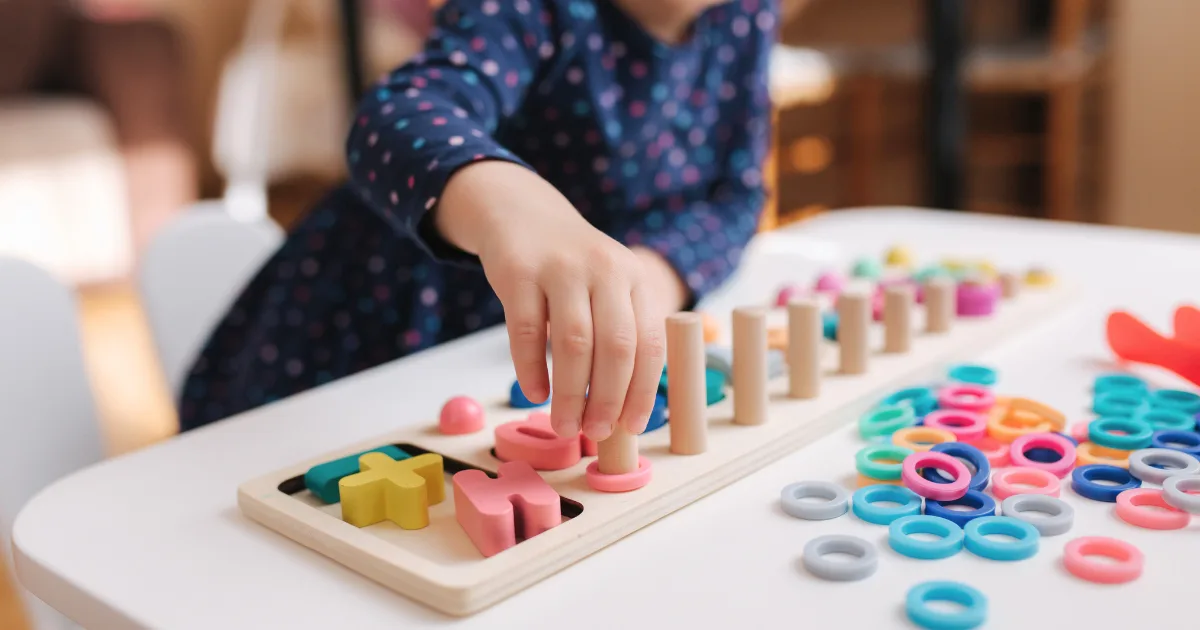
Accessibility: Low shelves and child-height work surfaces empower independence
Durability: Washable surfaces, sturdy containers, and materials that can withstand enthusiastic exploration
Introduce new elements gradually, allowing users to adapt
Document the process to help maintain the systems you create
5. Evaluate and Refine
After implementation:
Observe how the space is used
Gather feedback from users
Make adjustments based on real-world experience
Plan for regular reassessment as needs change
Maintaining the Magic: Keeping Art Spaces Inspiring
Even the most thoughtfully designed art spaces require ongoing attention to remain effective:
Regular Refreshment
Rotate materials seasonally or based on current interests
Introduce new provocations or inspiration periodically
Rearrange furniture or zones to create fresh perspectives
Update displayed artwork to reflect current explorations
Community Involvement
Involve users in maintaining the space
Create simple cleanup routines that become part of the creative process
Hold occasional “studio days” focused on reorganizing and refreshing the environment
Celebrate the space itself as a collaborative creation
Documentation and Reflection
Photograph the space at different stages
Note what works well and what needs adjustment
Collect stories about how the environment supported creative breakthroughs
Share your space evolution with others for mutual inspiration
Real-World Inspiration: Art Spaces That Work
Looking at successful creative environments can provide valuable inspiration. Here are a few noteworthy examples:
The Atelier at Reggio Children
The world-renowned Reggio Emilia schools feature dedicated art studios (ateliers) where materials are presented with museum-like reverence. Their approach emphasizes:
Materials organized by properties (transparency, reflectivity, texture)
Natural and found objects alongside traditional art supplies
Integration of light, shadow, and projection as creative elements
The Art Room at Blue School
The Blue School in New York City features art spaces designed to foster creative confidence:
Flexible furniture that can be reconfigured for different projects
Gallery-quality lighting that honors student work
Visible storage systems that inspire new combinations of materials
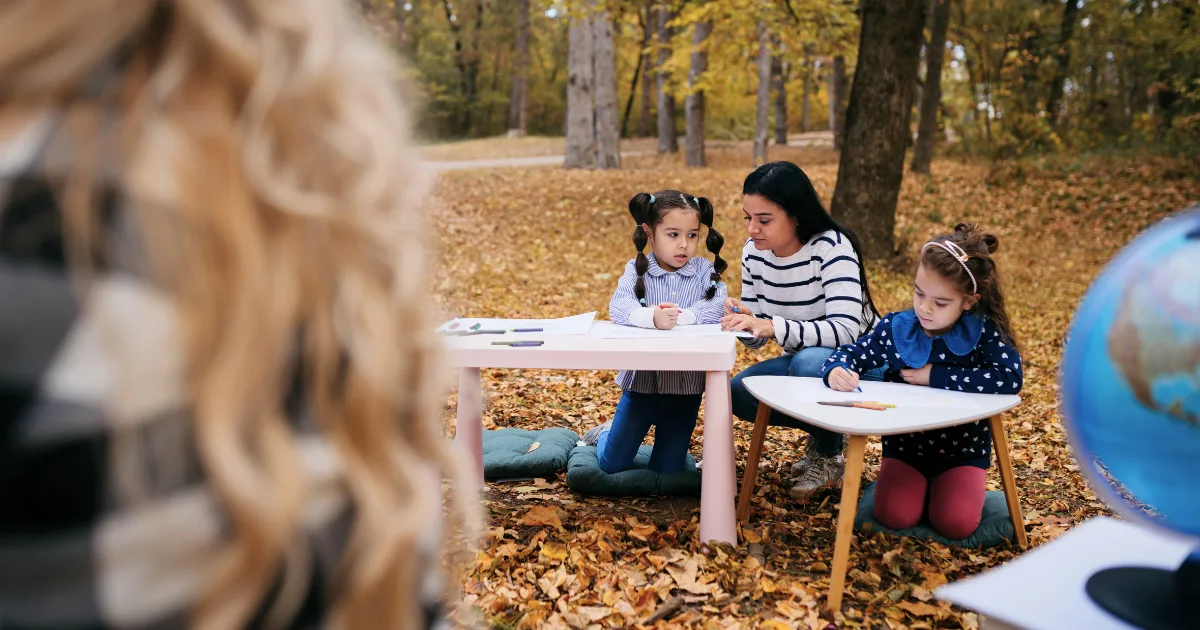
Indoor-outdoor connections that bring nature into the creative process
Home Studio of Artist Lisa Congdon
Illustrator and author Lisa Congdon has created a home studio that maximizes creativity in a modest space:
Color-coordinated supplies that create visual harmony
Vertical storage that keeps frequently used items within reach
Rotating gallery wall for inspiration and finished pieces
Designated zones for different types of creative work
The Transformative Power of Thoughtful Art Spaces
A well-designed art space does more than organize supplies—it communicates values, inspires exploration, and facilitates creative risk-taking. As artist and educator Elliot Eisner beautifully stated, “The arts teach children that problems can have more than one solution and that questions can have more than one answer.”
By creating environments that honor creative expression, we send powerful messages about the importance of art in our lives and communities. Whether you’re setting up a classroom art center, a home creative corner, or a professional studio, remember that the space itself is a canvas—one that can inspire, support, and celebrate the artistic journey.
What changes might you make to your creative space this week? Sometimes the smallest adjustments—reorganizing materials by color, adding a plant, or creating a dedicated display area—can breathe new life into artistic practice and expression.
What elements have you found most important in your creative spaces? Share your experiences and questions in the comments below!