Cooking in the Classroom: No-Heat Recipes That Teach Math and Science
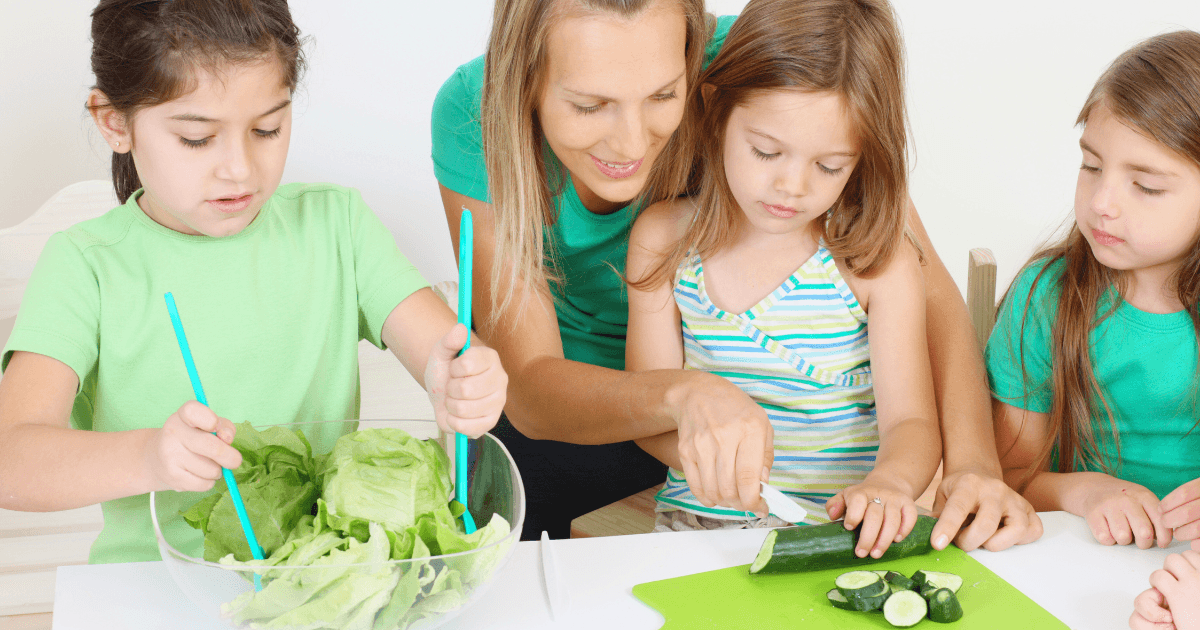
The kitchen has long been called the heart of the home, but it’s also a natural laboratory and math center. When we bring cooking into the classroom through no-heat recipes, we transform ordinary lessons into engaging, multisensory experiences that children eagerly embrace. Suddenly, fractions aren’t just numbers on a worksheet—they’re the difference between a delicious snack and a too-salty disaster!
“Cooking activities create meaningful context for abstract concepts,” explains elementary educator Maya Rodriguez. “When children measure, mix, and observe changes in ingredients, they’re not just following recipes—they’re conducting science experiments and solving mathematical problems in real time.”
The beauty of no-heat recipes is that they eliminate safety concerns associated with hot surfaces while still providing rich learning opportunities. Let’s explore how to turn your classroom into a culinary laboratory with recipes that naturally integrate math and science concepts.
Counting and numeracy: counting ingredients, following numbered steps
Measurement: using standard and non-standard units
Fractions: working with half, quarter, and third cups
Time: tracking preparation times, observing changes over time
Sequencing: following steps in order
Estimation: approximating amounts and results
Data collection: recording observations and results
Science Concepts Explored Through Cooking:
States of matter: observing liquids, solids, and how they interact
Chemical reactions: watching ingredients combine and change
Physical changes: cutting, mixing, dissolving
Life science: discussing food origins and plant parts
Nutrition: learning about food groups and healthy eating
Sensory exploration: describing tastes, textures, and smells
Setting Up Your Classroom Kitchen
Before introducing cooking activities, establish these systems for smooth implementation:
Essential Equipment
Measuring cups and spoons (clear plastic for better visibility)
Child-safe knives and scissors
Mixing bowls of various sizes
Cutting boards (color-coded for food safety)
Squeeze bottles for liquid ingredients
Plastic tablecloths or trays to define workspaces
Sanitizing wipes or spray for cleanup
Small containers for pre-measured ingredients
Classroom Management Strategies
Create visual recipe cards with pictures for each step
Establish clear hand-washing routines
Assign specific roles (measurer, mixer, recorder, etc.)
Use small groups (4-6 students) for cooking activities
Create a designated cooking area away from papers and books
Practice “mise en place”—preparing and organizing all ingredients before beginning
“I use plastic photo frames to hold recipe cards,” shares first-grade teacher James Chen. “This keeps them clean during messy activities, and children can check off steps with dry-erase markers as they complete them.”
No-Heat Recipes by Subject Area
Let’s explore no-heat recipes specifically designed to teach different math and science concepts:
Recipes for Teaching Measurement
Rainbow Fruit Parfaits
This layered treat teaches precise measurement and volume concepts.
Ingredients (per student):
1/4 cup vanilla yogurt
2 tablespoons granola
1/4 cup colorful fruit pieces (strawberries, mandarin oranges, blueberries, kiwi)
Small clear cup or container
Measuring cups and spoons
Math/Science Connections:
Practice using standard measurements
Discuss fractions (1/4 cup, 1/2 cup)
Explore volume (does 1/4 cup of different fruits take up the same space?)
Create patterns with layers
Discuss the food groups represented
Process:
Students measure yogurt and add it to the bottom of their cup
Measure and add granola for the second layer
Measure and arrange fruit for the top layer
Observe how the layers interact (Do any colors blend? Do juices from the fruit change the yogurt?)
Measurement Extension Activity:
Have students predict how many berries equal 1/4 cup, then test their predictions. Create a class graph comparing the number of different fruits that fit in the same measuring cup to explore concepts of size and volume.
Recipes for Teaching States of Matter
Magic Milk Art
This activity explores surface tension and chemical reactions.
Materials (for small groups):
Shallow dish or plate
Whole milk (enough to cover the bottom of the dish)
Food coloring (several colors)
Liquid dish soap in small containers
Cotton swabs
Math/Science Connections:
Observe interactions between liquids
Discuss surface tension
Explore color mixing and patterns
Practice making and testing predictions
Introduce the concept of molecules
Process:
Pour enough milk to cover the bottom of the dish
Add drops of different food colors to the milk (don’t stir)
Dip a cotton swab in dish soap
Touch the soap-covered swab to the surface of the milk
Observe and record what happens
Science Discussion Points:
Why does the food coloring move when touched with soap?
What happens when colors mix?
How long does the reaction continue?
What variables could we change to affect the results?
Recipes for Teaching Patterns and Sequencing
Sandwich Stackers
This simple activity reinforces pattern recognition and sequencing.
Students arrange ingredients in a pattern (e.g., cracker, cheese, cucumber, carrot, repeat)
Draw the pattern on paper before assembling
Assemble the sandwich following the pattern
Share patterns with classmates
Math Extension Activity: Challenge older students to create AB, ABB, or AABB patterns with their ingredients, then have classmates identify the pattern rule. Discuss how patterns help us predict what comes next.
Recipes for Teaching Data and Graphing
Taste Test Exploration
This activity introduces data collection, graphing, and sensory science.
Materials:
3-4 varieties of a similar food (apple varieties, different crackers, etc.)
Small cups for samples
Graphing materials (sticky notes, chart paper)
Recording sheets
Math/Science Connections:
Collect and organize data
Create and interpret graphs
Use descriptive vocabulary
Make comparisons
Discuss sensory properties
Process:
Students taste each sample and record observations
Rate preferences on a scale of 1-5
Place a sticky note on the class graph to show their favorite
Analyze the results as a class
Calculate the most and least popular options
Data Extension Activity: Create different types of graphs (pictograph, bar graph, pie chart) using the same data. Discuss which type of graph best represents the information and explain why.
Recipes for Teaching Chemical Reactions
No-Bake Energy Bites
This recipe demonstrates how ingredients bind together through physical changes.
Ingredients (for small groups):
1 cup rolled oats
1/2 cup nut or seed butter
1/3 cup honey or maple syrup
1/4 cup mini chocolate chips
1/4 cup ground flaxseed
Mixing bowl
Measuring cups
Mixing spoon
Small scoop or spoon for forming balls
Math/Science Connections:
Practice precise measurement
Observe how ingredients combine
Discuss binding properties
Explore nutrition and energy
Calculate yield and serving size
Process:
Measure all ingredients into the bowl
Mix thoroughly until combined
Chill mixture for 15-30 minutes (if time allows)
Roll into 1-inch balls
Count the total yield and calculate how much each student receives
Math Extension Activity: Calculate how many batches would be needed for the whole school. Practice multiplying the recipe for different serving sizes (double, triple, half).
Age-Appropriate Adaptations
The beauty of cooking activities is that they can be adjusted for different age groups:
Safety is paramount when bringing food into the classroom:
Survey families about allergies and restrictions before planning
Choose recipes that can be easily adapted for common allergies
Label all ingredients clearly and check packaged foods
Create allergen-free zones if necessary
Have alternative ingredients ready for students with restrictions
Teach respect for different dietary needs
According to I’m The Chef Too, substitutions such as sunflower seed butter for peanut butter or coconut yogurt for dairy yogurt can make recipes accessible to most students while maintaining their educational value.
Cross-Curricular Connections
Extend the learning beyond math and science with these cross-curricular ideas:
Literacy Connections
Write procedural texts explaining recipes
Create recipe books with illustrations
Research food origins and cultural significance
Read books about food and cooking
Social Studies Connections
Explore recipes from different cultures
Discuss food traditions and celebrations
Map the origins of ingredients
Learn about agriculture and food production
Art Connections
Design decorative recipe cards
Create food-based art (like vegetable prints)
Photograph finished recipes for documentation
Design menus or restaurant concepts
Classroom Management Tips for Successful Cooking Activities
Keep these strategies in mind for smooth implementation:
Prep thoroughly before students arrive
Model each step before students begin
Use visual timers to manage activity pacing
Establish cleanup routines and expectations
Take photos of the process for documentation
Have a plan for leftover ingredients and finished products
“I use muffin tins to organize pre-measured ingredients for each group,” explains third-grade teacher Sofia Patel. “This dramatically reduces chaos and allows students to focus on the process rather than waiting for materials.”
The most valuable aspect of classroom cooking goes beyond the mathematical calculations or scientific observations. When children prepare food together, they develop confidence, independence, and life skills that extend far beyond the classroom.
As they measure, mix, and create, students also build communication skills, practice cooperation, develop cultural awareness, and experience the satisfaction of creating something with their own hands. For many children, these activities may be their first opportunity to prepare food and develop a positive relationship with healthy eating.
So while your students might think they’re just making a tasty snack, they’re actually engaged in rich, multisensory learning that connects abstract concepts to real-world applications. That’s the true magic of bringing cooking into the classroom—creating joyful learning experiences that nourish both mind and body.
What no-heat recipes have you successfully implemented in your classroom? Share your experiences in the comments below!