The Connection Between Physical Movement and Cognitive Development
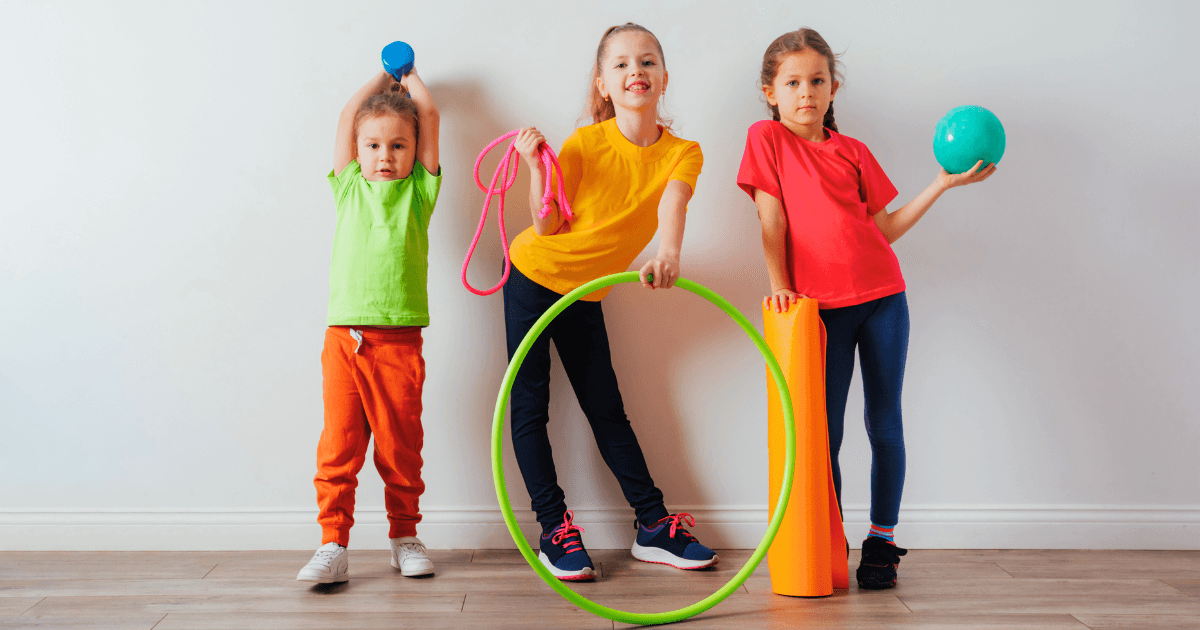
When we watch children at play—climbing, running, jumping, or even just fidgeting in their seats—we’re witnessing much more than just the burning of excess energy. What may look like simple physical movement is actually a complex process that’s actively shaping their developing brains.
“Movement isn’t just about physical health; it’s literally building the brain from the inside out,” explains Dr. Sarah Johnson, a neuroscientist specializing in child development. “Every time a child engages in physical activity, they’re creating and strengthening neural pathways that support cognitive growth.”
The relationship between physical movement and cognitive development has gained increasing attention from researchers, educators, and parents alike. Let’s explore this fascinating connection and discover how movement shapes thinking, learning, and problem-solving abilities throughout childhood.
The Science Behind Movement and Cognition
To understand why physical activity is so crucial for cognitive development, we need to look at what’s happening in the brain when children move.
Neural Connections and Brain Architecture
Research from the National Institutes of Health reveals that movement behaviors, including physical activity, are fundamental to early childhood development and influence cognitive and emotional well-being in young children.
When children engage in physical activities:
New neural pathways form: The brain creates connections between neurons, establishing networks that support both motor and cognitive functions.
Existing pathways strengthen: Repeated movements reinforce neural connections, making them more efficient.
Brain regions communicate: Motor activities activate multiple brain regions simultaneously, promoting integration between areas responsible for movement, cognition, and emotion.
According to the Virtual Lab School, the brain grows from 25% of its adult size at birth to a remarkable 90% by age 5, with early-life interactions helping infants form connections that improve coordination and cognitive abilities.
Neurochemical Benefits
Physical activity triggers the release of several important brain chemicals:
Brain-Derived Neurotrophic Factor (BDNF): Often called “brain fertilizer,” BDNF supports the growth and maintenance of brain cells, particularly in the hippocampus—a region crucial for learning and memory.
Neurotransmitters: Exercise stimulates the release of dopamine, serotonin, and norepinephrine, which enhance mood, attention, and motivation.
Endorphins: These natural mood elevators reduce stress and create positive feelings that support learning.
Recent research published in Neuroscience indicates that physical activity upregulates serotonin through increased synthesis of substrates and gut microbiota diversity, playing a pivotal role in early neurogenesis and synaptic plasticity.
Blood Flow and Oxygenation
Movement increases blood flow to the brain, delivering oxygen and nutrients that support cognitive function:
Enhanced oxygen delivery: More oxygen means more efficient brain cell function.
Increased cerebral blood flow: A study cited by Auctores Online found that a three-month exercise regimen can increase blood flow to brain areas involved in memory and learning by 30%.
Growth of cerebral capillaries: Regular physical activity promotes the growth of tiny blood vessels in the brain, improving overall brain health.
Cognitive Benefits Across Developmental Stages
The impact of physical movement on cognition varies across different developmental stages. Let’s explore how movement influences cognitive development from infancy through elementary school years.
Infants (0-12 months)
For infants, movement is their primary way of exploring and understanding the world:
Sensorimotor development: As described in Piaget’s theory of cognitive development, infants learn through movements and sensations such as sucking, grasping, looking, and listening.
Cause-and-effect understanding: When babies kick a mobile or shake a rattle, they begin to understand that their actions have consequences—a foundational cognitive skill.
Spatial awareness: Crawling and reaching help infants develop an understanding of distance, depth, and their own body in space.
Activities like tummy time, reaching for objects, and freedom to move and explore are crucial during this stage.
Toddlers (1-3 years)
As children begin to walk and explore more independently, movement continues to drive cognitive growth:
Symbolic thinking: According to Piaget’s preoperational stage, toddlers begin using words and images to represent objects, a skill that develops alongside increasing physical abilities.
Problem-solving: Simple physical challenges, such as figuring out how to climb onto a sofa or retrieve a toy from under a table, develop critical thinking skills.
Language development: Movement experiences provide rich contexts for language acquisition, as children learn words related to actions, directions, and spatial concepts.
Activities like obstacle courses, dance, and outdoor exploration support cognitive development at this stage.
Preschoolers (3-5 years)
The preschool years represent a critical period for both physical and cognitive development:
Executive function: According to research from Penn State Thrive, activities involving balance and spatial awareness help children integrate sensory inputs and refine attention and concentration skills.
Memory enhancement: Movement activities that follow sequences help strengthen working memory.
Cognitive flexibility: Games that require changing rules or adapting movements develop the ability to shift thinking and adjust to new situations.
A study published in Scientific Reports found that coordination exercises showed the largest effect size (Cohen’s d = 0.89) for enhancing executive functions in children aged 7-12, highlighting the importance of movement that challenges coordination skills.
Elementary School Children (6-12 years)
As children enter formal schooling, the cognitive benefits of physical activity become increasingly evident:
Academic performance: Research consistently shows that physically active children perform better academically, particularly in mathematics and reading.
Attention and focus: According to Whole Child Counseling, studies suggest that children who engage in short bouts of physical activity in the classroom show improved on-task behavior, especially those who are initially less focused.
Information processing: Regular physical activity enhances the speed and efficiency of cognitive processing.
A meta-analysis published in Frontiers in Psychology found significant improvements across multiple cognitive domains among adolescents who participated in physical exercise interventions, including executive function, attention, cognitive flexibility, inhibitory control, and working memory.
Types of Movement That Enhance Cognitive Development
Not all physical activities affect the brain in the same way. Different types of movement engage different neural pathways and cognitive processes:
Aerobic Activities
Activities that raise the heart rate for sustained periods:
Running, swimming, cycling, dancing
Enhance overall brain health and function
Particularly beneficial for attention and processing speed
According to the Frontiers in Psychology meta-analysis, aerobic exercise had the greatest impact on cognitive function, with an effect size of 0.53, particularly on executive function and attention.
Coordination Activities
Movements that require precise control and coordination:
Balance beams, obstacle courses, dance, and gymnastics
Develop the cerebellum and its connections to the prefrontal cortex
The Scientific Reports study found that coordination exercises were most effective for enhancing executive functions in school-aged children.
Rhythmic Activities
Activities with consistent patterns or beats:
Dancing, marching, clapping games, jumping rope
Strengthen neural networks involved in timing and sequencing
Support mathematical thinking and language processing
Cross-Body Movements
Activities that cross the body’s midline:
Cross-crawls, windmills, reaching across the body
Promote communication between the brain’s hemispheres
Support reading, writing, and whole-brain thinking
Fine Motor Activities
Small, precise movements:
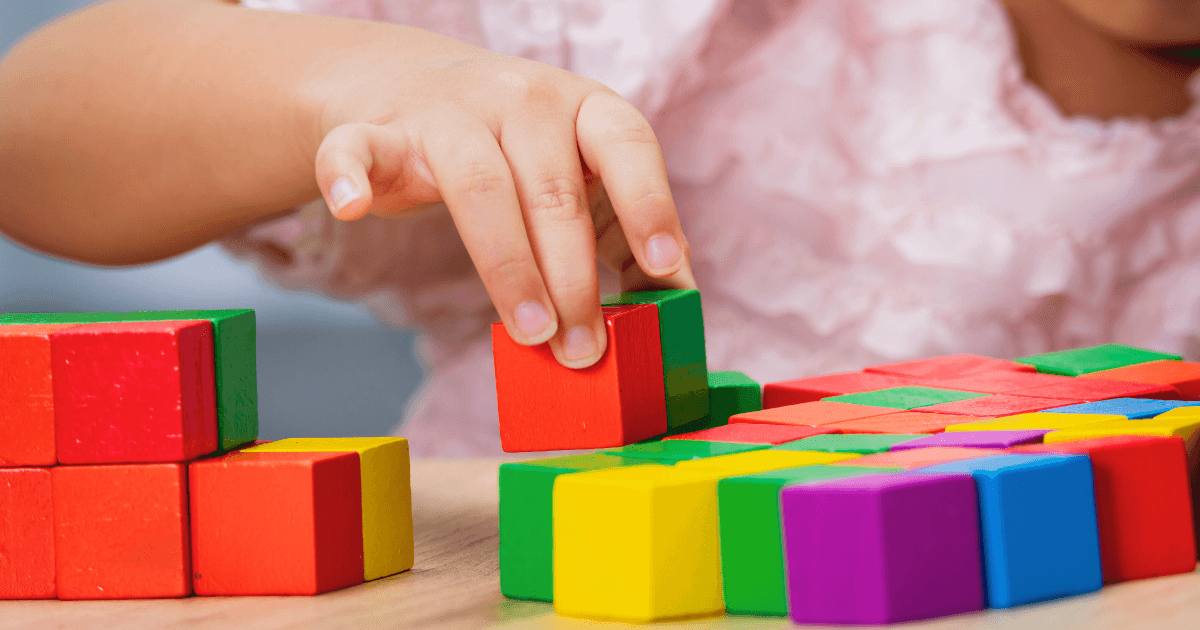
Drawing, cutting, and manipulating small objects
Develop the motor cortex areas that control hand movements
Support writing, artistic expression, and detailed work
Practical Applications: Incorporating Movement for Cognitive Growth
Understanding the connection between movement and cognition is valuable, but the real question is: How can we apply this knowledge to support children’s development? Here are practical strategies for different settings:
At Home
Parents can incorporate movement into daily routines:
Morning movement rituals: Start the day with stretching, yoga poses, or a dance party to prime the brain for learning.
Active learning: Practice spelling words while bouncing a ball, recite math facts while jumping rope, or act out stories.
Movement breaks: Encourage short bursts of physical activity between homework or screen time sessions.
Family activity time: Schedule regular family walks, bike rides, or backyard games.
According to Positive Psychology, physical exercise positively influences cognition and is important for brain consolidation, making these movement opportunities valuable for cognitive development.
In the Classroom
Educators can integrate movement throughout the school day:
Brain breaks: Short movement activities between lessons help reset attention and improve focus. The OT Toolbox notes that well-timed brain breaks can reset the nervous system and improve concentration on learning tasks.
Movement-based learning: Teach concepts through movement, such as acting out the water cycle, forming letters with bodies, or using movement to represent mathematical operations.
Active seating: Allow flexible seating options that permit some movement, such as stability balls or wobble stools.
Outdoor learning: Take lessons outside when possible to combine learning with physical activity.
Research cited by Whole Child Counseling found that physically fit students are 27% more likely to be proficient in math and 24% more likely to be proficient in reading.
For Children with Special Needs
Movement can be particularly beneficial for children with various learning or developmental differences:
Sensory processing challenges: Movement activities that provide proprioceptive input (heavy work) can help regulate the nervous system.
ADHD: Regular physical activity can improve attention and reduce hyperactivity.
Autism spectrum disorders: Structured movement activities can support motor planning, social interaction, and emotional regulation.
The Autism Helper suggests that gross motor activities, such as playing catch with beach balls, can enhance receptive and expressive language skills while promoting physical movement.
Overcoming Barriers to Physical Activity
Despite the clear benefits of movement for cognitive development, several barriers can limit children’s physical activity:
Limited Time
With academic pressures and busy schedules, physical activity is often sacrificed:
Solution: Integrate movement into existing routines rather than viewing it as an “extra.” Even short movement breaks (3-5 minutes) can be beneficial.
Technology and Sedentary Lifestyles
Screen time often displaces active play:
Solution: Establish clear limits on screen time and create technology-free zones and times. Look for active video games that require physical movement when using technology.
Safety Concerns
Worries about outdoor safety can limit physical play opportunities:
Solution: Create safe indoor spaces for movement, join community programs under supervision, or organize neighborhood play groups where adults can share supervision duties.
Lack of Resources
Not all families have access to equipment or safe play spaces:
Solution: Focus on no-equipment activities like dancing, yoga, or games like tag and hide-and-seek. Advocate for community resources like parks and recreation programs.
The Future of Movement and Cognitive Development Research
Research in this field continues to evolve, with exciting developments on the horizon:
Personalized Movement Prescriptions
Emerging research suggests that different types of physical activity may benefit distinct cognitive functions, potentially leading to personalized “movement prescriptions” tailored to a child’s specific cognitive needs.
Technology Integration
Innovations like exergaming (video games that require physical movement) show promise for combining technology’s engagement with the benefits of physical activity. A meta-analysis found that exergaming showed the largest significant effect on object control skills and had a significant positive effect on working memory.
Long-term Studies
Researchers are increasingly tracking the long-term cognitive benefits of childhood physical activity into adulthood. A study from UT Southwestern suggests that high levels of physical activity may mitigate brain loss in adults and help maintain long-term cognitive health, indicating that the benefits of childhood movement may extend throughout life.
Conclusion: Movement as Essential Nourishment for the Growing Brain
The evidence is clear: physical movement isn’t just beneficial for children’s physical health—it’s essential nourishment for their developing brains. From the earliest infant movements to the complex physical activities of older children, movement shapes cognitive abilities in profound and lasting ways.
As parents, educators, and caregivers, we can support children’s cognitive development by ensuring they have ample opportunities for a variety of physical activities throughout their day. By understanding that movement and cognition are inextricably linked, we can move beyond viewing physical activity as merely “letting off steam” and recognize it as a powerful tool for building brighter, more capable minds.
In a world that increasingly values cognitive abilities, perhaps one of the best things we can do for our children’s intellectual development is surprisingly simple: let them move.
How do you incorporate movement into your child’s day? Share your experiences and ideas in the comments below!