Nature-Based Curriculum: Integrating the Outdoors Into Every Subject
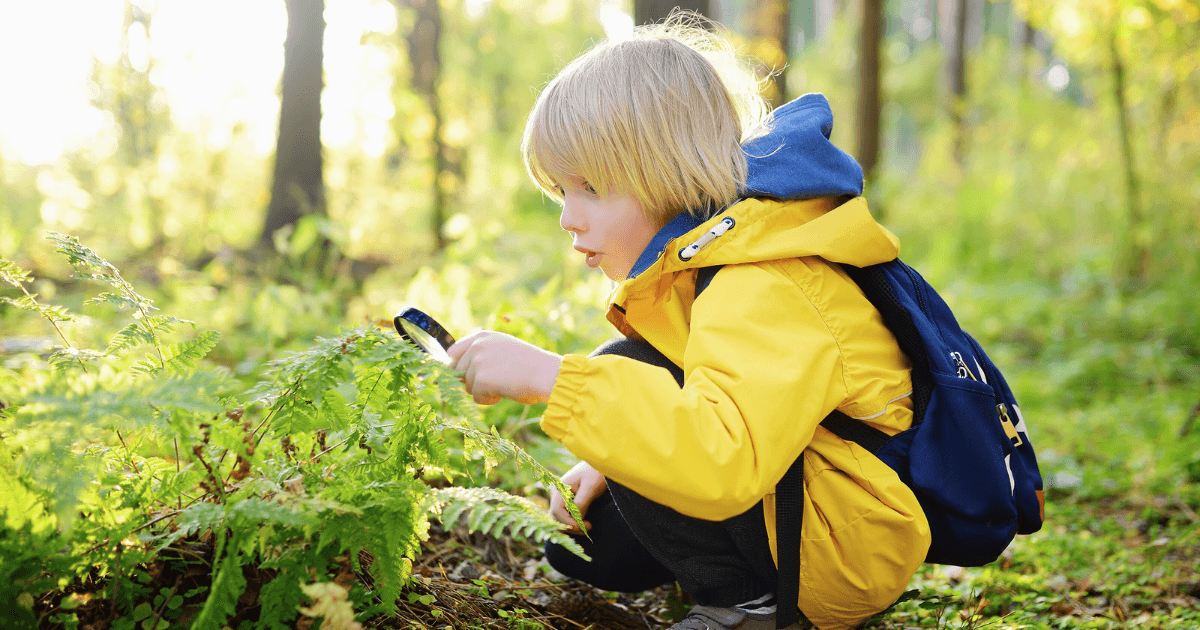
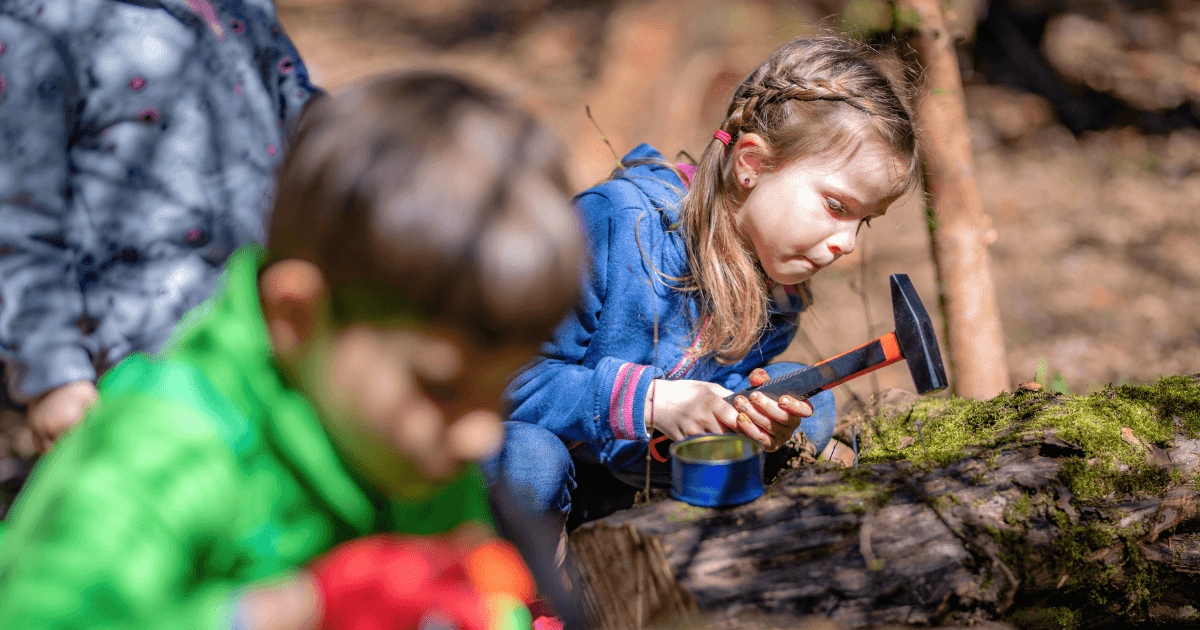
Last spring, I watched as Mia, a typically reserved four-year-old in my class, carefully examined a fallen log in our outdoor classroom. “Teacher, look!” she exclaimed, pointing to a line of ants carrying tiny bits of leaves. What followed was a spontaneous 20-minute investigation involving magnifying glasses, drawings, questions, and theories from a group of suddenly captivated preschoolers.
This moment—unplanned yet profoundly educational—exemplifies the magic of nature-based learning. The outdoor environment wasn’t just a setting for play; it became our classroom, laboratory, art studio, and library all at once.
As early childhood educators, we’re increasingly recognizing the transformative power of integrating nature into our teaching. According to the book by Monica Wiedel-Lubinski, “Nature-Based Early Childhood Education” (released in September 2025), nature-based learning is more than just “outdoor time”—it’s a distinct educational philosophy that can be woven into every aspect of our curriculum.
Let’s explore how to meaningfully integrate the outdoors into each subject area, creating a holistic approach that nurtures children’s development while fostering a deep connection to the natural world.
Why Nature-Based Learning Matters
Before diving into specific strategies, let’s consider why this approach is so valuable for young children.
Research compiled by Theoria Technical highlights multiple benefits of nature-based education:
- Physical health: Outdoor environments encourage movement, developing motor skills, strength, and coordination while reducing obesity risk.
- Cognitive development: Nature provides rich contexts for problem-solving, critical thinking, and scientific inquiry.
- Emotional well-being: Natural settings reduce stress and anxiety while improving mood and attention.
- Social skills: Outdoor play creates unique opportunities for collaboration, communication, and negotiation.
- Environmental stewardship: Early positive experiences in nature foster lifelong environmental awareness and responsibility.
- Creativity and imagination: Natural materials offer open-ended possibilities that manufactured toys cannot match.
As Lisa, a veteran preschool teacher in Portland, shared with me: “Since transitioning to a nature-based approach, I’ve seen improvements in everything from children’s vocabulary to their conflict resolution skills. The outdoor environment seems to bring out the best in them—and in me as a teacher.”
Creating a Nature-Based Approach to Each Subject Area
Language Arts & Literacy
The natural world is filled with opportunities to develop language and literacy skills:
Outdoor Storytelling Spaces
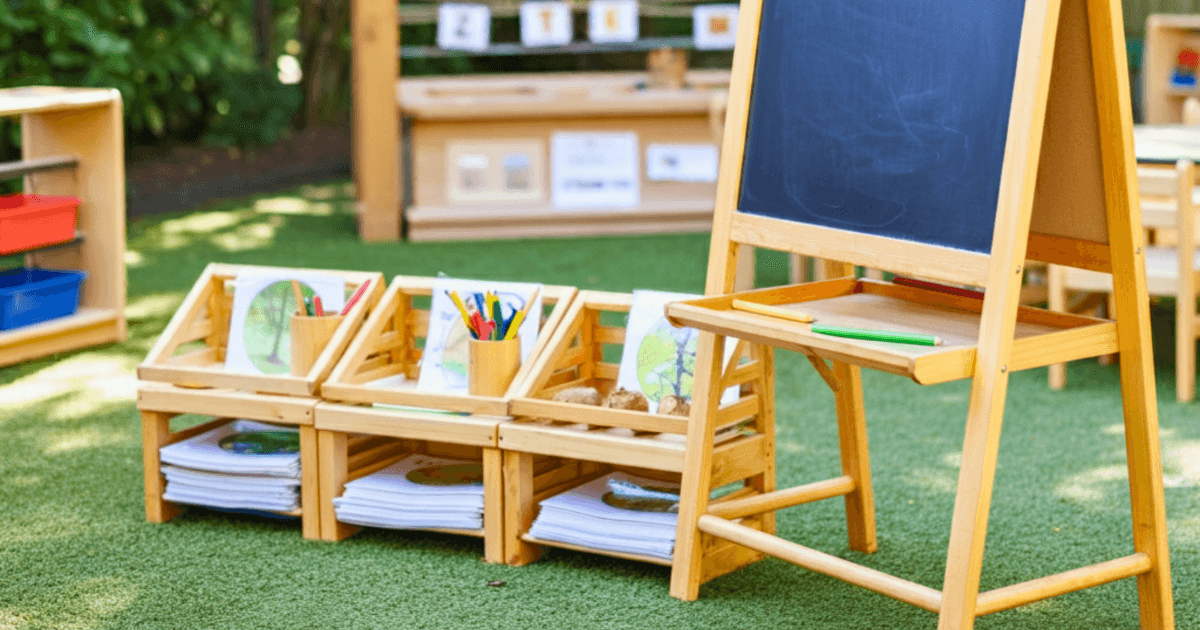
Create a designated storytelling area using logs as seating, a weatherproof storage box for books, and natural materials for story props. Select books that connect to your outdoor environment or seasonal changes.
Try this: After reading “The Giving Tree” by Shel Silverstein, invite children to find their own “special tree” to visit throughout the year,documenting changes through drawings and dictated stories.
Nature Journals
Even young children can maintain simple nature journals using a combination of drawings, collected items (pressed leaves, flower petals), and teacher-transcribed observations.
Try this: Provide clipboards with paper and drawing materials during outdoor exploration time. Encourage children to draw what they observe, then sit together to discuss and document their findings with words (either written by them or transcribed by you).
Alphabet and Vocabulary Building
Use natural materials to create letters, or go on alphabet hunts in nature (A for ant, B for bird, etc.).
Try this: Create a “Nature Word Wall” with photographs of discoveries in your outdoor space paired with words. Add to this collection throughout the year, creating a rich vocabulary resource.
Mathematics
Nature provides authentic contexts for mathematical thinking:
Counting and Numeracy
Natural objects make perfect counting materials—pinecones, acorns, rocks, and sticks can be sorted, counted, and used for simple operations.
Try this: Create a “Nature Math Toolkit” with containers for collecting and sorting, string for measuring, and a scale for weighing found objects. Challenge children to find “five smooth stones” or “three items smaller than your thumb.”
Patterns and Sequences
Nature is full of patterns—in leaves, flowers, spider webs, and weather cycles.
Try this: Collect fallen items like leaves, petals, and sticks to create pattern sequences. Photograph these patterns to create pattern cards that can be used indoors as well.
Measurement and Comparison
Use natural references for non-standard measurement—”How many pinecones long is this log?” or “Is this leaf wider or narrower than your hand?”
Try this: Create a growth chart for plants in your garden using sticks marked with measurement lines. Document growth weekly through photos and measurements.
Science
Perhaps the most obvious connection, science comes alive in outdoor settings:
Weather Station
Create a simple weather station with a rain gauge, wind sock, and thermometer. Record observations daily and look for patterns over time.
Try this: Make weather prediction charts based on cloud observations, then check back to see if predictions were accurate. This builds both scientific thinking and early data analysis skills.
Life Cycles and Seasonal Changes
Document changes in plants, insects, and animals throughout the seasons.
Try this: Adopt a small area of your outdoor space as a “research plot.” Photograph the same spot weekly or monthly, creating a visual timeline of seasonal changes that children can analyze and discuss.
Physical Science Explorations
Explore concepts like motion, force, and properties of materials using natural elements.
Try this: Create ramps of different inclines using logs and boards. Test how far different natural objects (pinecones, round stones, acorns) roll. Document results with chalk markings or string measurements.
Social Studies
Nature-based approaches create rich contexts for understanding communities, geography, and culture:
Mapping Skills
Create simple maps of your outdoor space, gradually adding details as children become familiar with mapping concepts.
Try this: Hide “nature treasures” in your outdoor area and create a simple treasure map with landmarks for children to follow. As they become more skilled, let them create maps for each other.
Cultural Connections to Nature
Explore how different cultures interact with and celebrate nature.
Try this: Research how local indigenous communities traditionally used plants and natural resources in your region. Invite community members to share stories and knowledge when possible.
Community and Stewardship
Develop projects that allow children to care for their environment and connect with the broader community.
Try this: Create a “Kindness Garden” where children plant flowers specifically to attract pollinators or provide food for birds. Document the visitors to this garden and discuss the interconnectedness of living things.
Art
Natural environments provide endless inspiration and materials for artistic expression:
Nature Art Studio
Designate an outdoor area with stumps as work surfaces and collections of natural materials for artistic creation.
Try this: Introduce the work of environmental artists like Andy Goldsworthy, then invite children to create their own ephemeral art using leaves, stones, sticks, and flowers. Document these creations with photographs before nature reclaims the materials.
Natural Pigments and Tools
Experiment with creating art tools and pigments from natural materials.
Try this: Make paintbrushes using sticks and different natural materials (pine needles, grass, flowers) tied with string. Test how each brush creates different marks and textures.
Sensory Art Experiences
Engage multiple senses in artistic exploration.
Try this: Create “sound maps” where children sit quietly in different outdoor locations, listening carefully and drawing symbols to represent the sounds they hear in each spot.
Music and Movement
The outdoors provides unique opportunities for musical exploration and physical expression:
Natural Music Makers
Create simple instruments using natural materials or find ways to make music with elements in your environment.
Try this: Hangdurable items like metal lids, bamboo pieces, or driftwood to create an outdoor music wall that can be played with sticks or hands.
Movement Inspired by Nature
Use natural phenomena as inspiration for creative movement.
Try this: Observe how different animals move, then create a “Nature Movement Journey” where children transform from seeds sprouting to trees swaying in the wind to birds soaring through the sky.
Outdoor Sound Exploration
Investigate how sounds change in different outdoor environments.
Try this: Record sounds from different outdoor locations, then create a guessing game where children identify where each sound was recorded. Discuss why sounds might be different in various locations.
Practical Implementation: Starting Small and Building
Transitioning to a nature-based curriculum doesn’t require an immediate overhaul of your entire program. According to the Wonder Garden Curriculum, a flexible approach that allows children to explore at their own pace is most effective. Here are strategies for beginning your journey:
1. Start with a Single Subject Area
Choose one curricular area that feels most comfortable for outdoor integration. Perhaps begin with science investigations or art activities, then gradually expand to other subjects as you build confidence.
2. Create an Outdoor Teaching Kit
Assemble basic supplies that support outdoor learning:
- Clipboards and weatherproof paper
- Magnifying glasses and binoculars
- Collection containers
- Field guides (with pictures for non-readers)
- First aid supplies
- Sit-upons or small tarps for gathering
Having these materials ready makes spontaneous outdoor learning more manageable.
3. Establish Outdoor Routines and Boundaries
Children thrive with clear expectations. Establish consistent routines for outdoor learning time:
- Physical boundaries for exploration
- Signal for gathering (a bell or special song)
- Protocols for handling living things respectfully
- Procedures for using tools and materials
4. Document and Display Outdoor Learning
Make outdoor learning visible through documentation:
- Photo sequences of projects and discoveries
- Children’s drawings and dictations about outdoor experiences
- Collections of natural items with labels
- Questions generated during outdoor exploration
This documentation helps communicate the value of nature-based learning to families and colleagues while creating opportunities for children to revisit and extend their thinking.
5. Connect with Existing Standards and Requirements
Nature-based learning isn’t separate from educational standards—it’s a powerful context for meeting them. Create a simple chart showing how your outdoor activities align with required learning standards or developmental milestones.
As Nature Explore notes, their approach is based on decades of research and collaboration with children, teachers, and families, demonstrating that nature-based learning can be both academically rigorous and developmentally appropriate.
Addressing Common Challenges
Implementing nature-based curriculum comes with challenges. Here’s how to address common concerns:
Weather and Seasonal Variations
Challenge: Extreme weather conditions can limit outdoor time.
Solution: Embrace the Norwegian saying, “There’s no such thing as bad weather, only bad clothing.” Create a lending library of outdoor gear for children who may not have appropriate clothing. Also, develop indoor nature connections for truly inclement weather—bringing natural materials inside, setting up window bird feeders, or creating nature investigation stations.
Safety Concerns
Challenge: Outdoor environments may present unfamiliar risks.
Solution: Conduct thorough safety assessments of your outdoor spaces, removing truly hazardous elements while preserving appropriate risk-taking opportunities. Develop clear safety guidelines and teach children to assess risks independently. Remember that calculated risk-taking in nature builds confidence and judgment.
Limited Outdoor Space
Challenge: Not all early childhood settings have access to natural areas.
Solution: Even small spaces can be enriched with natural elements. Add planters, bird feeders, or a small water feature. Partner with nearby parks or green spaces for regular visits. Transform a corner of a paved playground with loose parts from nature and potted plants.
Family and Administrative Buy-In
Challenge: Some stakeholders may not understand the value of nature-based learning.
Solution: Document and share the learning happening outdoors. Connect nature-based activities explicitly to learning standards and developmental goals. Invite families and administrators to participate in outdoor learning experiences to witness the engagement and depth of learning firsthand.
The Future of Nature-Based Early Childhood Education
According to the National Association for the Education of Young Children (NAEYC), nature-based education is gaining recognition for its benefits to children’s health and development. The 2025 publication by Monica Wiedel-Lubinski promises to further establish nature-based early childhood education as a distinct and valuable educational approach.
As early childhood educators, we have a unique opportunity to reconnect children with the natural world at a time when such connection is increasingly rare yet desperately needed. By thoughtfully integrating nature into every subject area, we’re not just enriching our curriculum—we’re nurturing the development of children who feel at home in the natural world and are prepared to become its future stewards.
Getting Started: Your Next Steps
Ready to begin integrating nature into your curriculum? Here are three simple steps to start your journey:
- Conduct an outdoor inventory: What natural elements already exist in your space? What could be added with minimal resources? Where are the opportunities for learning?
- Choose one activity from this article to try next week. Start small and build from success.
- Connect with others: Join online communities of nature-based educators to share ideas and challenges. The Eastern Region Association of Forest and Nature Schools (ERAFANS) and similar organizations provide valuable resources and support.
Remember, as with any meaningful change in teaching practice, transitioning to a nature-based approach is a journey, not a destination. Each small step brings you and your children closer to the rich learning opportunities waiting just outside your classroom door.
What nature-based activities have you tried in your early childhood setting? Share your experiences in the comments below!