The First 30 Days of Preschool: A Survival Guide for Parents and Children
The transition to preschool marks a significant milestone in both a child’s and a parent’s life. Those first 30 days can be filled with a whirlwind of emotions—excitement, anxiety, pride, and sometimes tears (from both children and parents!). Whether your little one is attending preschool for the first time or transitioning to a new program, this comprehensive survival guide will help you navigate the challenges and celebrate the triumphs of this important journey.
Before the First Day: Setting the Foundation for Success
The preparation you do in the weeks leading up to preschool can significantly impact how smoothly the transition goes. Here’s how to lay the groundwork for a positive experience:
Two Weeks Before: Building Excitement and Familiarity
1. Visit the preschool together
According to Texas Hearing, familiarizing your child with their new environment before the first day can significantly reduce anxiety. If possible:
Attend an orientation or open house
Schedule a personal tour with your child
Play on the playground if it’s accessible
Meet the teacher and see the classroom
“When children can visualize where they’re going, it removes some of the fear of the unknown,” explains early childhood specialist Dr. Maria Chavez. “Take photos during your visit that you can review together at home.”
2. Establish school-day routines
Begin adjusting your daily schedule to match what it will be during the school year:
Gradually shift wake-up times and bedtimes to align with the school schedule (adjust by 15 minutes each day)
Practice your morning routine, including breakfast at “school time”
Set up a designated area at home for backpacks and school items
Create a visual morning checklist with pictures of tasks like brushing teeth, getting dressed, and eating breakfast
3. Read books about starting preschool
Books can help children process their feelings about new experiences. Some excellent titles include:
The Kissing Hand by Audrey Penn
Llama Llama Misses Mama by Anna Dewdney
Pete the Kitty’s First Day of Preschool by James and Kimberly Dean
Maisy Goes to Preschool by Lucy Cousins
The Pigeon Has to Go to School! by Mo Willems
Read these stories repeatedly and discuss the characters’ feelings and experiences. Ask open-ended questions like, “How do you think the character felt when they first got to school?” and “What helped them feel better?”
One Week Before: Practical Preparations
1. Practice independence skills
According to Preschool Inspirations, children who can manage basic self-help tasks feel more confident in the classroom. Practice:
Opening and closing lunch containers and water bottles
Putting on and taking off jackets (the flip method works well for many children)
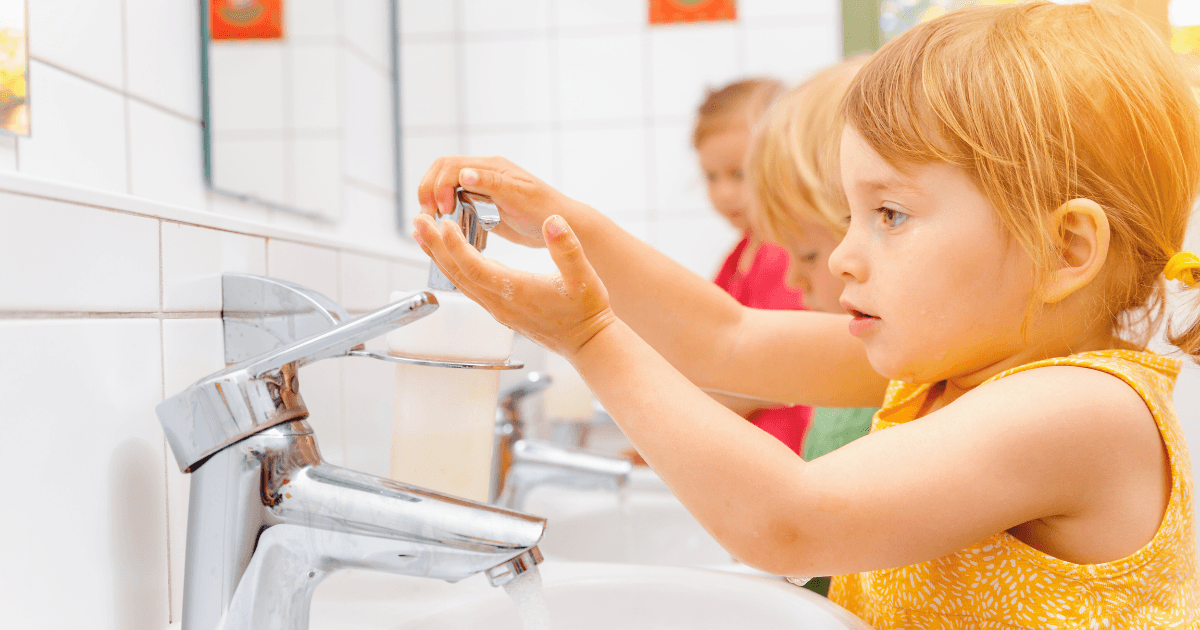
Using the bathroom independently, including hand washing
Putting on shoes (consider Velcro closures for beginners)
Zipping and unzipping backpacks
2. Create a visual countdown
Make a paper chain or calendar to count down the days until preschool starts. Remove one link or mark off one day each morning to build concrete anticipation that young children can understand.
3. Shop for supplies together
Involve your child in selecting their school supplies:
Let them choose their backpack and lunchbox
Pick out a special outfit for the first day
Purchase any required items from the school’s supply list
Label everything with your child’s name (a label maker is a worthwhile investment, according to Gerber ParentTalk)
A comfort object like a small smooth stone or special bracelet
A handkerchief with a drop of your perfume or cologne
5. Practice brief separations
If your child hasn’t spent much time away from you, begin practicing:
Arrange playdates where you leave for short periods
Have another trusted adult care for them while you run errands
Gradually increase separation time to build confidence
Always return when promised to build trust
The First Day: Navigating the Big Transition
The first day of preschool has arrived! Here’s how to make it as smooth as possible:
The Morning of Day One
1. Wake up early
Allow plenty of extra time to avoid rushing, which can increase anxiety for both you and your child. A calm morning sets a positive tone for the day.
2. Eat a nutritious breakfast
Choose protein-rich foods that provide sustained energy and help with focus and emotional regulation.
3. Take a “first day” photo
This tradition not only captures a precious memory but also positively marks the day’s importance.
4. Talk positively about what to expect
Remind your child about the fun aspects of preschool and acknowledge that it’s okay to have mixed feelings.
The Drop-Off
The moment of separation can be the most challenging part of the preschool transition. Research from the University of Texas Medical Branch offers these evidence-based strategies:
1. Create a goodbye ritual
Keep it consistent, brief, and positive
Example: “Hug, kiss, high-five, goodbye!”
Tell your child exactly when you’ll return in terms they understand (“after nap time” or “when the big hand is on the 3”)
2. Project confidence
Children take emotional cues from their parents. If you seem anxious or hesitant, they’ll pick up on those feelings.
Use a cheerful, matter-of-fact tone
Avoid showing your own anxiety or sadness
Save your tears for the parking lot (it’s normal to feel emotional!)
3. Never sneak away
While it might seem easier to slip out when your child is distracted, this can increase anxiety and break trust. Always say goodbye, even if it triggers tears.
4. Trust the teachers
Preschool teachers are experienced in helping children transition. According to Brightwheel, most children stop crying within minutes of their parents leaving.
5. Keep the goodbye short
Prolonged goodbyes often make separation harder. Once you’ve completed your goodbye ritual, leave promptly and confidently.
The First Week: Establishing Patterns
The first week is about creating routines and beginning the adjustment process. Here’s what to expect and how to handle it:
What to Expect
1. Emotional and physical fatigue
Meltdowns after school are common as children release tension
Earlier bedtimes may be needed temporarily
Some children may be extra clingy at home
Appetite changes are normal during adjustment
2. Limited information about their day
Many children respond with “nothing” when asked what they did at school
This is developmentally normal and doesn’t mean they didn’t have a good time
Information may come out gradually, often during unrelated activities
3. Second-week blues
According to Kofuku, some children do fine the first few days but then develop resistance during the second week when they realize preschool is a regular occurrence. This is normal and typically passes quickly with consistency.
Survival Strategies for Week One
1. Simplify your home routine
Prepare easy meals or use meal delivery services
Reduce extracurricular activities temporarily
Lower expectations for household chores
Create a visual schedule at home that mirrors the school routine
2. Connect meaningfully after school
Provide a nutritious snack immediately after pickup
Allow for decompression time before asking questions
Offer physical connection through cuddles or play
Use specific questions rather than “How was your day?”
“Who did you sit next to at lunch?”
“What was one thing you played with today?”
“What song did you sing at circle time?”
3. Prepare for the next day
Pack lunches the night before
Lay out clothes before bedtime
Keep the morning routine consistent
Leave early to avoid rushing
4. Communicate with teachers
Ask about preferred communication methods
Share significant home events that might affect behavior
Inquire about your child’s adjustment when they’re not present
Express any concerns promptly but calmly
Days 8-30: Deepening Adjustment
As you move beyond the first week, the focus shifts to solidifying routines and addressing any persistent challenges.
Create a photo book about their preschool day to review at home
Maintain absolute consistency with drop-off procedures
Arrange playdates with classmates to strengthen social connections
According to Healthy Children, it’s rare for separation anxiety to persist daily after the initial adjustment period. If it continues beyond 3-4 weeks, consult your pediatrician.
2. Resistance to going to school
Some children may begin saying they don’t want to go to school:
Acknowledge feelings while maintaining expectations
Focus on the positive aspects they’ve mentioned before
Address specific concerns they express
Consider a reward system for cooperative morning routines
Collaborate with teachers to identify potential triggers
3. Exhaustion and overwhelm
The stimulation of preschool can be tiring for young children:
Consider a shorter schedule temporarily if possible
Ensure 10-12 hours of sleep each night
Provide quiet time after school
Maintain consistent mealtimes with nutritious foods
Limit extracurricular activities during the adjustment period
4. Regression in behavior or skills
It’s common for children to regress during big transitions:
Temporarily lower expectations at home
Provide extra support without criticism
Continue practicing skills during calm moments
Offer specific praise for age-appropriate behavior
Remember that regression is usually temporary
Building School-Home Connections
Strengthening the connection between home and school helps children feel secure in both environments:
1. Incorporate school themes at home
Ask teachers about current classroom topics
Read books related to classroom themes
Extend classroom activities at home
Use similar language for routines and expectations
2. Display school artwork prominently
Create a special place to showcase preschool creations
Take photos of larger items that can’t come home
Talk about the process and skills used in their work
Save special pieces in a dedicated folder or box
3. Build relationships with other families
Arrange playdates with classmates
Participate in school events and volunteer opportunities
Join the parent organization if available
Create a class contact list for communication
Self-Care for Parents During the Transition
The preschool transition isn’t just challenging for children—it’s a significant adjustment for parents too. According to Lillio, acknowledging your own emotions is an important part of the process.
Managing Your Own Feelings
1. Acknowledge the milestone
Recognize that feelings of loss or anxiety are normal
Celebrate this step in your child’s independence
Connect with other parents going through the same transition
Journal about your feelings and hopes for your child
Regresses significantly in toileting or other skills for more than a few weeks
Complains of physical symptoms (stomachaches, headaches) regularly before school
Shows significant changes in eating or sleeping patterns
Becomes withdrawn or unusually aggressive
Celebrating Success: Marking the 30-Day Milestone
After a month of preschool, take time to celebrate this significant achievement:
Have a special “You Did It!” dinner or outing
Create a photo collage of the first month
Write a letter to your child about how proud you are
Ask the teacher for specific accomplishments to celebrate
Start a school year time capsule with artwork and photos
Conclusion: Building Resilience Through Transition
The first 30 days of preschool represent more than just an educational beginning—they’re an opportunity for your child to develop resilience, independence, and confidence. By preparing thoughtfully, responding supportively to challenges, and celebrating successes, you’re helping your child build crucial life skills that extend far beyond the classroom.
Remember that each child adjusts at their own pace. Some adapt quickly while others take more time to feel comfortable. By maintaining consistency, communicating openly with teachers, and providing emotional support at home, you’re giving your child the foundation they need to thrive not just in preschool, but in all future transitions.
The tears (both theirs and yours) will eventually dry, routines will become comfortable, and before you know it, you’ll be wondering how your little one grew up so quickly. Treasure these early days of their educational journey—they truly are the beginning of a grand adventure.
What strategies helped your family navigate the preschool transition? Share your experiences in the comments below!