What Should My Child Know Before Kindergarten? The Complete Skills Checklist
When my son was approaching kindergarten age, I found myself frantically Googling “what should my child know before kindergarten” at 2 AM. The lists I found were overwhelming—some focused exclusively on academics (count to 100! write complete sentences!), while others were vague about expectations. As both a parent and an educator, I wanted a balanced, realistic view of kindergarten readiness.
The truth is, kindergarten readiness isn’t about checking off a list of academic skills. According to Cadence Education, 82% of parents agree that confidence is as important as reciting the alphabet for kindergarten readiness. Today’s kindergarten classrooms need children with a balanced set of skills across multiple developmental areas.
This comprehensive guide will help you understand what skills are truly important for kindergarten success, how to support your child’s development in each area, and how to approach the process with confidence rather than anxiety.
Understanding Kindergarten Readiness
Before diving into specific skills, it’s important to understand a few key principles about kindergarten readiness:
Children Develop at Different Rates
DreamBox Learning emphasizes that children enter kindergarten at different developmental stages. Some may be reading simple words while others are just learning letter sounds—and both scenarios are completely normal.
Readiness Is About the Whole Child
Kindergarten readiness encompasses social-emotional skills, self-care abilities, physical development, and approaches to learning—not just academic knowledge.
Exposure vs. Mastery
The goal before kindergarten is exposure to and progress with various skills, not mastery of them all. Kindergarten is designed to meet children where they are and help them grow.
With these principles in mind, let’s explore the key skills that help children transition successfully to kindergarten.
Social and Emotional Skills
Social-emotional development forms the foundation for all other learning. According to Bright Horizons, these skills include understanding and managing emotions, sharing, taking turns, and learning from mistakes.
Self-Regulation
Manages emotions with occasional support
Calms down after excitement or disappointment
Waits for short periods without becoming frustrated
Adjusts to changes in routine
Follows simple rules in games and activities
Social Interaction
Takes turns and shares with reminders
Plays cooperatively with other children
Joins in group activities
Expresses needs and wants appropriately
Shows empathy when others are upset
Resolves conflicts with words (with adult help)
Classroom Behavior
Sits and listens during group time (5-10 minutes)
Raises hand or waits for turn to speak
Follows 2-3 step directions
Transitions between activities with minimal disruption
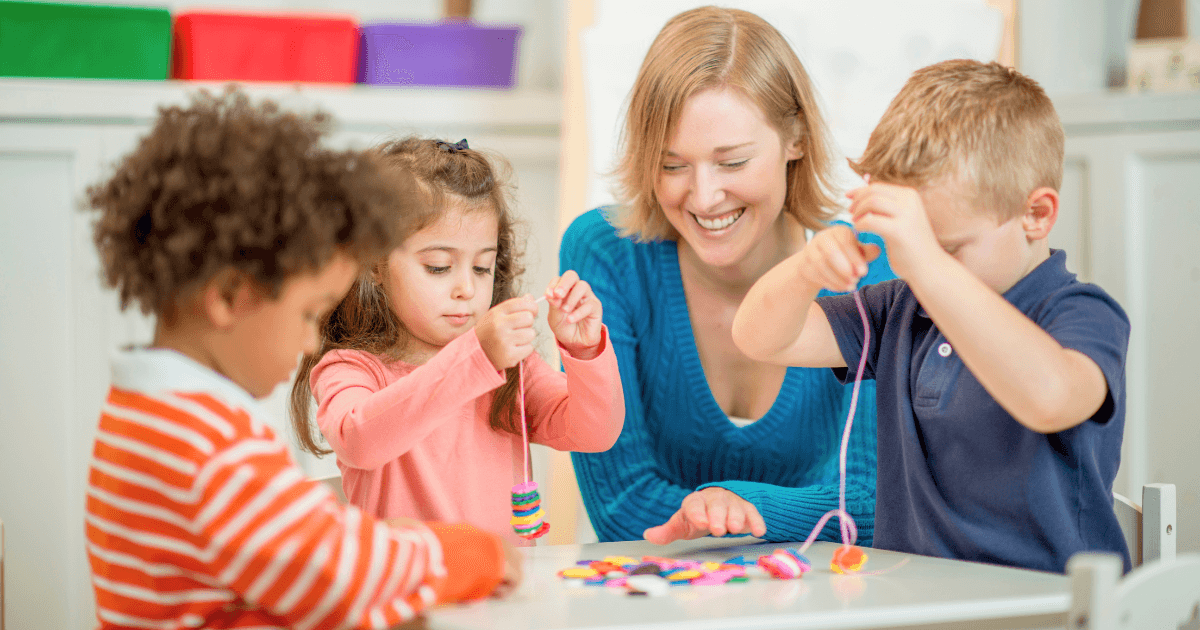
Works independently for short periods (5-10 minutes)
Building Social-Emotional Skills
Practice turn-taking with simple board games
Name emotions throughout the day (“You seem frustrated that the block tower fell”)
Role-play common social scenarios like sharing toys or joining a game
Read books about feelings and friendship
Establish consistent routines at home to build security and predictability
Language and Communication Skills
Strong communication skills help children express needs, understand directions, and engage with learning.
Listening and Understanding
Follows 2-3 step directions
Listens to and comprehends age-appropriate stories
Practice scissor skills with age-appropriate scissors and paper
Encourage self-help skills that build motor coordination (dressing, opening containers)
Limit screen time to ensure plenty of active play
Self-Help and Independence Skills
According to Small Miracles Education, independence is one of the most overlooked yet crucial aspects of kindergarten readiness. Children who can manage basic self-care tasks feel more confident and can focus better on learning.
Personal Care
Uses the bathroom independently (including wiping, flushing, and washing hands)
Manages clothing (zips, buttons, snaps) with minimal assistance
Puts on and takes off a coat
Puts on shoes (may need help with tying)
Covers mouth/nose when coughing or sneezing
Blows and wipes nose independently
Mealtime Skills
Opens common lunch containers (with practice)
Uses utensils appropriately
Opens food packages with minimal help
Drinks from a water bottle without spilling
Cleans up after eating
Organization and Responsibility
Puts away personal belongings in designated places
Cleans up toys and materials after use
Carries own backpack
Keeps track of personal items (jacket, lunchbox)
Follows simple routines with reminders
Building Independence Skills
Allow extra time for your child to practice self-help skills
Set up routines for hanging up backpacks, putting away shoes, etc.
Practice opening lunch containers that will be used at school
Encourage cleaning up after activities at home
Assign simple chores appropriate for their age
Approaches to Learning
How a child engages with learning is as important as what they know. Interval Education emphasizes that approaches to learning encompass curiosity, persistence, and engagement—qualities that support success across all areas.
Curiosity and Initiative
Shows interest in new activities and experiences
Asks questions about how things work
Explores materials and environments
Makes choices when given options
Initiates play and activities
Focus and Persistence
Sustains attention to a task for 5-10 minutes
Returns to activities after interruptions
Continues trying when something is difficult
Works toward simple goals
Shows pride in accomplishments
Flexibility and Problem-Solving
Adapts to changes in routines or plans
Tries different approaches when first attempts don’t work
Accepts help when needed
Transitions between activities with reasonable ease
Recovers from disappointments relatively quickly
Building Positive Approaches to Learning
Follow your child’s interests to nurture natural curiosity
Offer appropriate levels of challenge that stretch but don’t frustrate
Praise effort and process rather than just results
How to Use This Checklist
Now that you have a comprehensive overview of kindergarten readiness skills, here’s how to use this information constructively:
As a Guide, Not a Test
This checklist isn’t meant to be a test your child passes or fails. Instead, use it to:
Identify areas of strength to celebrate
Notice skills that might benefit from more practice
Guide your activities and interactions in the months before kindergarten
Focus on Progress, Not Perfection
Brighter Futures Indiana emphasizes that readiness is about growth and progress. Celebrate small steps forward rather than expecting mastery of every skill.
Partner with Early Childhood Providers
If your child attends preschool or childcare, share your observations and concerns with their teachers. They can offer valuable insights and suggestions based on their experience with your child in a group setting.
Consider Your Child’s Unique Profile
Every child has a unique pattern of strengths and needs. Some excel socially but need support with fine motor skills; others may recognize all their letters but struggle with transitions. Focus on supporting your whole child rather than just addressing perceived “deficits.”
What If My Child Isn’t “Ready” in Some Areas?
If you’re concerned about your child’s development in certain areas, consider these steps:
Trust the Process
Many skills develop rapidly in the months leading up to kindergarten. What seems challenging in January might come easily by August.
Consult with Professionals
If you have significant concerns about your child’s development, speak with:
Your child’s pediatrician
Their preschool teacher or childcare provider
Early intervention services in your community
Consider Your Options
In some cases, you might explore:
Transitional kindergarten programs (if available in your area)
Another year of preschool (particularly for children with summer birthdays)
Specific supports or interventions before kindergarten begins
Remember: Schools Expect Diversity
Kindergarten teachers are trained to work with children across a wide developmental spectrum. They don’t expect every child to arrive with the same set of skills and experiences.
Supporting Kindergarten Readiness at Home
Here are some general strategies to support kindergarten readiness in everyday life:
Establish Routines
Consistent routines for mornings, mealtimes, and bedtime help children develop self-regulation and independence.
Provide Rich Experiences
Visits to parks, museums, libraries, and community events build background knowledge and vocabulary.
Reading aloud builds vocabulary, background knowledge, print awareness, and a love of books.
Encourage Play
Through play, children develop problem-solving skills, creativity, social skills, and emotional regulation—all crucial for kindergarten success.
Talk, Talk, Talk
Rich conversations build vocabulary and background knowledge while strengthening the parent-child relationship.
The Months Before Kindergarten
As kindergarten approaches, consider these specific preparations:
Visit the School
If possible, attend the kindergarten orientation or arrange a tour to help your child become familiar with the new environment.
Establish School-Day Routines
Begin adjusting wake-up times, bedtimes, and meal schedules to match the upcoming school schedule.
Talk Positively About School
Share your own positive school memories and express confidence in your child’s ability to enjoy and succeed in kindergarten.
Connect with Future Classmates
If possible, arrange playdates with other children who will attend the same school.
Practice Separation
If your child isn’t accustomed to being away from you, gradually increase separation time with trusted caregivers.
A Final Note: Trust Your Child and Their Teachers
As a parent, it’s natural to worry about whether your child is “ready” for kindergarten. Remember that readiness is a two-way street—not only should children be ready for school, but schools should be ready for children at all developmental levels.
Kindergarten teachers are trained to meet children where they are and guide their growth. The most important gifts you can give your child are a positive attitude toward learning, confidence in their abilities, and the knowledge that they have caring adults supporting them every step of the way.
By focusing on the whole child—their social-emotional development, approaches to learning, independence, and yes, academic skills too—you’re setting them up for a positive start to their educational journey. Every child enters kindergarten with a unique constellation of strengths, challenges, and experiences. This diversity is not only normal but also enriches the kindergarten community.
According to SkillSprouts OT, kindergarten readiness involves foundational skills beyond academic knowledge alone. The confidence that comes from mastering self-help skills and developing emotional regulation often contributes more to early school success than knowing all the letters or counting to 100.
Remember that kindergarten is designed to be a child’s introduction to formal schooling—not the culmination of their early learning. The skills on this checklist are goals to work toward, not requirements to be mastered before the first day of school.
Trust your instincts as a parent, trust your child’s capacity to learn and grow, and trust that kindergarten teachers are professionals who understand child development and have chosen their profession because they care deeply about helping young children thrive.
Your child doesn’t need to be perfect to be ready for kindergarten. They need to be themselves—curious, developing, and supported by the adults who love them.
What kindergarten readiness skills have you been focusing on with your child? Share your experiences in the comments below!