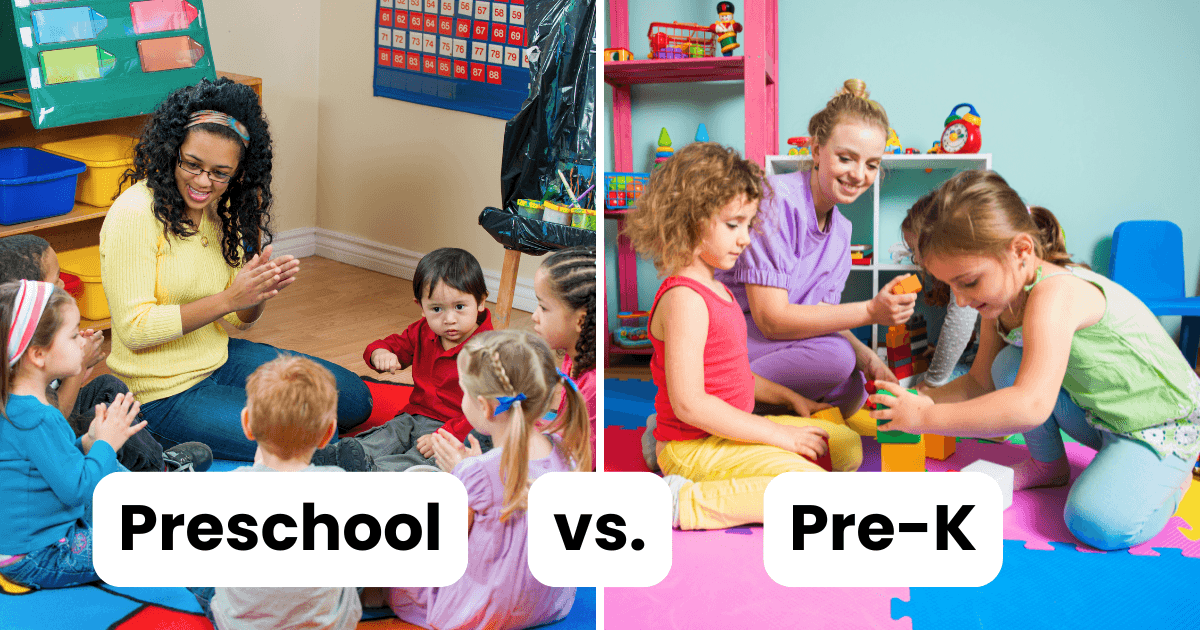
What Age for Pre-K vs Preschool? Understanding the Right Timing for Your Child
As parents, few decisions feel as consequential as those involving our children’s education. The question of when to start preschool or pre-K—and which one is right for your child at what age—can feel particularly daunting. If you’re confused about the difference between these early education options or wondering about the perfect timing for your little one, you’re not alone.
In this guide, we’ll clarify the age differences between preschool and pre-K, explore the developmental factors that matter more than chronological age, and help you make this important decision with confidence.
Preschool vs. Pre-K: Understanding the Basics
While the terms “preschool” and “pre-K” are sometimes used interchangeably, they actually refer to distinct educational experiences designed for different developmental stages.
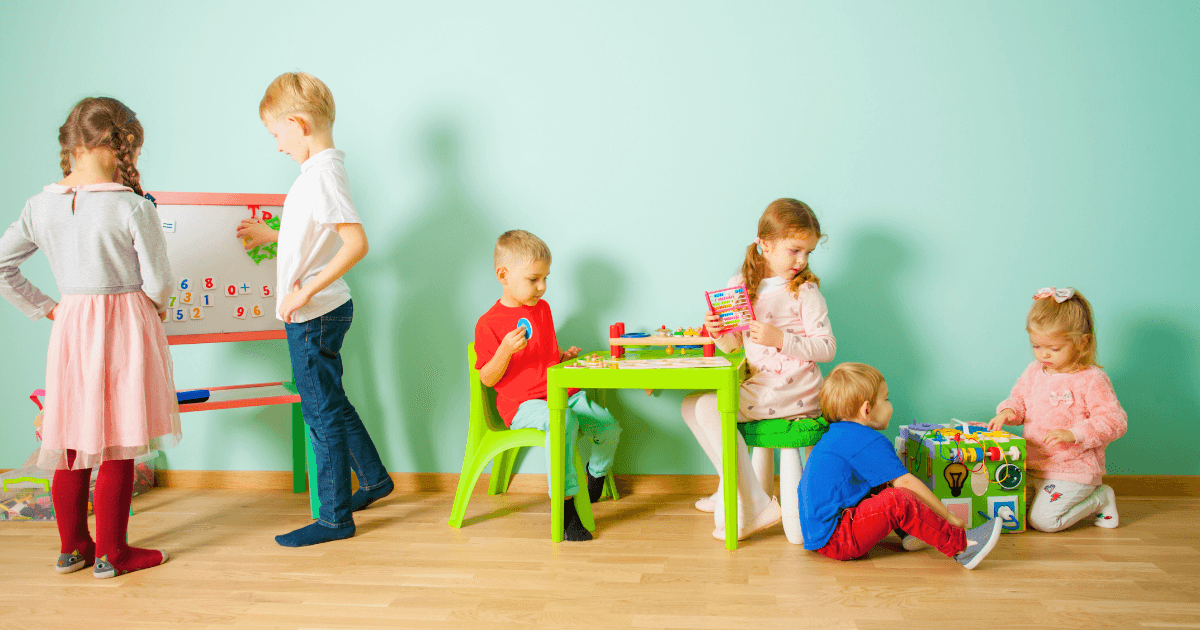
Preschool: The First Step into Education
Typical Age Range: 2.5 to 4 years old
Focus: Play-based learning, socialization, basic routines, and early learning foundations
According to New Horizon Academy, preschool serves as a “transitional buffer between toddlerhood and the year before kindergarten.” It’s often a child’s first experience in a structured setting with teachers and groups of children.
Pre-K: The Bridge to Kindergarten
Typical Age Range: 4 to 5 years old
Focus:Kindergarten readiness, more structured learning experiences, early academic foundations
Pre-K (short for pre-kindergarten) is specifically designed for children in the year before they enter kindergarten. As Imagine Child explains, pre-K offers “more structured educational experiences” compared to the play-centered approach of preschool.
The Typical Educational Progression
For many families, the early education journey follows this path:
Ages 2.5-3: Begin preschool (2-3 days per week, often half-days)
Ages 3-4: Continue preschool (3-5 days per week, half or full days)
Ages 4-5: Enter pre-K (typically 5 days per week, often full days)
Ages 5-6: Start kindergarten
However, this progression can vary based on your child’s development, your family’s needs, and the options available in your community.
Beyond Age: Developmental Readiness Factors
While age provides a general guideline, child development experts emphasize that readiness factors are far more important than birthdate when determining the right time for preschool or pre-K.
Social and Emotional Readiness
According to Playground, key social-emotional indicators include:
Separation comfort: Can your child handle being away from you for a few hours?
Group interaction: Does your child show interest in playing with other children?
Emotional regulation: Can they manage feelings of frustration without major meltdowns?
Basic independence: Are they comfortable exploring new environments with gentle support?
For preschool, parallel play (playing alongside others) is typical, while pre-K often involves more cooperative play and group activities.
Communication and Language Skills
For preschool: Children should be able to communicate basic needs and understand simple instructions.
For pre-K: Children should typically engage in conversations, ask questions, and express their thoughts in simple sentences.
Brightwheel notes that effective communication is essential for children to “express their needs and connect with teachers and peers.”
Physical and Self-Care Skills
For preschool: Basic self-help skills such as washing hands, eating independently, and beginning toilet training (requirements vary by program).
For pre-K: Greater independence with bathroom needs, dressing, and managing personal belongings.
Many preschools accept children who are still learning to use the toilet, while most pre-K programs expect children to be largely independent in the bathroom.
Cognitive Skills and Attention Span
For preschool: Ability to focus on activities for 5-10 minutes and to follow 1-2-step directions.
For pre-K: Ability to engage in activities for 15-20 minutes and follow multi-step instructions.
According to EdWeek, cognitive development in pre-K should include “not just what children know but how they think and approach learning.”
Signs Your Child May Be Ready for Preschool (Ages 2.5-3)
Shows curiosity about the world and enjoys exploring
Can spend short periods away from parents without extreme distress
Demonstrates interest in other children
Communicates basic needs (verbally or non-verbally)
Shows emerging independence in self-help skills
Can focus on simple activities for short periods
Signs Your Child May Be Ready for Pre-K (Ages 4-5)
Demonstrates longer attention span (15+ minutes on one activity)
Shows interest in pre-academic concepts like letters, numbers, and books
Can follow 2-3 step directions
Engages in cooperative play with peers
Manages emotions with increasing independence
Handles transitions between activities with reasonable ease
Shows independence in self-care routines
When to Consider Waiting
Sometimes, the best decision is to wait a bit longer before starting preschool or pre-K. According to Playground, signs that your child might benefit from more time at home include:
Significant difficulty following directions or participating in group activities
Limited interest in interacting with other children
Struggles with communication that make it difficult to express needs
Ongoing challenges with self-regulation (frequent tantrums, difficulty calming down)
Remember that delaying entry isn’t a setback—it’s about finding the right timing for your unique child.
Special Considerations for Different Family Situations
For Working Parents
If both parents work full-time, you may need childcare regardless of your child’s developmental readiness for preschool. Many quality daycare centers incorporate preschool curricula, providing both care and early education. Consider:
Many private preschools begin registration in January or February for the following fall
Public pre-K programs often have application deadlines in winter/early spring
Age cutoff dates vary by program and location (commonly August 31 or September 1)
According to NYC Schools, for example, children are eligible for pre-K in the calendar year they turn four.
Program Availability and Waitlists
In many communities, quality programs fill quickly:
Popular programs may have waitlists, sometimes a year or more in advance
Public pre-K programs may have limited spots determined by lottery
Getting on waitlists early increases your chances of securing a spot
Schedule Options
Consider what schedule works for your family:
Half-day vs. full-day programs
2, 3, or 5 days per week
Before/after care availability
Academic year calendar vs. year-round options
Meck Pre-K notes that most pre-K programs operate approximately 6.5 hours per day, five days a week, but not all offer before and after-school care.
Making Your Decision: A Step-by-Step Approach
Assess your child’s development across social-emotional, physical, cognitive, and language domains
Research local options for both preschool and pre-K programs
Visit potential programs to understand their approach and environment
Consider your family’s schedule needs and how different programs align
Talk with program directors about their perspective on your child’s readiness
Trust your instincts about what feels right for your child
The Long View: How Timing Affects Future Education
Parents often worry about how preschool and pre-K timing might affect their child’s long-term educational journey. Research provides some reassurance:
Children who attend high-quality preschool and pre-K generally show better kindergarten readiness, regardless of when they started
The quality of the program matters more than the exact age of entry
Children who start when developmentally ready tend to have more positive associations with school
Transitioning Successfully: Setting Your Child Up for Success
Once you’ve made your decision, these strategies can help ensure a smooth transition:
Talk positively about school in the weeks leading up to the start
Read books about starting school
Visit the classroom and meet the teacher beforehand if possible
Establish consistent routines at home that mirror school schedules
Practice separations with trusted caregivers
Create a goodbye ritual that’s brief, loving, and consistent
Connect with other families whose children will attend the same program
Conclusion: Trust the Process
Remember that the “right” age for preschool or pre-K varies for each child. By focusing on developmental readiness rather than age alone, you’ll make a decision that supports your child’s unique journey.
Whether your child starts preschool at 2.5 or 4, or enters pre-K as a young 4 or nearly 5, what matters most is that the experience nurtures their natural curiosity, builds confidence, and establishes a positive foundation for lifelong learning.
The goal isn’t to accelerate academic achievement but to provide an environment where your child can thrive socially, emotionally, and cognitively at their own pace. Trust your knowledge of your child, seek input from educational professionals, and remember that this decision, while important, is just one of many that will shape your child’s educational experience.
What factors are you considering in your preschool or pre-K timing decision? Share your thoughts in the comments below!