How to Prepare Your Child for Preschool: A 12-Week Transition Plan
The first day of preschool marks a significant milestone in your child’s life—and yours, too! While this transition brings excitement, it can also trigger anxiety for both of you. As a mom who’s been through this journey (twice!), I know firsthand that preparation is key to making this change smoother for everyone involved.
Instead of waiting until the week before school starts, I’ve created a comprehensive 12-week plan to help you and your little one prepare emotionally, socially, and practically for the preschool adventure ahead. Let’s break it down into manageable steps that will build your child’s confidence week by week.
Weeks 12-10: Lay the Foundation
Week 12: Start the Conversation
Begin talking about preschool in positive, simple terms. “In a few months, you’ll go to a special place called preschool where you’ll make friends, play with new toys, and learn fun things!” Keep conversations light and answer questions honestly.
Read books about starting preschool together. Favorites like The Kissing Hand by Audrey Penn or Llama Llama Misses Mama by Anna Dewdney can help normalize feelings about separation.
Week 11: Build Independence
Focus on developing self-help skills that will make your child feel capable at school:
Practice putting on and taking off shoes (velcro closures are your friend!)
Work on unzipping backpacks and opening lunch containers
Encourage independent handwashing with a fun 20-second song
According to the Child Mind Institute, developing these skills beforehand can significantly boost your child’s confidence when transitioning to new environments.
Week 10: Create a Visual Schedule
Preschoolers thrive on predictability. Create a simple picture chart showing daily routines:
Wake up
Brush teeth
Get dressed
Eat breakfast
Play time
This helps children understand sequence and prepares them for following classroom routines. Research from Begin Learning shows that implementing simple routines at home helps children feel secure in new environments.
Weeks 9-7: Develop Social Skills
Week 9: Practice Sharing and Turn-Taking
Set up playdates with future classmates if possible, or arrange small group activities where your child can practice:
Waiting for a turn
Sharing toys
Using words to express needs
Following simple group instructions
Try playing games like “Duck, Duck, Goose” or musical chairs that naturally incorporate taking turns.
Week 8: Separation Practice
If your child isn’t used to being away from you, start with short separations:
Leave them with a trusted relative or friend for 30 minutes
Gradually increase the time apart
Establish a goodbye routine you’ll use at school (a special handshake, hug, or saying)
According to Newport School, practicing brief separations before school begins can significantly reduce separation anxiety.
Week 7: Bathroom Independence
Most preschools require children to be potty-trained. If your child is still working on this skill:
Practice using unfamiliar bathrooms when out and about
Teach proper handwashing technique
Work on clothing management (pulling pants up/down)
Normalize asking for bathroom help when needed
Weeks 6-4: Practical Preparation
Week 6: Visit the School
Schedule a tour of the preschool with your child:
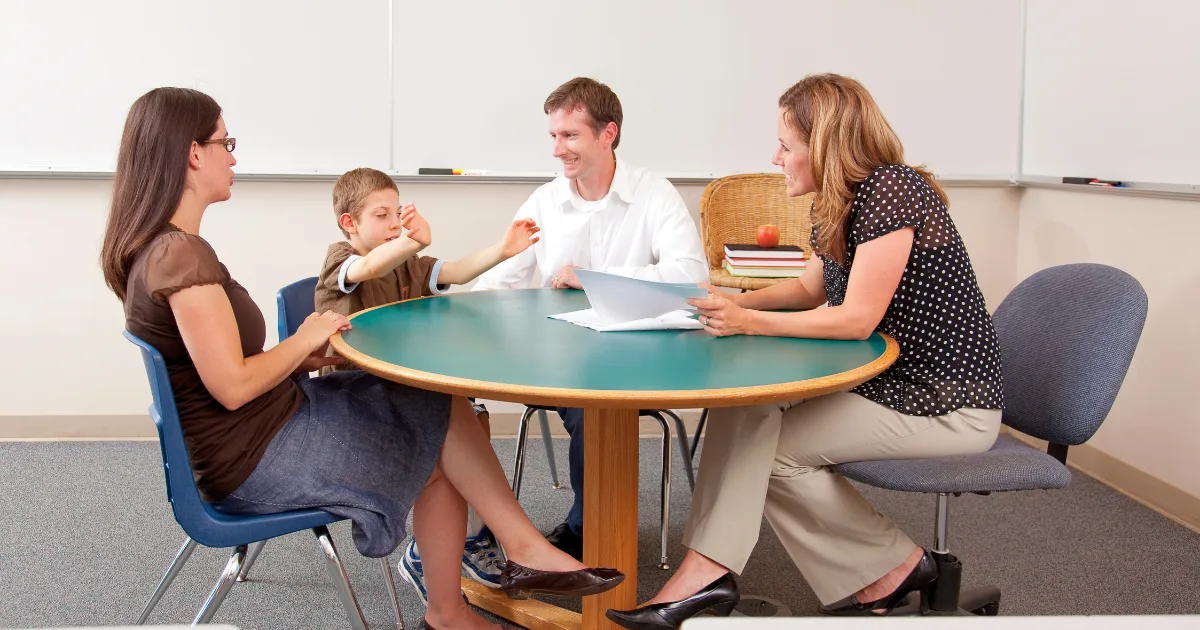
Meet the teacher, if possible
Explore the classroom and playground
Show them where the bathrooms are located
Take photos of the school to look at together at home
First5California recommends visiting the school multiple times before the first day to build familiarity and comfort.
Week 5: Create a Preschool Book
Make a simple photo book about their new school using pictures from your visit:
Include photos of the classroom, playground, and teacher
Add simple text like “This is where I’ll hang my backpack” or “This is where I’ll have a snack”
Read this book regularly to build excitement and familiarity
Week 4: Practice Preschool Activities
Set up “pretend preschool” at home for an hour each day:
Take a “first day” photo (a tradition you can continue yearly)
Follow your established goodbye routine consistently
Keep goodbyes brief and positive
Reassure your child you’ll be back (be specific about when, if possible)
Remember that transitions take time. According to Kids First Services, it can take up to a month for a child to fully adjust to preschool. Some children dive right in, while others need more time to warm up—both responses are completely normal.
After School Begins
Create an after-school routine that includes downtime
Ask specific questions about their day (“What book did your teacher read today?” rather than “How was your day?”)
Expect some regression or tiredness in the first few weeks
Celebrate small victories and progress
Maintain consistent communication with teachers
Final Thoughts
Remember that you know your child best. Adapt this plan based on their temperament, existing skills, and specific needs. Some children might need more focus on emotional preparation, while others may need extra practice with social skills or independence.
The goal isn’t perfection—it’s to help your child feel secure, capable, and excited about this new adventure. With thoughtful preparation, you’re giving them valuable tools not just for preschool, but for navigating life’s transitions with confidence.
Has your child started preschool already? Share your experience and tips in the comments below!