Preschool Separation Anxiety: Strategies for Tear-Free Drop-Offs
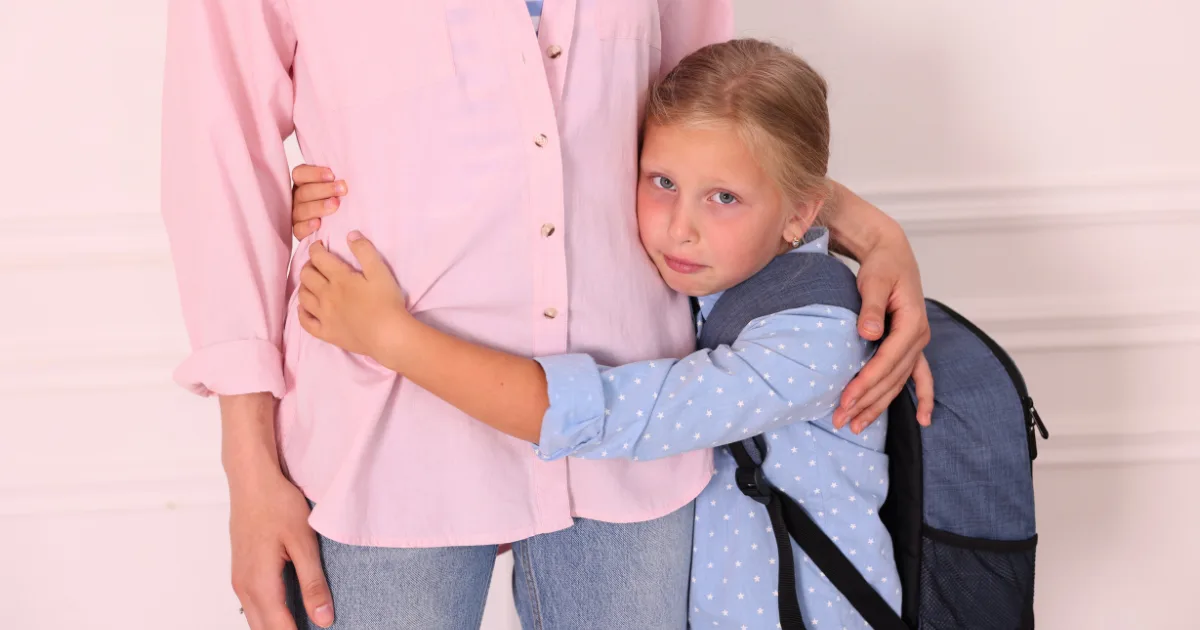
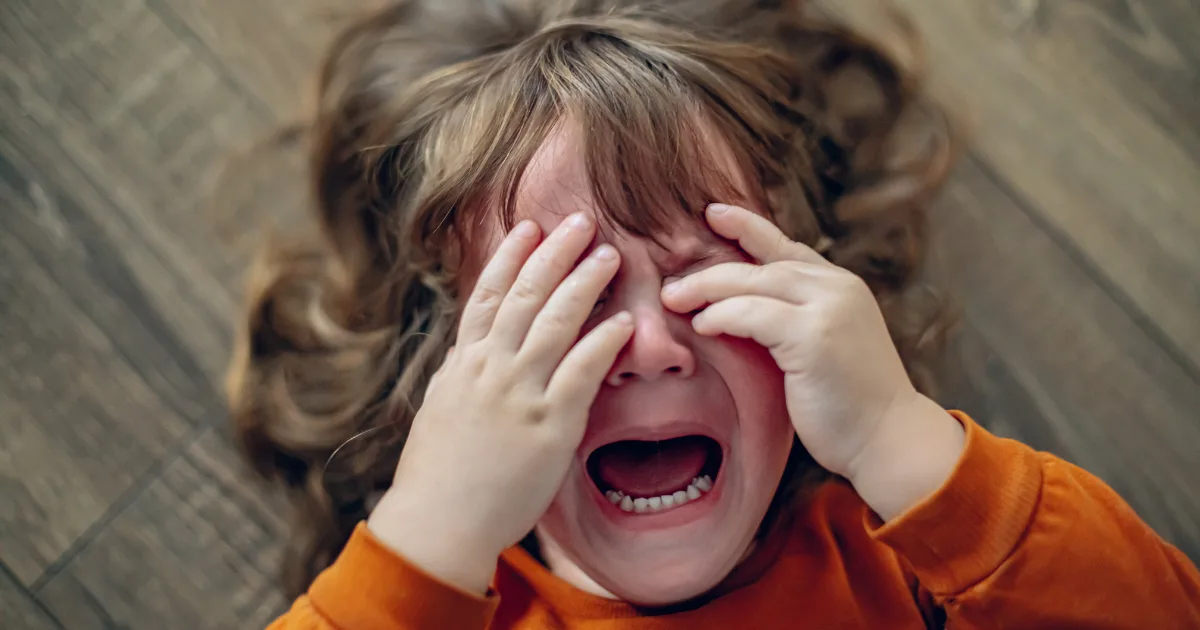
The morning had been going so well. Breakfast eaten, clothes on, backpack packed—all without a hitch. Then we arrived at preschool, and suddenly my confident three-year-old transformed into a koala bear, clinging to my leg with surprising strength while tears streamed down her face.
Understanding Separation Anxiety: It’s Developmental, Not Defiant
First, let’s normalize what’s happening. Separation anxiety isn’t a sign of poor parenting or a problematic child—it’s actually a healthy part of development.
According to the National Association for the Education of Young Children, separation anxiety typically peaks around 18 months but can continue until age 4. It often resurfaces during major transitions, such as starting preschool or returning after a long break.
Why does it happen? Child development experts explain that separation anxiety demonstrates healthy attachment. Your child is upset at your departure precisely because they value their connection with you, which is exactly as it should be. They’re still developing their understanding that when you leave, you’ll come back.
As Triple P Parenting notes, children may also experience fluctuations in their comfort with drop-offs, sometimes being fine one day and upset the next. This inconsistency is normal and doesn’t mean your strategies aren’t working.
Preparation: Setting the Stage for Success
The groundwork for smooth separations begins long before you reach the classroom door:
1. Talk About School Positively
In the days leading up to school, talk about what happens there with enthusiasm. “You’ll get to paint at the easel, build with blocks, and play with friends!” Keep conversations about school consistently positive.
Child psychologists recommend reading books about starting school or separation. Some excellent titles include:
“The Kissing Hand” by Audrey Penn
“Llama Llama Misses Mama” by Anna Dewdney
“Bye-Bye Time” by Elizabeth Verdick
2. Practice Separation
Research shows that gradually increasing time apart helps build a child’s confidence. Start with short separations—perhaps leaving your child with a trusted family member while you run a quick errand. This helps them build the “separation muscle” in a low-pressure environment.
According to LittleOtter Health, practicing separation at home is one of the most effective strategies for easing preschool transitions.
3. Role-Play the Drop-Off Routine
Children feel more secure when they know what to expect. Try role-playing the school drop-off routine at home:
“First, we’ll hang up your backpack.”
“Then we’ll find your cubby.”
“We’ll read one short book together.”
“Then we’ll do our special goodbye.”
“I’ll leave, and you’ll have a fun day at school!”
Using stuffed animals or dolls for this role-play can make it especially effective and fun.
4. Visit the School Together
If possible, visit the preschool with your child before their first day. Meeting the teacher and exploring the classroom together can create familiarity that significantly reduces anxiety.
5. Prepare the Night Before
Rushed, chaotic mornings amplify anxiety for everyone. Motherley recommends ensuring that both children and parents are well-rested to ease the transition. Lay out clothes, pack lunches, and prepare backpacks the night before to create a calmer morning atmosphere.
The Drop-Off: Creating a Positive Goodbye Routine
The actual moment of separation is where many parents struggle most. These evidence-based strategies can help:
1. Create a Consistent Goodbye Ritual
Children thrive on predictability. A consistent goodbye ritual signals that it’s time for you to leave and them to begin their day.
Your ritual might include:
A special handshake or high-five
A specific phrase like “See you later, alligator!”
A hug-kiss-hug sequence
Drawing a heart on each other’s hands
Research from Connected Families indicates that predictable environments significantly help children cope with separation anxiety.
2. Keep Goodbyes Brief and Positive
While it might seem counterintuitive, prolonged goodbyes typically increase anxiety rather than alleviate it. Aim for a goodbye that lasts about 5-10 minutes from arrival to departure.
Express confidence with both your words and body language: “You’re going to have a great day! I’ll see you this afternoon for a snack and to hear all about your adventures.”
3. Never Sneak Away
It might be tempting to slip out when your child is distracted, but experts unanimously advise against this approach. Sneaking out may avoid tears in the moment, but can increase anxiety in the long run as children become hypervigilant about your whereabouts.
Always say goodbye, even if it triggers tears. This builds trust and security.
4. Use a Transitional Object
A small item from home can provide emotional comfort during separation. This might be:
A family photo
A small stuffed animal
A special bracelet
A token or small object from home
Research shows these “transitional objects” help children feel connected to you when you’re apart. Just check with the teacher about the school’s policy on items from home.
5. Establish a Partnership with Teachers
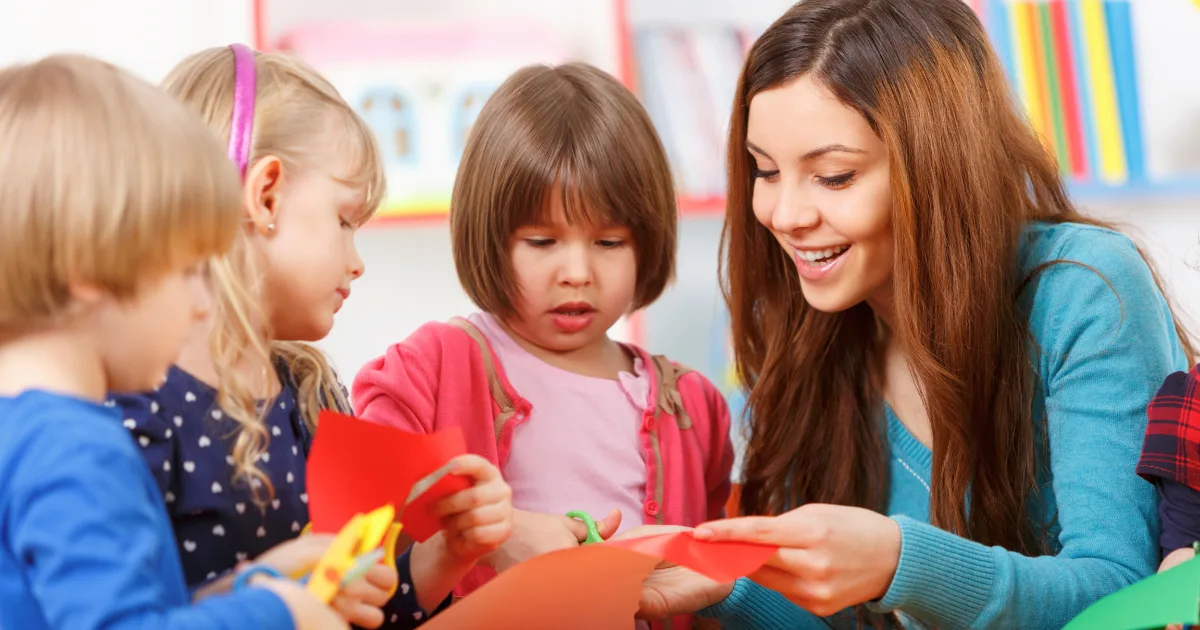
Teachers are experienced in helping children transition. Let them know about any specific concerns, and work together on strategies.
Many teachers have special activities planned for the arrival time to engage children quickly. Some may offer to hold or walk with your child to wave goodbye from the window, creating a positive transition ritual.
After You Leave: What Happens Next
Many parents are surprised to learn that most children stop crying within minutes of their departure. Ask the teacher to send a quick text or photo once your child has settled, which can ease your worries.
If possible, avoid scheduling important meetings right after drop-off so you’re not rushing and can take time to process your own feelings. It’s normal for parents to feel emotional, too!
When Additional Support Might Be Needed
While separation anxiety is normal, approximately 4% of children struggle with separation anxiety disorder, which may require additional support.
Consider seeking guidance if:
Anxiety persists at severe levels for more than 2-3 weeks
Your child shows panic-level distress that doesn’t subside
There’s significant regression in skills or behaviors
Your child develops physical symptoms (stomachaches, headaches) related to school
In these cases, consulting with your pediatrician or a child psychologist can provide tailored strategies.
Special Circumstances That May Intensify Separation Anxiety
Certain situations can make separation anxiety more pronounced:
After a Long Break
Returning after holidays or illness often means reestablishing routines. Treat these returns similarly to the first day, with extra preparation and patience.
Major Life Changes
Events like moving homes, a new sibling, or family stress can trigger separation anxiety even in children who previously separated easily. During these transitions, children may need additional reassurance and consistency.
Your child can sense your emotions, so managing your own anxiety is crucial. As NAEYC notes, children “borrow” caregivers’ calm to manage their own emotions.
If drop-offs are emotional for you:
Practice deep breathing before and during drop-off
Remind yourself that separation anxiety is developmentally appropriate
Have a self-care plan for after drop-off (call a friend, enjoy a coffee, take a walk)
Remember that your child’s tears don’t mean they’re unhappy at school all day
Success Stories: From Tears to Cheers
Many parents have successfully navigated this challenge. Here’s what worked for them:
Emma’s story: “We created a ‘hug button’ by drawing a heart on each of our hands. When my daughter missed me, she could press her heart and ‘send’ me a hug, and I promised to send one back. This simple ritual made her feel connected to me throughout the day.”
Michael’s approach: “My son struggled terribly with drop-offs until we started taking a quick photo together each morning in the same spot at school. Seeing the collection of photos grow helped him visualize his progress and gave him something to look forward to.”
Sophia’s solution: “We made a special bracelet with beads representing different family members. When my daughter felt anxious, she could touch each bead and remember who loved her and would be there at pickup time.”
The Light at the End of the Tunnel
While separation anxiety can feel overwhelming, remember that it typically resolves as children develop confidence in their new environment and trust in the consistency of your return.
The strategies that help children navigate separation are teaching valuable life skills:
Emotional regulation
Trust and security
Independence
Resilience
Social connection
By supporting your child through this developmental stage with patience and consistency, you’re helping them build the emotional tools they’ll use throughout life.
As one preschool teacher with 20 years of experience told me, “The children who struggle most with separation often become the most independent and confident once they work through it. It’s like they’ve conquered something significant and carry that accomplishment forward.”
What strategies have worked for your family during preschool drop-offs? Share your experiences in the comments below!