Forest School Preschool: The Rising Alternative to Traditional Classrooms
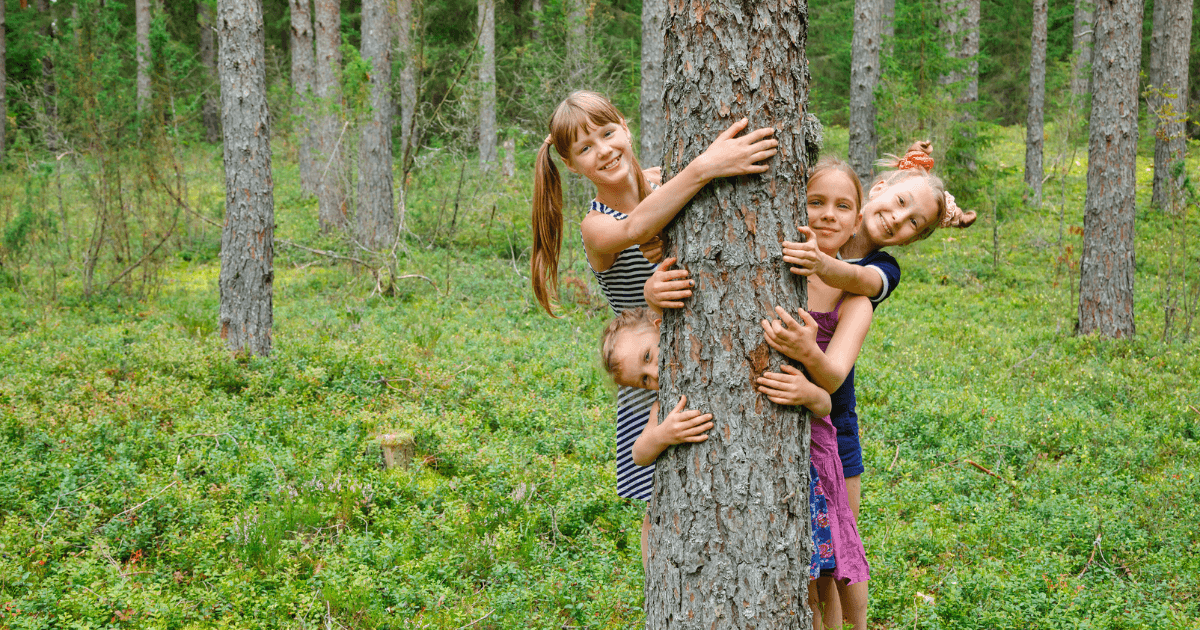
Last week, I visited a forest school preschool for the first time. Instead of colorful plastic toys and alphabet posters, I found children building shelters from branches, identifying local plants, and working together to cross a small stream. Their faces were flushed with excitement and concentration—a far cry from the restlessness I often observe in traditional classroom settings.
“They’re not just playing,” the teacher explained, noticing my expression. “They’re developing problem-solving skills, building confidence, and learning about natural systems—all while strengthening their bodies and social bonds.”
This approach to early childhood education isn’t just a fringe movement anymore. Forest schools are experiencing unprecedented growth across the United States and globally, challenging our assumptions about what constitutes an effective learning environment for our youngest students.
What Exactly Is a Forest School?
Forest schools (also called nature preschools or outdoor nurseries) are educational approaches where children spend the majority of their time outdoors, regardless of weather conditions. Unlike traditional preschools that might include occasional outdoor time, forest schools make nature the primary classroom.
According to research from ResearchGate, forest schools originated in 1927 in the United States but gained significant momentum in Nordic countries in the 1950s, becoming part of Denmark’s curriculum in the 1980s. Germany now has over 700 established forest kindergartens, recognized as a legitimate form of childcare since 1960.
Key characteristics include:
Regular, frequent sessions in natural environments (typically 80-100% outdoors)
Child-led learning through play and exploration
Emphasis on risk assessment rather than risk avoidance
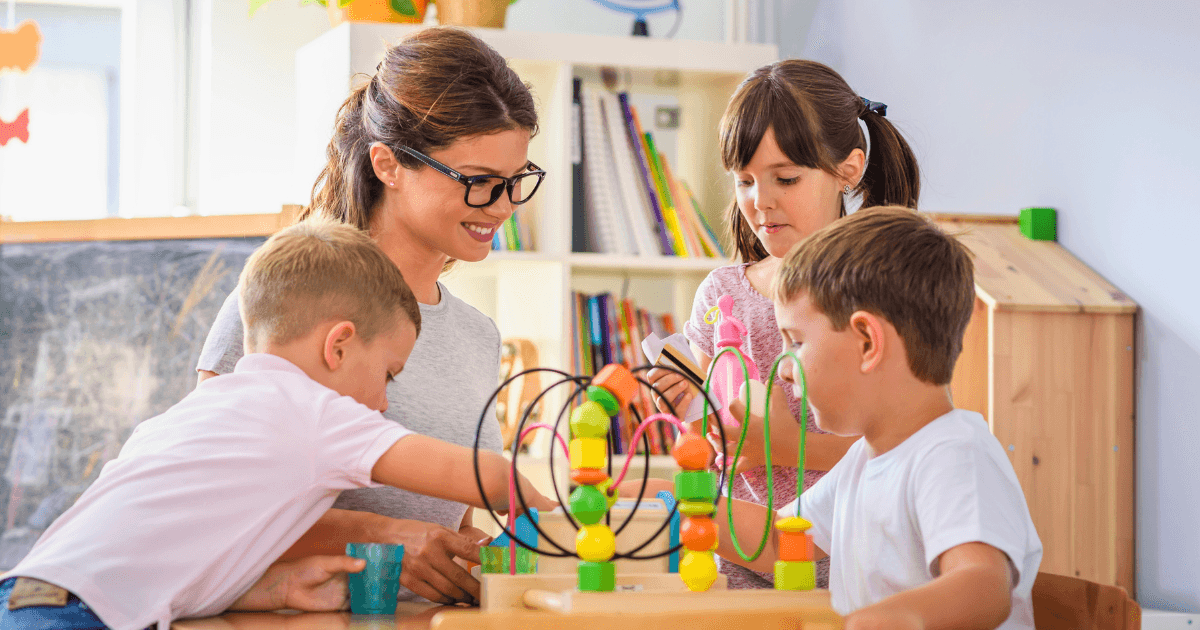
Small group sizes with high adult-to-child ratios
Focus on holistic development rather than academic benchmarks alone
As one forest school director told me, “We’re not anti-academics—we’re pro-childhood. The academic skills come naturally when children are engaged, curious, and confident in their abilities to learn.”
The Science Behind the Trees: Research-Backed Benefits
The growing popularity of forest schools isn’t just based on philosophical preferences—it’s increasingly supported by scientific research showing measurable benefits across multiple developmental domains.
Physical Development
Children in forest schools experience significant physical benefits:
Increased physical activity: Forest school children typically engage in more varied and sustained physical activity than their peers in traditional settings, helping combat rising childhood obesity rates.
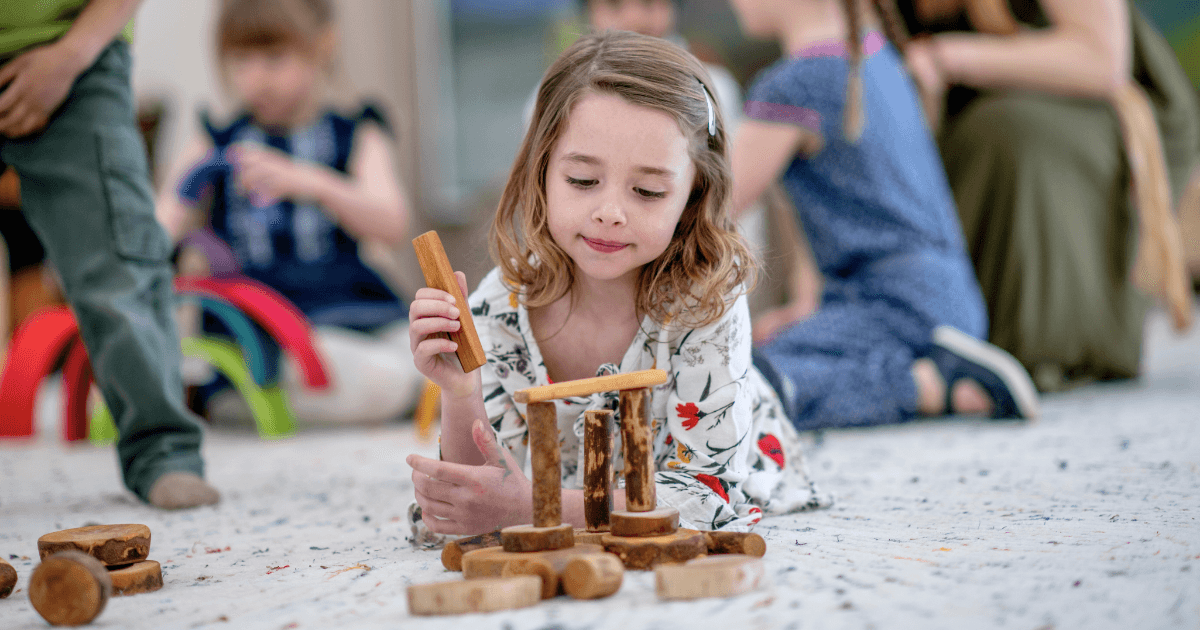
Improved motor skills: Navigating uneven terrain, climbing trees, and manipulating natural materials develop both fine and gross motor skills in ways that structured indoor activities often cannot.
Stronger immune function:Research from Linnaeus University indicates that children who spend more time outdoors experience fewer illnesses, with researchers noting that “outdoor lessons will lead to children feeling less tired, experiencing fewer headaches, becoming calmer, and gaining confidence.”
Better sensory integration: Natural environments provide rich, multi-sensory experiences that support neurological development in ways that cannot be replicated indoors.
Cognitive Development
Contrary to what some might expect, forest schools show impressive cognitive benefits:
Improved attention spans: Research indicates that natural environments can reduce symptoms of attention-deficit disorders and improve concentration among all children.
Scientific thinking: Daily interactions with weather, seasons, plants, and animals develop observation skills and scientific reasoning through direct experience.
Academic performance: A 2018 study, cited by School Poster Printers, found improved test scores in math, reading, and science among students who participated in outdoor education programs.
Social and Emotional Growth
Perhaps the most striking benefits occur in the social-emotional domain:
Increased self-regulation: Forest schools report fewer behavioral issues, with natural consequences and physical activity helping children develop better emotional regulation.
Enhanced resilience: Overcoming challenges in variable weather and terrain builds psychological resilience and adaptability.
Stronger social bonds: Collaborative problem-solving and shared experiences in nature foster deeper peer relationships and communication skills.
Reduced anxiety and stress: Multiple studies show that time in natural settings reduces cortisol levels (stress hormones) and improves overall mental health, with research highlighting “reduced stress and anxiety levels” among forest school participants.
Environmental Connection
Beyond individual benefits, forest schools nurture a relationship with the natural world:
Environmental literacy: Children develop ecological understanding through direct observation of natural systems.
Conservation ethic: Daily positive experiences in nature foster an emotional connection that often translates to environmental stewardship later in life.
Sustainable practices: Many forest schools incorporate lessons on sustainability, from waste reduction to understanding local ecosystems.
Addressing Common Concerns
Despite compelling benefits, parents considering forest schools often have legitimate questions:
“Will my child be prepared for kindergarten?”
Research suggests that forest school graduates transition well to traditional settings, often demonstrating stronger self-regulation, problem-solving abilities, and social skills than peers from conventional preschools. While their path to academic skills may look different, they typically catch up quickly while maintaining advantages in executive function and creativity.
“What about bad weather?”
As the Scandinavian saying goes, “There’s no bad weather, only bad clothing.” Quality forest schools provide clear guidelines about appropriate gear and often have sheltered areas for extreme conditions. Many parents report their children actually enjoy rainy and snowy days the most!
“Is it safe?”
Forest schools maintain appropriate teacher-child ratios and teach children risk assessment rather than simply avoiding all risk. Research indicates that children develop better risk-management skills in natural settings than on traditional playgrounds, potentially reducing accident rates over time.
“Will my child miss out on traditional preschool experiences?”
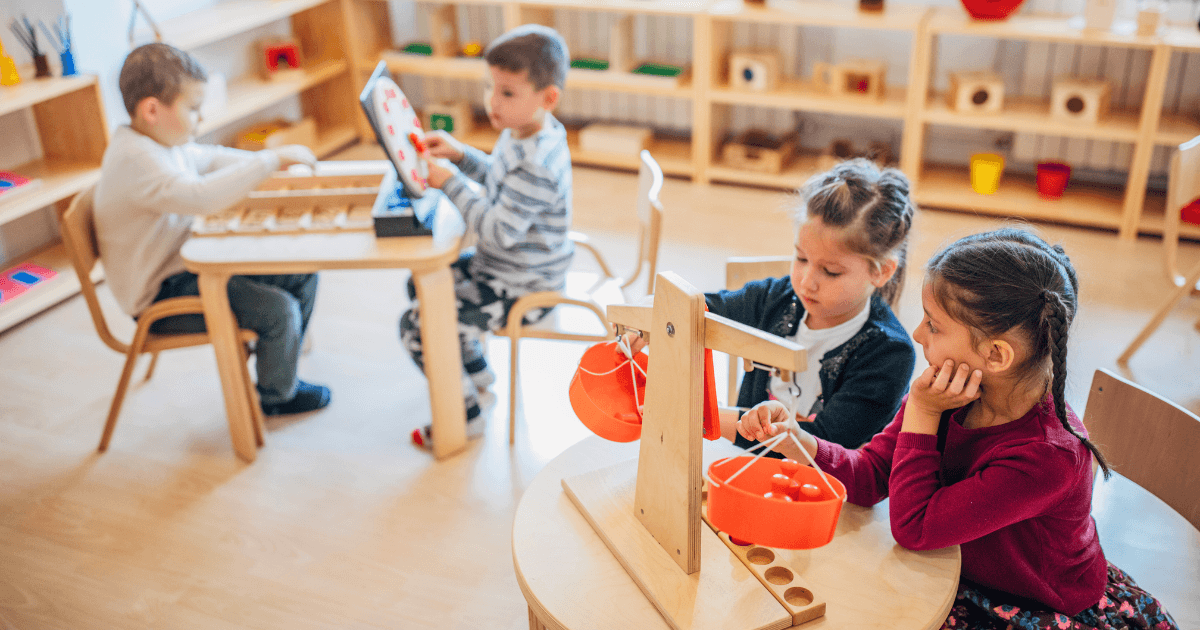
Forest schools typically incorporate traditional elements such as storytelling, art, music, and pre-literacy activities—all in outdoor contexts. Many programs include indoor components where children engage with books, writing materials, and other traditional preschool resources.
The Growing Movement: Why Forest Schools Are Gaining Momentum
Several factors are driving the increasing popularity of forest schools:
Reaction to Technology Saturation
As screen time dominates children’s lives, many parents and educators seek balance through immersive natural experiences. Forest schools offer a deliberate counterpoint to the digital world.
Research on Nature Deficit Disorder
Richard Louv’s influential work on “nature deficit disorder” has raised awareness about the developmental consequences of disconnection from natural environments, prompting educational innovation.
Pandemic Influence
COVID-19 accelerated interest in outdoor education as schools sought safer learning environments, introducing many families to the benefits of nature-based learning.
Environmental Concerns
Growing awareness of environmental challenges has increased interest in educational approaches that foster ecological understanding and connection.
Is Forest School Right for Your Child?
While forest schools offer remarkable benefits, they’re not one-size-fits-all. Consider:
Your child’s temperament: Most children thrive in outdoor settings, but some may need more gradual transitions than others.
Family logistics: Consider practical factors like location, schedule, and your ability to provide appropriate outdoor gear.
Educational philosophy: Reflect on whether the forest school approach aligns with your values and vision for your child’s education.
Program quality: Look for qualified staff, appropriate ratios, thoughtful risk management, and a clear educational philosophy.
Many parents find that visiting several programs helps them make the right choice. Seeing children engaged in forest learning firsthand can be a powerful experience.
Innovations and Future Directions
The forest school movement continues to evolve, with exciting developments including:
Hybrid Models
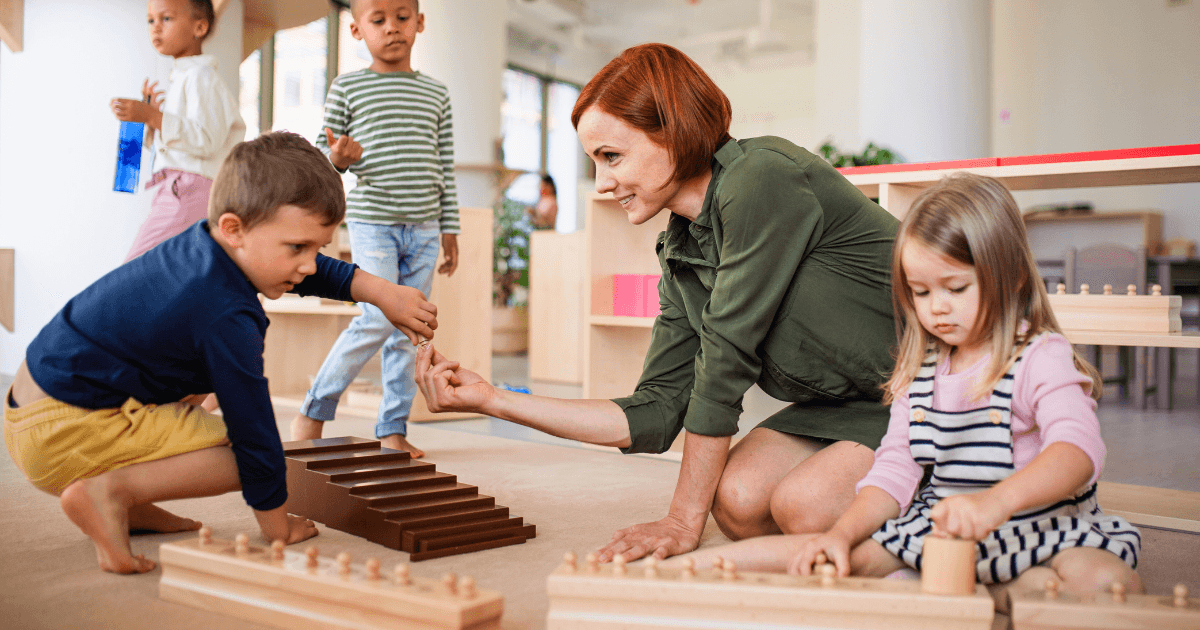
Some programs are creating innovative hybrids that combine forest school principles with elements of other approaches, such as Montessori or Reggio Emilia.
Urban Adaptations
Urban forest schools are finding creative ways to connect children with nature in city environments, from dedicated natural playgrounds to partnerships with urban parks.
Research Initiatives
New research projects, such as the one at Linnaeus University that tracks health outcomes among forest school participants, will continue to deepen our understanding of best practices and benefits.
Policy Changes
As evidence mounts, educational policies are slowly shifting to accommodate and support outdoor learning approaches.
Bringing Forest School Principles Home
Even if a forest school isn’t available or right for your family, you can incorporate key principles at home:
Make time for unstructured outdoor play in natural settings
Allow for appropriate risk-taking under supervision
Model your own connection with and respect for the natural world
The Future of Early Childhood Education?
As one forest school educator put it: “We’re not doing anything revolutionary—we’re returning to what has always worked for children. The revolutionary part is remembering this wisdom in a time that has forgotten it.”
Forest schools remind us that young children learn best through direct experience, meaningful relationships, and connection with the natural world. As research continues to validate these approaches, they may well represent not just an alternative to traditional education but a significant evolution in how we understand optimal learning environments for young children.
The question isn’t whether outdoor learning benefits children—the evidence is increasingly clear that it does. The question is how we can ensure all children have access to these benefits, regardless of geography, socioeconomic status, or educational system.
For many families who have discovered forest schools, there’s no going back. As one parent told me, “Once you’ve seen your child thrive in this environment—confident, capable, and genuinely happy to learn—it’s hard to imagine choosing anything else.”
Have you had experience with forest schools or outdoor learning? We’d love to hear your thoughts in the comments below!