Outdoor Preschool Benefits: Why More Programs Are Moving Outside
When I first heard about outdoor preschools, I was skeptical. Would my daughter really be okay learning outside all day? What about bad weather? Would she fall behind academically?
Fast forward six months, and I couldn’t imagine sending her anywhere else. The transformation in her confidence, creativity, and joy for learning has been nothing short of remarkable.
If you’re considering preschool options, you might be noticing more nature-based and outdoor programs popping up. This isn’t just a passing trend – it’s backed by compelling research and represents a fundamental shift in how we think about early childhood education.
The Rise of Outdoor Preschools
The numbers speak for themselves: there are now approximately 800 nature preschools in the United States, representing a stunning 200% increase since 2017, according to research from EdSource. This explosive growth reflects both parent demand and mounting evidence supporting the benefits of outdoor learning.
But what’s driving this shift? In part, it’s a response to concerning trends in childhood development:
Rising rates of childhood anxiety, ADHD, and obesity
Growing awareness of the importance of environmental education
As one preschool director told me, “We’re not just teaching outdoors because it’s fun – though it certainly is. We’re doing it because we see the profound impact it has on every aspect of child development.”
Physical Health Benefits
The most immediate benefits of outdoor preschools are physical. Children in these programs:
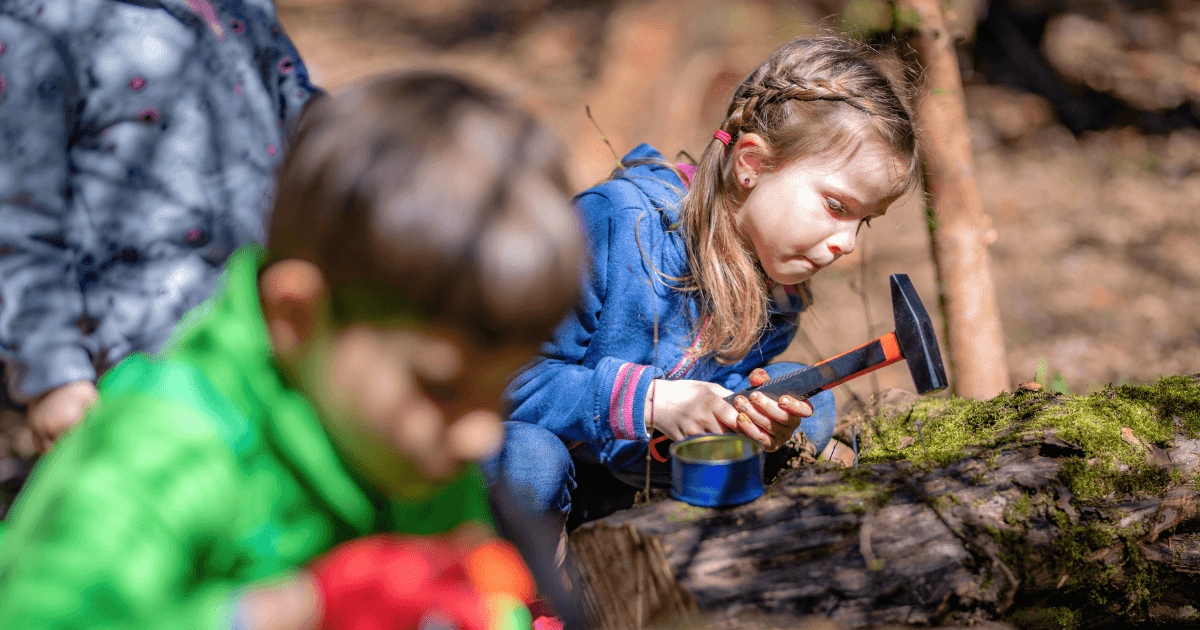
Develop stronger gross motor skills through running, climbing, and balancing
Build cardiovascular health through constant movement
Strengthen their immune systems with exposure to diverse microbes
Receive healthy doses of vitamin D from sunlight
Show lower rates of obesity and related health issues
A study published in Nature evaluated an outdoor play intervention at eight early childhood education centers in Canada. The research found significant improvements in physical activity levels and overall health markers among participating children.
What’s particularly noteworthy is how outdoor settings naturally encourage movement. As one parent shared, “My son struggled to sit still in his traditional preschool. Now, in his outdoor program, his ‘hyperactivity’ is just seen as normal energy – and he’s thriving.”
Cognitive Development Advantages
Perhaps surprisingly to some, outdoor preschools show impressive results in cognitive development:
A study of 562 Norwegian preschoolers found a direct link between time spent outdoors and improved executive functioning, including better attention spans and short-term memory.
Children develop stronger problem-solving skills through hands-on interaction with natural materials.
Sensory-rich environments stimulate brain development in ways that indoor settings cannot match.
Unstructured play fosters creativity and critical thinking.
“What we’re seeing is that when children learn through direct experience in nature, concepts stick,” explains Dr. Maria Hernandez, early childhood education researcher. “A child who counts pinecones or measures puddles is developing the same mathematical skills as one using worksheets – but they’re doing it in a context that makes sense to them.”
Social-Emotional Growth
The social-emotional benefits of outdoor preschools are equally impressive:
Children develop resilience by facing and overcoming small challenges
Natural environments reduce stress and anxiety
Outdoor settings encourage cooperation and complex social negotiations
Mixed-age interactions foster empathy and perspective-taking
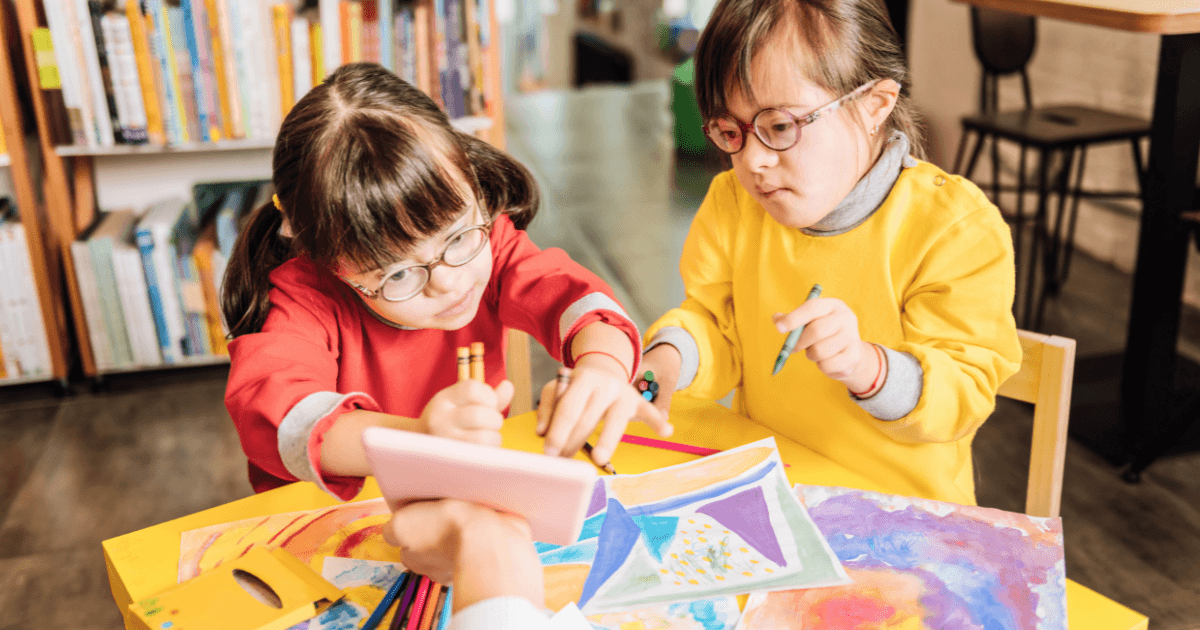
Research conducted at the University of Wisconsin-Madison over nearly 10 years found that children with identified special needs were more engaged in outdoor classrooms than in indoor settings, as reported by Exchange Press.
Many behavioral issues that emerge in traditional classrooms diminish in natural settings. As one teacher explained to me, “There’s something about being outside that allows children to regulate their emotions better. They have space to move, to reset, to be themselves.”
Environmental Stewardship
Beyond the immediate developmental benefits, outdoor preschools foster something equally valuable: a lifelong connection to nature and a sense of environmental responsibility.
Children who develop a relationship with the natural world early in life are more likely to:
Develop environmental awareness and responsibility
Engage in sustainable practices throughout their lives
Advocate for environmental protection
Find solace and joy in natural settings
The Position Statement on Active Outdoor Play emphasizes how active outdoor play addresses global challenges such as climate change and digital addiction, highlighting the broader societal benefits of connecting children with nature.
Addressing Common Concerns
Despite the compelling benefits, many parents still have legitimate concerns about outdoor preschools:
What about the weather?
Most outdoor preschools follow the Scandinavian philosophy that “there’s no bad weather, only bad clothing.” Programs provide clear guidelines about appropriate gear and often have sheltered areas or indoor spaces for extreme conditions.
Will my child be ready for kindergarten?
Research suggests children from outdoor preschools enter kindergarten with strong social skills, problem-solving abilities, and a love of learning – all crucial for academic success. Many programs intentionally incorporate pre-literacy and pre-numeracy skills into their nature-based curriculum.
Is it safe?
Quality outdoor preschools maintain appropriate teacher-to-child ratios and teach children risk-assessment skills. Studies show that children develop better risk-management skills in natural settings than on traditional playgrounds.
Making the Shift: Policy and Access
While the benefits are clear, access to outdoor preschools remains uneven. Children from low-income families are particularly affected by limited access to safe outdoor spaces and are at higher risk for related health problems.
The good news is that policy is beginning to catch up with the research. California now requires daily outdoor time in its subsidized preschool program, and about 20 states offer professional development for preschool staff to enhance outdoor learning experiences.
Many families find that visiting several programs helps them make the right choice. Seeing children engaged in outdoor learning firsthand can be a powerful experience.
The Future of Early Childhood Education
As we look ahead, the growing body of research on outdoor preschools suggests we may be witnessing a fundamental shift in early childhood education. Rather than seeing outdoor learning as an “alternative” approach, many educators now view it as simply best practice.
The question is no longer whether children benefit from learning in nature, but how we can ensure all children have access to these benefits.
As one outdoor preschool teacher put it, “We’re not doing anything revolutionary. We’re just returning children to the environment where they’ve always learned best – the natural world.”
Have you had experience with outdoor preschools? We’d love to hear your thoughts in the comments below!