Child Portfolios: What to Include and How to Organize
In early childhood education, meaningful assessment requires more than checklists and standardized tests. Child portfolios—thoughtfully curated collections of work samples, observations, and documentation—provide a rich, authentic picture of each child’s unique developmental journey. These living documents tell stories of growth, capture moments of discovery, and create powerful connections between home and school.
Yet many educators find themselves overwhelmed by the prospect of creating and maintaining effective portfolios. What should you include? How can you organize materials in a way that’s both manageable for you and meaningful for families? How do you balance comprehensiveness with practicality?
This guide will walk you through creating purposeful, organized child portfolios that showcase development, inform your practice, and strengthen family partnerships.
Portfolios provide concrete evidence of a child’s growth across developmental domains. Rather than relying on memory or general impressions, educators can track specific progress over time.
2. Informing Instruction
By reviewing portfolio contents, educators gain insights that help them plan responsive, individualized learning experiences. Portfolios reveal children’s interests, strengths, challenges, and learning styles.
3. Supporting Authentic Assessment
Unlike standardized assessments, portfolios capture learning in context. They show not just what children know and can do, but how they apply skills in meaningful situations.
4. Enhancing Family Communication
Portfolios offer families windows into their child’s educational experience. They transform abstract concepts like “developing fine motor skills” into tangible evidence that families can see and understand.
5. Empowering Children
When children participate in portfolio creation and review, they develop metacognitive skills—the ability to reflect on and understand their own learning processes.
What to Include: Essential Portfolio Components
A well-rounded portfolio includes diverse evidence that, together, creates a holistic picture of the child. Here are key components to consider:
1. Work Samples
Physical evidence of a child’s efforts provides concrete documentation of skills and development.
What to collect:
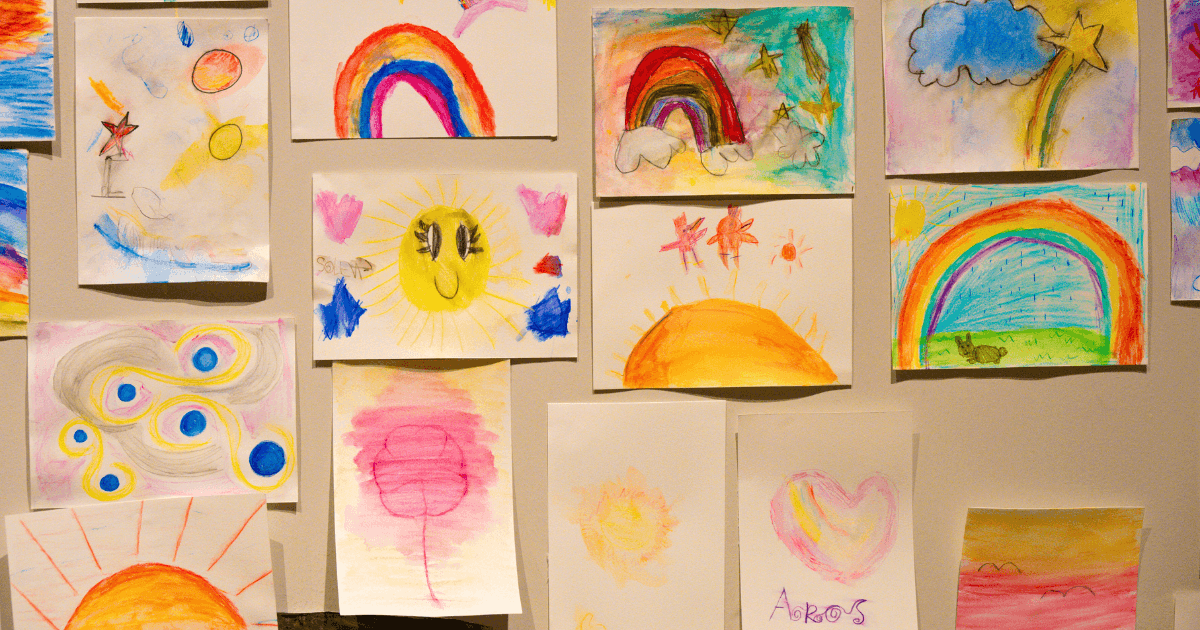
Art projects (dated and with context notes)
Writing samples (from scribbles to emergent writing)
Project contributions (parts of collaborative work)
Pro Tip: Rather than saving every creation, select samples that demonstrate growth or represent significant achievements. For three-dimensional or large items, photographs work well.
2. Observational Documentation
Your observations provide context and insight that work samples alone cannot convey.
The Early Childhood Research Institute recommends focusing observations on specific developmental domains to ensure comprehensive documentation.
3. Visual and Audio Documentation
Multimedia evidence brings learning to life in ways text cannot.
Consider collecting:
Photographs of the child engaged in learning
Videos of significant moments (problem-solving, collaboration)
Audio recordings of language development, storytelling, or music
Digital slideshows of project progression
Photo sequences showing process, not just products
Pro Tip: When taking photos, capture the child’s face and hands to show both engagement and technique.
4. Child Reflections
Including the child’s voice adds a crucial dimension to the portfolio.
Ways to incorporate the child’s perspective:
Dictated or written reflections on their work
Responses to simple prompts (“What did you learn?” “What was challenging?”)
Self-assessments using age-appropriate tools
Recorded conversations about their learning
Child-selected portfolio pieces with explanations of their choices
Research from Harvard’s Project Zero indicates that even very young children can meaningfully reflect on their learning when given appropriate scaffolding.
5. Teacher Analysis and Reflection
Your professional insights transform a collection of artifacts into a meaningful assessment tool.
Important elements to add:
Connections to developmental milestones
Links to curriculum standards or learning objectives
Observations of growth over time
Identification of emerging skills and interests
Plans for supporting the next steps
6. Family Contributions
Portfolios become more comprehensive when they include perspectives from home.
Invite families to share:
Observations of skills demonstrated at home
Information about cultural practices and traditions
Photos or descriptions of home learning experiences
Responses to their child’s portfolio entries
Questions or insights about their child’s development
Organizational Systems: Creating Order and Accessibility
Even the most comprehensive collection loses value if it’s disorganized. Here are effective systems for organizing portfolio contents:
Physical Portfolio Organization
For tangible collections, consider these approaches:
1. Binder System
How it works:
Individual three-ring binders for each child
Divider tabs for different developmental domains or time periods
Page protectors for preserving work samples
Pocket folders for storing smaller items
Best practices:
Use clear front-pocket binders for displaying child photos or artwork
Color-code dividers for easy navigation
Include a table of contents that grows with the portfolio
Store binders in accessible crates or on shelves
2. Expandable Folder System
How it works:
Accordion-style folders with multiple compartments
Sections labeled by developmental domain or time period
Work samples and documentation are filed chronologically
Summary sheets at the front of each section
Best practices:
Choose durable, water-resistant materials
Use folders large enough to accommodate standard paper sizes
Secure closures to prevent contents from spilling
Create a master tracking sheet for each child
3. Portfolio Box System
How it works:
Individual boxes or bins for each child
Hanging files within boxes for different categories
Larger boxes accommodate three-dimensional items
Portable for easy transport to family conferences
Best practices:
Select clear boxes for visibility of contents
Label clearly with the child’s name and photo
Include an inventory sheet listing contents
Store in a clean, dry location
Digital Portfolio Organization
Electronic portfolios offer flexibility and multimedia capabilities:
1. Folder Structure System
How it works:
Create a main folder for each child
Subfolders for developmental domains or time periods
Consistent file naming conventions for easy sorting
Index document linking to key evidence
Best practices:
Back up all files regularly
Use descriptive file names, including dates and context
Create a master spreadsheet tracking all documentation
Effective child portfolios are more than collections—they’re dynamic tools that grow and evolve alongside children. When thoughtfully created and organized, they transform assessment from a periodic event into an ongoing process of discovery and understanding.
As you develop your portfolio system, remember that the goal isn’t perfection but purpose. Start with clear intentions, implement sustainable practices, and refine your approach based on what works for you, your children, and their families.
The time you invest in creating meaningful portfolios yields valuable returns: a deeper understanding of each child, more responsive teaching, stronger family partnerships, and a rich record of the remarkable journey of early childhood.
What portfolio organization systems have worked best in your setting? Share your experiences in the comments below!