Preschool Graduation: Meaningful Ceremonies That Honor Achievement
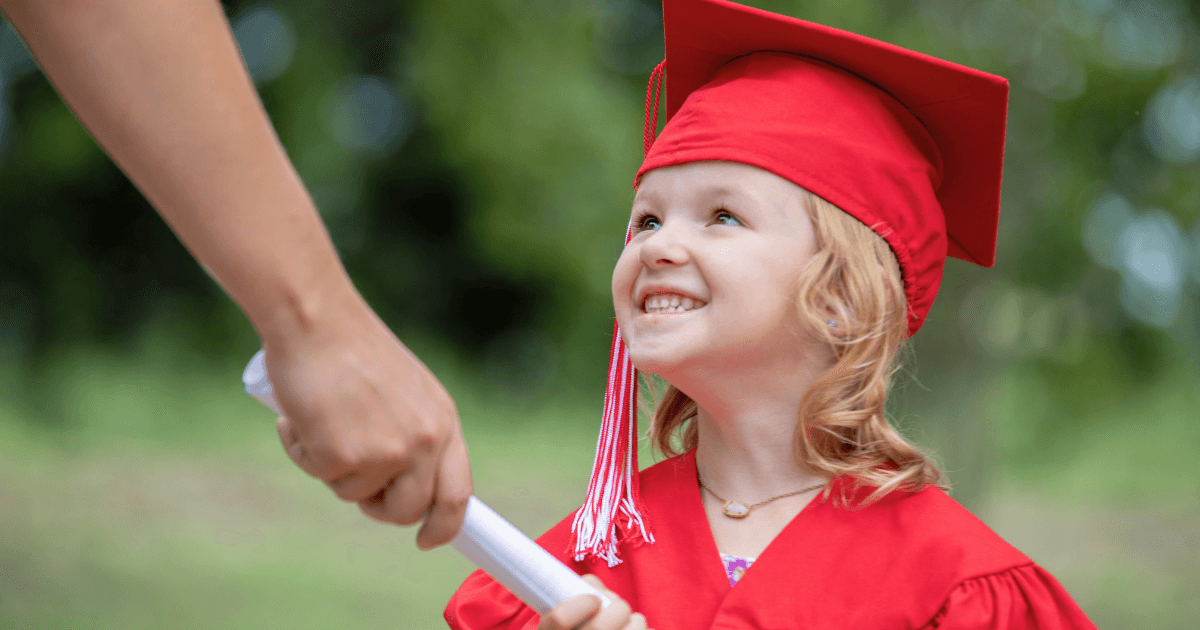
Those tiny caps and gowns. The beaming faces. The inevitable tears (mostly from parents). Preschool graduation ceremonies have become a cherished tradition in early childhood education—and for good reason. These celebrations mark a significant milestone in a child’s life: the completion of their first formal educational experience and the exciting transition to “big kid” school.
But a meaningful preschool graduation goes beyond cute photo opportunities. At its best, this ceremony honors genuine achievements, builds confidence, creates lasting memories, and helps children process an important life transition.
“Preschool graduation isn’t just about wearing miniature caps and gowns,” explains early childhood educator Maya Rodriguez. “It’s about honoring real growth. These children have developed from toddlers who needed help with everything to capable young people who can follow multi-step directions, regulate emotions, solve problems, and build relationships. That’s worth celebrating.”
Let’s explore how to create preschool graduation ceremonies that are developmentally appropriate, meaningful, and joyful for everyone involved.
The Significance of Preschool Graduation
Before diving into planning details, it’s worth reflecting on why these ceremonies matter:
For Children
Recognizes achievement: Acknowledges significant developmental milestones and learning
Builds confidence: Provides an opportunity to feel proud and capable
Supports transition: Creates closure for one experience while preparing for the next
Creates memories: Forms positive associations with accomplishment and celebration
According to Kiddi Kollege, walking across a stage to receive recognition helps lay the foundation for a lifelong love of learning.
For Families
Marks a milestone: Honors their child’s growth and development
Creates shared memories: Provides a special moment to celebrate together
Acknowledges partnership: Recognizes the collaboration between home and school
Processes emotions: Helps parents navigate feelings about their child growing up
For Teachers and Schools
Celebrates success: Recognizes the impact of their work with children
Provides closure: Creates a meaningful end to the school year and relationships
Builds community: Strengthens connections between families and the school
Showcases learning: Demonstrates the value of early childhood education
Planning a Meaningful Preschool Graduation
According to Vanco Payments, successful ceremonies require 2-3 months of planning. Here’s a timeline approach to ensure nothing is overlooked:
8-10 Weeks Before
Form a planning team
Include teachers, administrators, and parent representatives
Assign specific responsibilities to team members
Set the date, time, and location
Consider indoor and outdoor options (with weather backup)
Include a balance of recognition, performance, and celebration
Consider attention spans when planning activities
Send save-the-date notices to families
Include basic information about time, location, and what to expect
Request RSVPs to plan for attendance
Begin preparing children
Introduce the concept of graduation through books and discussions
Start practicing any songs or presentations in small doses
4-6 Weeks Before
Order or create supplies
Certificates/diplomas
Caps and gowns (if using)
Decorations aligned with the theme
Photo backdrop or props
Plan for documentation
Arrange for photography or videography
Create a system for sharing images with families
Consider creating a digital memory book
Send formal invitations
Include all details about the ceremony
Specify how many guests each child may invite
Provide information about parking and seating
2-4 Weeks Before
Increase ceremony practice
Rehearse in the actual space if possible
Practice walking, receiving diplomas, and any performances
Keep sessions short and positive
Prepare individual recognition elements
Personalize diplomas with specific achievements
Create individual awards that highlight each child’s strengths
Gather photos or work samples for displays
Finalize refreshments plan
Arrange for child-friendly and adult options
Consider allergens and dietary restrictions
Plan for easy serving and cleanup
Final Week
Conduct dress rehearsals
Practice the full ceremony at least twice
Help children feel comfortable with the process
Address any logistical issues
Prepare the space
Set up decorations, seating, and a sound system
Create displays of children’s work or growth timelines
Ensure the space is accessible for all families
Finalize all details
Create a detailed run-of-show document
Confirm all responsibilities and assignments
Prepare a backup plan for potential issues
Elements of a Meaningful Ceremony
According to Daily Connect, the most impactful ceremonies include these key components:
1. Personalized Recognition
Move beyond generic certificates with these ideas:
Strength-based diplomas: Highlight each child’s unique strengths and growth areas
Personal achievement highlights: Share specific accomplishments for each graduate
Individual photo displays: Create visual stories of each child’s journey
Growth portfolios: Showcase before-and-after work samples
“We create’Superstar Spotlights’ for each child,” shares preschool director Jamie Chen. “We highlight three specific areas of growth we’ve observed—maybe how they’ve become a problem-solver, a compassionate friend, or an enthusiastic learner. Parents treasure these personalized recognitions far more than generic certificates.”
2. Age-Appropriate Performances
Keep performances brief and low-pressure:
Simple songs: Choose 1-2 meaningful songs with easy lyrics and movements
Group recitations: Share a class poem or affirmation
Collaborative presentations: Create opportunities for children to participate at their comfort level
Photo or video montages: Let mediado do some of the “performing” to reduce pressure
3. Meaningful Symbolism
Create visual representations of the transition:
Bridge crossing: Children walk across a decorative bridge to symbolize their journey
Butterfly release: Symbolize transformation (check local regulations)
Stepping stones: Move from one stone to another, representing the journey
Tree planting: Plant a class tree that will grow as they grow
4. Family Involvement
Make families part of the celebration:
Parent speeches: Invite a parent representative to share brief remarks
Family participation: Include a special moment where families join children
Cultural inclusions: Incorporate diverse traditions from your community
Multi-generational elements: Create ways for extended family to participate
According to Kinderpass, parent-child activities like a special dance or circle time create powerful emotional connections during the ceremony.
5. Future-Focused Elements
Help children look forward while celebrating the present:
Future dreams: Display children’s drawings or dictations about their hopes
Time capsules: Create capsules to be opened at a future graduation
Letters to future selves: Help children create messages for their older selves
Kindergarten preview: Include elements that connect to their next experience
Sample Ceremony Program
Based on best practices from early childhood experts, here’s a sample 45-minute program:
1. Processional (5 minutes)
Children enter the music wearing caps (and gowns if desired)
Consider a “Pomp and Circumstance” arrangement or child-friendly alternative
2. Welcome & Opening Remarks (5 minutes)
Brief welcome from the director or lead teacher
Explanation of the significance of the day
Acknowledgment of the journey and growth
3. Brief Performance (5 minutes)
One song or poem performed by the children
Keep expectations realistic and pressure low
4. Celebration of Growth (10 minutes)
Share highlights of class accomplishments
Present a brief photo/video montage of the year
Recognize collective achievements
5. Presentation of Diplomas (15 minutes)
Call each child individually
Share a personalized achievement highlight
Present your diploma and take a photo
Keep transitions between children smooth and quick
6. Closing Ceremony (5 minutes)
Brief symbolic activity (butterfly release, etc.)
Final congratulatory remarks
Transition to reception/celebration
7. Reception (30+ minutes)
Refreshments and mingling
Photo opportunities
Interactive displays of children’s work
Making It Meaningful for Every Child
Children have different temperaments and comfort levels with public ceremonies. Here’s how to ensure every child feels valued:
Document impact and growth for professional reflection
Celebrate the difference made in children’s lives
Final Thoughts: Beyond the Cute Factor
While tiny caps and gowns make for adorable photos, the real value of preschool graduation lies in its meaning. When thoughtfully designed, these ceremonies:
Honor authentic achievements in development and learning
Build children’s identities as capable, confident learners
Create meaningful traditions that value early childhood
Support healthy transitions to new experiences
Strengthen community bonds between families and schools
As early childhood educator Dr. Elena Martinez puts it: “When we celebrate preschool graduation with the same intention and respect we give to other graduations, we send a powerful message to children and families—that these early years matter, that growth at this age is significant, and that we see and value each child’s unique journey.”
By focusing on meaningful recognition rather than just cute performances, we create ceremonies that children and families will remember not just for the adorable photos, but for how they felt: proud, capable, celebrated, and ready for their next adventure.
What meaningful elements have you included in preschool graduations? Share your ideas in the comments below!