25 Kindergarten Readiness Skills Your Child Needs Beyond ABCs and 123s
When parents think about kindergarten readiness, the focus often falls on academic skills like recognizing letters, counting to 20, and writing their name. While these foundational skills are important, educators and child development experts increasingly emphasize that true kindergarten readiness encompasses a much broader range of abilities.
Research shows that social-emotional skills, executive functioning, and practical independence are equally—if not more—critical for kindergarten success than purely academic abilities. According to a 2024 survey by RAND and CASEL cited by Newport School, 83% of principals now implement social-emotional learning programs, up dramatically from 46% in 2017.
This comprehensive guide outlines 25 essential non-academic skills your child needs to thrive in kindergarten, organized into five key categories. We’ll also provide practical tips to help you nurture these abilities at home before the big transition.
Social Skills
1. Taking Turns and Sharing
In kindergarten, children must share materials, toys, and teacher attention. Practice by:
Playing board games that require turn-taking
Setting up play dates where sharing is necessary
Using a timer for taking turns with favorite toys
Modeling sharing in your own interactions
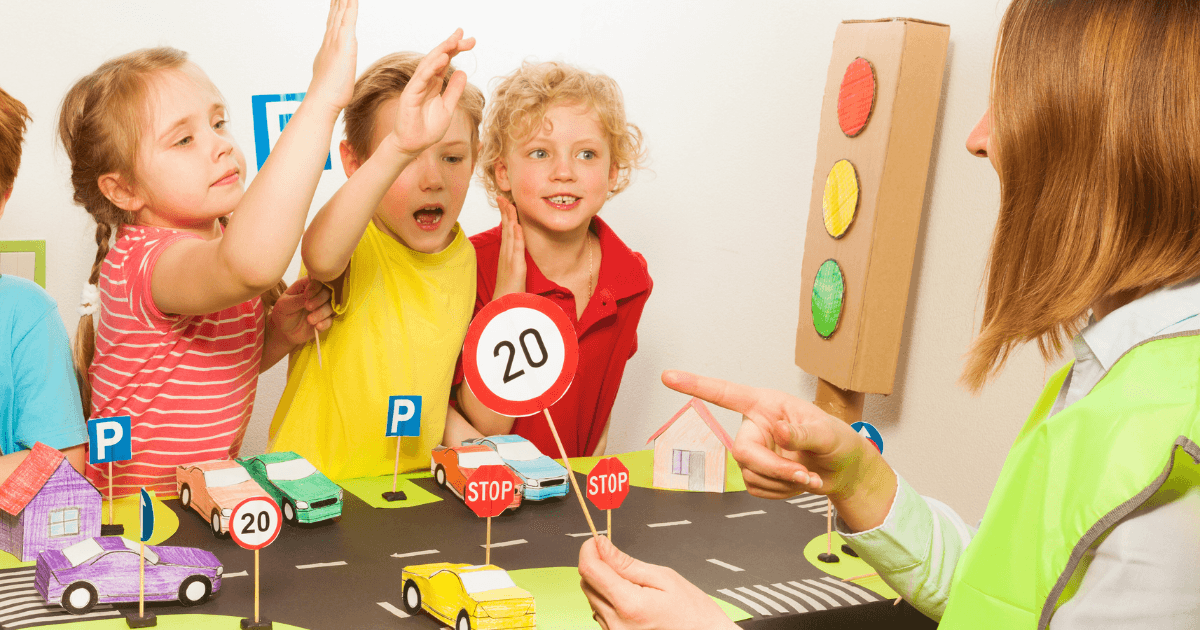
2. Participating in Group Activities
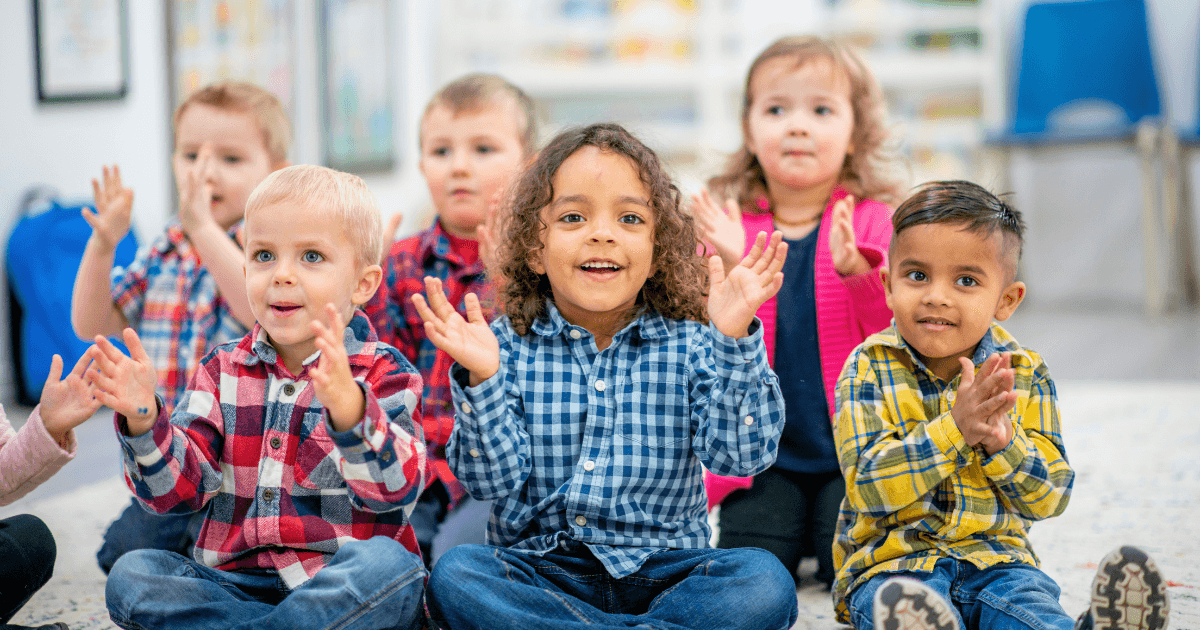
Kindergartners spend significant time in group settings. Help your child prepare by:
Kindergarten teachers often give instructions with multiple steps. Strengthen this skill by:
Starting with two-step directions and gradually increasing complexity
Playing games like “Simon Says” with multiple actions
Creating scavenger hunts with sequential clues
Involving your child in cooking with step-by-step recipes
4. Respecting Personal Space
Understanding boundaries is crucial in a classroom setting. Practice by:
Teaching the concept of “personal bubble”
Role-playing appropriate distances for different situations
Using hula hoops to visualize personal space
Discussing when it’s okay to touch others and when it’s not
5. Asking for Help Appropriately
Children need to know how to seek assistance when needed. Encourage by:
Teaching phrases like “May I please have some help?”
Role-playing scenarios requiring assistance
Praising efforts to solve problems before asking for help
Responding positively when your child requests assistance appropriately
Day Early Learning notes that “social skills involve making friends, sharing toys, taking turns, and working cooperatively in groups,” all of which create a foundation for classroom success.
Emotional Regulation
6. Identifying and Expressing Feelings
Emotional awareness is fundamental to self-regulation. Develop this skill by:
Naming emotions during daily activities
Reading books about feelings
Creating a feelings chart with faces showing different emotions
Discussing characters’ emotions in stories and shows
7. Managing Frustration
Kindergarten presents many challenges that can trigger frustration. Help your child by:
Teaching calming strategies like deep breathing
Providing challenging (but achievable) tasks
Modeling healthy responses to your own frustration
Acknowledging feelings while encouraging persistence
8. Adapting to Changes in Routine
School days involve transitions and unexpected changes. Prepare your child by:
Having brief separations that gradually increase in duration
Reading books about school separation
Maintaining a positive attitude about separation
10. Recovering from Disappointment
Not everything goes as planned in kindergarten. Build resilience by:
Acknowledging disappointment without minimizing feelings
Helping identify positive aspects of disappointing situations
Teaching phrases like “I can try again” or “Maybe next time”
Sharing age-appropriate stories about overcoming setbacks
According to The Apollo Academy, “Emotional readiness is as critical as cognitive readiness; it involves learning to share, handle disappointment, and recover from mistakes. A child who feels emotionally safe and connected is more likely to learn quickly and take intellectual risks.”
Executive Function Skills
11. Sustaining Attention
Kindergartners need to focus during lessons and activities. Strengthen attention by:
Starting with short, focused activities and gradually extending the time
Reducing background distractions during learning activities
Playing games that require sustained attention, like “I Spy”
Reading longer stories and discussing them afterward
12. Transitioning Between Activities
School days involve multiple transitions. Practice by:
Using timers to signal upcoming transitions
Creating transition songs or routines
Giving warnings before activity changes
Praising smooth transitions
13. Following Classroom Rules
Understanding and following rules is essential. Prepare by:
Creating simple house rules and consistently enforcing them
Explaining the reasons behind the rules
Role-playing classroom scenarios with rules
Visiting the kindergarten classroom to learn specific expectations
14. Organizing Materials
Kindergartners need to keep track of their belongings. Develop this skill by:
Creating designated spots for belongings at home
Practicing packing and unpacking a backpack
Using checklists with pictures for gathering materials
Teaching clean-up routines for different activities
15. Delaying Gratification
The ability to wait is crucial in a group setting. Strengthen this skill by:
Playing games that involve waiting (musical chairs, freeze dance)
Using phrases like “first ___, then ___” to establish sequence
Gradually extending wait times for desired activities
Acknowledging and praising patients waiting
Research from Edutopia indicates that “executive functioning skills include organizing and prioritizing, staying focused on tasks, and regulating emotions,” and that children develop these skills rapidly between ages 3 and 5.
Self-Help Skills
16. Using the Bathroom Independently
Bathroom independence is non-negotiable for kindergarten. Ensure your child can:
Kindergartners are responsible for their own items. Practice by:
Labeling belongings and helping your child recognize their name
Creating routines for storing items in designated places
Teaching your child to zip/unzip backpacks and lunch containers
Having your child pack and unpack their own bag
18. Dressing Appropriately
Children need to manage clothing for recess and physical activities. Help by:
Teaching how to put on/take off coats and sweaters
Practicing with shoes (especially tying laces if applicable)
Choosing clothes with simple fasteners for school days
Creating a getting-dressed sequence chart
19. Opening Lunch and Snack Items
Lunchtime independence is important. Prepare by:
Practicing with lunch boxes, containers, and food packaging
Using the actual containers they’ll use at school
Teaching strategies for opening challenging items
Encouraging asking for help when truly needed
20. Basic Hygiene Practices
Health routines are essential in group settings. Teach:
Proper handwashing technique (20 seconds with soap)
Covering coughs and sneezes with an elbow
Using tissues for runny noses
Avoiding touching the face, especially the eyes and mouth
According to Hooked on Phonics, “Practicing basic life skills, such as solving simple problems and growing independence, is crucial for kindergarten readiness.”
Physical and Motor Skills
21. Fine Motor Control
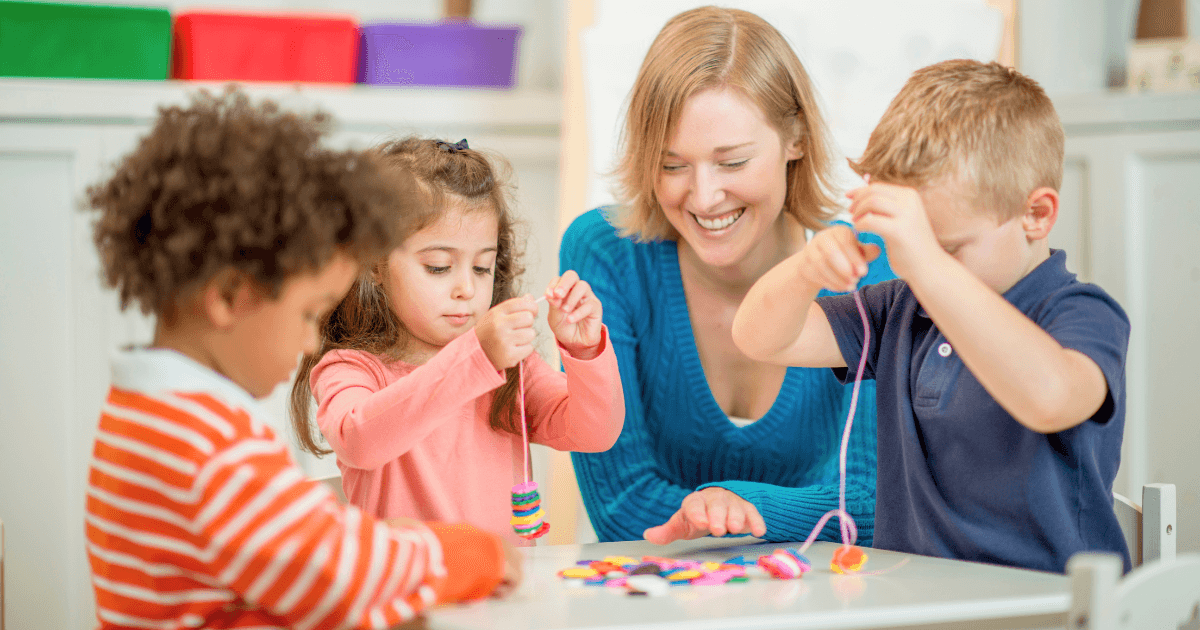
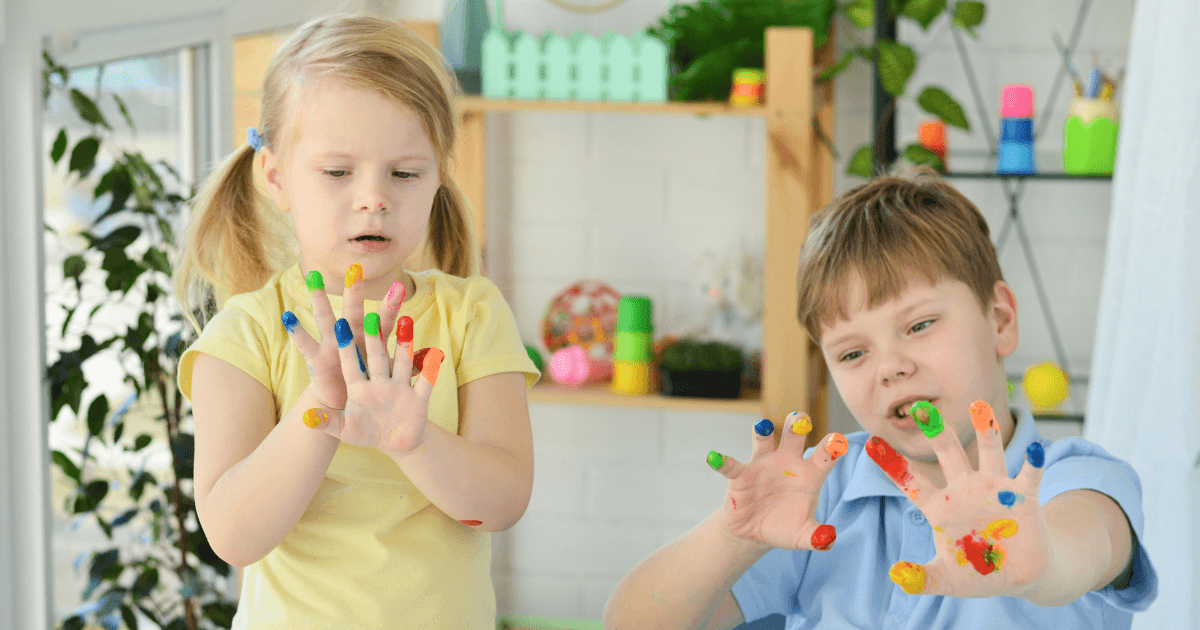
Many kindergarten activities require hand strength and coordination. Develop through:
Writing readiness depends on a correct grip. Encourage by:
Providing triangular or ergonomic pencils
Using short pencils or crayons to promote proper grip naturally
Demonstrating and gently correcting the grip
Strengthening hand muscles through activities like tearing paper
23. Basic Coordination
Physical education and playground activities require coordination. Practice through:
Throwing and catching different-sized balls
Balancing activities (walking on lines, standing on one foot)
Hopping, skipping, and jumping games
Climbing at playgrounds
24. Sitting Properly
Classroom learning often happens while seated. Help your child by:
Practicing “crisscross applesauce” sitting
Building core strength through activities like animal walks
Creating designated “learning spots” at home
Gradually increasing sitting duration during activities
25. Stamina for Full School Days
Kindergarten is physically demanding. Build stamina by:
Establishing consistent sleep routines
Gradually extending activity periods
Reducing or eliminating daytime naps if kindergarten doesn’t offer them
Alternating between active and quiet activities
Madden Therapy Solutions emphasizes the importance of “core-strengthening exercises like crawling or tummy time” and “coordinating movements like catching, throwing, or kicking a ball” for kindergarten readiness.
How to Support Your Child’s Kindergarten Readiness
Create Opportunities for Practice
Set up playdates with future classmates
Visit the school playground before the school year begins
Establish routines similar to school schedules
Create a “practice kindergarten” area at home
Use Everyday Moments
Grocery shopping: Practice following directions, waiting, and making choices
Mealtime: Encourage independence and conversation
Bedtime: Establish routines for organizing belongings
Outings: Practice public behavior expectations
Partner with Early Childhood Educators
Communicate with preschool teachers about kindergarten readiness.
Ask for specific areas to focus on at home.
Attend kindergarten orientation events.
Share information about your child’s strengths and challenges with the kindergarten teacher.
Focus on Progress, Not Perfection
Celebrate small improvements
Provide specific, positive feedback
Avoid comparisons with other children
Remember that development occurs at different rates
When to Seek Additional Support
While development varies among children, consider consulting with professionals if your child:
Has significant difficulty separating from caregivers
Struggles to communicate basic needs
Shows extreme emotional reactions regularly
Has trouble engaging with peers
Demonstrates persistent resistance to self-help tasks
Early intervention can make a significant difference in kindergarten readiness. Pediatricians, early childhood specialists, and school district resources can provide guidance and support.
The Bottom Line on Kindergarten Readiness
True kindergarten readiness goes far beyond academic skills. As Highlights for Children points out, “Social and emotional development is deeply intertwined with cognitive development, supporting attention, memory, planning, and impulse control.”
The good news is that you’re already building many of these skills through everyday interactions with your child. By intentionally focusing on these 25 non-academic skills in the months before kindergarten, you’ll help your child develop the confidence and capabilities needed for a successful transition to formal schooling.
Remember that kindergarten readiness isn’t about having mastered everything before the first day. It’s about having the foundational skills that allow your child to engage with learning, navigate social situations, and grow with confidence in the school environment.
What kindergarten readiness skills have you been focusing on with your child? Share your experiences and questions in the comments below!