Social Development Milestones: What to Expect Between Ages 3-5
The preschool years are nothing short of magical. One moment, your child is clinging to your leg at playgroup, and seemingly overnight, they’re negotiating complex playground politics with newfound friends. Between ages 3 and 5, children undergo remarkable social transformations that lay the foundation for future relationships and emotional well-being.
But what exactly should you expect during these critical years? And how can you tell if your child is developing typically or might need extra support? Let’s explore the fascinating journey of preschooler social development and the milestones that mark this exciting period.
The Importance of Social Development
Before diving into specific milestones, it’s worth understanding why social development matters so much during these years. According to the American Academy of Pediatrics, social skills acquired during the ages 3-5 directly influence:
Future academic success
Ability to form healthy relationships
Emotional regulation capabilities
Problem-solving skills
Overall mental health and well-being
Simply put, these early social experiences create the blueprint for how your child will navigate relationships throughout life.
Age-by-Age Social Milestones
3-Year-Olds: Emerging Social Awareness
At three, children are taking their first real steps into the social world. According to the CDC’s developmental milestones, typical social behaviors at this age include:
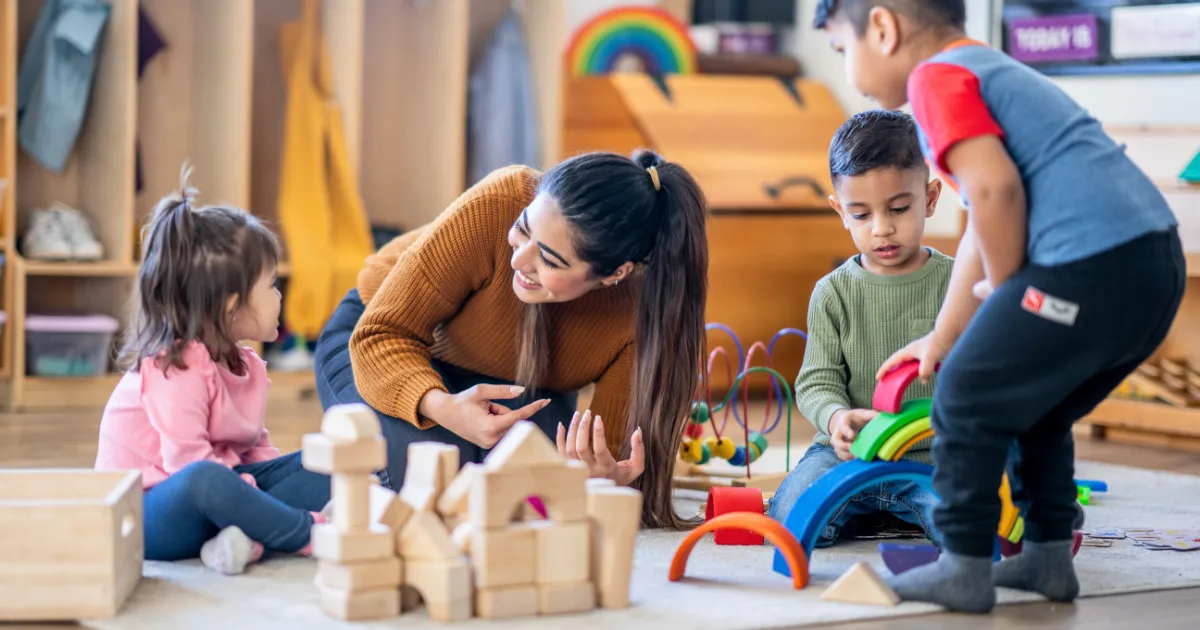
Parallel play evolving into interactive play – While they still engage in plenty of side-by-side play, they’re beginning to interact more directly with peers
Taking turns with assistance – They understand the concept, but often need adult help to execute it
Showing affection for friends – Unprompted hugs and expressions of caring emerge
Copying adults and friends – Imitation becomes a primary way of learning social rules
Separating more easily from parents – Less separation anxiety shows growing independence
Understanding the concept of “mine” and “theirs” – Though sharing remains challenging!
As Brain Balance Centers notes, three-year-olds can also interpret basic emotions from facial expressions and tone of voice, an essential building block for empathy.
What you might see: Your three-year-old might declare a playground friend their “best friend” one minute, then struggle to share a shovel the next. This inconsistency is completely normal!
4-Year-Olds: Cooperative Play Takes Center Stage
By four, social interactions become more sophisticated. According to developmental experts at Michigan’s Kids Matter, four-year-olds typically:
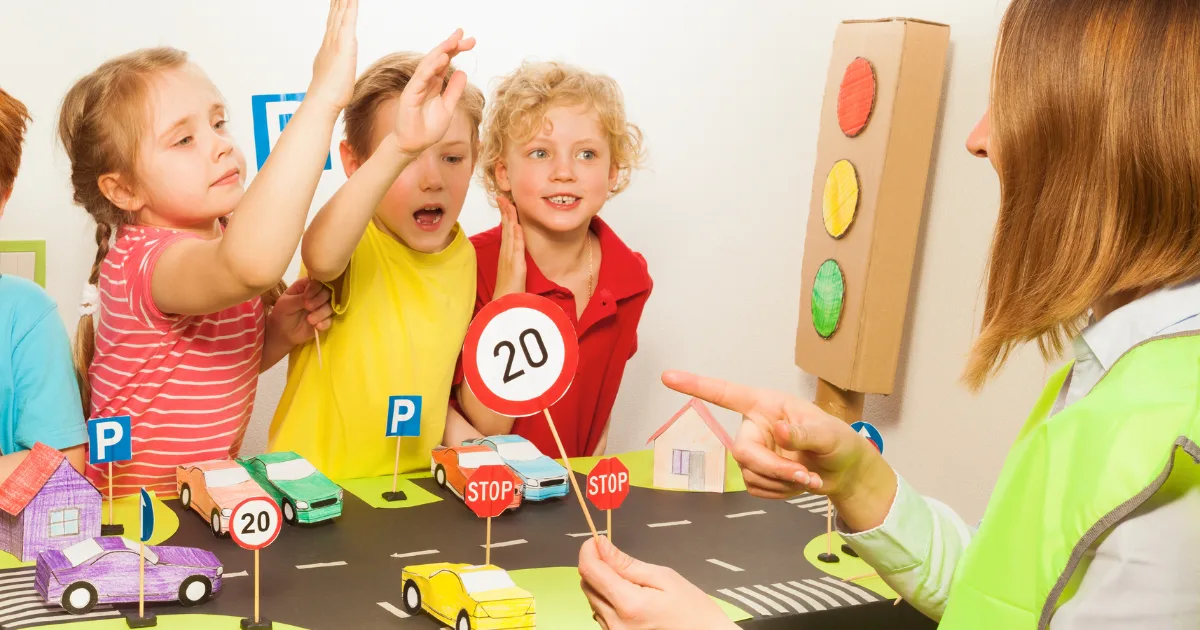
Engage in cooperative play – Working together toward common goals in play
Develop real friendships – With specific preferences for certain peers
Negotiate solutions to conflicts – Though they may still need adult guidance
Follow simple rules in games – Understanding fair play becomes important
Show interest in pleasing friends – Peer approval gains significance
Distinguish fantasy from reality – Though imaginative play remains important
Use words to express feelings – “I’m mad because you took my toy” replaces simply grabbing it back
Show increased independence – Taking pride in doing things “all by myself”
The American Psychological Association highlights that four-year-olds also begin to understand that others have different thoughts and feelings than their own—a crucial developmental milestone called “theory of mind.”
What you might see: Your four-year-old might create elaborate pretend scenarios with friends, assigning roles and negotiating plot lines: “You be the baby dinosaur, and I’ll be the mama dinosaur looking for food!”
5-Year-Olds: Social Sophistication Emerges
By five, children demonstrate remarkable social maturity. The CDC notes that typical five-year-olds:
Want to please friends and be like them – Peer influence strengthens
Follow rules more consistently – Understanding social expectations
Can tell what’s real and what’s make-believe – Though imagination remains vivid
Show more independence and may even visit neighbors on their own – With permission, of course!
Are aware of gender, and may separate boys from girls in play
Can take turns and share more willingly – Though conflicts still arise
Sing, dance, or act for others – Enjoying an audience
Understand and respect others’ property rights – “That belongs to Sarah”
Maintain conversations with multiple back-and-forth exchanges – Communication skills flourish
Research from Healthy Children indicates that five-year-olds also begin developing more complex friendships based on mutual interests rather than just proximity or convenience.
What you might see: Your five-year-old might work through complex social negotiations: “If you let me use the blue marker now, I’ll let you be first on the swing at recess.”
Red Flags: When to Seek Support
While development varies widely among children, certain signs might indicate your child needs additional support with social development. According to pediatric experts, consider consulting your child’s doctor if by age 5 your child:
Shows no interest in playing with other children
Cannot take turns or share, even with support
Has extreme difficulty separating from caregivers
Cannot engage in pretend play
Doesn’t respond to people outside the family
Shows regression in social skills previously mastered
Has trouble making eye contact or reading basic emotions in others
Early intervention makes a tremendous difference, so don’t hesitate to discuss concerns with your pediatrician.
Supporting Your Child’s Social Development
Parents and caregivers play a crucial role in nurturing social skills. Here are evidence-based strategies to support your preschooler:
1. Provide plenty of play opportunities
Arrange playdates, visit playgrounds, and enroll in group activities like library storytime or recreational classes. These experiences give your child natural opportunities to practice social skills.
2. Narrate social situations
Help your child understand social dynamics by providing simple commentary: “Look, Jayden is smiling. That means he’s happy to play with you!” This builds emotional literacy and perspective-taking.
3. Coach rather than direct
Instead of solving social problems for your child, offer guidance: “Emma looks sad. What could you do to help her feel better?” This approach builds problem-solving skills.
4. Model healthy social interactions
Children learn by watching! Demonstrate kindness, sharing, and conflict resolution in your own relationships.
5. Use pretend play as practice
Role-playing scenarios with dolls, action figures, or puppets allows children to rehearse social situations in a low-pressure environment.
6. Read books about friendship and feelings
Stories provide wonderful opportunities to discuss social concepts. Try titles like “How Do Dinosaurs Play with Friends?” or “The Invisible String.”
7. Validate emotions while setting boundaries on behavior
“I understand you’re frustrated that Tyler took your truck. It’s okay to feel angry, but we don’t hit when we’re angry. Let’s find another way to solve this problem.”
Cultural Considerations
It’s important to note that social development expectations can vary across cultures. Some cultures emphasize group harmony and cooperation from an early age, while others place a higher value on independence and self-expression. Neither approach is inherently better—they reflect different cultural values.
What matters most is that your child develops the social skills needed to thrive in their particular community and cultural context.
The Pandemic Effect
Many parents worry about how COVID-19 restrictions may have impacted their children’s social development. Research is still emerging, but experts at the Child Mind Institute suggest that most children are remarkably resilient. While some children may need extra support and practice as they return to social settings, most will catch up quickly when given opportunities.
If your child experienced significant social isolation during their preschool years, consider:
Gradually increasing social exposure
Starting with smaller, less overwhelming social settings
Being patient with regression or anxiety
Maintaining open communication with teachers about any concerns
Remember: Every Child Is Different
Perhaps the most important thing to keep in mind is that social development, like all development, follows a unique timeline for each child. Some children are naturally more outgoing, while others are more reserved. Both temperaments are completely normal and have their own strengths.
What matters most isn’t whether your child is the most popular kid in preschool, but rather that they’re developing the fundamental social skills they’ll need for healthy relationships throughout life.
By understanding these milestones and supporting your child’s unique social journey, you’re giving them invaluable tools for future happiness and success.
What social milestones has your preschooler reached? Share your experiences in the comments below!