Tiny Breaths, Big Impact: Mindfulness Activities Adapted for Young Children
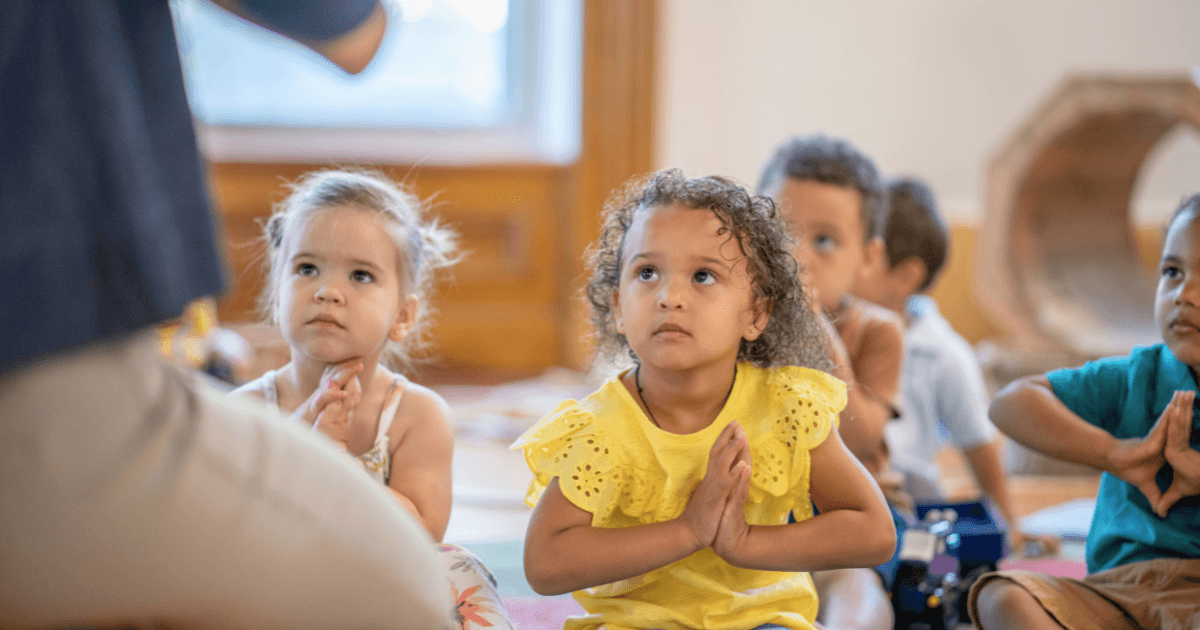
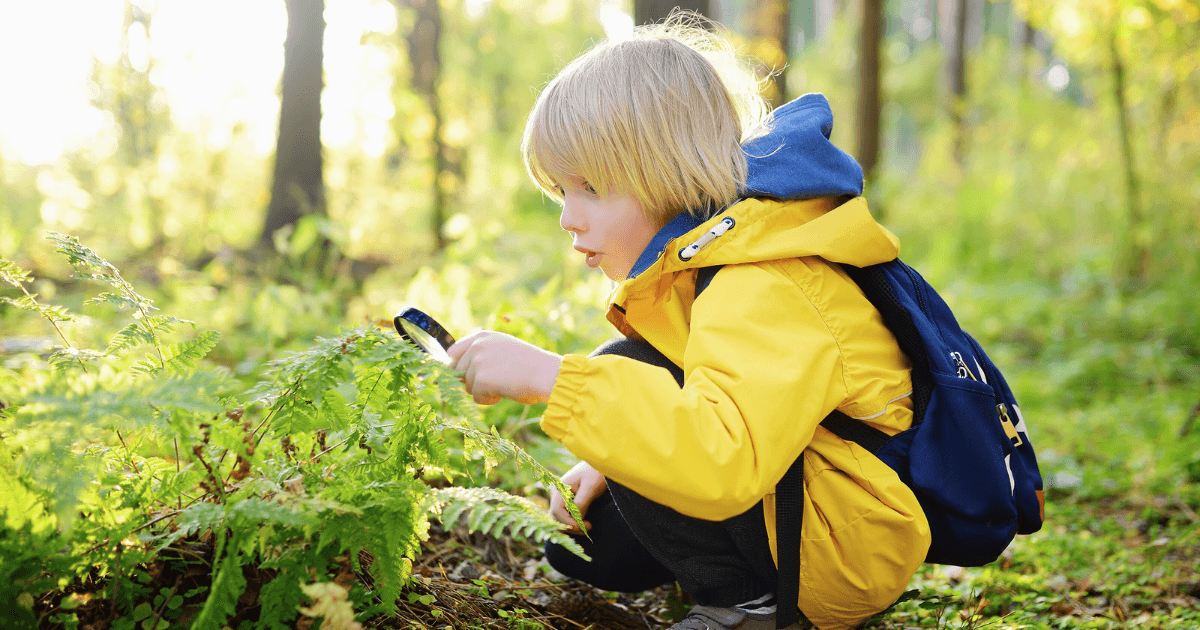
Have you ever watched a toddler completely absorbed in examining a leaf or a preschooler utterly focused on stacking blocks? Young children naturally experience moments of mindfulness—they just don’t call it that. As early childhood educators, we have a wonderful opportunity to nurture this innate capacity for present-moment awareness, helping children develop skills that will benefit them throughout their lives.
But let’s be honest: traditional adult meditation practices often fall flat with the wiggle-prone under-six crowd. That’s why I’ve compiled this collection of developmentally appropriate, playful mindfulness activities specifically designed for young children. These activities have been tested in real classrooms with real kids—with remarkable results.
Why Mindfulness Matters for Young Children
Before we dive into the activities, let’s briefly explore why mindfulness is worth our attention in early childhood settings.
Research from Waterford.org shows that mindfulness practices can actually alter brain structure in positive ways, improving reactions to stress and increasing healthy blood flow in the brain. For young children specifically, mindfulness has been shown to:
- Enhance focus and attention span
- Develop emotional regulation skills
- Reduce anxiety and stress responses
- Improve social interactions and empathy
- Support executive functioning skills
- Build resilience and coping strategies
As one preschool teacher shared with me, “Since introducing daily mindfulness moments in my classroom, I’ve noticed fewer meltdowns, more thoughtful interactions between children, and an overall calmer atmosphere—even during transition times!”
15 Mindfulness Activities Perfect for Young Children
1. Breathing Buddies
Age range: 2-6 years
Materials: Small stuffed animals or soft toys
Have children lie on their backs and place a small stuffed animal on their bellies. Invite them to watch their “breathing buddy” rise and fall as they breathe slowly. This concrete visual makes the abstract concept of breathing awareness tangible for young children.
Tip: Use language like, “Let’s rock our teddy to sleep with our calm breathing” to make the activity engaging and purpose-driven.
2. Rainbow Scavenger Hunt
Age range: 3-6 years
Materials: None
Take children on a “rainbow walk” indoors or outdoors. Invite them to find something red, then orange, yellow, green, blue, and purple. For each color, encourage them to really look at the object—its shape, texture, and unique features. This activity combines mindful observation with movement, perfect for energetic young learners.
According to Positive Psychology, activities like this “Safari” exercise help children focus their attention on the present moment through engaging their natural curiosity.
3. Mindful Listening with Sound Jars
Age range: 2-6 years
Materials: Small containers filled with different items (rice, beans, small bells, paper clips)
Create sound jars by filling small containers with different materials. Invite children to close their eyes and really listen as you shake each container. Can they identify what’s inside just by listening? This activity sharpens auditory attention and encourages children to focus on one sense at a time.
4. Flower and Candle Breathing
Age range: 3-6 years
Materials: Paper flowers and battery-operated candles (optional)
Teach children to imagine they’re smelling a beautiful flower (deep inhale through the nose) and then gently blowing out a birthday candle (slow exhale through the mouth). BrightPath Kids notes that this simple visualization helps young children grasp the concept of deep breathing in a way that’s both fun and effective.
Variation: For a more concrete experience, you can use real flowers and battery-operated candles as visual props.
5. Mindful Movement: Animal Poses
Age range: 2-6 years
Materials: None
Combine mindfulness with movement by inviting children to move like different animals while paying attention to how their bodies feel:
- Turtle: Slowly tuck your head and limbs into your “shell” (curled-up position)
- Frog: Squat down and then jump up high
- Butterfly: Sit with the soles of your feet together, gently flapping your “wings” (knees)
- Snake: Lie on your belly and slither slowly, noticing how your body touches the ground
Pause between each animal and ask children to notice how their bodies feel different after each movement.
6. Texture Treasure Box
Age range: 2-6 years
Materials: Box with various textured items (feather, smooth stone, rough pine cone, soft fabric, etc.)
Create a “texture treasure box” filled with items of different textures. Invite children to close their eyes and reach in to feel an object. Encourage them to really notice how it feels—Is it soft? Rough? Smooth? Cold? Warm?—before guessing what it might be.
As MyBrightWheel points out, sensory exploration activities like this help children develop present-moment awareness through their sense of touch.
7. Bubble Breathing
Age range: 2-6 years
Materials: Bubble solution and wands
Blowing bubbles isn’t just fun—it’s a perfect way to practice controlled breathing. Invite children to notice how gentle, slow breaths create the biggest bubbles, while quick, forceful breaths make smaller bubbles that pop quickly. This provides immediate visual feedback about breath control.
Extension: For older preschoolers, you can introduce the concept that our thoughts are like bubbles—we can notice them, watch them float away, and let them pop without having to chase after every one.
8. Mindful Snacking
Age range: 3-6 years
Materials: Small snacks (raisins, orange segments, crackers)
Transform snack time into a mindful eating experience. Guide children through exploring a small piece of food with all their senses before eating:
- Look at its color, shape, and size
- Feel its texture with fingers
- Smell its aroma
- Listen if it makes any sound when gently squeezed
- Finally, taste it slowly, noticing flavors and how they change
WeAreTeachers recommends this activity as a way to help children slow down and fully experience something they typically rush through.
9. Weather Report Check-In
Age range: 3-6 years
Materials: Weather pictures (optional)
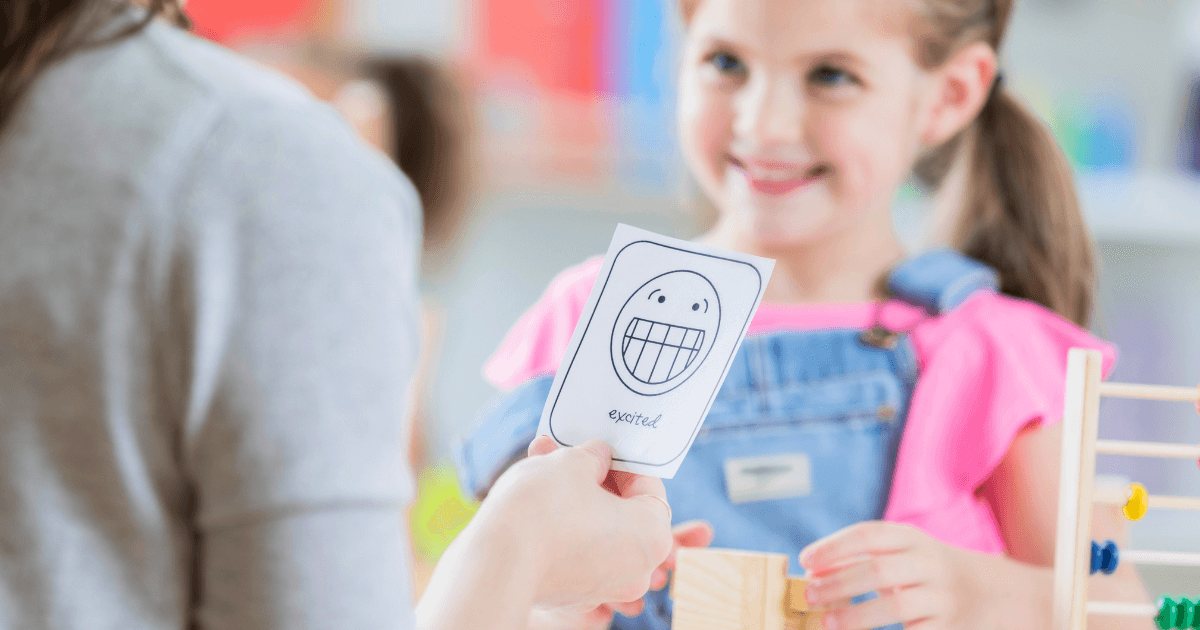
Teach children to check in with their emotions by describing their internal “weather.” Is their mind sunny, rainy, stormy, or cloudy today? This metaphor helps young children identify and express their feelings without judgment.
Tip: Create a simple chart with weather images to support children who are still developing emotional vocabulary.
10. Calming Glitter Jars
Age range: 3-6 years
Materials: Clear plastic bottles, glitter, glitter glue, water, food coloring (optional)
Create “calm-down jars” by filling plastic bottles with water, glitter glue, and loose glitter. When shaken, the swirling glitter provides a visual metaphor for busy thoughts and big feelings. As the glitter slowly settles, children’s minds often quiet too.
One kindergarten teacher shared: “We call these our ‘thinking bottles.’ When children feel overwhelmed, they can shake the bottle and watch until the glitter settles. It’s amazing how this simple tool helps them regulate their emotions.”
11. Five Finger Breathing
Age range: 4-6 years
Materials: None
Show children how to trace one hand with the index finger of their other hand. As they trace up each finger, they breathe in; as they trace down, they breathe out. This tactile breathing exercise provides a concrete way for young children to pace their breath.
12. Heartbeat Exercise
Age range: 4-6 years
Materials: None
After a period of active play, gather children to feel their heartbeats. Can they find their pulse? Can they feel their heart thumping in their chest? Guide them to notice how their heartbeat changes as they sit quietly and breathe deeply.
According to Waterford.org, this activity helps children develop body awareness and understand the connection between physical activity and their internal states.
13. Mindful Art: Finger Painting with Awareness
Age range: 2-6 years
Materials: Finger paint, paper
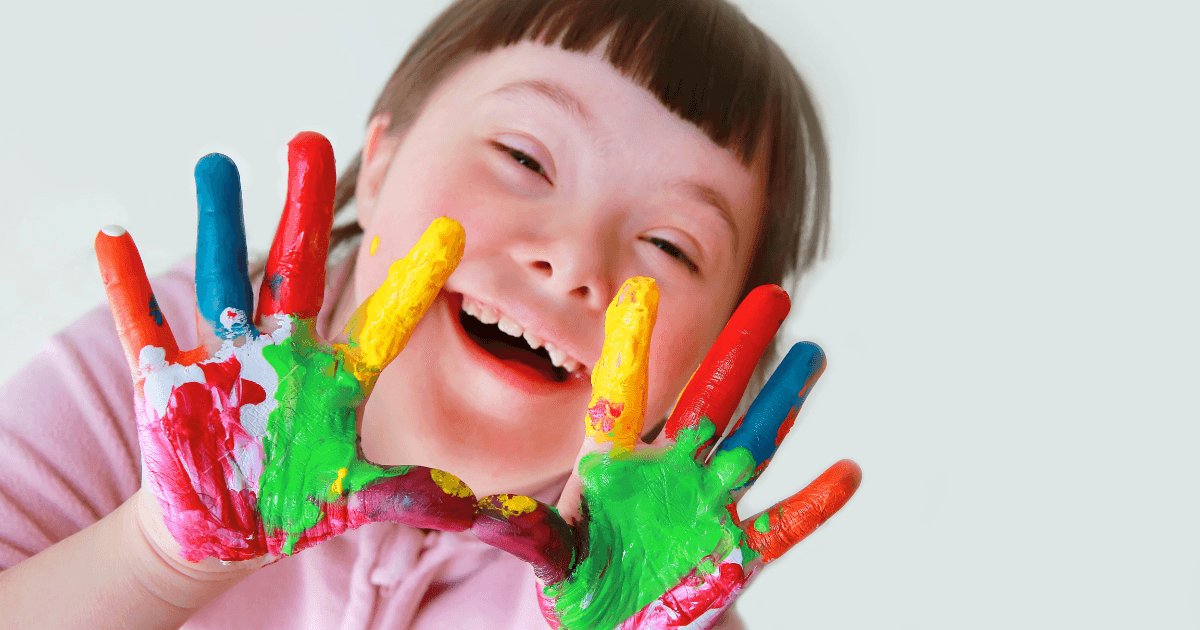
Transform finger painting into a mindful activity by encouraging children to really notice the sensations—the cool, slippery paint, the way colors mix, the feeling of fingers gliding across paper. Invite them to paint slowly and with awareness, perhaps even with their eyes closed to enhance sensory focus.
14. Gratitude Stones
Age range: 4-6 years
Materials: Smooth stones, paint (optional)
Give each child a small, smooth stone to keep in their pocket or cubby. At circle time, invite children to hold their “gratitude stone” and share something they’re thankful for. This simple practice helps develop appreciation for everyday joys.
15. Body Scan for Littles
Age range: 3-6 years
Materials: None
Guide children through a simplified body scan using child-friendly language: “Let’s play the ‘waking up our body’ game. Wiggle your toes to wake them up. Now let them rest. Wiggle your legs… now let them rest.” Continue through the major body parts, ending with “Now our whole body is awake and ready, but also calm and peaceful.”
Integrating Mindfulness into Daily Classroom Routines
Rather than treating mindfulness as a separate activity, consider weaving these practices into your existing classroom routines:
- Transition times: Use the “Flower and Candle” breathing technique when moving from active play to quieter activities
- Before meals: Practice a brief moment of gratitude or mindful awareness before eating
- After recess: Try the heartbeat exercise to help children transition back to the classroom
- During conflicts: Offer the glitter jar as a tool for regaining emotional balance
- End of day: Close with a brief body scan to help children notice how they’re feeling
Supporting Children with Special Needs
Mindfulness practices can be particularly beneficial for children with special needs, including those with ADHD, anxiety, or sensory processing challenges. However, some adaptations may be helpful:
- Shorten activities for children with limited attention spans
- Provide extra visual supports for children who benefit from visual cues
- Make activities more movement-based for children who struggle with sitting still
- Offer noise-canceling headphones during listening activities for children with auditory sensitivities
- Consider one-on-one introduction of activities before trying them in a group setting
As Waterford.org notes, “Children with learning disabilities, such as ADHD, have shown improved grades and fewer behavioral issues after mindfulness training.”
Measuring Success: What to Look For
How will you know if your mindfulness practices are making a difference? Look for these signs:
- Increased ability to name and manage emotions
- Longer attention spans during activities
- More thoughtful responses to frustration
- Improved transitions between activities
- Children spontaneously using breathing techniques during challenging moments
- Greater awareness of others’ feelings and needs
Remember that mindfulness is a practice, not a perfect. Some days will go better than others, and that’s completely normal. The goal isn’t perfect calm but rather giving children tools they can use throughout their lives to understand and regulate their internal experiences.
Getting Started: Simple First Steps
If you’re new to mindfulness with young children, start small:
- Choose just one or two activities that resonate with you personally
- Practice them yourself so you can guide children authentically
- Introduce them during a calm, receptive moment
- Keep initial sessions brief (1-3 minutes)
- Use playful, invitational language rather than demands
- Notice and celebrate moments of engagement and focus
As one preschool director shared, “We started with just one minute of mindful listening at circle time. Now, six months later, our children request their favorite mindfulness activities and even lead some of them themselves!”
What mindfulness activities have you tried with your young learners? I’d love to hear your experiences in the comments below!