Food Allergies in the Classroom: Creating a Safe Environment for All
“Ms. Jamie, can I have a snack? I’m hungry.”
Four-year-old Elijah looked up at me expectantly, pointing to the crackers another child was eating. It seemed like a simple request, but I knew it wasn’t. Elijah had severe allergies to dairy, eggs, and tree nuts—three ingredients commonly found in preschool snacks. This moment, like many throughout our day, required careful navigation to keep Elijah safe while ensuring he felt included and cared for.
Food allergies have become increasingly common in early childhood settings. According to the American Academy of Pediatrics, approximately 1 in 10 children has a food allergy—that’s roughly two children in every classroom. Since the 1990s, food allergies have increased by 50%, making this a critical safety issue that all early childhood educators must be prepared to address.
For young children with food allergies, the classroom environment can be filled with potential hazards. From shared snacks to art supplies containing food products, allergens can appear in unexpected places. As educators, we have a responsibility to create spaces where all children can learn safely, without fear of allergic reactions.
This article explores practical strategies for managing food allergies in early childhood classrooms, with a focus on creating inclusive environments that protect children’s health while supporting their social and emotional well-being.
Understanding Food Allergies: The Basics
Before diving into management strategies, let’s establish a clear understanding of food allergies and their potential impact:
What Is a Food Allergy?
A food allergy occurs when the immune system identifies a food protein as harmful and triggers a protective response. This response can range from mild (such as hives or itching) to severe and life-threatening (anaphylaxis).
Common Food Allergens
According to Food Allergy Research & Education, the most common food allergens include:
- Milk
- Eggs
- Peanuts
- Tree nuts (such as almonds, walnuts, cashews)
- Soy
- Wheat
- Fish
- Shellfish
- Sesame (recently added as the 9th major allergen)
Recognizing Allergic Reactions
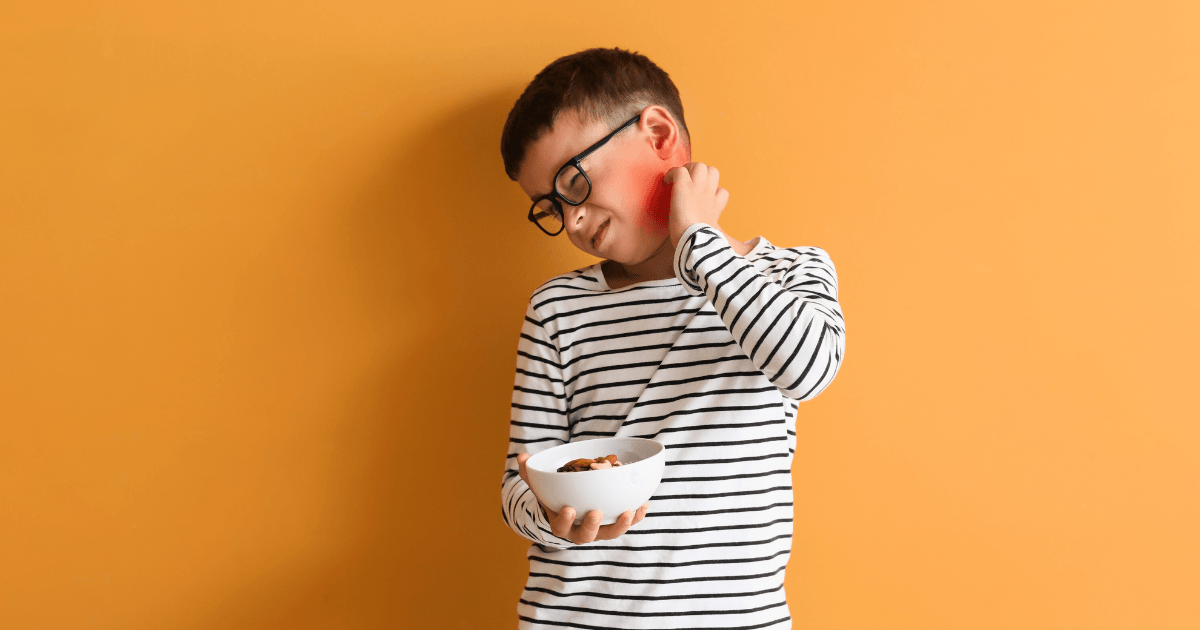
Symptoms of an allergic reaction can include:
Mild to moderate symptoms:
- Hives, itchy skin
- Swelling of lips, face, or eyes
- Stomach pain, vomiting
- Runny or blocked nose, sneezing
Severe symptoms (anaphylaxis):
- Difficulty/noisy breathing
- Swelling of tongue
- Swelling/tightness in throat
- Difficulty talking and/or hoarse voice
- Wheeze or persistent cough
- Persistent dizziness or collapse
- Pale and floppy (in young children)
It’s important to note that approximately 25% of severe allergic reactions at school occur in children with no previous diagnosis of food allergy, according to Food Allergy Research & Education. This underscores the importance of being prepared to respond to allergic reactions in any child.
Creating a Comprehensive Allergy Management Plan
Effective allergy management begins with thorough planning and communication. Here’s how to develop a comprehensive approach:
1. Gather Detailed Information
For each child with known allergies, collect:
- Emergency Care Plan (ECP): This should be completed by the child’s healthcare provider and include specific symptoms to watch for, medications to administer, and emergency contact information.
- Medication Authorization Forms: These allow you to administer prescribed medications such as antihistamines or epinephrine auto-injectors.
- Detailed Allergy Profile: Beyond just listing allergens, understand the severity of each allergy, previous reaction history, and level of sensitivity (e.g., does the child react to airborne particles or only ingestion?).
2. Develop Individual Health Plans
Work with families and healthcare providers to create an Individualized Health Care Plan (IHCP) for each child with food allergies. According to Kids With Food Allergies, this plan should outline:
- Strategies to prevent exposure to allergens
- Signs and symptoms specific to the child
- Step-by-step response protocols
- Roles and responsibilities of staff members
- Communication procedures
3. Train All Staff Members
Ensure that everyone who interacts with the child understands:
- How to recognize signs of an allergic reaction
- Where emergency medications are stored
- How to administer emergency medications
- Emergency response procedures
- Cross-contamination prevention
This training should include not just teachers, but also assistants, substitutes, volunteers, and specialists who work with the child.
4. Establish Clear Communication Systems
Create protocols for:
- Daily communication with families about food-related activities
- Informing substitute teachers about allergies
- Alerting all staff during an emergency
- Notifying other families about classroom allergens (while maintaining privacy)
5. Review and Update Regularly
Allergy management plans should be living documents that are reviewed:
- At the beginning of each school year
- When new information about the child’s allergy emerges
- After any allergic incident
- When staffing changes occur
Practical Strategies for the Classroom Environment
With a solid plan in place, let’s explore specific strategies for creating an allergy-safe classroom:
Physical Environment Modifications
Designated Eating Areas
- Create specific areas for eating that are thoroughly cleaned before and after use
- Consider having separate tables for children with severe allergies if recommended by healthcare providers
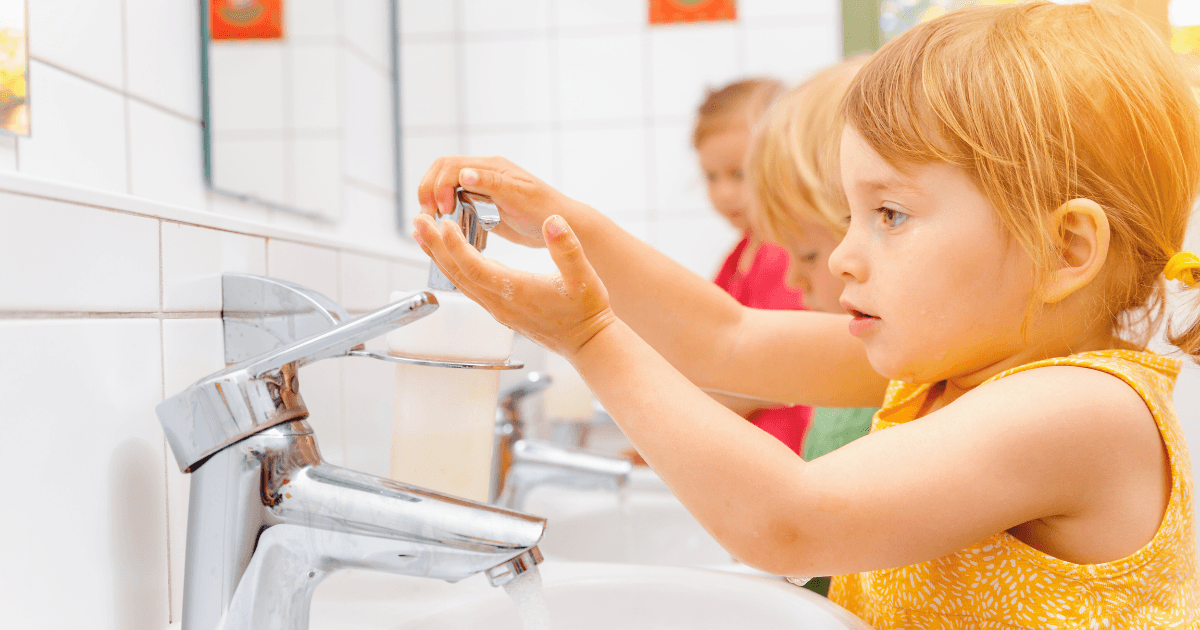
- Ensure proper hand washing before and after eating for all children
Classroom Materials and Supplies
- Read labels carefully on art supplies, which may contain food allergens (e.g., wheat in play dough, egg in finger paints)
- Create alternatives for sensory activities that typically use food items (e.g., rice, dried beans)
- Store all food-related items separately from other classroom materials
- Label shelves and storage areas to prevent cross-contamination
Cleaning Protocols
- Develop thorough cleaning procedures for tables, chairs, doorknobs, and other high-touch surfaces
- Use separate cleaning supplies for allergen-free areas to prevent cross-contamination
- Schedule deep cleaning regularly, particularly after food-related activities
Food Policy Implementation
Snack and Meal Procedures
- Consider implementing a “no food sharing” policy
- Create clear procedures for checking all foods brought into the classroom
- Establish hand washing routines before and after eating
- Develop protocols for cleaning up after meals and snacks
Special Occasions and Celebrations
- Create inclusive celebration traditions that don’t center around food
- If food is included, provide specific guidelines for families about safe options
- Keep a supply of safe alternative treats for unexpected celebrations
- Develop special occasion protocols that maintain safety while ensuring children with allergies can fully participate
Field Trips and Special Events
- Review all potential food exposures during field trips in advance
- Ensure emergency medications and action plans travel with the child
- Communicate with destination staff about allergy concerns
- Assign a specific staff member to monitor children with severe allergies during outings
Teaching Children About Allergies: Age-Appropriate Approaches
Creating a supportive social environment is just as important as managing physical safety. Here’s how to foster understanding among young children:
For Children with Allergies
- Teach simple, age-appropriate self-advocacy phrases: “I’m allergic to milk. It makes me sick.”
- Practice identifying safe and unsafe foods through pictures and role-play
- Reinforce that allergies are a normal part of some people’s bodies, not something to feel embarrassed about
- Emphasize the importance of telling a grown-up immediately if they don’t feel well
For the Whole Class
- Use child-friendly language to explain allergies: “Some foods that are safe for most friends can make other friends very sick.”
- Read age-appropriate books about food allergies
- Role-play scenarios about keeping friends safe
- Emphasize kindness and inclusion in all discussions about differences
One preschool teacher shared: “We talk about allergies the same way we talk about wearing glasses or having curly hair—it’s just one way some bodies are different, and we all help keep each other safe.”
Partnering with Families
Effective allergy management requires strong partnerships with all families in your classroom:
Working with Families of Children with Allergies
- Schedule regular check-ins beyond required meetings
- Create easy communication channels for questions or concerns
- Involve families in planning special events
- Request updates about any changes in the child’s allergy status
- Provide emotional support for families navigating the challenges of food allergies
Communicating with All Families
- Explain classroom allergy policies clearly at the beginning of the year
- Provide specific guidelines for foods that can and cannot be brought into the classroom
- Share the rationale behind policies to build understanding and compliance
- Offer suggestions for safe alternatives when needed
- Express appreciation for cooperation in keeping all children safe
According to Allergic Living, approximately one-third of food-allergic children experience bullying related to their food allergies. By creating a community of understanding among all families, we can help prevent this harmful behavior from developing.
Emergency Preparedness and Response
Despite our best prevention efforts, emergencies can occur. Being prepared is essential:
Emergency Medication Management
- Store emergency medications in a secure but easily accessible location
- Ensure medications are clearly labeled with the child’s name and dosage information
- Check expiration dates regularly
- Have a system for taking medications during evacuations or when outside the classroom
Emergency Response Protocol
Create a clear, step-by-step protocol for responding to allergic reactions:
- Recognize symptoms of an allergic reaction
- Alert designated staff members
- Administer emergency medication if needed
- Call emergency services (911)
- Contact the child’s parents
- Document the incident thoroughly
Practicing Emergency Procedures
- Conduct regular drills specific to allergy emergencies
- Role-play different scenarios with staff
- Review procedures after drills to identify areas for improvement
- Ensure substitute teachers understand emergency protocols
Addressing Common Challenges
Even with careful planning, challenges will arise. Here are strategies for navigating common issues:
Challenge: Balancing Safety and Inclusion
Solution: Rather than excluding children with allergies from activities, redesign activities to be safe for everyone. For example, instead of using peanut butter for bird feeders, use shortening mixed with birdseed.
Challenge: Managing Special Occasions
Solution: Create a file of inclusive celebration ideas that don’t center around food, such as special games, craft projects, or classroom traditions that make children feel special without introducing allergens.
Challenge: Resistance from Other Families
Solution: Provide education about the seriousness of food allergies and focus on the positive aspects of inclusive policies: “Our allergen-aware classroom helps all children learn about taking care of each other.”
Challenge: Limited Resources for Alternatives
Solution: Build a resource bank of affordable, allergen-free options for activities and celebrations. Connect with local allergy support groups who may provide resources or donations.
Challenge: Staff Turnover or Substitutes
Solution: Create clear, written protocols and quick-reference emergency guides that are prominently displayed in the classroom for anyone working with the children.
Case Study: Creating an Inclusive Allergen-Aware Preschool
To illustrate these principles in action, let’s look at how one preschool transformed their approach to food allergies:
Sunshine Preschool had several children with various food allergies, ranging from mild to severe. Rather than creating different protocols for each child, they implemented a comprehensive allergen-aware approach:
- Environmental Changes:
- Designated eating areas with specific cleaning protocols
- Removed food from art and sensory activities, finding creative alternatives
- Created picture-based hand washing stations throughout the classroom
- Policy Implementation:
- Developed a “safe snack” list for all families
- Implemented a birthday celebration policy featuring non-food traditions
- Created photo identification cards for children with allergies (with family permission) to help substitutes identify them quickly
- Educational Approach:
- Incorporated books about differences, including food allergies, into regular reading time
- Created a puppet show about keeping friends safe
- Developed a “community helpers” theme that included how classmates help keep each other healthy
- Family Engagement:
- Hosted an information night about food allergies
- Created a recipe-sharing system for safe treats
- Established a parent committee to plan inclusive celebrations
The result? A classroom where allergies were managed so effectively that they faded into the background of daily life. Children with allergies participated fully without constant attention to their “difference,” while all children developed empathy and an understanding of how to care for others.
Resources for Ongoing Learning
Allergy management practices continue to evolve as research advances. Stay updated through these resources:
- Food Allergy Research & Education (FARE): Offers free online training courses for educators
- Centers for Disease Control and Prevention (CDC): Provides voluntary guidelines for managing food allergies in schools
- Kids With Food Allergies: Offers resources specifically for schools and early childhood programs
- Allergy Home: Provides free resources for schools, including downloadable signs and forms
Conclusion: Beyond Safety to Belonging
Managing food allergies in the early childhood classroom goes beyond simply preventing reactions—it’s about creating an environment where all children feel safe, included, and valued. When we approach allergy management thoughtfully, we teach powerful lessons about community care, empathy, and inclusion.
The accommodations we make for children with food allergies often benefit all children through cleaner environments, more creative activities, and stronger community connections. By viewing food allergy management as an opportunity rather than a burden, we can create classrooms where every child can thrive.
As Maria, a preschool teacher in Boston, shared: “When we shifted our thinking from ‘restricting foods’ to ‘creating safety,’ everything changed. Our classroom became a model of inclusion, and the children developed incredible empathy. They don’t see allergies as limitations—they see them as just another way we take care of each other.”
What strategies have you found effective for managing food allergies in your classroom? Share your experiences in the comments below!