Dual Language Learning: Supporting Multilingual Preschoolers
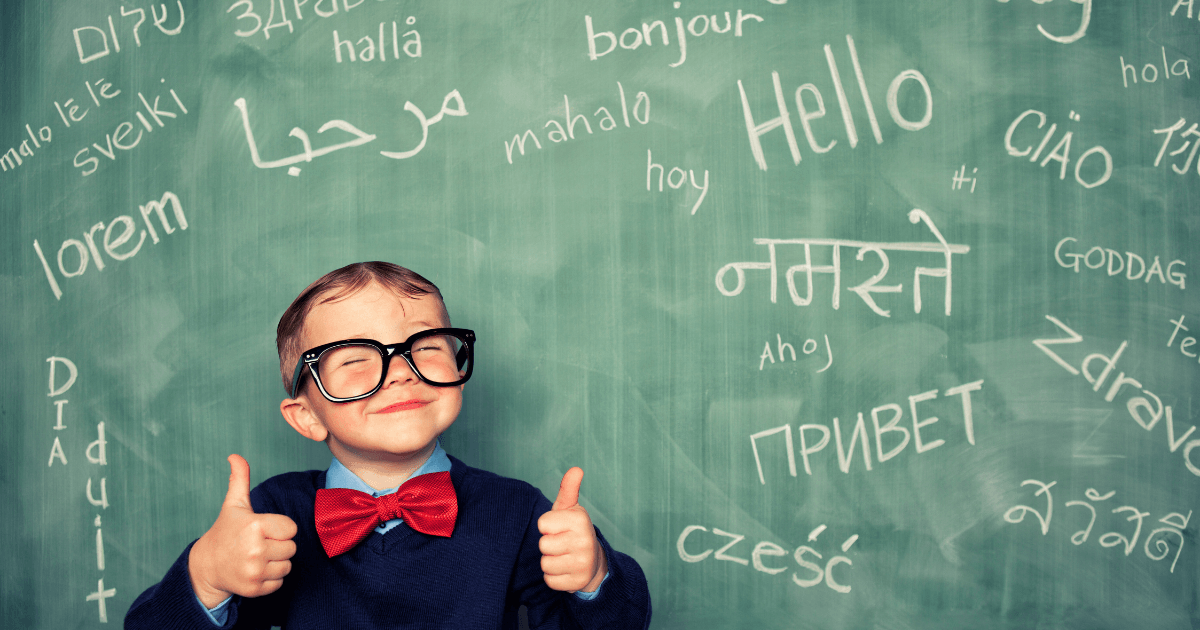
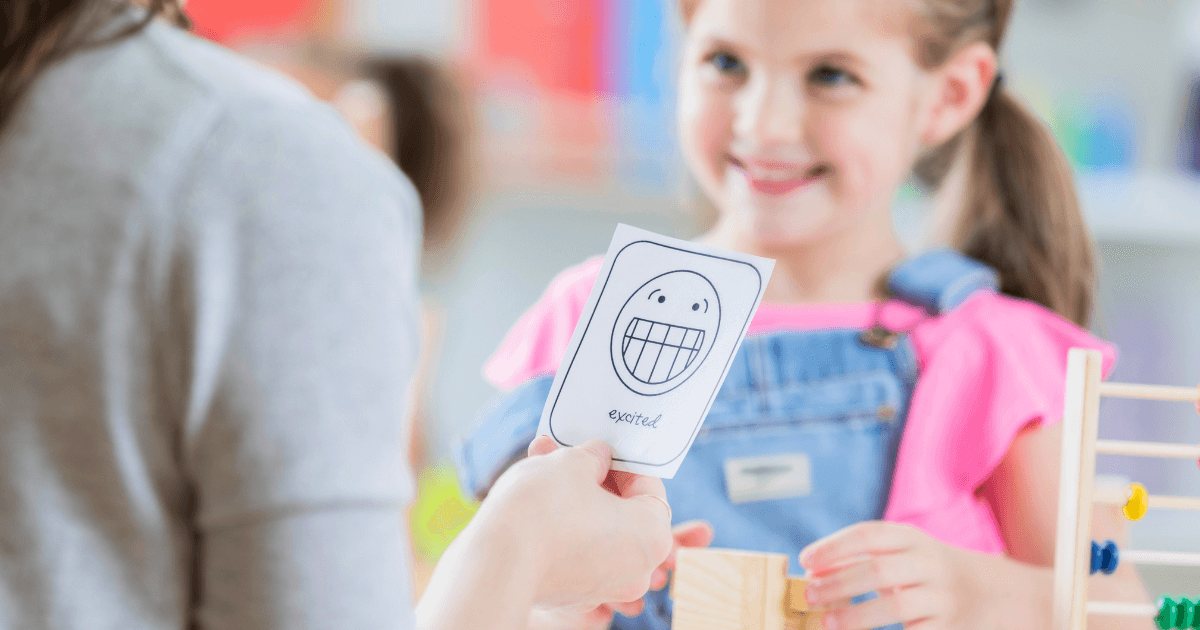
In a preschool classroom in Seattle, four-year-old Sofia confidently leads the morning greeting, first in English, then in Spanish. Across the room, Mei and her teacher use picture cards as they practice naming animals in both Mandarin and English. Meanwhile, Ahmed points to a classroom label written in both Arabic and English, proudly showing a visitor how to say “door” in both languages.
This is the face of the modern early childhood classroom—increasingly multilingual, culturally diverse, and rich with linguistic opportunity. According to Funshine Express, “Nearly 25% of children in preschool programs in the United States are multilingual,” and this percentage is projected to reach nearly 40% by 2030.
For early childhood educators, supporting dual language learners (DLLs) isn’t just an occasional accommodation—it’s an essential aspect of creating inclusive, developmentally appropriate learning environments for all children.
Understanding Dual Language Development
Before diving into strategies, let’s clarify what we mean by dual language learners and how language develops in multilingual contexts.
Who Are Dual Language Learners?
Dual language learners are children who are acquiring two or more languages simultaneously during the early childhood years. This includes:
- Children who speak a language other than English at home and are learning English in their educational setting
- Children in dual language immersion programs who are learning content through two languages
- Children whose families are intentionally raising them with multiple languages
According to Zero to Three, “Approximately one-third of all children from birth to age3 in the United States are dual language (or multilingual) learners.”
How Dual Language Development Differs
Multilingual language acquisition follows a somewhat different path than monolingual development:
Shared Underlying Proficiency Children developing multiple languages build a common cognitive foundation that supports both languages. Skills and concepts learned in one language transfer to the other, even when vocabulary differs.
Code-Switching Multilingual children naturally mix languages as part of normal development, using words from both languages in the same sentence. This isn’t confusion—it’s a sophisticated linguistic strategy that allows children to express themselves using their full language repertoire.
Silent or Nonverbal Periods When entering a new language environment, dual language learners may go through a period of observation before speaking. This is a normal phase of absorbing language patterns, not a developmental delay or learning disability.
Uneven Development Across Languages Children may develop different strengths in each language depending on context. For example, a child might know food words in their home language but playground vocabulary in English.
The Compelling Benefits of Multilingualism
Supporting dual language development isn’t just about accommodation—it’s about recognizing and nurturing significant cognitive and social advantages.
Cognitive Advantages
Research consistently shows that bilingualism provides remarkable cognitive benefits:
- Enhanced executive function: ParentApp notes that “Bilingual children often outperform monolingual peers in tasks requiring attention control, cognitive flexibility, and working memory.”
- Metalinguistic awareness: Multilingual children develop stronger awareness of how language works as a system, which supports later literacy skills.
- Problem-solving abilities: Managing multiple languages enhances creative thinking and novel approaches to problems.
- Academic achievement: Well-supported dual language learners often show stronger academic performance by elementary school compared to monolingual peers.
Social-Emotional Benefits
Beyond cognitive advantages, multilingualism offers important social-emotional benefits:
- Cultural identity: Maintaining home language helps children develop strong cultural identity and family connections.
- Perspective-taking: Navigating multiple languages enhances children’s ability to see situations from different viewpoints.
- Future opportunities: Early multilingualism opens doors for later social, academic, and professional opportunities.
Creating a Language-Rich Environment
The physical environment plays a crucial role in supporting dual language learners. Here’s how to create spaces that honor and develop multiple languages:
Multilingual Print Environment
Surround children with print in multiple languages:
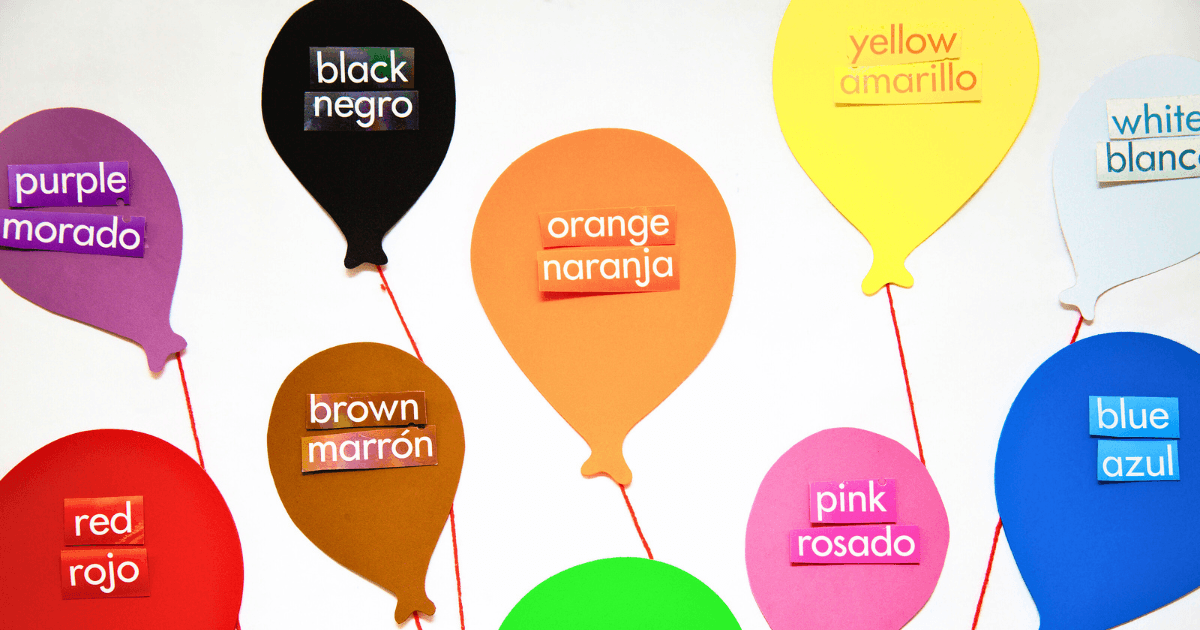
- Dual-language labels: Label classroom areas, materials, and objects in English and the languages represented in your classroom.
- Diverse books: Create a classroom library with books in multiple languages, including bilingual books, books in children’s home languages, and books that represent diverse cultures.
- Environmental print: Display classroom rules, schedules, and other functional text in multiple languages.
Implementation tip: Funshine Express suggests “adding bilingual labels to classroom items” and “including multilingual books in both English and children’s home languages” to create a language-friendly environment.
Visual Supports
Enhance understanding through visual communication:
- Picture schedules and cues: Use visual schedules and picture cues to help children understand classroom routines and expectations.
- Visual vocabulary: Create picture cards for key vocabulary in all classroom languages.
- Gestures and demonstrations: Consistently pair verbal instructions with gestures and physical demonstrations.
Implementation tip: ParentApp recommends using “visual supports” to make language comprehensible for dual language learners, particularly when introducing new concepts or vocabulary.
Cultural Representation
Ensure the environment reflects children’s cultural identities:
- Diverse materials: Include dolls, play food, dress-up clothes, and other materials that reflect children’s cultural backgrounds.
- Music and media: Play songs, stories, and other media in multiple languages throughout the day.
- Cultural artifacts: Display photos, artwork, and objects that represent the cultures and languages in your classroom.
Implementation example: In Ms. Chen’s classroom, the dramatic play area includes cooking utensils, food containers, and clothing from the various cultures represented by her students. The listening center features stories recorded by family members in their home languages.
Effective Instructional Strategies
Beyond the environment, specific teaching strategies can significantly support dual language learners’ success.
Responsive Language Interactions
The quality of adult-child language interactions is perhaps the most critical factor in supporting dual language development:
- Responsive talk: The Hanen Centre notes that “a recent study found that the only strategy predicting DLLs’ expressive language skills was educators’ use of responsive talk.” This means following children’s lead, responding to their communication attempts, and extending their language.
- The “4 S’s” strategy: Hanen recommends using the “4 S’s” when speaking with dual language learners:
- Say Less: Use simple sentences
- Stress: Emphasize new or important words
- Go Slow: Slow down the pace and pause frequently
- Show: Use gestures or objects to illustrate meaning
- Repetition and expansion: Repeat what children say and expand it slightly to model more complex language.
Implementation example: When Mei points to a butterfly and says “fly,” her teacher responds, “Yes, the butterfly is flying! It has beautiful wings.” She pairs this with a gentle flying motion with her hands.
Total Physical Response (TPR)
This research-backed approach connects language with physical movement:
- Action-based vocabulary: Teach new words through corresponding actions (e.g., jump, clap, point).
- Movement songs and games: Use songs with movements that illustrate meaning.
- Follow directions activities: Play games where children follow increasingly complex physical directions.
Implementation tip: ParentApp explains that “Total Physical Response (TPR) techniques help make language comprehensible by connecting words and concepts to physical actions.” This multisensory approach is particularly effective for vocabulary acquisition.
Translanguaging Practices
Rather than strictly separating languages, strategic translanguaging supports comprehension and expression:
- Strategic language mixing: Intentionally use both languages to support understanding of complex concepts.
- Cognate instruction: Explicitly teach words that are similar across languages (e.g., “elephant”/”elefante”).
- Full linguistic repertoire: Encourage children to use all their language resources to express themselves.
Implementation tip: Pacific Learning explains that “translanguaging allows children to use all their linguistic resources, encouraging them to mix languages thoughtfully for deeper comprehension.”
Collaborative Learning
Peer interaction provides authentic contexts for language practice:
- Mixed language groupings: Pair children with different language backgrounds for collaborative activities.
- Buddy systems: Connect dual language learners with supportive peers who can model language.
- Small group work: Create opportunities for extended conversations in small groups.
Implementation example: In Mr. Jackson’s classroom, children work in mixed-language pairs during center time, with picture cards and key vocabulary posted to support their interaction. He regularly rotates these partnerships to expose children to different language models.
Family Partnership Strategies
Families are essential partners in supporting dual language development. Here are approaches for meaningful collaboration:
Affirming Home Language Maintenance
One of the most important messages for families is the value of maintaining the home language:
- Research-based guidance: Share research showing that strong home language development supports, rather than hinders, English acquisition.
- Practical suggestions: Provide specific ideas for home language activities like reading, storytelling, and conversation.
- Countering misconceptions: Address common myths about language confusion or delayed development.
Implementation tip: Zero to Three emphasizes that “partnering with families is crucial for supporting dual language acquisition, as meaningful interactions in each language enhance language development.”
Two-Way Information Sharing
Create systems for ongoing communication with families about language development:
- Language history interviews: Gather information about children’s language experiences, strengths, and preferences.
- Regular updates: Share observations about children’s language development in both languages.
- Cultural context: Learn about families’ goals and values regarding language development.
Implementation example: Ms. Rodriguez uses a communication app with translation features to share weekly updates with families about classroom activities and language learning. She invites families to share words, songs, or stories from their home language that connect to classroom themes.
Classroom Involvement
Invite families to share their language and culture in the classroom:
- Family visitors: Invite family members to read stories, teach songs, or share cultural traditions in their home language.
- Recorded resources: Ask families to record songs or stories that can be used in the classroom.
- Cultural celebrations: Collaborate with families to share meaningful cultural celebrations and traditions.
Implementation tip: Zero to Three suggests “inviting family members to share their language and culture in the early childhood education program” to foster a welcoming environment and enrich the learning experience for all children.
Assessment Considerations
Accurately assessing dual language learners requires approaches that account for their unique language development:
Holistic Assessment Practices
Look at the child’s abilities across languages and contexts:
- Assess in all languages: Whenever possible, assess skills in both the home language and English.
- Multiple measures: Use a variety of assessment approaches, including observation, work samples, and family input.
- Focus on progress: Track individual progress rather than comparing to monolingual norms.
Implementation tip: ParentApp advises that “monitoring children’s progress in both languages is essential for understanding their development and providing appropriate support.”
Avoiding Common Pitfalls
Be aware of assessment challenges specific to dual language learners:
- Misinterpreting silent periods: Recognize that observation periods are normal and don’t indicate delays.
- Language vs. learning needs: Distinguish between language acquisition processes and potential learning disabilities.
- Cultural bias in assessments: Use culturally responsive assessment tools and approaches.
Implementation example: Instead of using only standardized assessments, Ms. Lee creates language portfolios for each child that include samples of their communication in all languages, family observations, and documentation of progress over time.
Professional Development for Educators
Supporting dual language learners effectively requires ongoing professional learning:
Essential Knowledge Areas
Educators need specific knowledge to support multilingual development:
- Second language acquisition: Understanding the stages and processes of learning additional languages
- Cultural competence: Developing awareness of cultural influences on learning and communication
- Specific strategies: Learning evidence-based approaches for supporting dual language learners
Implementation tip: Funshine Express notes that “professional development is crucial for educators to effectively support multilingual learners” and recommends seeking “training focused on language acquisition and bilingual education.”
Collaborative Learning:
Educators benefit from learning together:
- Professional learning communities: Form groups focused on supporting dual language learners
- Peer observation: Observe colleagues who effectively support multilingual children
- Shared resources: Collectively develop and share multilingual materials and strategies
Implementation example: A preschool team establishes a monthly “Language Learning Circle” where they share successful strategies, problem-solve challenges, and study research on dual language development together.
Common Challenges and Solutions
Supporting dual language learners comes with challenges. Here are solutions to common issues:
Limited Resources in Home Languages
Challenge: Finding books, materials, and resources in all the languages represented in your classroom
Solutions:
- Partner with community organizations and libraries
- Ask families to help create simple books and materials
- Use translation apps and services for basic materials
- Create a shared resource library with other programs
Communication Barriers with Families
Challenge: Communicating effectively with families who speak languages different from the teaching staff
Solutions:
- Use translation apps and services for written communication
- Identify bilingual staff or volunteers who can assist with interpretation
- Use visual communication tools like photos and videos
- Learn key phrases in families’ languages
Balancing Multiple Languages in the Classroom
Challenge: Supporting multiple languages when teachers may only speak one or two
Solutions:
- Focus on creating a language-positive environment for all languages
- Use recorded songs, stories, and greetings in various languages
- Invite family and community members to share their language expertise
- Learn and use key words and phrases from children’s home languages
Success Story: Transformation Through Intentional Support
When Centro Alegre Preschool noticed that their dual language learners were participating less during group activities, they decided to transform their approach. Director Elena Gomez explains:
“We realized we were unintentionally creating an English-dominant environment, despite having many Spanish-speaking children. We began by taking a hard look at our classroom environment, materials, and teaching practices.”
Their transformation included:
- Creating a print-rich environment with all text in both Spanish and English
- Implementing a 50/50 dual language model with designated times for each language
- Providing professional development on dual language acquisition for all staff
- Developing stronger partnerships with families around language development
The results were remarkable. “Within months, we saw dual language learners becoming more engaged, confident, and expressive in both languages,” Elena reports. “Their vocabulary expanded, and they began initiating more interactions with peers and teachers. Perhaps most importantly, families reported that children were more proud of their home language and eager to share their cultural identity.”
Final Thoughts: The Gift of Multilingualism
Supporting dual language learners isn’t just about helping them acquire English—it’s about nurturing the tremendous cognitive, social, and cultural advantages of multilingualism. When we create environments that value all languages, we send a powerful message that children’s full identities are welcomed and celebrated.
As Zero to Three eloquently states, “Celebrating multilingualism as a strength benefits not only dual language learners but all children and society, enhancing academic success and social-emotional development.” By implementing thoughtful strategies to support multilingual preschoolers, we’re not just teaching language—we’re opening doors to a world of opportunity and connection.
What strategies have you found effective for supporting dual language learners in your early childhood setting? Share your experiences in the comments below!