Preschool Learning Milestones: What to Expect at Ages 3, 4, and 5
The preschool years represent an extraordinary period of growth and development. Between ages 3 and 5, children transform from toddlers into school-ready youngsters, mastering countless skills across all developmental domains. This rapid evolution can sometimes leave parents wondering: Is my child on track? What skills should they be developing? How can I best support their learning journey?
This comprehensive guide breaks down the typical developmental milestones for preschoolers by age and domain, providing parents and caregivers with a roadmap for what to expect during these formative years. Remember that children develop at their own pace, and the age ranges provided are general guidelines rather than strict rules.
Why Preschool Development Matters
Before diving into specific milestones, it’s important to understand why this period is so crucial. According to All for Kids, approximately 85% of a person’s brain is developed by age 5. These early years lay the foundation for all future learning, behavior, and health.
Research consistently shows that children who reach key developmental milestones during the preschool years are better prepared for kindergarten and more likely to experience academic success. However, development isn’t just about academic readiness—it encompasses physical, social, emotional, and cognitive growth that shapes a child’s entire future.
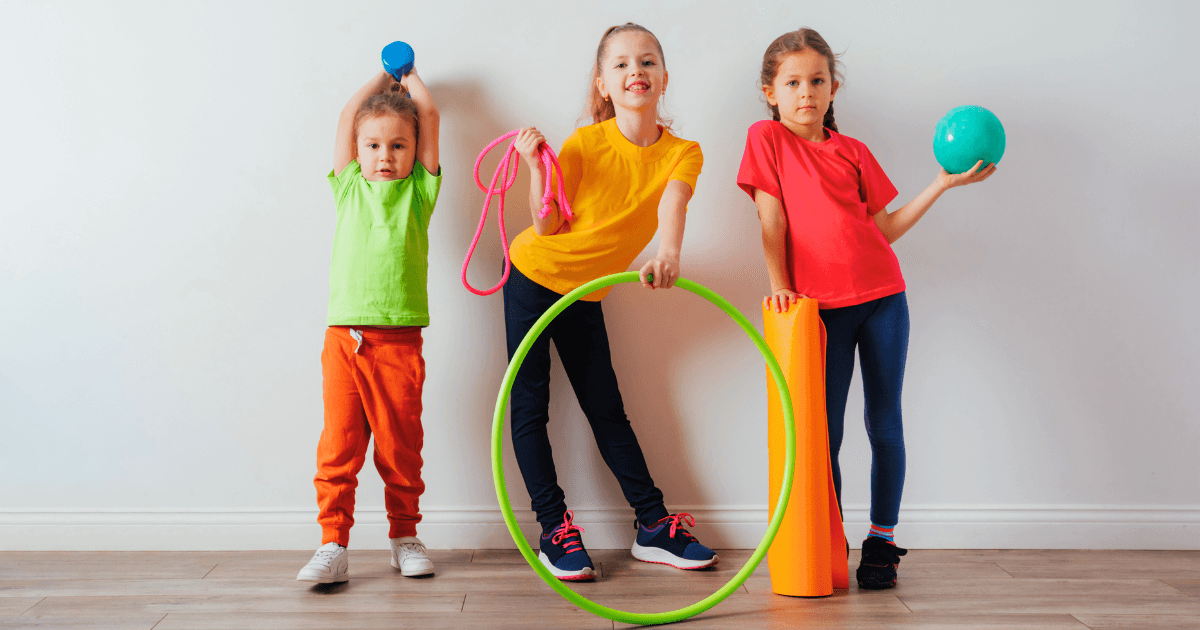
Climbs playground equipment with increasing confidence
Pedals a tricycle
Walks up and down stairs alternating feet (one foot per step)
Kicks a ball forward
Throws a ball overhand
Stands on one foot for up to 5 seconds
Hops on one foot
Fine Motor Skills (small muscle movements)
Builds a tower of 9-10 blocks
Copies a circle when shown
Draws a person with at least one body part besides the head
Turns book pages one at a time
Uses child-safe scissors (with supervision)
String large beads
Can work simple puzzles (3-4 pieces)
Begins to show hand preference (left or right)
According to Riley Children’s Health, a 3-year-old’s increasing coordination allows them to run and navigate stairs with ease, important physical milestones that support their growing independence.
Cognitive Development at Age 3
Engages in pretend play with toys and people
Understands the concept of “same” and “different”
Follows simple two-step instructions
Sorts objects by shape or color
Completes puzzles with 3-4 pieces
Understands the concept of counting and may know some numbers
Recognizes some colors by name
Remembers parts of a story
Understands the concept of “mine” and “his/hers”
Begins to have a sense of time (understands “later” and “soon”)
The CDC notes that cognitive milestones at this age include naming colors and recalling parts of stories, skills that lay the groundwork for later academic learning.
Language and Communication at Age 3
Uses 3-4 word sentences
Speech is understood by familiar adults about 75% of the time
Asks “who,” “what,” “where,” and “why” questions
Uses pronouns (I, you, me, we, they)
Expresses ideas and feelings
Tells simple stories
Names at least one color
Understands words like “in,” “on,” and “under”
Has a vocabulary of approximately 1,000 words
Can say their first name when asked
According to Healthy Children, by age 3, children typically use 3-word sentences and have speech that is about 75% understandable to strangers.
Social and Emotional Development at Age 3
Takes turns with assistance
Shows concern for a crying friend
Understands the concept of “mine” and “his/hers”
Separates easily from parents in familiar settings
Expresses a wide range of emotions
May have specific fears (dark, monsters)
Engages in parallel play, gradually moving toward interactive play
Imitates adults and playmates
Shows affection for familiar playmates
Can calm down within 10 minutes when upset
Dresses and undresses with minimal assistance
Research from Ages & Stages indicates that a 3-year-old can typically calm down within 10 minutes after being upset and notice other children, joining them in play.
Self-Help Skills at Age 3
Feeds self independently with spoon and fork
Pours from a small pitcher with some spilling
Puts on and takes off simple clothing items (may need help with buttons, zippers)
Four-year-olds are increasingly social and inquisitive. Their language explodes, and their questions about the world seem endless. This is a year of significant cognitive and social growth.
Physical Development at Age 4
Gross Motor Skills
Hops on one foot for 2-5 seconds
Catches a bounced ball most of the time
Skips or gallops (though may not alternate feet)
Walks downstairs using alternating feet without support
Throws a ball overhand with increasing accuracy
Kicks a ball with directed aim
Can stop, start, and change direction while running
Demonstrates improved balance and coordination
Fine Motor Skills
Copies simple shapes (square, some letters)
Cuts along a straight line with scissors
Draws a person with 3-4 body parts
Uses a fork and spoon correctly
Holds a pencil with a proper tripod grasp (between thumb and fingers, not in a fist)
Buttons large buttons
Completes puzzles with 4-12 pieces
Builds more complex structures with blocks or Legos
The CDC’s Developmental Milestones indicate that by age 4, children can typically catch a large ball most of the time and hold a crayon or pencil between fingers and thumb rather than in a fist.
Cognitive Development at Age 4
Correctly names some colors
Understands the concept of counting and may count to 10 or higher
Begins to understand time concepts (morning, afternoon, tomorrow)
Recalls parts of a story
Understands the concepts of “same” and “different”
Engages in increasingly complex pretend play
Sorts objects by attributes (color, size, shape)
Completes age-appropriate puzzles
Understands the concept of “more” and “less”
Follows three-step instructions
Recognizes some letters, especially those in their name
Begins to understand basic patterns
According to CST Academy, cognitive milestones at age 4 include understanding simple concepts of time, counting to 10 or beyond, recognizing some letters, and sorting objects by color, size, or shape.
Language and Communication at Age 4
Uses sentences with 4-5 words
Speaks clearly enough to be understood by people outside the family
Tells stories that stay on topic
Answers simple questions about a story
Uses future tense (will, going to)
Names some letters and numbers
Understands words like “different” and “same”
Uses words to express ideas and feelings
Follows multi-step directions (2-3 steps)
Vocabulary expands to approximately 1,500-2,000 words
Asks numerous questions
CHOC Children’s Hospital notes that 4-year-olds typically have a vocabulary of 1,000-2,000 words and frequently ask questions as they seek to understand their world.
Social and Emotional Development at Age 4
Plays cooperatively with other children
Takes turns and shares (with occasional reminders)
Negotiates solutions to conflicts
Becomes more independent
Imagines and engages in fantasy play
Shows interest in new experiences
Dresses and undresses without assistance
Distinguishes fantasy from reality more consistently
Expresses a wide range of emotions
Follows rules in simple games
Shows increased self-control and fewer tantrums
Comforts friends who are hurt or sad
The CDC notes that by age 4, children typically pretend to be someone else during play (such as a teacher or superhero), ask to play with other children, and comfort others who are hurt or sad.
Self-Help Skills at Age 4
Uses the toilet independently
Washes and dries hands without reminders
Brushes teeth with minimal assistance
Dresses and undresses completely (may need help with difficult fasteners)
Serves self food with supervision
Pours liquids with minimal spilling
Helps with simple chores
Age 5: The Kindergarten-Ready Kid
Five-year-olds stand at the threshold of formal schooling. They’ve developed remarkable skills across all domains and are eager to take on new challenges. This is a year of refining previously learned skills and developing greater independence.
Physical Development at Age 5
Gross Motor Skills
Hops and stands on one foot for 10 seconds or longer
Skips using alternating feet
Jumps rope
Catches a ball consistently
Walks backward heel-to-toe
Balances on a balance beam
Swings and climbs confidently
May begin to learn to swim, ride a bike without training wheels
Fine Motor Skills
Copies triangles and other geometric shapes
Draws recognizable pictures with details
Prints some letters and numbers
Colors within the lines
Cuts with scissors with good control
Uses a dominant hand consistently
Ties shoelaces (though many still need help)
Uses fork, knife, and spoon appropriately
Can complete puzzles with 12-15 pieces or more
According to CHOC Children’s Hospital, 5-year-olds can typically jump rope, walk backward, balance on one foot for at least 5 seconds, use scissors effectively, and write their first name.
Cognitive Development at Age 5
Counts 10 or more objects
Correctly names at least four colors
Better understands the concept of time
Knows about everyday items like food and money
Knows their address and phone number (if taught)
Recognizes most letters of the alphabet
Understands the concept of numbers
Can concentrate on an activity for 10-15 minutes
Recognizes and can reproduce basic patterns
Sorts objects by multiple attributes
Begins to understand basic conservation concepts
Shows interest in reading and writing
Language and Communication at Age 5
Speaks in sentences of 5-6 words or more
Uses future tense correctly
Tells longer stories
Says name and address
Uses descriptive language
Follows3-step commands
Uses imagination to create stories
Understands relationships between objects (above/below, first/last)
Asks meaningful questions
Vocabulary expands to approximately 2,500+ words
Speaks clearly and fluently in most contexts
Riley Children’s Health notes that by age 5, a child’s vocabulary typically grows to about 10,000 words, representing a dramatic expansion from the roughly 1,000 words they knew at age 3.
Social and Emotional Development at Age 5
Wants to please friends and be like them
More likely to agree to rules
Likes to sing, dance, and act
Shows more independence and may even visit a neighbor by themselves
Aware of gender
Able to distinguish fantasy from reality
Sometimes demanding, sometimes eagerly cooperative
Expresses feelings and shows concern for others
Can focus on a task for longer periods
Takes turns and shares willingly
Resolves some conflicts without adult intervention
Understands and respects rules
Self-Help Skills at Age 5
Uses the toilet independently.
Dresses and undresses independently, including managing buttons, zippers, and snaps.
Brushes teeth independently.
Combs or brushes hair (may need help with styling).
Prepares simple snacks.
Helps with household chores.
Follows basic safety rules.
Red Flags: When to Seek Additional Support
While development varies widely among children, certain signs may indicate a need for additional evaluation or support. According to CST Academy, consider consulting with your pediatrician if your child:
By Age 3-4:
Has speech that is unclear or difficult for strangers to understand
Cannot follow simple directions
Shows little interest in other children
Has significant difficulty separating from caregivers
Cannot jump in place
Has difficulty with scribbling
Loses skills they once had
By Age 4-5:
Has extreme difficulty with transitions or changes in routine
Shows unusual or extreme behaviors (aggression, withdrawal)
Cannot engage in pretend play
Cannot copy a circle
Does not use sentences with more than three words
Does not make eye contact
Has difficulty with stairs
Has an extremely limited attention span compared to peers
Early intervention is key—if you have concerns about your child’s development, don’t wait. Speak with your pediatrician or contact your local early intervention program for an evaluation.
Supporting Your Preschooler’s Development
Parents and caregivers play a crucial role in supporting preschoolers’ development across all domains. Here are evidence-based strategies to help your child thrive:
Physical Development
Provide daily opportunities for active play, both indoors and outdoors
Offer materials that develop fine motor skills (crayons, child-safe scissors, playdough, beads)
Encourage activities that cross the midline of the body (reaching across the body)
Limit screen time to no more than 1 hour per day of high-quality programming
Ensure your child gets 10-13 hours of sleep per 24 hours, including naps
Cognitive Development
Read together daily and discuss stories
Provide puzzles, building toys, and games appropriate for your child’s age
Engage in counting activities during daily routines
Point out letters, numbers, and patterns in the environment
Ask open-ended questions that encourage thinking
Provide opportunities for sorting, categorizing, and comparing
Support curiosity by answering questions and exploring topics of interest
Language and Communication
Engage in conversations and listen attentively to your child
Expand on your child’s language by adding details to what they say
Read a variety of books and discuss new vocabulary
Play word games and sing songs together
Ask open-ended questions that require more than yes/no answers
Model correct grammar and pronunciation without explicitly correcting
Encourage storytelling and narrative skills
According to the CDC, encouraging preschoolers to use complete sentences and introducing “grown-up” words helps develop strong language skills that will serve them well in kindergarten and beyond.
Social and Emotional Development
Foster Emotional Intelligence
Help your child identify and name their feelings
Validate emotions while setting appropriate boundaries on behavior
Model healthy emotional regulation
Use books and stories to discuss different emotions
Practice problem-solving when conflicts arise
Encourage Social Skills
Arrange playdates with peers
Teach and practice sharing, turn-taking, and cooperation
Role-play social scenarios
Discuss others’ perspectives and feelings
Provide opportunities for group activities
Build Independence and Confidence
Allow your child to make age-appropriate choices
Encourage them to try new things
Celebrate efforts, not just accomplishments
Teach self-help skills and provide opportunities to practice
Set reasonable expectations and provide support as needed
Research from Metro Pediatrics emphasizes that setting aside just 10 minutes daily for focused one-on-one communication fosters trust, confidence, and social competence in preschoolers.
Learning Through Play
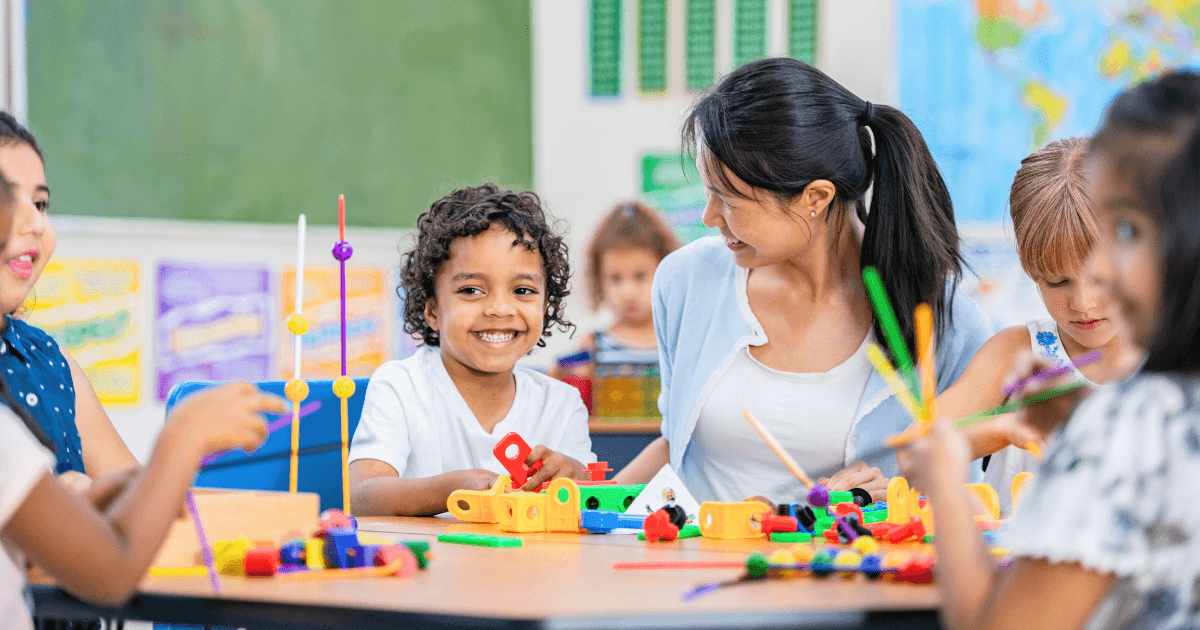
Play is the primary way preschoolers learn about their world. According to PixseeCare, preschoolers progress through several stages of play, each supporting different aspects of development:
Parallel Play (3.5-4 years)
Children play alongside peers but not directly with them
Support by creating environments where children can observe and imitate each other
Provide duplicate toys to reduce conflicts
Associative Play (3-4 years)
Children play with others in similar activities, but without organization
Support by encouraging sharing and simple cooperation
Facilitate interactions through group activities
Cooperative Play (4+ years)
Children play together with assigned roles and organized goals
Support by suggesting roles and scenarios
Help children negotiate and problem-solve when conflicts arise
Create play spaces that encourage different types of play
Rotate toys to maintain interest and challenge
Creating Routines and Structure
Preschoolers thrive on predictability while still exploring their independence. Kids First Services notes that consistent routines provide security and help reduce anxiety and tantrums in preschoolers.
While development varies among children, certain signs may indicate a need for additional evaluation or support. According to First Things First, early intervention during the first five years is crucial for optimal development.
Consider consulting with your pediatrician if your child:
Shows significant delays in reaching age-appropriate milestones
Regresses in skills they previously mastered
Has extreme difficulty with transitions or changes in routine
Demonstrates unusual or extreme behaviors
Shows little interest in social interaction
Has persistent difficulties with sleep, eating, or toileting
Many communities offer parenting education programs and early intervention services that can provide valuable support and resources for families.
The Power of Positive Parenting
The way you interact with your preschooler significantly impacts their development. Research-based positive parenting approaches include:
Using positive reinforcement to encourage desired behaviors
Providing clear, consistent expectations
Explaining the “why” behind rules
Offering alternatives when saying “no”
Using natural and logical consequences rather than punishment
Modeling the behaviors you want to see
Focusing on connection before correction
Practicing patience and maintaining realistic expectations
Remember that supporting your preschooler’s development isn’t about pushing academic skills or accelerating milestones—it’s about creating a nurturing environment where your child can explore, learn, and grow at their own pace. By providing responsive care, engaging activities, and loving guidance, you’re laying the foundation for lifelong learning and well-being.