A Year of Preschool Activities: 52 Weeks of Learning Through Play
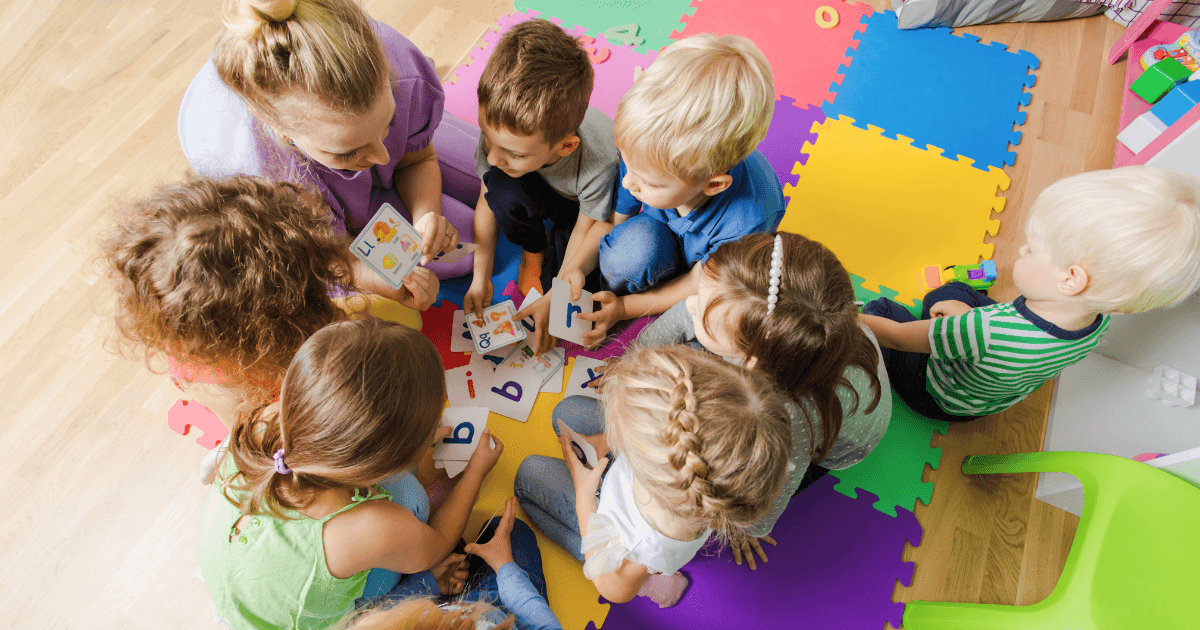
Preschool years are a magical time of discovery, curiosity, and rapid development. Whether you’re a parent supplementing your child’s preschool experience, a homeschooling family, or an educator looking for fresh ideas, this comprehensive guide offers a full year of play-based learning activities organized by season and developmental domain.
Each weekly theme includes activities that support:
Cognitive development (thinking, problem-solving, and reasoning)
Social-emotional growth (understanding feelings, building relationships)
Physical development (fine and gross motor skills)
Language and literacy (communication, pre-reading skills)
Creative expression (art, music, dramatic play)
Let’s explore 52 weeks of engaging, developmentally appropriate activities that will make learning fun and meaningful for your preschooler!
FALL (September – November)
Week 1: All About Me
Cognitive: Create an “All About Me” book with pages for age, favorite things, family members, and body measurements.
Social-Emotional: Make a feelings chart with photos of your child showing different emotions. Talk about when they might feel each emotion.
Physical: Trace your child’s body on large paper and let them decorate it, practicing fine motor skills with crayons, markers, and collage materials.
Language/Literacy: Read “I Like Myself!” by Karen Beaumont and discuss what makes your child special.
Creative: Create handprint art with paint, adding details to transform handprints into animals or other creative designs.
Week 2: Apples
Cognitive: Cut apples horizontally to reveal the “star” inside. Count seeds and compare different apple varieties.
Social-Emotional: Make apple prints with paint and practice sharing materials and taking turns.
Physical: Go apple picking (or pretend to) by hanging paper apples from a tree or indoor space that children can reach and “pick.”
Language/Literacy: Read “Ten Apples Up On Top” by Dr. Seuss and practice counting backward from 10.
Creative: Create apple-scented playdough by adding cinnamon and apple juice to a basic playdough recipe.
Week 3: Fall Leaves
Cognitive: Collect leaves and sort by color, size, shape, or texture. Create patterns with different leaves.
Social-Emotional: Work together to rake leaves into a pile, then take turns jumping in.
Physical: Go on a leaf hunt with a checklist of different types of leaves to find (red leaf, yellow leaf, big leaf, etc.).
Language/Literacy: Read “Leaf Man” by Lois Ehlert, then create leaf people using collected leaves and other natural materials.
Creative: Make leaf rubbings by placing leaves under paper and rubbing with the side of a crayon.
Week 4: Community Helpers
Cognitive: Create a community-helper matching game featuring pictures of helpers and their tools/vehicles.
Social-Emotional: Role-play different community helpers (doctor, firefighter, mail carrier) to practice helping others.
Physical: Set up an obstacle course where children pretend to be firefighters rescuing stuffed animals.
Language/Literacy: Read “Whose Tools Are These?” by Sharon Katz Cooper and discuss different jobs.
Creative: Make a thank-you card for a community helper in your neighborhood.
Week 5: Pumpkins
Cognitive: Estimate how many seeds are in a pumpkin, then count them together.
Social-Emotional: Work together to design and carve a pumpkin (with an adult handling the cutting).
Physical: Create an outdoor pumpkin-rolling race with small pumpkins.
Language/Literacy: Read “How Many Seeds in a Pumpkin?” by Margaret McNamara and discuss estimation.
Creative: Make pumpkin prints by dipping the bottom of mini pumpkins in paint and pressing onto paper.
Week 6: Farm Animals
Cognitive: Match farm animal babies to their mothers using pictures or toy animals.
Social-Emotional: Play “Farmer Says” (like “Simon Says”), taking turns being the leader.
Physical: Move like different farm animals—waddle like ducks, gallop like horses, etc.
Language/Literacy: Read “Big Red Barn” by Margaret Wise Brown and practice animal sounds.
Creative: Create a farm scene using a shoebox, toy animals, and natural materials.
Week 7: Transportation
Cognitive: Sort vehicles by where they travel (land, water, air) using pictures or toys.
Social-Emotional: Build a cardboard box car or bus big enough for multiple children to practice sharing space.
Physical: Create a “car wash” for tricycles or toy cars using sponges and water.
Language/Literacy: Read “Go, Go, Go, Stop!” by Charise Mericle Harper and practice traffic light safety concepts.
Creative: Make vehicles from recycled materials like boxes, bottle caps, and paper tubes.
Week 8: Spiders and Insects
Cognitive: Use magnifying glasses to observe insects outdoors, noting body parts and behaviors.
Social-Emotional: Play cooperative “spider web” games with yarn, working together to create and navigate through a web.
Physical: Practice fine motor skills by creating pipe cleaner spiders with googly eyes.
Language/Literacy: Read “The Very Busy Spider” by Eric Carle and discuss persistence.
Creative: Create spider web art using white paint on black paper or glue with sprinkled glitter.
Week 9: Harvest & Thanksgiving
Cognitive: Explore and taste different harvest vegetables, graphing favorites.
Social-Emotional: Create a “thankful tree” where children add leaves with things they’re grateful for.
Physical: Go on a nature walk to collect items for a harvest-themed sensory bin.
Language/Literacy: Read “Thank You, Omu!” by Oge Mora and discuss sharing and gratitude.
Creative: Make handprint turkeys with each finger decorated differently.
WINTER (December – February)
Week 10: Winter Weather
Cognitive: Experiment with ice—how to melt it faster, how to color it, what happens when salt is added.
Social-Emotional: Build a pretend snowman indoors together using white socks or cotton balls to practice cooperation.
Physical: Create indoor “snowballs” from crumpled paper for throwing practice into a target.
Language/Literacy: Read “The Snowy Day” by Ezra Jack Keats and discuss winter experiences.
Creative: Make paper snowflakes, focusing on folding and cutting skills.
Week 11: Holiday Traditions
Cognitive: Create a countdown calendar for a special day to practice number recognition.
Social-Emotional: Discuss different holiday traditions, emphasizing that families celebrate in various ways.
Physical: Practice wrapping empty boxes of different sizes with paper and tape.
Language/Literacy: Read “The Night Before Christmas” by Clement C. Moore or holiday books representing diverse traditions.
Creative: Make simple ornaments or decorations using salt dough or paper.
Week 12: Arctic Animals
Cognitive: Compare Arctic animals to local wildlife, discussing adaptations such as thick fur and blubber.
Social-Emotional: Play cooperative games, such as “penguin waddle relay,” that require children to work together.
Physical: Create an indoor “ice fishing” game using magnets and paper fish with paper clips.
Language/Literacy: Read “Polar Bear, Polar Bear, What Do You Hear?” by Bill Martin Jr. and create animal sound cards.
Creative: Make puffy paint polar bears using shaving cream mixed with glue on blue paper.
Week 13: Dinosaurs
Cognitive: Make dinosaur “fossils” by pressing toy dinosaurs into playdough or salt dough.
Social-Emotional: Create a cooperative dinosaur dig in a sensory bin with buried toy dinosaurs.
Physical: Move like different dinosaurs—stomp like T. rex, stretch like Brachiosaurus, etc.
Language/Literacy: Read “How Do Dinosaurs Say Goodnight?” by Jane Yolen and discuss bedtime routines.
Creative: Create dinosaur shadow puppets and put on a show.
Week 14: Space
Cognitive: Create a model solar system using balls of different sizes and discuss the order and characteristics of the planets.
Social-Emotional: Build a “spaceship” from a large box where children can play together.
Physical: Create an astronaut obstacle course with “moon walking,” crawling through “tunnels,” etc.
Language/Literacy: Read “Papa, Please Get the Moon for Me” by Eric Carle and discuss the moon’s phases.
Creative: Make galaxy art by splattering white paint on dark blue paper.
Week 15: Construction
Cognitive: Explore simple machines like ramps, pulleys, and levers using household items.
Social-Emotional: Work together to build a large structure with blocks, practicing communication and cooperation.
Physical: Create an indoor construction site with tools for hammering golf tees into styrofoam or playdough.
Language/Literacy: Read “Building a House” by Byron Barton and sequence the construction steps.
Creative: Design and “build” a house using various art materials and recycled items.
Week 16: Colors & Rainbows
Cognitive: Experiment with color mixing using food coloring in water or with paint.
Social-Emotional: Create a collaborative rainbow mural where each child contributes one section.
Physical: Go on a color scavenger hunt around the house or neighborhood.
Language/Literacy: Read “Mouse Paint” by Ellen Stoll Walsh and predict color combinations.
Creative: Make rainbow collages using materials sorted by color.
Week 17: Shapes
Cognitive: Go on a shape hunt around the house, identifying circles, squares, triangles, and other shapes.
Social-Emotional: Work together to create a “shape city” using blocks or paper shapes of different shapes.
Physical: Play shape hopscotch, jumping to different shapes as they are called out.
Language/Literacy: Read “The Shape of Things” by Dayle Ann Dodds and create pictures using basic shapes.
Creative: Make shape prints using sponges cut into different shapes.
Week 18: Friendship
Cognitive: Create friendship bracelets, following patterns with beads or string.
Social-Emotional: Practice complimenting friends and family members, discussing how kind words make people feel.
Physical: Play cooperative games, such as parachute activities, that require teamwork.
Language/Literacy: Read “Should I Share My Ice Cream?” by Mo Willems and discuss sharing.
Creative: Create a friendship quilt by having each child decorate a paper square to be connected to the others.
SPRING (March – May)
Week 19: Weather
Cognitive: Create a simple weather chart to track daily conditions for a week.
Social-Emotional: Discuss how the weather can affect feelings and what to do on days when you can’t go outside.
Physical: Act out different types of weather—swirling like the wind, jumping like thunder, etc.
Language/Literacy: Read “Little Cloud” by Eric Carle and watch clouds outdoors, then describe the shapes you see.
Creative: Create rain art by dropping diluted food coloring onto coffee filters and watching it spread.
Week 20: Plants & Seeds
Cognitive: Plant seeds in clear cups to observe root and sprout growth over time.
Social-Emotional: Create a class or family garden where each child has responsibility for caring for plants.
Physical: Practice fine motor skills by using tweezers to sort seeds by type.
Language/Literacy: Read “The Tiny Seed” by Eric Carle and sequence the stages of plant growth.
Creative: Create seed mosaics by gluing different seeds onto paper in patterns or pictures.
Week 21: Birds
Cognitive: Make a simple bird feeder from a pine cone, peanut butter, and seeds, then observe which birds visit.
Social-Emotional: Work together to build a nest using natural materials, just like birds do.
Physical: Move like different birds—soar like eagles, hop like robins, waddle like ducks.
Language/Literacy: Read “Feathers for Lunch” by Lois Ehlert and identify different birds.
Creative: Create bird puppets from paper bags and practice bird calls.
Week 22: Bugs & Butterflies
Cognitive: Observe the life cycle of butterflies with a butterfly kit or through pictures and discussion.
Social-Emotional: Create a “bug hotel” together using natural materials in a clear container.
Physical: Move through the stages of butterfly development from egg to caterpillar to chrysalis to butterfly.
Language/Literacy: Read “The Very Hungry Caterpillar” by Eric Carle and sequence the story events.
Creative: Make symmetrical butterfly paintings by folding paper with paint.
Week 23: Five Senses
Cognitive: Create mystery sensory bags or boxes for children to identify objects by touch.
Social-Emotional: Play “Mirror, Mirror,” in which children take turns mirroring each other’s facial expressions.
Physical: Set up a sensory walk with different textures to feel with feet.
Language/Literacy: Read “My Five Senses” by Aliki, then create a book titled “Things I Like to See/Hear/Smell/Taste/Touch.”
Creative: Create artwork inspired by music, responding to different tempos and styles.
Week 24: Ocean Life
Cognitive: Sort sea creatures by characteristics (e.g., has shells, lives in deep water).
Social-Emotional: Create a collaborative ocean mural in which each child contributes distinct elements.
Physical: Move like ocean animals—swim like fish, pinch like crabs, slither like eels.
Language/Literacy: Read “Rainbow Fish” by Marcus Pfister and discuss sharing.
Creative: Create ocean bottles with blue water, oil, and small objects that float and sink.
Week 25: Recycling & Earth Day
Cognitive: Sort recyclables into appropriate categories (e.g., paper, plastic, glass).
Social-Emotional: Work together on a neighborhood cleanup project (with appropriate supervision and safety measures).
Physical: Create an obstacle course using recycled materials.
Language/Literacy: Read “The Lorax” by Dr. Seuss and discuss environmental protection.
Creative: Make art from recycled materials like bottle caps, cardboard tubes, and containers.
Week 26: Gardening
Cognitive: Measure and record plant growth in a garden or indoor pots.
Social-Emotional: Create a sensory garden together, featuring plants with different textures, smells, and appearances.
Physical: Practice garden tasks such as digging, watering, and gentle planting.
Language/Literacy: Read “Up, Down, and Around” by Katherine Ayres and discuss which vegetables grow above and below ground.
Creative: Create vegetable print art using cut vegetables dipped in paint.
Week 27: Healthy Foods
Cognitive: Sort food pictures into groups: “healthy choices” and “sometimes foods.”
Social-Emotional: Prepare a simple snack together to practice taking turns and sharing tasks.
Physical: Go on a pretend “grocery store” scavenger hunt around the house.
Language/Literacy: Read “Gregory, the Terrible Eater” by Mitchell Sharmat and discuss trying new foods.
Creative: Create a paper-plate meal with all the food groups represented using drawing or collage.
SUMMER (June – August)
Week 28: Camping
Cognitive: Learn about animal tracks and create matching games with track pictures.
Social-Emotional: Set up an indoor “campsite” with a tent or blanket fort for cooperative play.
Physical: Practice gross motor skills with a nature hike or backyard exploration.
Language/Literacy: Read “A Camping Spree with Mr. Magee” by Chris Van Dusen and discuss camping adventures.
Creative: Make s’mores (with supervision) or create paper craft versions.
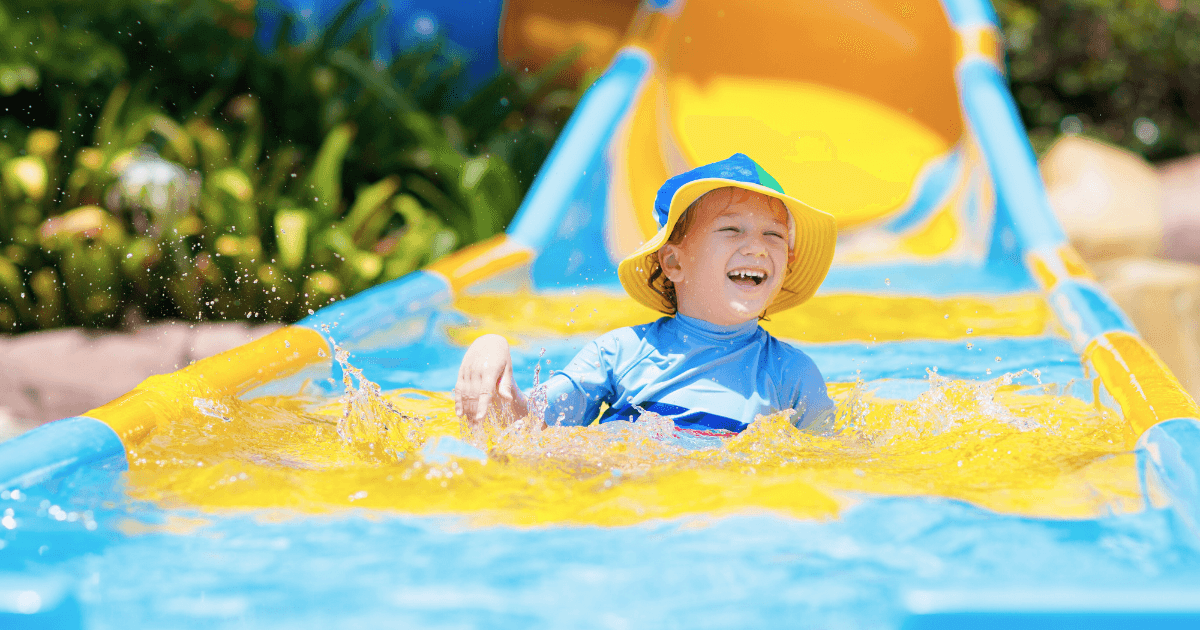
Week 29: Water Play
Cognitive: Experiment with what sinks and floats in water using various household objects. Create a prediction chart before testing each item.
Social-Emotional: Set up an outdoor car wash station where children can work together to wash toy cars or bikes.
Physical: Practice pouring, squeezing, and transferring water between containers of different sizes to develop fine motor control.
Language/Literacy: Read “Mr. Gumpy’s Outing” by John Burningham and discuss what happens when too many animals get in the boat.
Creative: Make water art by using eyedroppers to drop colored water onto coffee filters or paper towels.
Week 30: Bugs & Insects
Cognitive: Create an insect observation station with magnifying glasses and bug catchers (with supervision and gentle handling).
Social-Emotional: Work together to create a “bug hotel” using natural materials like pinecones, sticks, and leaves.
Physical: Move like different insects—buzz like bees, hop like grasshoppers, crawl like ants.
Language/Literacy: Read “The Very Quiet Cricket” by Eric Carle and make cricket sounds.
Creative: Create bug art using fingerprints and adding details with markers.
Week 31: Transportation
Cognitive: Sort vehicles by type (air, land, water) and discuss their features and functions.
Social-Emotional: Create a pretend “car wash” where children work together to wash toy vehicles.
Physical: Set up a “drive-through” obstacle course for riding toys or pretend driving.
Language/Literacy: Read “Things That Go” by DK Publishing and identify different vehicles.
Creative: Make boats from aluminum foil and test if they float in water.
Week 32: Zoo Animals
Cognitive: Match animal babies to their parents using pictures or toy animals.
Social-Emotional: Create a cooperative zoo using blocks, toy animals, and signs made by the children.
Physical: Move like different zoo animals—stomp like elephants, stretch like giraffes, leap like tigers.
Language/Literacy: Read “Dear Zoo” by Rod Campbell and discuss why each animal would or wouldn’t make a good pet.
Creative: Create animal masks using paper plates and various craft materials.
Language/Literacy: Create a simple book about “Our Year of Learning” with drawings and dictated stories.
Creative: Make celebration streamers, hats, or other party decorations to celebrate a year of learning.
Tips for Successful Implementation
Follow your child’s interests: Use these themes as inspiration, but be flexible. If your child shows particular interest in a topic, extend it for another week or revisit it later.
Adapt for age and ability: Simplify or enhance activities based on your child’s developmental level. For younger preschoolers, focus more on sensory exploration; for older ones, add more complex thinking tasks.
Collect basic supplies: Paper, crayons, scissors, glue, paint, playdough, and recyclable materials. Many activities use these core supplies in different ways.
Incorporate books: Visit your local library to find books related to each week’s theme. Reading related stories enhances understanding and vocabulary.
Document learning: Take photos of activities and create a simple portfolio or digital album to track growth and learning throughout the year.
Involve your child in planning: As the year progresses, let your child help choose activities or suggest variations on the ideas provided.
Keep it playful: Remember that preschoolers learn best through play. If an activity feels too structured or frustrating, simplify it or try a different approach.
Connect with nature: Whenever possible, take learning outdoors. Nature provides rich opportunities for exploration across all developmental domains.
Repeat favorites: Don’t hesitate to repeat activities your child enjoys. Repetition reinforces learning and builds confidence.
Celebrate progress: Acknowledge your child’s efforts and growth throughout the year, focusing on the process rather than perfect results.
By engaging in these weekly activities, you’ll provide your preschooler with a well-rounded learning experience that builds essential skills while fostering a love of learning. Enjoy this special time of discovery and growth together!
What weekly themes have been most engaging for your preschooler? Share your experiences and additional activity ideas in the comments below!