The Rise of Nature-Based Preschools: Benefits and What to Expect
When I first dropped my daughter off at her nature-based preschool, I’ll admit I was nervous. Would she be cold? Would she get too dirty? Would she learn the academic skills she needed for kindergarten?
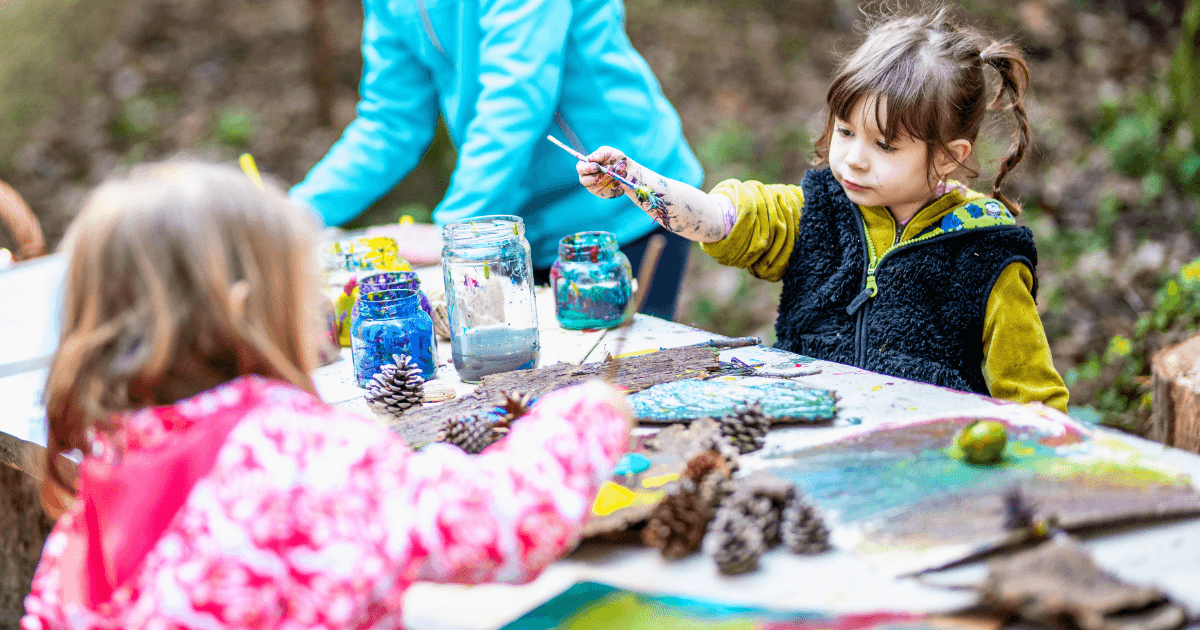
Three months later, those worries have been replaced by amazement at her growth. She now confidently identifies native plants, problem-solves with natural materials, and comes home with mud-splattered clothes and stories of discovery. Most surprisingly, she’s developing pre-literacy and math skills through hands-on experiences that far exceed what I expected from any preschool program.
If you’re considering a nature-based preschool for your child, you’re part of a rapidly growing movement. According to research from EdSource, there are now approximately 800 nature preschools in the United States—a stunning 200% increase since 2017. This explosive growth reflects mounting evidence about the benefits of nature-based early education, as well as increasing concern about children’s disconnection from the natural world.
What Exactly Is a Nature-Based Preschool?
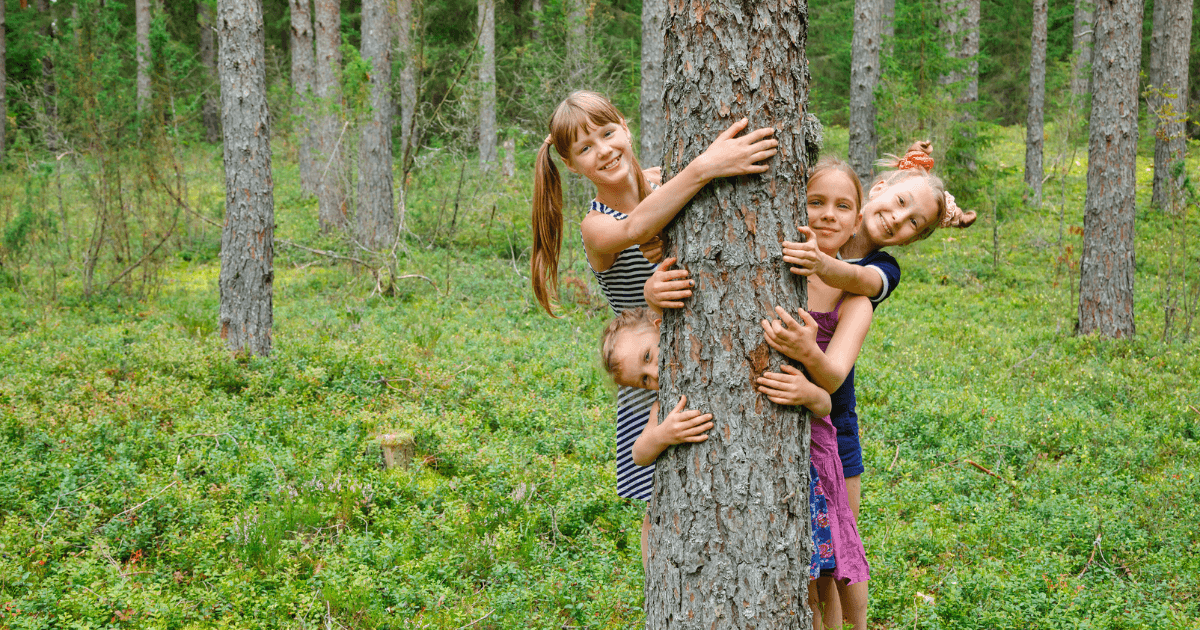
Nature-based preschools (also called forest schools, outdoor preschools, or nature preschools) are early childhood programs that use outdoor environments as the primary classroom. While programs vary in their specific approach, they share core characteristics:
Significant outdoor time: Children typically spend 50-100% of their day outdoors, regardless of weather (with appropriate safety considerations)
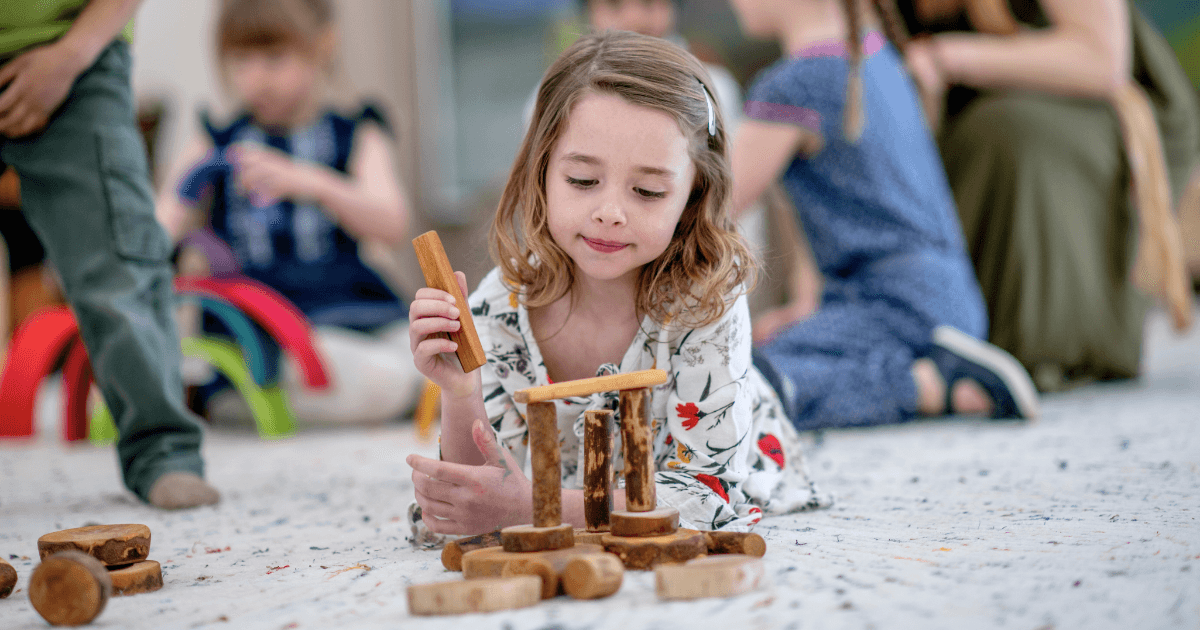
Natural materials: Learning materials are primarily natural objects rather than plastic toys
Child-led exploration: Curriculum emerges from children’s interests and seasonal opportunities
Place-based learning: Activities connect children to their local environment and ecosystems
Whole-child development: Programs focus on physical, social-emotional, cognitive, and creative growth
As one nature preschool director explained to me, “We’re not just taking a traditional preschool and moving it outside. We’re fundamentally rethinking early education through the lens of children’s innate connection to the natural world.”
The Research-Backed Benefits of Nature-Based Preschools
The surge in nature-based programs isn’t just a trend—it’s supported by compelling research showing benefits across all developmental domains:
Physical Development
Children in nature-based programs experience significant physical benefits:
Improved motor skills: A study published in Nature found that outdoor play environments develop both fine and gross motor skills as children navigate varied terrains, climb, balance, and manipulate natural objects.
Better overall health: Regular time spent outdoors strengthens the immune system, reduces the incidence of myopia (nearsightedness), and lowers childhood obesity rates.
Increased physical activity: According to Utah Business, the Physical Activity Guidelines for Americans recommend at least 3 hours of physical activity and play per day for children ages 3 to 6—a level that nature preschools easily meet or exceed.
Improved sleep patterns: Parents consistently report that children in outdoor programs sleep better, likely due to increased physical activity and exposure to natural light, which helps regulate circadian rhythms.
Cognitive Development
Contrary to what some might expect, nature-based programs show impressive cognitive benefits:
Enhanced executive function: A study of 562 Norwegian preschoolers found a direct link between time spent outdoors and improved executive function, including better attention spans and short-term memory.
Improved observation skills: Children develop scientific thinking through direct observation of natural phenomena like weather patterns, plant growth cycles, and animal behavior.
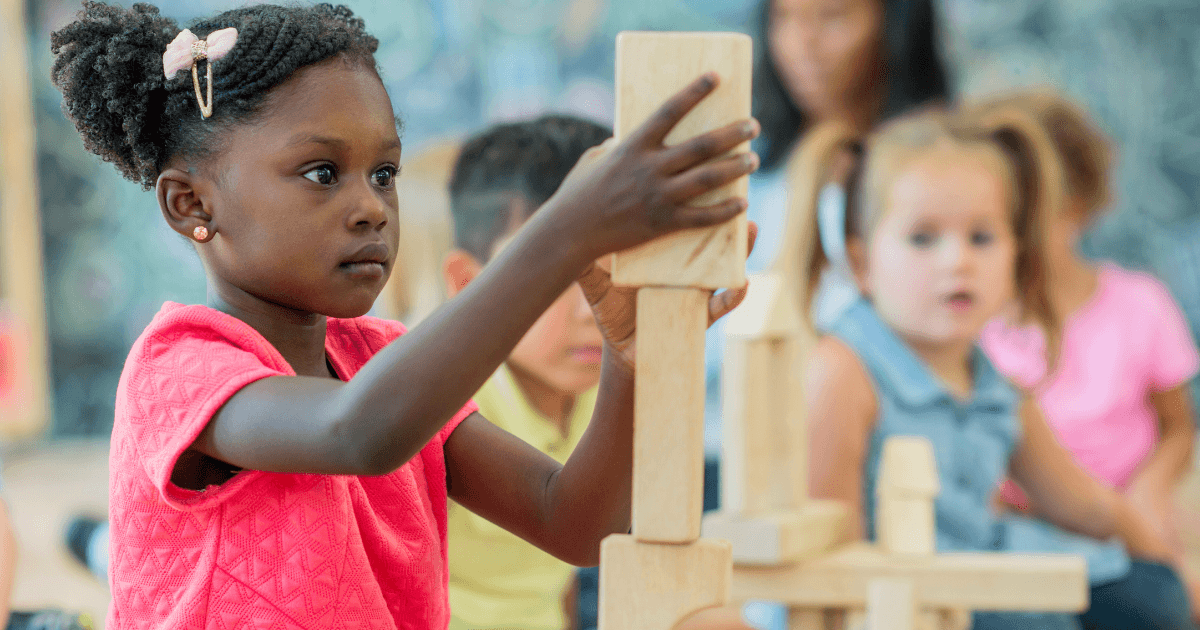
Mathematical understanding: Natural environments provide authentic contexts for mathematical concepts like counting, sorting, measuring, and pattern recognition.
Language development: Rich sensory experiences in nature build vocabulary and provide meaningful contexts for communication and storytelling.
Creativity and problem-solving: Natural materials offer open-ended possibilities that foster creative thinking and innovative problem-solving.
Social-Emotional Growth
Perhaps the most striking benefits occur in the social-emotional domain:
Increased self-regulation: Natural environments provide space for both active play and calm reflection, helping children learn to regulate their emotions and energy levels.
Enhanced resilience: Navigating weather changes and physical challenges builds adaptability and perseverance.
Stronger social bonds: Collaborative projects like building forts or creating nature art foster teamwork and communication.
Reduced stress and anxiety: Multiple studies show that time in natural settings reduces cortisol levels (stress hormones) and improves overall mental health.
Greater empathy: Regular interaction with plants, animals, and natural systems develops care and concern for living things.
As Utah Business reports, “Parents of children enrolled in nature-based programs report that their children become calmer, sleep better, and have more regulated appetites and emotions.”
Environmental Connection
Beyond individual benefits, nature-based preschools nurture a lifelong relationship with the natural world:
Environmental literacy: Children develop ecological understanding through direct observation of natural systems.
Conservation ethic: Daily positive experiences in nature foster an emotional connection that often translates to environmental stewardship later in life.
Nature connection: In an increasingly digital world, these programs help children develop a sense of wonder and belonging in the natural environment.
The Position Statement on Active Outdoor Play emphasizes that these connections are increasingly important in addressing global challenges such as climate change and digital addiction.
What to Expect: A Day in a Nature-Based Preschool
While programs vary, most follow a rhythm that balances structure and spontaneity. Based on schedules from programs like Landis Woods Nature Preschool and Natural Start Preschool, here’s what a typical day might include:
Morning Arrival and Transition (15-30 minutes)
Children arrive and engage in free play with natural materials
Teachers set up provocations based on seasonal themes or children’s interests
Children practice self-help skills like hanging up backpacks and putting on outdoor gear
Morning Circle (15-20 minutes)
Group gathers for welcome songs and greetings
Weather observation and discussion
Introduction of the day’s inquiry questions or themes
Sharing of nature discoveries or stories
Outdoor Exploration (60-120 minutes)
This core part of the day might include:
Hikes to different natural areas
Free play in designated outdoor spaces
Small group investigations based on seasonal phenomena
Shared healthy snacks, sometimes incorporating foods harvested or foraged by the children
Conversations about nature observations or questions
Focused Learning Time (30-45 minutes)
Small group activities that might include:
Nature journaling
Scientific investigations
Art with natural materials
Storytelling and literacy activities
Math explorations using natural objects
Closing Circle (15 minutes)
Reflection on the day’s discoveries
Planning for future explorations
Gratitude practices
Goodbye songs or rituals
Special Features Throughout the Week
Most programs incorporate regular special activities such as:
Cooking or food preparation with natural ingredients
Seasonal celebrations
Stewardship projects
Visits from community experts (naturalists, gardeners, etc.)
Parent involvement days
Common Questions About Nature-Based Preschools
As you consider whether a nature-based program is right for your family, these are the questions parents most frequently ask:
“What about bad weather?”
Most nature preschools follow the Scandinavian philosophy that “There’s no bad weather, only bad clothing.” Programs provide detailed guidance about appropriate gear for different weather conditions and often maintain a supply of extra clothing.
Extreme weather (severe storms, dangerous cold) typically triggers indoor alternatives or shelter use, but children learn to embrace and adapt to a wide range of weather conditions.
“Will my child be ready for kindergarten?”
Research suggests that graduates of nature-based programs transition successfully to kindergarten, often demonstrating advantages in problem-solving, creativity, and social skills.
While the approach to academic skills looks different—counting pinecones rather than worksheets, for example—children develop the foundational skills needed for later academic success. Many programs intentionally incorporate pre-literacy and pre-numeracy activities into their nature-based curriculum.
“Is it safe?”
Quality programs maintain appropriate teacher-child ratios (typically better than required minimums) and teach children risk assessment rather than simply avoiding all risk.
Staff are trained in outdoor safety, first aid, and emergency procedures. Children learn boundaries and safety protocols as part of the curriculum, developing valuable risk assessment skills in the process.
“How will my child stay clean?”
Simply put: they won’t! Nature-based programs embrace the reality that meaningful outdoor play involves getting dirty. Parents learn to expect mud, sand, grass stains, and more.
Programs typically request multiple changes of clothes and appropriate outerwear. Many parents find that designating specific “school clothes” helps manage expectations about cleanliness.
“What if my child has allergies or other health concerns?”
Most nature-based programs can accommodate a range of health needs with proper planning and communication. Staff are typically trained to recognize and respond to allergic reactions, and programs maintain emergency action plans for children with known allergies or health conditions.
For severe allergies or complex medical needs, a conversation with the program director can help determine if appropriate accommodations are possible.
What to Look for in a Quality Nature-Based Program
Not all nature-based programs are created equal. When evaluating options, consider:
Program Philosophy and Approach
Is there a clear educational philosophy that guides the program?
How do they balance child-led exploration with intentional teaching?
What is their approach to risk management and outdoor safety?
How do they incorporate academic readiness into nature-based learning?
Staff Qualifications and Training
Do teachers have early childhood education credentials?
What specific training do they have in outdoor education?
How does the program support ongoing professional development?
What is the teacher-to-child ratio?
Physical Environment
What natural spaces are accessible to the children?
Is there a diversity of natural features (trees, open areas, water, etc.)?
What indoor or sheltered spaces are available for extreme weather?
How are the spaces designed to support different types of play and learning?
Family Engagement
How does the program communicate with families?
Are there opportunities for family participation?
How do they support families in extending nature-based learning at home?
Is there a community of like-minded families connected to the program?
Preparing Your Child for a Nature-Based Preschool
If you decide a nature-based program is right for your family, these steps can help ensure a smooth transition:
Before Enrollment
Increase your family’s outdoor time to build your child’s comfort in natural settings
Practice dressing for different weather conditions
Read books about nature exploration and outdoor adventures
Visit the program’s location, if possible, to familiarize your child with the setting
Essential Gear
Most programs provide a detailed gear list, but basics typically include:
Waterproof rain suit or separate rain jacket and pants
Maintain a positive attitude about outdoor experiences, even in challenging weather.
Embrace your child’s messy appearance at pickup as evidence of engaged learning.
Ask specific questions about their discoveries rather than general “How was your day?”
Extend family nature exploration with weekend outdoor activities.
Connect with other families in the program to build community.
The Future of Nature-Based Early Education
The rapid growth of nature-based preschools reflects a broader shift in our understanding of what young children need to thrive. As noted in ResearchGate, this movement is particularly significant in urban environments, where intentional design can help reconnect children with nature despite urbanization’s challenges.
Looking ahead, we can expect to see:
Increased accessibility: More programs are working to make nature-based education available to diverse communities and children of all abilities
Integration into public education: More public schools are incorporating nature-based approaches into their early childhood programs
Policy support: Growing recognition in educational policy of the importance of outdoor learning and play
Family logistics: Consider practical factors like location, schedule, and your ability to provide appropriate outdoor gear
Your values and priorities: Reflect on whether the nature-based approach aligns with your educational philosophy and goals for your child
Program quality: Research specific programs thoroughly, as quality and approach can vary significantly
Many families find that visiting several programs helps them make the right choice. Seeing children engaged in nature-based learning firsthand can be a powerful experience.
Bringing Nature-Based Learning Home
Even if a full nature-based program isn’t available or right for your family, you can incorporate key elements at home:
Prioritize daily outdoor time in all weather conditions
Collect natural materials for play and exploration
Follow your child’s interests in the natural world
Ask open-ended questions that encourage observation and wonder
Read books about nature and seasonal changes
Create outdoor rituals like morning weather checks or evening stargazing
As one parent shared with me, “We started with just trying to get outside every day, rain or shine. Now our whole family has developed a deeper connection to the natural world—it’s changed not just our parenting approach but our lifestyle.”
The Heart of Nature-Based Education: Reconnection
At its core, the nature-based preschool movement isn’t just about educational outcomes—it’s about restoring children’s birthright to a meaningful connection with the natural world.
In our increasingly digital, indoor society, these programs offer a powerful counterbalance: the chance for children to develop in the environment where humans have evolved for thousands of generations.
As Richard Louv, author of “Last Child in the Woods,” puts it: “The future will belong to the nature-smart—those individuals, families, businesses, and political leaders who develop a deeper understanding of the transformative power of the natural world and who balance the virtual with the real.”
Nature-based preschools are helping to raise that nature-smart generation, one mud puddle at a time.
Have you had experience with nature-based preschools? Share your thoughts and questions in the comments below!