24 Sensory Activities for Preschoolers: Supporting Sensory Processing Development
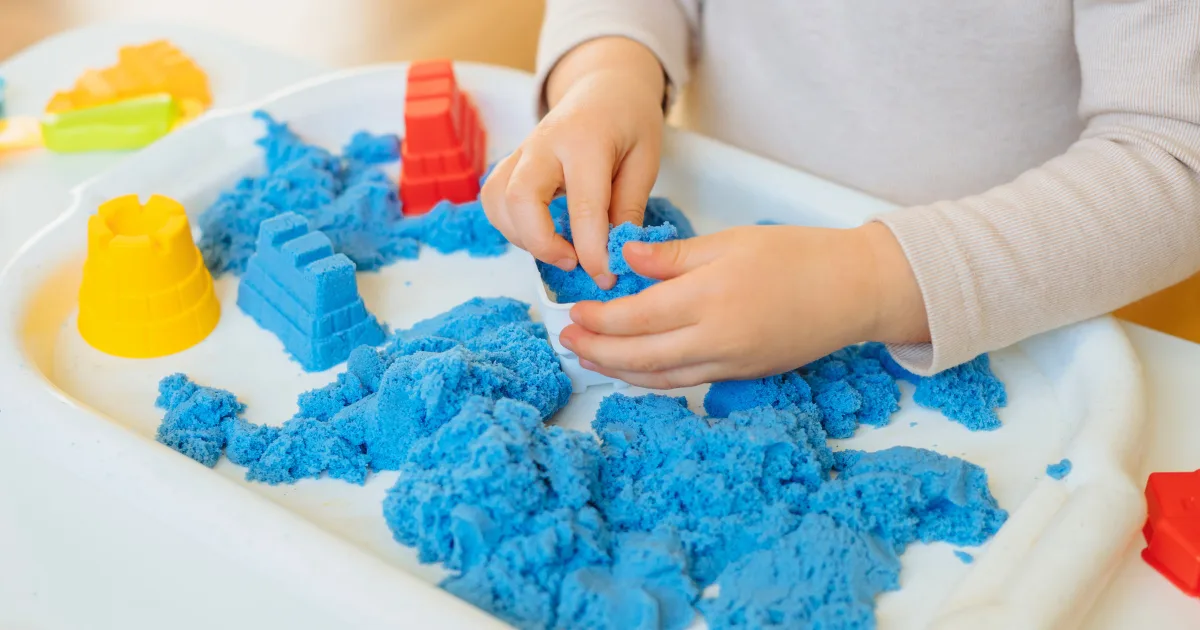
When a preschooler squishes their fingers through cool, slimy slime, balances on a wobble board, or identifies scents in mystery containers, they’re doing much more than playing—they’re building crucial neural pathways that will support learning for years to come.
Sensory processing—our ability to receive, organize, and respond to sensory information from our bodies and environment—forms the foundation for everything from emotional regulation to academic learning. For preschoolers, whose brains are developing at an astounding rate, sensory-rich activities aren’t just fun; they’re essential for optimal development.
In this comprehensive guide, we’ll explore:
The science behind sensory processing and why it matters
The seven sensory systems (yes, there are more than five!)
How sensory activities support specific developmental skills
Practical, easy-to-implement sensory activities for home and classroom
Signs that may indicate sensory processing challenges
Tips for creating a sensory-friendly environment
Whether you’re a parent looking to support your child’s development at home or an educator designing a sensory-rich classroom, this guide will provide you with the knowledge and tools to create meaningful sensory experiences for preschoolers.
Understanding Sensory Processing: Beyond the Five Senses
Most of us learned about the five senses in elementary school: sight, hearing, smell, taste, and touch. However, sensory processing actually involves seven sensory systems, with two additional systems that play crucial roles in development:
The Seven Sensory Systems
Visual (Sight): Processing information about colors, shapes, movement, depth, and brightness
Auditory (Hearing): Interpreting sounds, including volume, pitch, and localization
Olfactory (Smell): Detecting and distinguishing between different scents
Gustatory (Taste): Perceiving the basic tastes (sweet, sour, salty, bitter, umami) and food textures
Tactile (Touch): Processing information about pressure, temperature, pain, and texture through the skin
Vestibular: Sensing movement, balance, and spatial orientation through receptors in the inner ear
Proprioceptive: Awareness of body position and movement through receptors in muscles and joints
According to pediatric occupational therapist Dr. Lucy Jane Miller, founder of the STAR Institute for Sensory Processing, “These seven sensory systems work together to create a complete picture of who we are physically, where we are, and what is happening around us.”
How Sensory Processing Develops
Sensory processing development begins in the womb and continues to refine throughout childhood. By preschool age (3-5 years), children are in a critical period for sensory integration—the brain’s ability to organize sensory information for effective use.
Research from the American Academy of Pediatrics indicates that rich sensory experiences during the preschool years strengthen neural connections that support:
Attention and focus
Motor planning and coordination
Language development
Emotional regulation
Social skills
Cognitive abilities
Dr. Jean Ayres, pioneer of sensory integration theory, described sensory processing as the “neurological process that organizes sensation from one’s own body and from the environment and makes it possible to use the body effectively within the environment.”
In simpler terms, sensory processing helps children make sense of their world and respond appropriately to it.
The Benefits of Sensory Activities for Preschoolers
Sensory-rich activities offer numerous benefits for preschoolers’ development across multiple domains:
Cognitive Development
Problem-solving skills: When children experiment with cause and effect (what happens when I pour water through this funnel?), they develop critical thinking skills.
Attention span: Engaging sensory activities naturally extends focus and concentration.
Concept formation: Sensory experiences help children understand abstract concepts such as “heavy/light” and “rough/smooth” through concrete experiences.
Fine motor skills: Activities like squeezing playdough, picking up small objects, or pouring rice strengthen the small muscles needed for writing and self-care tasks.
Gross motor skills: Vestibular and proprioceptive activities develop balance, coordination, and body awareness.
Sensory discrimination: The ability to distinguish among similar sensory inputs (such as different textures or sounds) becomes more refined.
Language Development
Vocabulary expansion: Sensory experiences provide natural opportunities to introduce descriptive language (sticky, rough, loud, fragrant).
Communication skills: Children practice expressing their observations and feelings about sensory experiences.
Concept development: Abstract concepts become concrete through sensory exploration.
Social-Emotional Development
Self-regulation: Sensory activities can have calming or alerting effects, helping children learn to manage their energy levels and emotions.
Confidence: Mastering sensory challenges builds self-efficacy and willingness to try new things.
Cooperation: Group sensory activities promote sharing, turn-taking, and collaborative problem-solving.
A report from Cleveland Clinic notes that sensory play “helps children develop the coping skills needed to manage big emotions by providing a sensory outlet for stress and anxiety.”
Sensory Activities by System: Practical Ideas for Preschoolers
Now that we understand the importance of sensory processing, let’s explore specific activities designed to stimulate each sensory system. These activities use simple, affordable materials and can be adapted for home or classroom settings.
Visual (Sight) Activities
Visual processing helps children distinguish colors, shapes, sizes, and spatial relationships—foundational skills for reading, writing, and math.
1. Light Table Explorations
Materials:
Light table or box (can be DIY with a clear plastic bin and string lights)
How to Do It: Place various transparent colored items on the light table. Encourage children to create patterns, layer colors to create new colors, or sort by color/shape.
Developmental Benefits:
Color recognition and discrimination
Understanding of color mixing
Visual pattern recognition
Fine motor coordination
2. Visual Scavenger Hunt
Materials:
Color cards or paint samples
Small basket or bag
How to Do It: Give children color cards and challenge them to find objects around the room/house that match each color. For more advanced play, use cards with patterns or textures to match.
Developmental Benefits:
Visual discrimination
Color matching
Vocabulary development
Classification skills
3. Calm-Down Bottles
Materials:
Clear plastic bottles with secure lids
Water
Glitter, sequins, or small objects
Clear glue or glycerin (to slow movement)
Food coloring (optional)
How to Do It: Fill bottles with water, add glitter or objects, and a bit of glue to slow the movement. Secure the lid with hot glue or strong tape. Children can shake the bottle and watch the contents swirl and settle.
Developmental Benefits:
Visual tracking
Self-regulation
Focus and attention
Understanding of cause and effect
Auditory (Hearing) Activities
Auditory processing helps children distinguish sounds, understand spoken language, and develop phonological awareness for reading.
4. Sound Matching Containers
Materials:
Small containers with lids (like film canisters or plastic eggs)
Various materials to create sounds (rice, beans, bells, paper clips)
How to Do It: Create pairs of containers with identical contents. Children shake the containers and find the matching sounds.
Developmental Benefits:
Auditory discrimination
Listening skills
Memory development
Matching and pairing
5. Nature Sound Walk
Materials:
Recording device (optional)
Clipboard with paper for drawing sounds (optional)
How to Do It: Take a walk outdoors, focusing specifically on sounds. Have children close their eyes briefly to enhance listening. Identify natural sounds (birds, wind, leaves) and human-made sounds (cars, construction).
Developmental Benefits:
Environmental awareness
Auditory figure-ground discrimination (isolating specific sounds from background noise)
Descriptive language development
Auditory memory
6. DIY Musical Instruments
Materials:
Recycled containers
Dried beans, rice, or pasta
Rubber bands
Craft sticks
Paper plates
Bells
How to Do It: Create simple instruments such as shakers (containers filled with beans), drums (containers with paper or fabric tops), or guitars (rubber bands stretched over boxes).
Developmental Benefits:
Understanding of cause and effect
Rhythm development
Volume control
Creative expression
Tactile (Touch) Activities
The tactile system helps children understand their physical boundaries, respond appropriately to touch sensations, and develop fine motor skills.
7. Sensory Bins
Materials:
Large container
Base material (rice, beans, sand, water beads, etc.)
Themed objects and tools (scoops, funnels, small figures)
How to Do It: Fill the container with the base material and add themed objects. For example, a “construction” bin might include rice as the base with toy trucks and scoops.
Developmental Benefits:
Tactile discrimination
Fine motor skills
Imaginative play
Vocabulary development
8. Texture Collage
Materials:
Cardboard or heavy paper base
Various textured materials (sandpaper, fabric scraps, bubble wrap, cotton balls)
Child-safe glue
How to Do It: Have children select and glue different textured materials to create a collage. Encourage them to describe how each texture feels.
Developmental Benefits:
Tactile discrimination
Descriptive language
Classification (rough/smooth, hard/soft)
Fine motor skills
9. Finger Painting with Textured Paint
Materials:
Finger paint
Additives for texture (sand, salt, rice, etc.)
Paper
How to Do It: Add different textural elements to portions of finger paint. Children explore the different textures while creating art.
Developmental Benefits:
Sensory tolerance
Creativity
Descriptive vocabulary
Fine motor skills
Gustatory (Taste) Activities
Gustatory processing helps children explore different flavors, develop healthy eating habits, and expand their sensory vocabulary.
10. Taste Testing Exploration
Materials:
Small samples of foods with distinct tastes (lemon for sour, pretzels for salty, etc.)
Chart for recording reactions
Water for cleansing palate
How to Do It: Introduce the basic taste categories (sweet, sour, salty, bitter). Offer small samples and have children describe and categorize the tastes.
Developmental Benefits:
Taste discrimination
Vocabulary development
Classification skills
Willingness to try new foods
11. Cooking Simple Recipes
Materials:
Simple, no-cook recipe ingredients
Child-safe utensils
Measuring tools
How to Do It: Follow a simple recipe like trail mix, fruit salad, or no-bake cookies. Allow children to help measure, mix, and taste throughout the process.
Developmental Benefits:
Following multi-step directions
Cause and effect understanding
Fine motor skills
Math concepts (measuring)
12. Blindfolded Food Guessing
Materials:
Familiar foods cut into small pieces
Blindfold or eye covering
Plate or tray
How to Do It: With eyes covered, children taste familiar foods and try to identify them based solely on taste and texture.
Developmental Benefits:
Sensory integration (taste without visual input)
Memory
Descriptive language
Confidence building
Olfactory (Smell) Activities
Olfactory processing helps children identify and discriminate among different scents, which is strongly linked to memory and emotional regulation.
How to Do It: Create pairs of containers with identical scents on cotton balls. Children smell the containers and find the matching scents.
Developmental Benefits:
Olfactory discrimination
Memory development
Matching skills
Vocabulary expansion
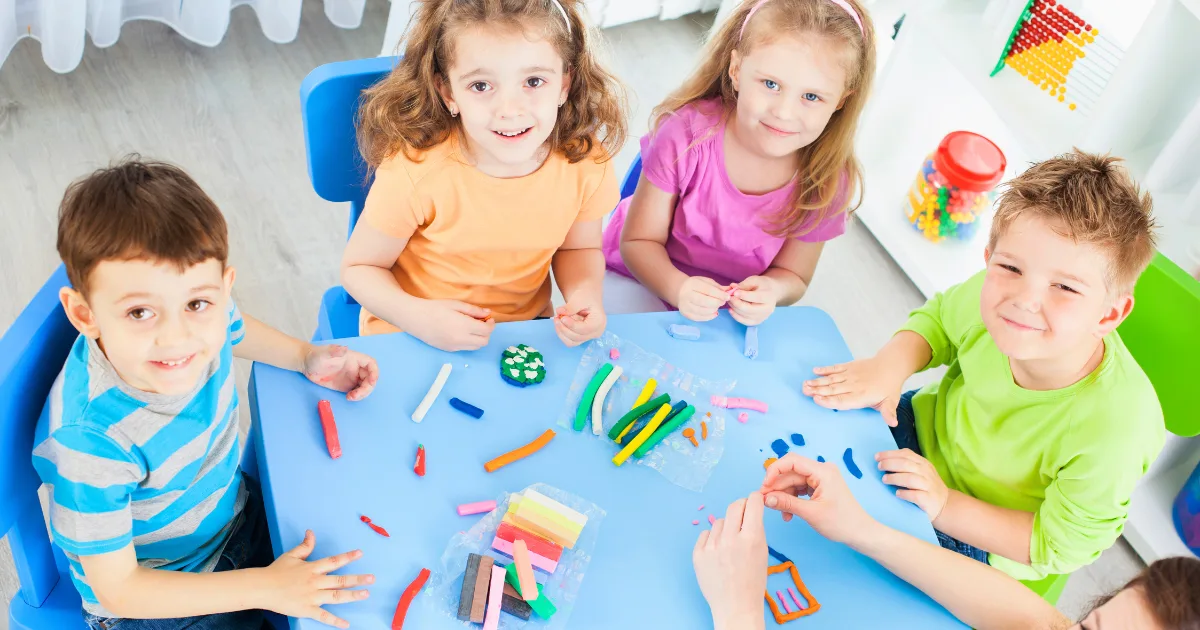
14. Scented Playdough
Materials:
Homemade playdough (flour, salt, water, oil, cream of tartar)
Natural scents (vanilla extract, lemon juice, mint extract, cocoa powder)
Food coloring (optional)
How to Do It: Add different scents to batches of playdough. Children can explore the different scents while playing with the dough.
Developmental Benefits:
Sensory integration (combining smell and touch)
Fine motor skills
Descriptive language
Creative expression
15. Herb and Spice Exploration
Materials:
Various herbs and spices
Small containers
Magnifying glasses
Paper and crayons for recording observations
How to Do It: Set up a “smell station” with different herbs and spices. Children can smell each one, describe it, and perhaps draw or write about their observations.
Developmental Benefits:
Olfactory discrimination
Vocabulary development
Science observation skills
Memory formation
Vestibular (Movement and Balance) Activities
The vestibular system helps children develop balance, coordination, and spatial awareness—crucial for everything from sports to sitting still in a classroom.
16. Balance Beam Activities
Materials:
Tape on the floor or a low balance beam
Objects to step over or around
How to Do It: Create a path on the floor using tape or a low balance beam. Add challenges like stepping over small obstacles or carrying an object while walking the path.
Developmental Benefits:
Balance and coordination
Body awareness
Spatial planning
Confidence building
17. Spinning and Swinging
Materials:
Swing
Spinning chair or sit-and-spin toy
Open space for twirling
How to Do It: Provide opportunities for controlled spinning and swinging. Always monitor for signs of overstimulation and respect when children need to stop.
Developmental Benefits:
Vestibular stimulation
Understanding of cause and effect
Self-regulation (recognizing when to stop)
Spatial awareness
18. Animal Movement Games
Materials:
Picture cards of animals (optional)
Open space
How to Do It: Call out different animals for children to imitate: hop like a bunny, slither like a snake, gallop like a horse. This provides varied movement experiences.
Developmental Benefits:
Gross motor skills
Body awareness
Following directions
Creativity and imagination
Proprioceptive (Body Awareness) Activities
The proprioceptive system helps children understand where their body is in space and how much force to use for different tasks—essential for coordination and self-regulation.
19. Heavy Work Activities
Materials:
Filled backpack or weighted stuffed animal
Items to push, pull, or carry (appropriate for the child’s strength)
How to Do It: Engage children in “heavy work” activities like carrying a moderately weighted backpack, pushing a laundry basket with books, or pulling a wagon.
Developmental Benefits:
Body awareness
Strength development
Self-regulation
Motor planning
20. Resistance Play
Materials:
Therapy putty or playdough
Stretchy bands
Bubble wrap
How to Do It: Provide materials that offer resistance, such as pulling-apart therapy putty, stretching bands, or popping bubble wrap. These activities provide important feedback to muscles and joints.
Developmental Benefits:
Hand strength
Body awareness
Self-regulation
Stress relief
Fine motor control
21. Pillow Crash
Materials:
Pile of pillows or cushions
Open floor space
How to Do It: Create a soft landing spot with pillows. Children can jump from a low height (such as a step) onto the pillow pile or fall onto it from a standing position.
Developmental Benefits:
Body awareness
Motor planning
Understanding cause and effect
Emotional regulation through physical release
Multi-Sensory Activities: Integrating Multiple Systems
While activities targeting specific sensory systems are valuable, the brain naturally integrates information from multiple senses simultaneously. These multi-sensory activities engage several systems at once, creating rich learning experiences.
22. Sensory Obstacle Course
Materials:
Various textured surfaces (carpet squares, bubble wrap, foam mats)
Balance elements (tape line, low balance beam)
Tunnels or spaces to crawl through
Items to step over or around
How to Do It: Create a course that incorporates a variety of movements and sensory experiences, such as walking on textured surfaces, crawling through tunnels, balancing on a line, and jumping into a hoop.
How to Do It: Read a story while incorporating sensory elements. For example, when reading “We’re Going on a Bear Hunt,” provide grass to touch during the grass scene, water to splash for the river scene, etc.
Sensory Systems Engaged:
Auditory (listening to the story)
Visual (looking at illustrations)
Tactile (touching story-related items)
Proprioceptive (acting out movements from the story)
Clipboards with paper for recording observations (optional)
Natural area to explore
How to Do It: Take children outdoors to explore nature using all their senses. Listen for birds, feel different tree bark, smell flowers, observe colors and patterns, and (when safe) taste edible plants like mint leaves.
Sensory Systems Engaged:
All seven sensory systems
Developmental Benefits:
Scientific observation skills
Environmental awareness
Sensory integration
Vocabulary development
Classification skills
Creating a Sensory-Rich Environment
Beyond specific activities, the overall environment plays a crucial role in supporting sensory development. Here are strategies for creating sensory-friendly spaces:
In the Home
Designated Sensory Space: Create a small area stocked with sensory tools such as fidgets, textured items, and calming elements.
Varied Textures: Incorporate different textures in everyday items (pillows, rugs, blankets).
Natural Lighting: When possible, use natural light, which is less stimulating than fluorescent lighting.
Sound Awareness: Be mindful of background noise levels and provide quiet spaces when needed.
Movement Opportunities: Provide safe movement options such as rocking chairs, floor cushions, or mini trampolines.
In the Classroom
Sensory Table/Bin: Maintain a dedicated, regularly updated space for sensory exploration.
Quiet Corner: Create a low-stimulation area where children can retreat when feeling overwhelmed.
Visual Organization: Use clear visual boundaries and organization to reduce visual clutter.
Alternative Seating: Offer flexible seating options such as wobble stools, floor cushions, or standing desks.
Sensory Breaks: Build short sensory activities into the daily schedule to support regulation.
Supporting Children with Sensory Processing Differences
While all children benefit from sensory-rich experiences, some children have differences in how they process sensory information. According to the STAR Institute, approximately 1 in 6 children has some sensory processing difference that impacts daily functioning.
Signs That May Indicate Sensory Processing Differences
Unusual sensitivity to sounds, lights, textures, or movement
If you notice consistent patterns of sensory processing challenges that impact a child’s daily functioning, consider consulting with an occupational therapist who specializes in sensory integration. Early intervention can provide significant benefits.
Adapting Activities for Sensory Sensitivities
Start Small: Begin with brief, less intense sensory experiences and gradually increase as tolerance builds.
Provide Choices: Let children have control over their level of participation.
Respect Boundaries: Never force participation in sensory activities.
Prepare in Advance: Give warnings before messy or loud activities.
Offer Alternatives: Provide options like gloves for messy play or headphones for noisy activities.
Involving Parents in Sensory Development
For educators, partnering with parents enhances the effectiveness of sensory activities. Here are strategies for parent involvement:
Communication Strategies
Share information about the importance of sensory processing development
Provide simple sensory activity ideas that can be done at home
Explain the purpose behind classroom sensory activities
Create a lending library of sensory tools or materials
Home-School Connections
Send home sensory recipes (like playdough or slime)
Create take-home sensory kits
Invite parents to participate in classroom sensory activities
Share observations about a child’s sensory preferences and needs
Tracking Sensory Development Progress
Observing and documenting children’s responses to sensory activities provides valuable insights into their development:
What to Observe
Which sensory experiences does the child seek or avoid?
How does the child respond to new sensory inputs?
Does the child show preferences for certain types of sensory activities?
How does the child’s regulation change before, during, and after sensory activities?
Simple Documentation Methods
Take photos of children engaged in sensory play
Keep a sensory journal, noting observations
Create a checklist of sensory milestones
Record children’s language during sensory activities
Conclusion: The Lifelong Impact of Sensory Development
The sensory experiences we provide for preschoolers lay the groundwork for a lifetime of learning. When children have rich opportunities to develop their sensory processing skills, they build the neurological foundations for:
Academic success
Emotional regulation
Social competence
Physical coordination
Creative thinking
Problem-solving abilities
As Dr. Ayres noted, “Sensory integration is the organization of sensation for use.” By supporting this fundamental aspect of development, we give children the tools to make sense of their world and respond to it effectively.
Whether you’re squishing playdough between fingers, balancing along a curb, or exploring scents in the garden, remember that these seemingly simple sensory moments are actually building your child’s brain in powerful ways. The time invested in sensory play during the preschool years yields benefits that extend far beyond childhood—creating neural pathways that support learning and living for years to come.
What sensory activities have you found most engaging for the preschoolers in your life? Share your experiences in the comments below!
Frequently Asked Questions About Sensory Activities
How messy should I let sensory play get?
Messiness is actually an important part of sensory exploration! However, you can manage it by:
Setting clear boundaries (e.g., “The sand stays in the sensory table”)
Using trays or plastic tablecloths to contain messes
Having cleaning supplies readily available
Choosing outdoor spaces for particularly messy activities
Gradually increasing messiness as children develop more control
My child refuses to touch certain textures. Should I be concerned?
Some tactile sensitivity is normal, especially with unfamiliar textures. Concerns arise when sensitivities significantly limit participation in daily activities or cause extreme distress. Try these approaches:
Respect boundaries—never force touching
Offer tools like paintbrushes or spoons for indirect interaction
Gradually introduce new textures through preferred activities
Consult with an occupational therapist if sensitivities are severe or persistent
How can I fit sensory activities into a busy schedule?
Sensory experiences don’t need to be elaborate or time-consuming:
Incorporate sensory elements into existing routines (textured sponges at bath time)
Keep simple sensory materials accessible
Use transition times for quick sensory breaks
Remember that everyday activities like cooking, gardening, and outdoor play are full of sensory experiences
Are electronic sensory toys (light-up, musical) beneficial?
While electronic toys can provide sensory input, they often limit creative exploration and social interaction. The most beneficial sensory experiences tend to be open-ended materials that children can manipulate in multiple ways. Balance electronic sensory toys with natural materials and simple objects that engage active exploration.