Global Citizenship: Helping Young Children Understand Their Place in the World
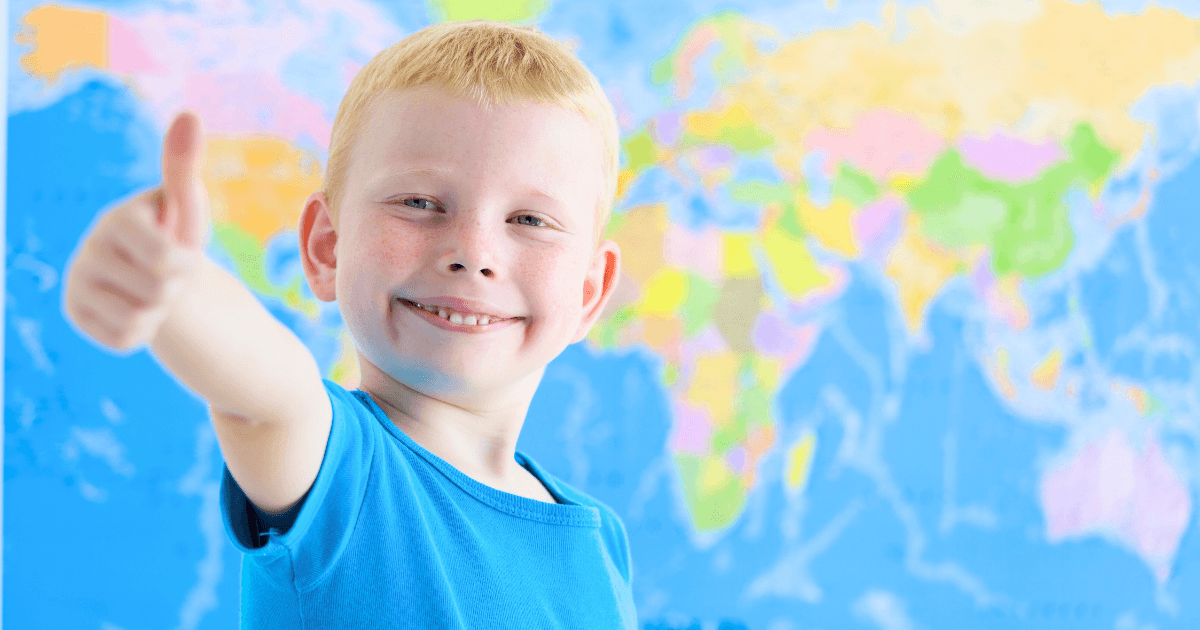
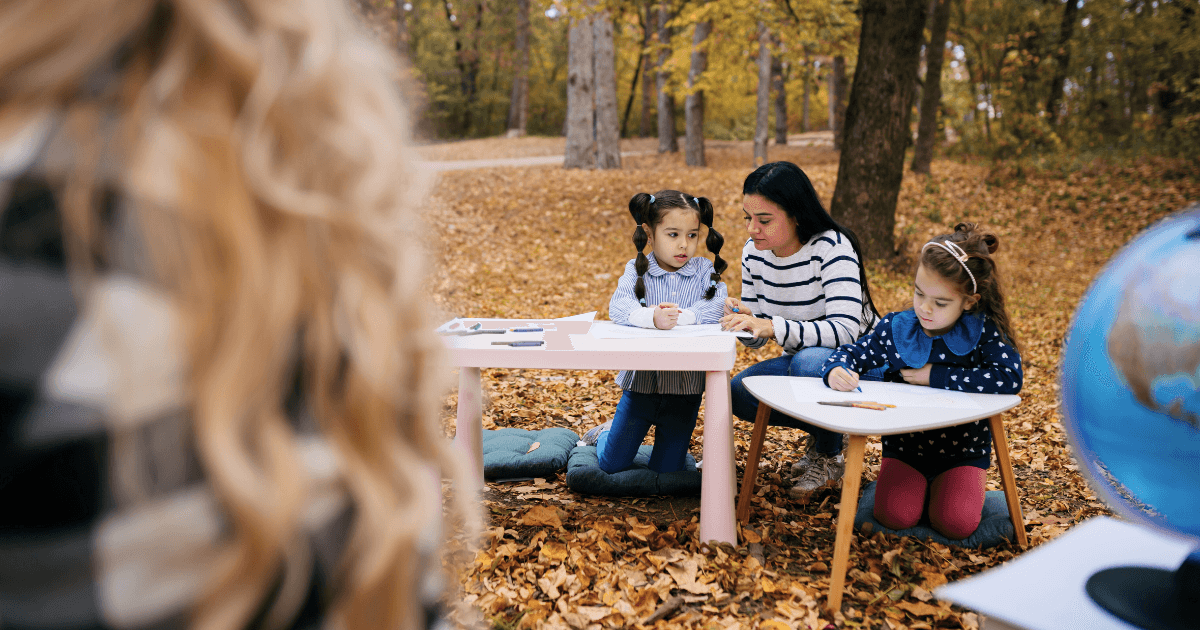
Last week, I watched my four-year-old niece point to a globe in her classroom and proudly announce, “My friend Mei lives here,” as she gestured toward China. Her teacher had been introducing the children to different cultures through stories, music, and photos of their international pen pals. In that simple moment, I witnessed the beginning of global citizenship—a child making a personal connection to a place thousands of miles away.
In today’s increasingly interconnected world, raising children to understand their place in the global community isn’t just valuable—it’s essential. But how do we translate complex concepts like global citizenship into meaningful experiences for young minds? Let’s explore practical ways to nurture world-aware children who feel connected to humanity beyond their immediate surroundings.
What is Global Citizenship for Young Children?
Global citizenship isn’t about passports or travel—it’s a mindset that recognizes our shared humanity and responsibility to each other and our planet. For young children, this begins with a simple awareness that:
People around the world have similarities and differences
Our actions can affect others, even those far away
Everyone deserves kindness and respect, regardless of where they’re from
We share one planet that we all need to care for
As UNESCO’s Global Citizenship Education framework highlights, these early understandings lay the groundwork for more complex global competencies later in life. Research shows that children who receive global citizenship education from an early age develop greater empathy, stronger critical thinking skills, and greater openness to diversity.
Why Start in Early Childhood?
You might wonder if global citizenship is too abstract for young children. Quite the opposite! Early childhood is actually the ideal time to begin this journey for several compelling reasons:
Natural Curiosity and Openness
Young children possess an innate curiosity about the world and haven’t yet formed rigid biases or stereotypes. As Dr. Louise Derman-Sparks, early childhood education expert, notes: “Children notice differences and similarities among people by age two and begin forming judgments about these differences by age three.”
By introducing global perspectives early, we can nurture this natural curiosity while helping children develop positive attitudes toward diversity before biases take root.
Foundation for Future Learning
The early years establish neural pathways that shape lifelong attitudes and behaviors. A 2023 study published in Child Development found that children exposed to multicultural experiences before age seven showed significantly higher levels of perspective-taking and cultural awareness as teenagers.
Preparation for Their Future
Today’s preschoolers will graduate into a world where global interconnection is the norm. According to the World Economic Forum, 65% of children entering primary school today will ultimately work in job types that don’t yet exist—many of which will require cross-cultural collaboration and global awareness.
Practical Ways to Foster Global Citizenship in Young Children
Transforming abstract concepts into child-friendly experiences is the key to nurturing young global citizens. Here are developmentally appropriate approaches that work:
1. Explore the World Through Stories
Stories provide windows into different lives and experiences. When selecting books for young children:
Choose stories featuring diverse characters and settings
Look for authentic representations of different cultures
Include books by authors from various backgrounds
Discuss similarities between the characters’ lives and your child’s
Recommended titles include “Same, Same But Different” by Jenny Sue Kostecki-Shaw, “The World Belongs to You” by Riccardo Bozzi, and “All Are Welcome” by Alexandra Penfold.
2. Celebrate Cultural Diversity Through Food
Food offers a sensory pathway to understanding different cultures:
Cook simple international recipes together
Visit ethnic grocery stores and farmers’ markets
Discuss where different foods originate
Host a “world snack day” with treats from various countries
One kindergarten teacher I know created a “Passport to Tastes” program where children stamp a paper passport each time they try a food from a different country.
3. Incorporate Music and Movement
Music transcends language barriers and captivates young children:
Listen to children’s songs from around the world
Learn simple dances from different cultures
Make or explore musical instruments from various regions
Discuss how music makes us feel, regardless of where it’s from
The Putumayo Kids collection offers excellent age-appropriate world music for young listeners.
4. Connect with Global Issues at a Child’s Level
Even complex global challenges can be introduced appropriately:
Talk about caring for animals and plants in your neighborhood as a starting point for environmental stewardship
Participate in simple community service projects that help others
Discuss basic needs that all children share (food, shelter, love)
Use picture-based news sources like News-O-Matic to introduce age-appropriate current events
5. Leverage Technology Meaningfully
Digital tools can create authentic connections:
Participate in classroom pen pal programs with international schools
Use video calls to connect with relatives or friends in other countries
Beyond specific activities, the everyday environment we create shapes children’s worldview:
Display a World-Aware Home
Keep a globe or world map accessible at child height
Display artwork, photographs, or objects from different cultures
Choose toys and games that represent diverse people and places
Label everyday items in multiple languages
Model Global Citizenship
Children learn most powerfully by example:
Show interest in learning about different places and people
Demonstrate respect when discussing cultural differences
Be mindful of the language you use about other countries
Share your own learning journey about the world
Connect Global to Local
Help children understand how global citizenship relates to their daily lives:
Discuss where everyday items come from (clothes, food, toys)
Point out connections between local weather and global climate
Highlight how people in your community come from different places
Participate in local cultural festivals and events
Addressing Challenges and Questions
As you embark on raising a global citizen, you might encounter some challenges:
“Isn’t my child too young to understand global issues?”
While complex problems need simplification, even young children can grasp basic concepts of fairness, sharing, and caring for others and our planet. Start with concrete examples they can relate to, such as sharing toys at preschool, to help them understand how to share resources globally.
“How do I discuss difficult global realities without causing anxiety?”
Focus on empowerment rather than fear. When discussing challenges like pollution, emphasize the positive actions people are taking and how children can help. Maintain a balance—for every problem discussed, highlight solutions and helpers.
“How do I teach global citizenship without imposing values?”
Focus on universal values like kindness, respect, and care for living things. Encourage critical thinking by asking open-ended questions: “What do you think about that?” rather than telling children what to think.
The Ripple Effect of Raising Global Citizens
When we nurture global citizenship in young children, the benefits extend far beyond individual development. According to the Global Citizenship Education Fund, children who develop global awareness early are more likely to:
Become active community members
Show greater empathy toward others
Develop stronger problem-solving skills
Demonstrate resilience in the face of challenges
Contribute positively to creating a more peaceful world
As one preschool teacher beautifully expressed: “When children understand they belong to something bigger than themselves—a classroom, a community, a world—they begin to see their actions as meaningful. That’s the beginning of changemaking.”
Starting the Journey
Raising global citizens doesn’t require extensive travel or elaborate resources. It begins with simple conversations, stories, and experiences that gradually expand a child’s worldview from their immediate surroundings to the broader human family.
Remember that global citizenship education is not an additional subject but a framework for learning that extends beyond the classroom. By weaving global awareness into everyday moments, we help children understand that they have both a place in the world and the power to make it better.
What small step will you take today to nurture global citizenship in the young children in your life?
What approaches have you tried for introducing global awareness to young children? Share your experiences and questions in the comments below!