Community Events: Representing Your Program at Local Festivals and Fairs
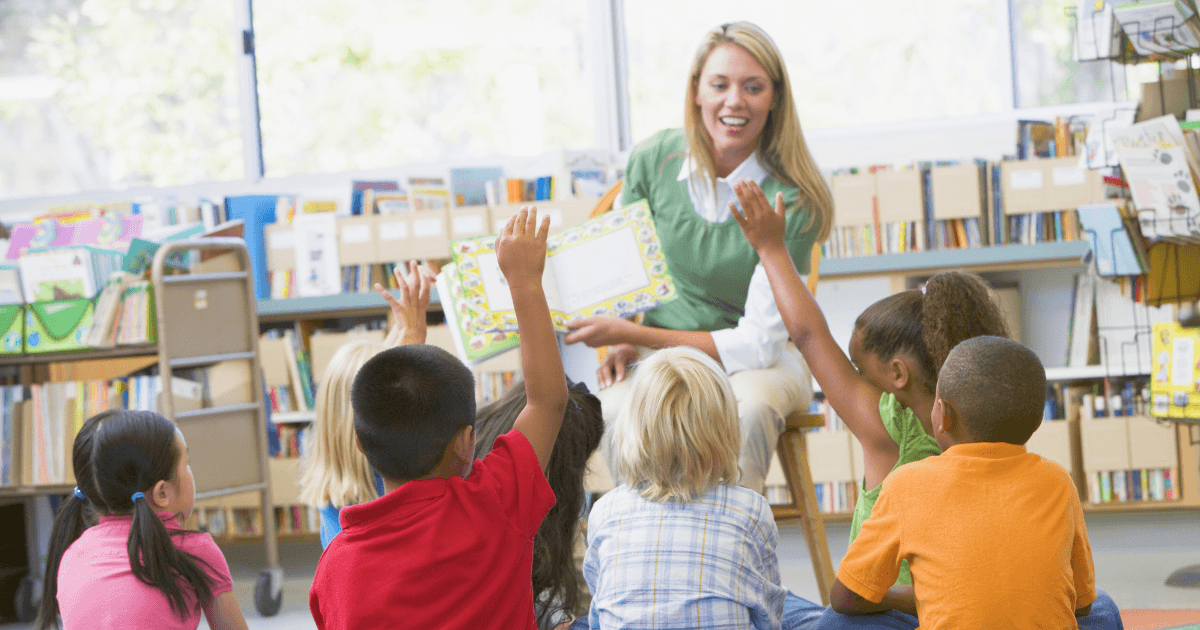
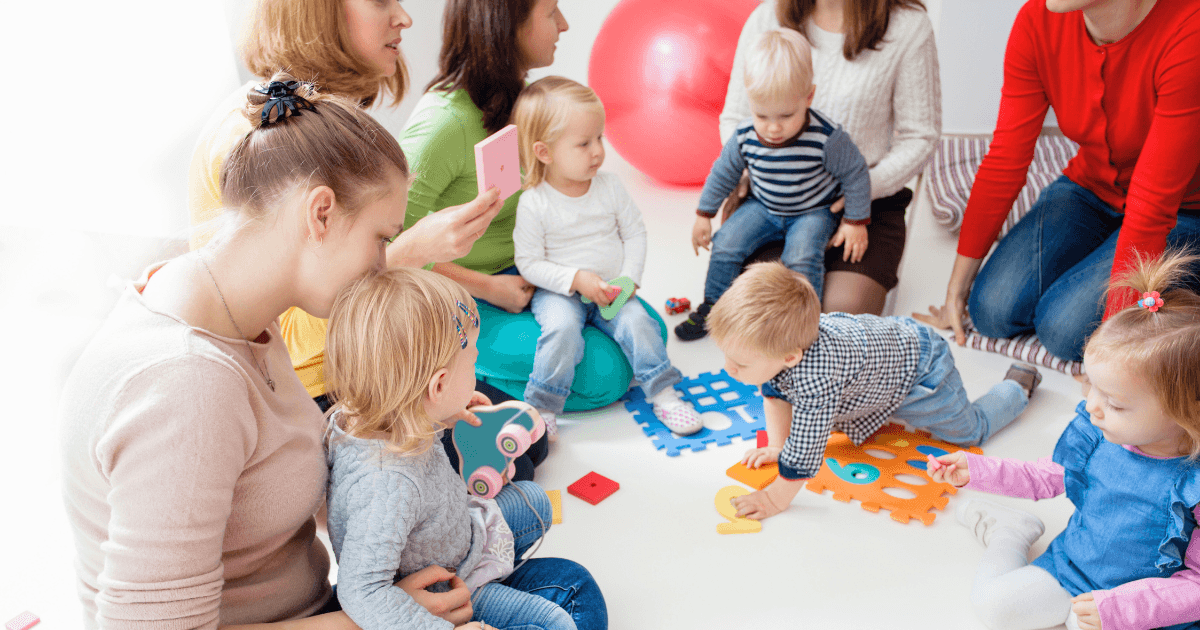
When Sunshine Preschool set up its booth at the annual Spring Festival, it went beyond the typical brochure display. Instead, they created a mini version of their outdoor classroom, complete with natural building materials, a sensory table filled with scented playdough, and a storytelling corner where teachers took turns reading favorite books. Throughout the day, children dragged their parents to the booth, often staying for 20 minutes or more, while teachers naturally engaged with families about their play-based approach to learning.
The result? Sunshine Preschool collected three times as much contact information as at previous events, received multiple tour requests, and even enrolled two new families directly from the festival. More importantly, they strengthened their reputation in the community as a program that truly understands how children learn through play.
This scenario illustrates the power of thoughtfully representing your early childhood program at community events. According to event marketing research, interactive experiences generate deeper engagement than passive displays, with high-performing booths achieving 60-80% participation rates at community events.
Let’s explore how to make your program shine at local festivals and fairs and create meaningful connections that extend far beyond the event itself.
Why Community Events Matter for Early Childhood Programs
Before diving into the “how,” let’s consider the compelling “why” behind participating in community events:
Visibility and Awareness
Community events offer unparalleled opportunities to:
Introduce your program to families who might not otherwise encounter it
Increase visibility in your local community
Showcase your unique approach and philosophy
Correct misconceptions about early childhood education
Relationship Building
These gatherings create natural contexts for:
Making personal connections with potential families
Building relationships with community partners
Networking with other early childhood professionals
Strengthening bonds with current families in a different setting
Community Integration
Participation demonstrates your program’s commitment to:
Being an active community member
Supporting local initiatives and celebrations
Collaborating with other community organizations
Contributing to the social fabric of your area
Program Distinction
Community events provide platforms to:
Highlight what makes your program unique
Demonstrate your values in action
Show rather than tell about your approach
Stand out in a crowded educational landscape
Planning Your Community Event Strategy
Successful community event representation begins with thoughtful planning:
1. Select the Right Events
Not all community events offer equal value for early childhood programs:
Demographic alignment: Choose events attended by families with young children
Value alignment: Select events that reflect your program’s values and approach
Timing considerations: Prioritize events during enrollment seasons
Resource management: Balance participation across the year to avoid burnout
Community relevance: Focus on events with strong local connections
Action step: Create a calendar of potential community events for the year, ranking them by alignment with your goals and available resources.
2. Set Clear Objectives
Define what success looks like for each event:
Awareness goals: Number of meaningful conversations, materials distributed
Engagement metrics: Participation in activities, social media interactions
Lead generation: Contact information collected, tour requests
Enrollment targets: Direct enrollments or applications
Community building: Connections made with other organizations
Action step: For your next event, write down 2-3 specific, measurable objectives that align with your program’s broader goals.
3. Create a Distinctive Presence
Design a booth or space that reflects your program’s identity:
Visual branding: Consistent use of colors, logos, and imagery
Environmental elements: Components that reflect your physical space
Philosophy in action: Demonstrations of your educational approach
Sensory considerations: Attention to how your space looks, sounds, and feels
Accessibility planning: Ensuring all visitors can engage with your space
Action step: Create a booth design sketch or planning document that intentionally incorporates elements of your program’s identity and approach.
4. Assemble Your Team
The people representing your program are your most important asset:
Staff selection: Choose representatives who naturally connect with others
Role clarity: Assign specific responsibilities to each team member
Scheduling: Plan shifts that keep energy high throughout the event
Preparation: Brief everyone on key messages and common questions
Appearance: Coordinate professional but approachable attire (program t-shirts work well)
Action step: Develop a simple team preparation guide with key talking points, frequently asked questions, and role assignments.
Creating Engaging Booth Experiences
The most successful booths offer interactive experiences that demonstrate your program’s approach:
1. Hands-On Activities
Design activities that showcase your educational philosophy:
Mini learning centers: Scaled-down versions of classroom activities
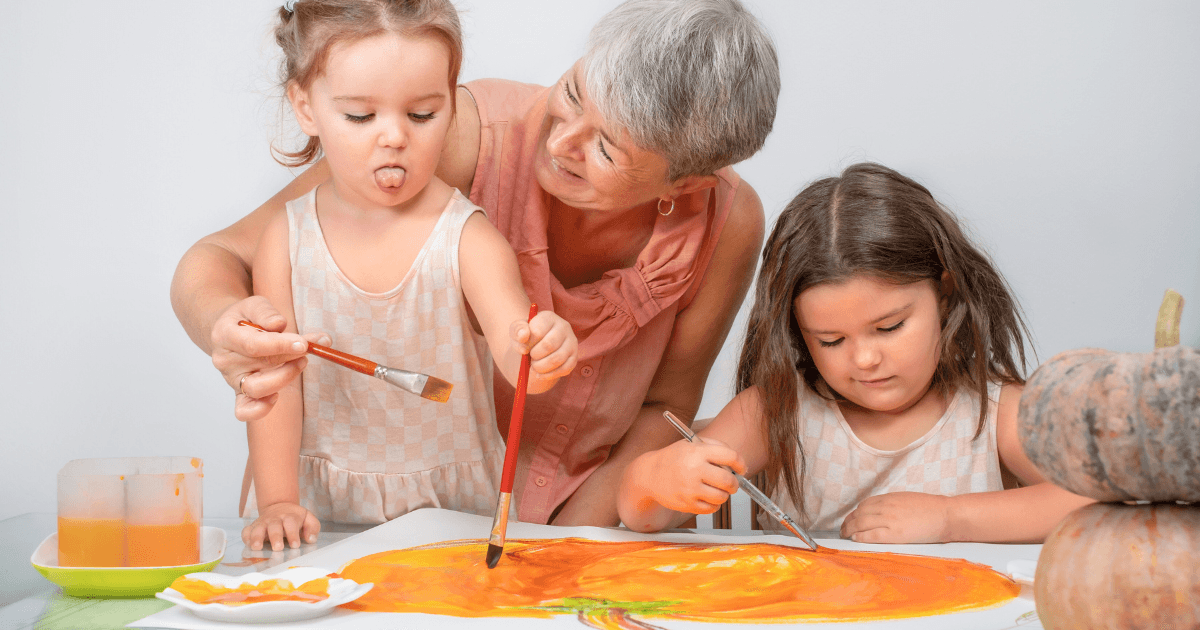
Make-and-take projects: Simple crafts or activities children can complete and take home
Sensory experiences: Opportunities to explore interesting materials
Photo opportunities: Fun, branded photo moments that families want to share
Demonstrations: Brief showcases of special program elements (music, movement, etc.)
Health and Safety Events: Showcase your program’s commitment to child wellbeing
Winter Events
Holiday Markets: Create winter-themed activities that respect diverse traditions
Indoor Play Events: Demonstrate how your program supports active play year-round
Community Service Events: Show your program’s commitment to giving back
Case Studies: Successful Community Event Representation
Learning from real examples can inspire:
The Reggio-Inspired Documentation Booth
A Reggio-inspired preschool created a booth featuring large, beautiful documentation panels showing children’s project work:
Key elements:
Interactive question prompts invited visitors to notice and wonder about children’s thinking
Teachers were prepared to discuss the deeper learning behind the visible work
A simple provocation allowed children to engage in similar exploration at the booth
Digital sign-up offered a “documentation mini-course” with email follow-up
Impact: The program established itself as a thought leader in early childhood education, attracted families aligned with its approach, and built partnerships with other educational organizations.
The Forest School Adventure
A nature-based program transformed their booth into a mini forest experience:
Key elements:
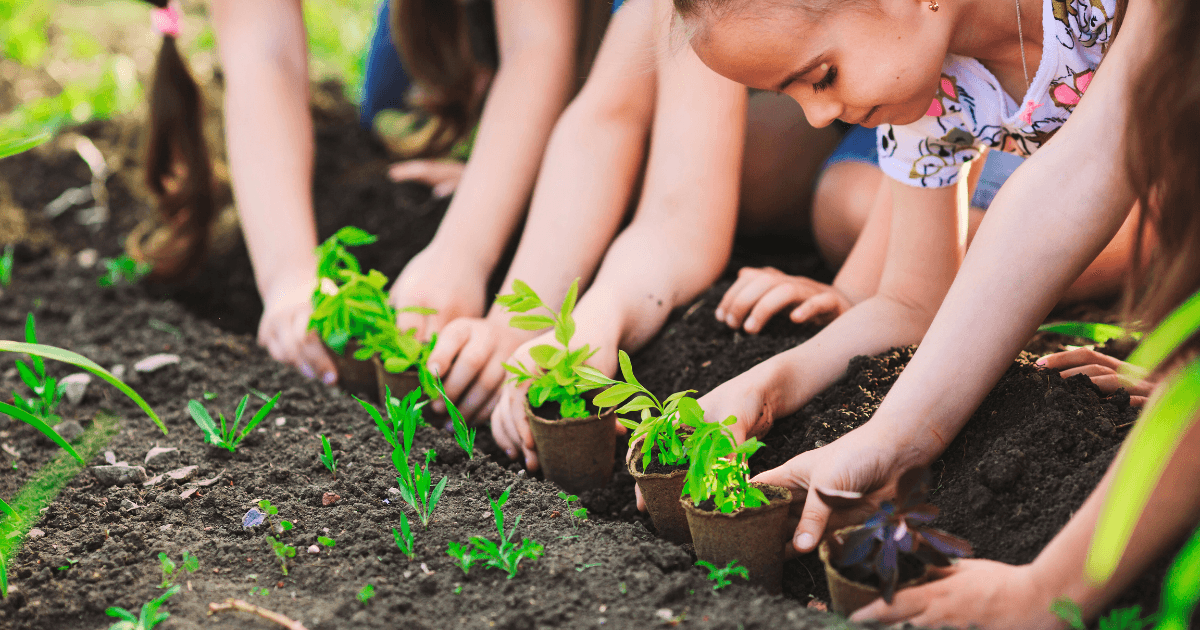
Natural loose parts and materials invited open-ended exploration
A mud kitchen (contained and manageable) demonstrated messy play benefits
Large photos showed children engaged in authentic outdoor learning
Teachers shared concrete examples of learning outcomes from nature play
A “nature play starter kit” was offered to families who provided contact information
Impact: The program clearly differentiated itself from traditional approaches, attracted families who valued outdoor learning, and shifted community perceptions of “academic” learning in early childhood.
The Multilingual Welcome Center
A language-immersion program created a booth celebrating linguistic diversity:
Key elements:
Greetings and signage in all program languages created an inclusive atmosphere
Simple language games demonstrated the playful approach to language learning
Video clips showed children comfortably navigating multiple languages
Current program families from various linguistic backgrounds helped staff the booth
Visitors received a “first words” guide in the program’s languages
Impact: The program built connections with diverse community members, clarified misconceptions about early language learning, and positioned itself as a leader in multicultural education.
Overcoming Common Challenges
Even well-planned community representation can face obstacles. Here’s how to address common challenges:
1. Limited Resources
Challenge: Insufficient budget, materials, or staffing to participate in the event.
Solutions:
Start with1-2 high-impact events rather than stretching resources too thin
Partner with current families to help staff your booth
Create reusable, versatile materials that work for multiple events
Focus on simple, low-cost activities that still showcase your approach
Consider sharing space with complementary community organizations
2. Standing Out in a Crowded Event
Challenge: Difficulty attracting attention in a busy festival or fair environment.
Solutions:
Create vertical elements that make your booth visible from a distance
Use movement, color, or sound (tastefully) to draw attention
Position active, engaging elements at the front of your booth
Offer something unique that isn’t available at other booths
Train staff to engage passersby with friendly, non-pushy invitations
Consider positioning near complementary booths rather than competitors
Schedule mini-events or demonstrations at your booth and promote them throughout the venue
3. Balancing Information with Experience
Challenge: Finding the right balance between sharing program information and creating engaging experiences.
Solutions:
Layer information into experiences rather than presenting it separately
Train staff to weave key messages into natural conversations
Create visual displays that communicate key points at a glance
Offer detailed information as take-home materials
Use QR codes linking to specific information for interested families
Design activities that naturally demonstrate your program’s approach
4. Managing Various Visitor Types
Challenge: Accommodating both seriously interested families and those just enjoying activities.
Solutions:
Create multi-layered experiences that work for different engagement levels
Train staff to identify cues indicating deeper interest
Develop smooth transitions from casual engagement to more serious conversations
Have a quiet space for in-depth discussions away from main activities
Create clear next steps for interested families that don’t pressure casual visitors
5. Collecting Meaningful Contact Information
Challenge: Gathering contact information without coming across as pushy or transactional.
Solutions:
Offer genuine value in exchange for contact information
Create natural, low-pressure opportunities to share information
Be transparent about how you’ll use contact information
Train staff in conversational approaches to information gathering
Follow up promptly to demonstrate responsiveness
Measuring Success Beyond Numbers
While collecting contacts and generating enrollments are important, broader measures can help you assess the full impact of your community event participation:
1. Community Awareness Indicators
Increased social media followers or engagement
More website traffic from local sources
“We saw you at…” comments during tours or inquiries
Recognition from other community organizations
Invitations to participate in additional community initiatives
2. Relationship Quality Metrics
Depth and quality of conversations at your booth
Follow-up response rates from event contacts
Alignment between visitor interests and your program’s approach
Connections made with community partners
Strengthened relationships with current families who participated
3. Program Identity Measures
Clarity of public perception about your program
Accuracy of questions and comments about your approach
Staff confidence in representing your program
Consistency between your booth experience and the actual program
Feedback about what visitors found distinctive or memorable
4. Long-Term Impact Assessment
Enrollment inquiries mentioning community events over time
Volunteer or donation relationships that began at community events
Media coverage resulting from community visibility
Invitations to participate in community initiatives
Action step: Create a balanced scorecard for your next community event that includes metrics beyond contact numbers or direct enrollments.
Conclusion: From Representation to Relationship
When thoughtfully approached, community events become far more than marketing opportunities—they transform into powerful platforms for relationship building, community connection, and authentic representation of your program’s values.
The most successful programs recognize that a community event booth isn’t just a temporary outpost for recruitment—it’s a genuine extension of your learning environment and community. Each interaction, activity, and conversation should reflect who you truly are and the experience families will have in your program.
As one preschool director noted after a particularly successful community fair: “We stopped thinking about our booth as a way to ‘sell’ our program and started seeing it as a way to ‘be’ our program in the community. That shift changed everything—from the activities we offered to the conversations we had. We weren’t just representing our school; we were being our school, right there at the fair.”
By focusing on authentic experiences, meaningful connections, and genuine representation of your values, your participation in community events will yield benefits that extend far beyond immediate enrollments—building lasting relationships with families and establishing your program as an integral part of the community fabric.
What creative ways has your program represented itself at community events? Share your experiences and tips in the comments below.