Learning Centers 101: The Essential Centers Every Preschool Classroom Needs
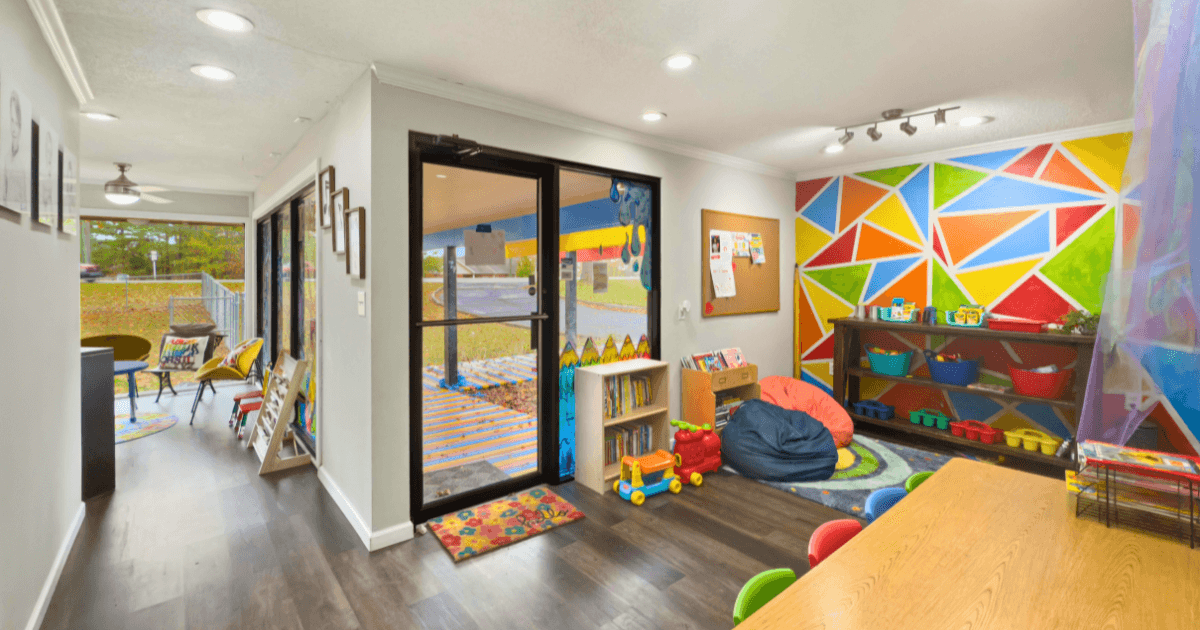
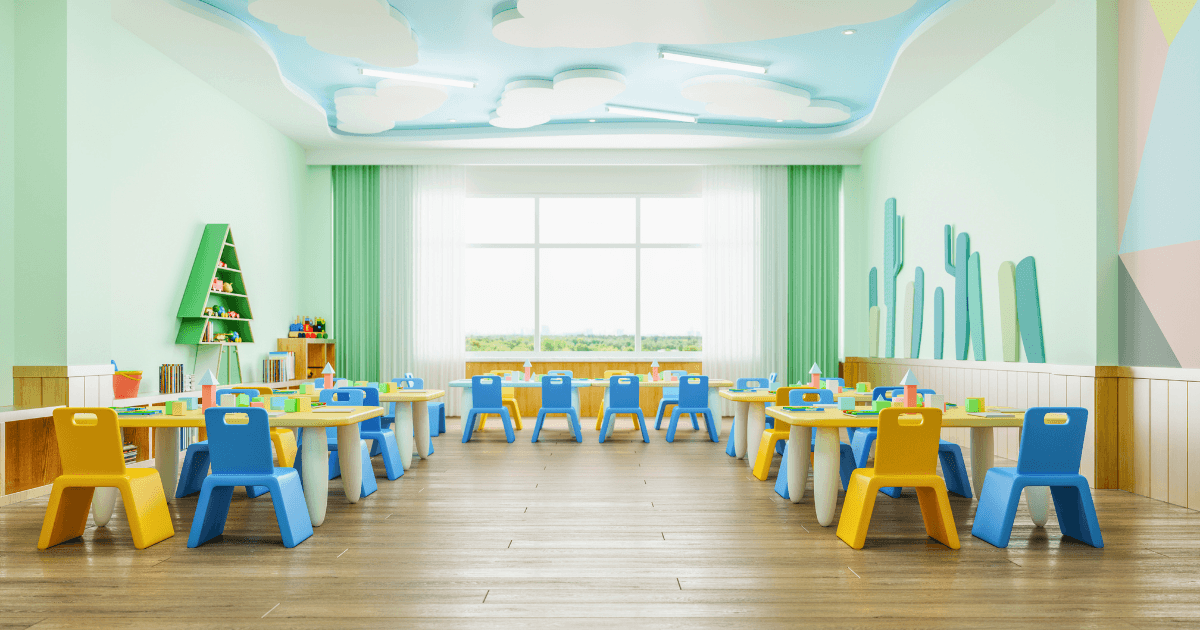
Walking into a well-designed preschool classroom feels magical. Children engaged in purposeful play, exploring materials with curiosity and joy, while developing crucial skills that will serve as their foundation for lifelong learning. Behind this seemingly effortless environment is a carefully planned system of learning centers—dedicated spaces that transform a classroom into a dynamic learning laboratory.
As an early childhood educator, creating effective learning centers isn’t just about arranging furniture and materials. It’s about crafting intentional spaces where young minds can flourish through exploration, discovery, and play-based learning.
What Are Learning Centers?
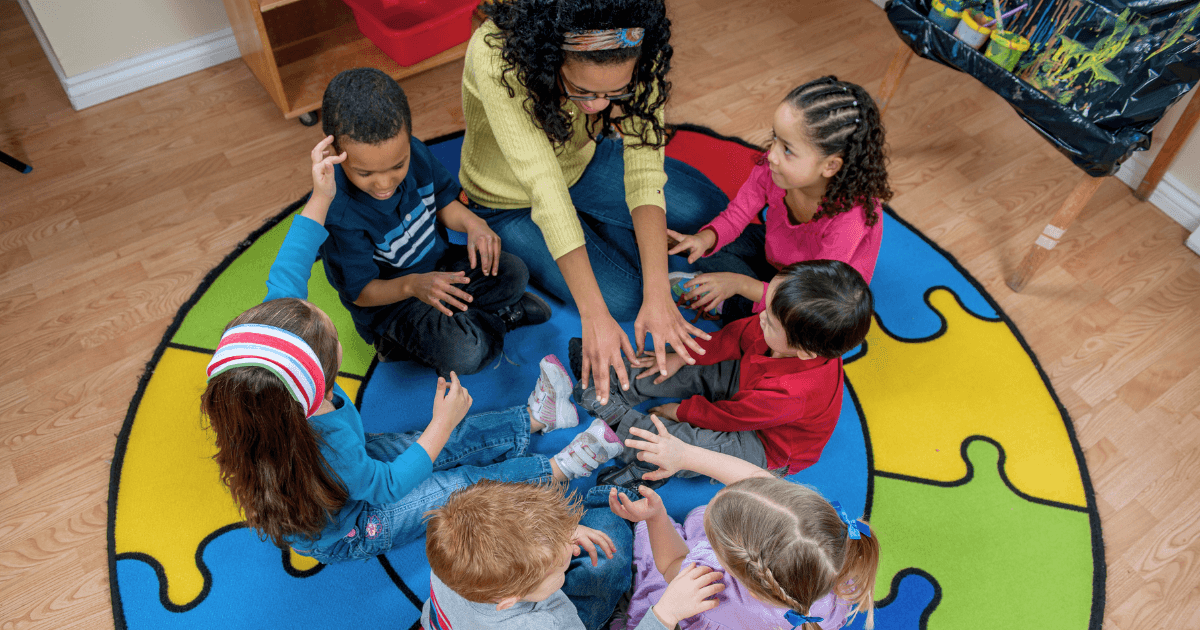
Learning centers (sometimes called interest centers or activity centers) are designated areas within a classroom where children engage in hands-on, self-directed activities related to specific subjects or skills. These spaces allow preschoolers to learn through play, practice social interactions, and develop independence.
According to research from the National Association for the Education of Young Children, well-designed centers support all domains of child development—physical, social, emotional, cognitive, and language—while accommodating different learning styles and abilities.
Why Learning Centers Matter in Preschool
Before diving into the essential centers, let’s understand why they’re so valuable:
They promote independence and decision-making. When children choose their activities, they develop agency and learn to trust their interests and abilities.
They facilitate differentiated learning. Centers naturally accommodate varying skill levels, allowing each child to learn at their own pace.
They encourage social development. As children navigate sharing space and materials, they practice crucial social skills like cooperation, negotiation, and communication.
They support language development.Studies from Cox Campus show that center time is the most language-rich part of the preschool day, with children hearing and using vocabulary in meaningful contexts.
They reinforce whole-group instruction. Centers allow children to apply concepts introduced during group time through hands-on exploration.
The 8 Essential Learning Centers
While classroom configurations vary, these eight centers form the foundation of a comprehensive preschool learning environment:
1. Reading/Library Center
This cozy, quiet area invites children to explore the world of books and develop early literacy skills.
Must-have elements:
Comfortable seating (cushions, bean bags, small couch)
Book display with covers facing outward
Variety of books (fiction, non-fiction, diverse characters)
Listening station with recorded stories
Puppets or stuffed characters from favorite books
Tip: Rotate books regularly to maintain interest, and include books that connect to your current classroom theme or project.
Tip: Include authentic writing materials, such as notepads, envelopes, and greeting cards, to help children understand the purpose of writing in everyday life.
3. Dramatic Play Center
Perhaps the most beloved center, this area allows children to try on different roles, process real-life experiences, and develop narrative thinking.
Must-have elements:
Kitchen setup with child-sized appliances
Dress-up clothes representing diverse occupations
Props for common scenarios (grocery store, doctor’s office)
Mirrors
Dolls and stuffed animals representing diversity
Play with food and dishes
Tip: Transform this center every 3-4 weeks to maintain engagement. A study by the Children’s Corner Group found that dramatic play centers build narrative skills, social abilities, and emotional intelligence through role play.
4. Block/Building Center
This center develops spatial reasoning, mathematical thinking, and problem-solving skills.
Must-have elements:
Various block types (wooden unit blocks, hollow blocks, foam blocks)
Construction toys (Legos, magnetic tiles, Lincoln Logs)
Props (small vehicles, people figures, animals)
Storage shelves with block outlines
Open floor space with a defined boundary
Blueprint paper and pencils
Tip: Take photos of children’s structures before cleanup time to document their work and inspire future building.
5. Art Center
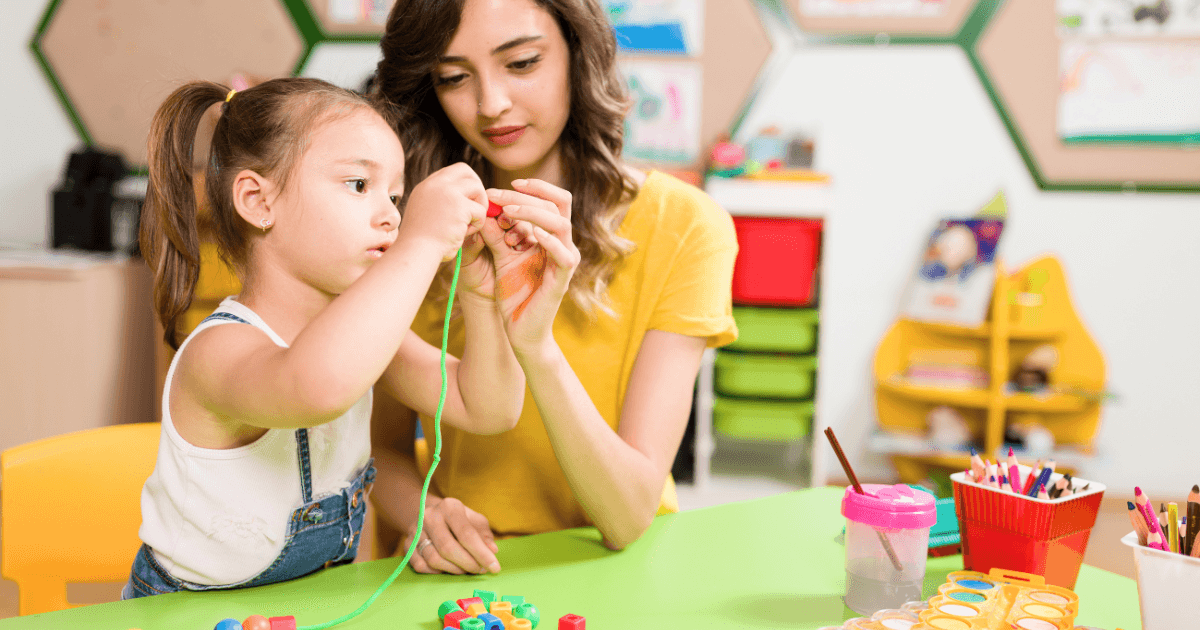
This creative space allows children to express themselves while developing fine motor skills and aesthetic awareness.
Tip: Focus on process-oriented art rather than pre-designed crafts. According to early childhood experts at Teach Starter, open-ended art activities foster creativity and critical thinking.
6. Math/Manipulatives Center
This area helps children develop number sense, pattern recognition, and logical thinking through hands-on exploration.
Tip: Consider having sensory options available throughout the classroom, not just at the sensory table. Small fidget toys or textured cushions can help children who need sensory input to focus.
Setting Up Successful Learning Centers
The physical arrangement of your centers can significantly impact their effectiveness. Consider these implementation strategies:
Physical Space Considerations
Define boundaries clearly. Use rugs, shelving, or floor tape to create visual boundaries between centers.
Consider noise levels. Place quiet centers (library, writing) away from louder ones (blocks, dramatic play).
Ensure accessibility. Materials should be within children’s reach, with clear organization systems.
Allow for movement. Provide enough space for the number of children allowed in each center.
Create visual cues. Label shelves with pictures and words to promote independence and cleanup.
Management Strategies
Limit numbers. Decide how many children can work in each center at once. Fun-A-Day recommends 2-3 children for smaller centers and 4-5 for larger ones.
Use visual sign-in systems. Picture-based sign-in sheets help children independently choose centers.
Establish clear routines. Teach expectations for using materials and cleaning up.
Plan for transitions. Give warnings before center time ends and have consistent cleanup signals.
Document learning. Keep observation notes, photos, or work samples from centers to track progress.
Rotating and Refreshing Center Materials
Keep centers engaging by regularly updating materials:
Follow children’s interests. Add props related to topics that captivate your students.
Connect to curriculum themes. Incorporate materials that extend your current teaching focus.
Introduce new challenges. As children master skills, add more complex materials.
Maintain the unexpected. Sometimes adding just one new element can revitalize interest in a familiar center.
According to early childhood education experts, learning centers should be refreshed every 2-4 weeks, with dramatic play areas changing monthly to maintain engagement.
Final Thoughts
Creating effective learning centers requires thoughtful planning, but the benefits for children’s development are immeasurable. By providing these eight essential centers, you create a classroom environment where children can develop independence, follow their curiosity, and build the foundations for lifelong learning.
Remember that the most successful centers reflect the unique needs and interests of your specific group of children. Observe how they interact with the materials, listen to their ideas, and be willing to adapt your centers accordingly. Your responsiveness to their learning journey will make center time truly magical.
What learning centers have been most successful in your classroom? Share your experiences in the comments below!