Creating Healing Spaces: Trauma-Informed Teaching Practices for Early Childhood Educators

In a classroom of twenty 4-year-olds, little Emma sits alone during playtime, flinching at sudden movements and struggling to connect with peers. Meanwhile, Jayden has frequent emotional outbursts that seem disproportionate to minor frustrations. As an early childhood educator, you might recognize these behaviors as potential signs of trauma—experiences that affect a staggering number of our youngest learners.
Recent data from the CDC reveals that approximately 61% of adults have experienced at least one Adverse Childhood Experience (ACE), with one in six adults reporting four or more ACEs. These early experiences don’t just disappear—they shape brain development, emotional regulation, and learning capacity in profound ways.
For early childhood educators, understanding and implementing trauma-informed teaching practices isn’t just beneficial—it’s essential. Let’s explore how you can create healing spaces for your youngest learners.
Understanding Childhood Trauma and Its Impact
Trauma in early childhood can take many forms: physical or emotional abuse, neglect, witnessing violence, family instability, or even medical trauma. What makes these experiences traumatic is that they overwhelm a child’s ability to cope and create a sense of helplessness or fear.
According to research published in BMC Psychiatry in 2025, there’s a strong association between adverse childhood experiences and the development of mental health challenges later in life. The research highlights a dose-response relationship—meaning the more adverse experiences a child has, the greater the potential impact.
In the early childhood classroom, trauma might manifest as:
- Difficulty transitioning between activities
- Emotional dysregulation (big reactions to small triggers)
- Challenges with peer relationships
- Trouble focusing or following directions
- Hypervigilance (always on alert)
- Regression in developmental milestones
- Withdrawal or disengagement
As Maria, an early childhood educator in Boston, shared with me: “I used to see these behaviors as discipline issues or developmental delays. Now I understand they’re often stress responses—the child’s brain and body trying to stay safe in the only ways they know how.”
Core Principles of Trauma-Informed Teaching
Trauma-informed teaching isn’t a curriculum or a set of activities—it’s an approach that transforms how we understand and respond to children’s needs and behaviors. The framework rests on several key principles:
1. Safety First
Children who have experienced trauma need environments that feel physically and emotionally safe. This means:
- Creating predictable routines with visual schedules
- Designing calm, organized spaces with minimal sensory overload
- Establishing clear, consistent boundaries
- Providing warnings before transitions or changes
- Using a calm, regulated voice even during challenging moments
The National Education Association emphasizes that safety extends beyond the classroom walls—it includes supporting students from “the bus stop to the classroom and beyond.”
2. Trustworthiness and Transparency
Trust is often damaged by trauma, so rebuilding it requires:
- Following through on promises, however small
- Being honest about what’s happening and what will happen next
- Explaining the “why” behind rules and expectations
- Acknowledging mistakes and modeling repair
- Maintaining appropriate confidentiality
3. Choice and Empowerment
Trauma often involves a loss of control, so offering appropriate choices helps children rebuild their sense of agency:
- “Would you like to use the red crayon or the blue crayon?”
- “Do you want to sit on the carpet or at the table for story time?”
- “Would you prefer to take a deep breath or squeeze your stress ball when you feel upset?”
According to Edutopia, “Empowering students by seeking their feedback and allowing them to make decisions fosters a sense of control and agency in the classroom.”
4. Relationship-Centered Approach
Healthy relationships with caring adults are the most powerful antidote to childhood trauma. This means:
- Prioritizing connection before correction
- Using morning check-ins to gauge emotional states
- Noticing and commenting on strengths and positive behaviors
- Maintaining unconditional positive regard even during challenging behaviors
- Building partnerships with families
Practical Strategies for Your Classroom
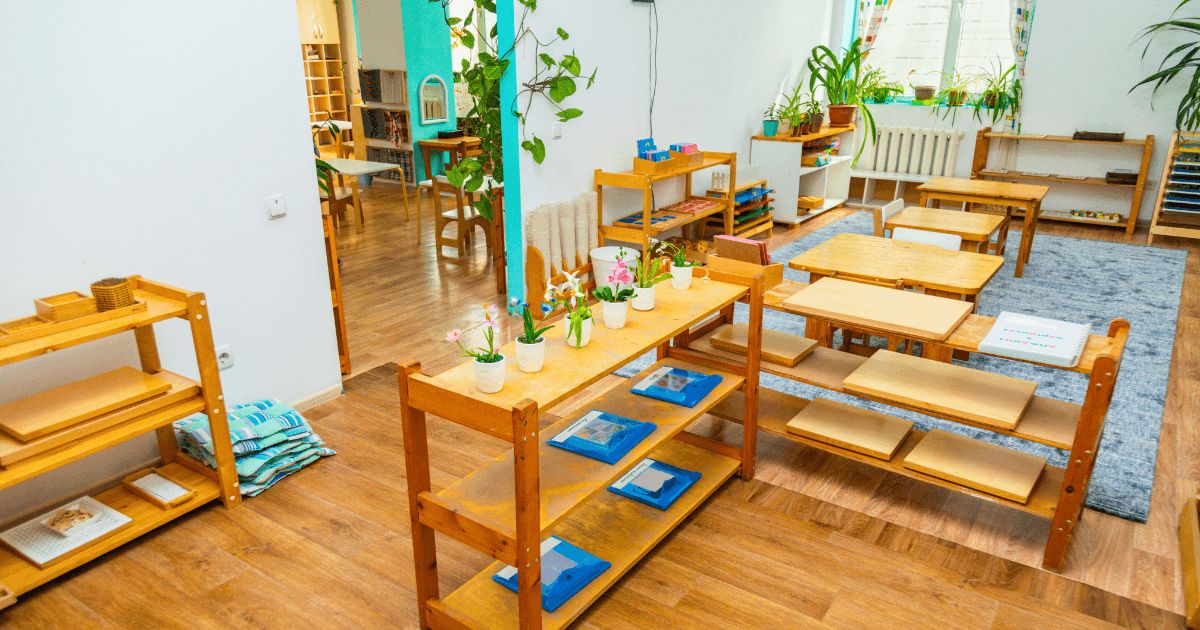
Creating a Trauma-Sensitive Physical Environment
Your classroom environment sends powerful messages about safety and belonging:
- Calm-down corner: Designate a comfortable space with soft pillows, sensory tools, and emotion regulation resources.
- Flexible seating: Offer options that allow for movement and comfort.
- Lighting: Use natural light when possible and avoid harsh fluorescent lighting.
- Visual supports: Post predictable schedules, emotion charts, and clear expectations.
- Sensory considerations: Reduce noise levels and create spaces for sensory breaks.
Teaching Emotional Regulation Skills
Children who have experienced trauma often need explicit instruction in identifying and managing emotions:
- Introduce a feelings vocabulary with pictures and examples
- Teach and practice specific calming strategies (deep breathing, counting, movement breaks)
- Use puppets or stories to explore emotional scenarios
- Create personalized regulation plans with visual cues
- Model your own emotional regulation (“I’m feeling frustrated, so I’m going to take three deep breaths”)
The Child Care Education Institute notes that “emotional regulation techniques for children include mindfulness practices, self-soothing strategies, and establishing consistent routines to reduce anxiety.”
Responding to Challenging Behaviors
When children exhibit challenging behaviors, a trauma-informed approach shifts from “What’s wrong with you?” to “What happened to you?” This means:
- Recognizing behavior as communication
- Responding with empathy rather than punishment
- Maintaining connection during difficult moments
- Focusing on teaching skills rather than enforcing compliance
- Using collaborative problem-solving approaches
Building Resilience Through Strengths
Trauma-informed teaching isn’t just about addressing problems—it’s about building resilience:
- Notice and name children’s strengths daily
- Create opportunities for mastery and success
- Teach growth mindset language
- Celebrate progress, not just achievement
- Connect children with activities that bring them joy
Supporting Yourself as a Trauma-Informed Educator
Working with children who have experienced trauma can be emotionally demanding. Secondary traumatic stress is real, and self-care isn’t optional:
- Establish boundaries between work and home
- Build a support network of colleagues who understand
- Practice your own emotional regulation strategies
- Seek professional supervision or consultation
- Recognize when you need additional support
As the School Works Lab notes, “Professional development for educators in trauma-informed practices is essential for effective implementation.”
Moving Forward: Small Steps, Big Impact
Becoming a trauma-informed early childhood educator doesn’t happen overnight. It’s a journey that involves ongoing learning, reflection, and adjustment. Start with one or two strategies that feel manageable, observe their impact, and build from there.
Remember that you don’t need to know a child’s specific trauma history to provide trauma-sensitive care. By creating environments that are safe, predictable, and nurturing for all children, you’re supporting those who have experienced trauma while benefiting every child in your classroom.
The statistics on childhood trauma can feel overwhelming—one in five children ages 3 to 17 have been diagnosed with a mental, emotional, or behavioral health condition. But as early childhood educators, we have a unique opportunity to be part of the solution. By implementing trauma-informed practices, we’re not just teaching academics—we’re helping children build the foundation for lifelong resilience and healing.
What trauma-informed practices have you found most effective in your early childhood classroom? Share your experiences in the comments below.