The Science of Early Learning: How Preschool Shapes Brain Development
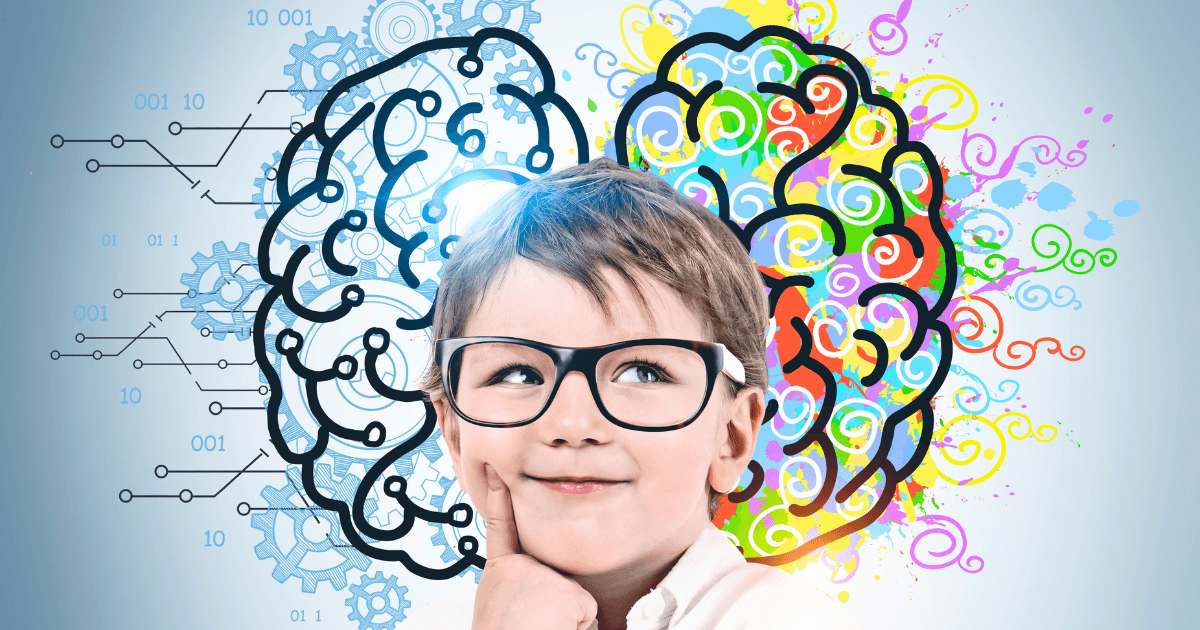
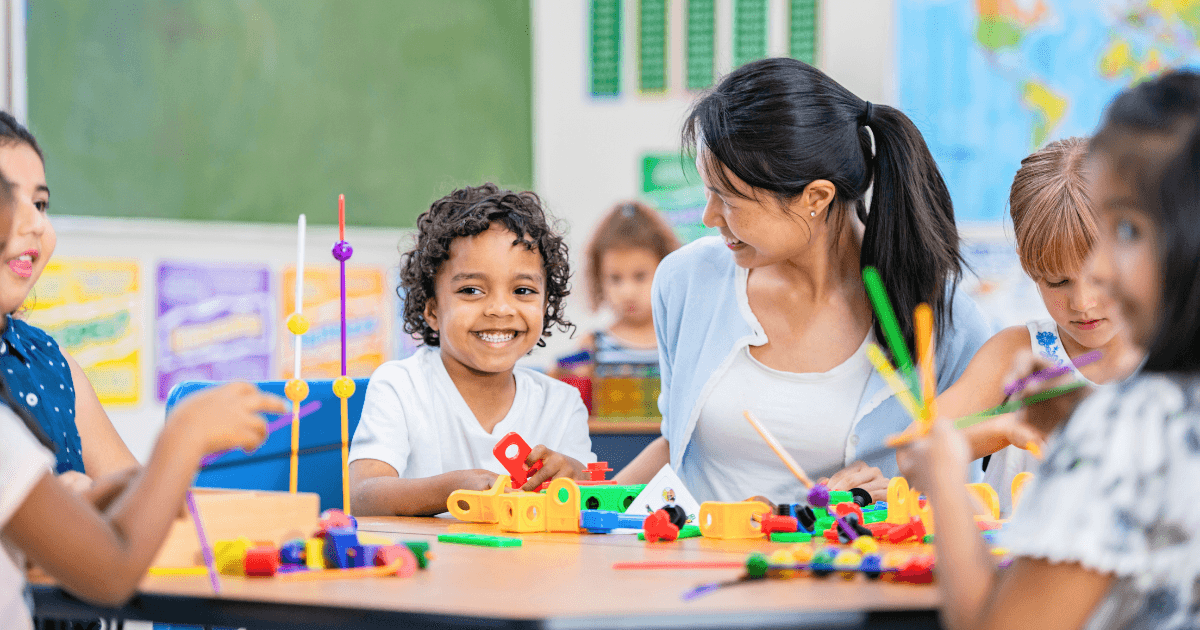
When you watch a preschooler build a tower of blocks, act out an elaborate pretend scenario, or carefully draw their first recognizable picture, you’re witnessing more than just play—you’re observing the remarkable process of brain architecture being constructed in real-time. The preschool years represent a period of extraordinary neural development, a time when the brain is forming connections at a pace never again matched in human life.
Recent advances in neuroscience have revolutionized our understanding of early brain development, providing compelling evidence for the profound impact of early experiences on lifelong learning, behavior, and health. In this article, we’ll explore the fascinating science behind early learning and how quality preschool experiences can positively shape the developing brain.
The Remarkable Preschool Brain: A Window of Extraordinary Opportunity
The human brain undergoes its most dramatic development during the first five years of life. Consider these remarkable facts from recent neuroscience research:
- By age 3, a child’s brain has reached about 80% of its adult size
- By age 5, it has grown to 90% of adult size
- During the first few years of life, the brain forms more than one million new neural connections every second
- The number of synapses (connections between neurons) peaks during the preschool years, with the average 3-year-old having about twice as many synapses as an adult
According to the Center on the Developing Child at Harvard University, this explosive growth makes the preschool years a period of both great vulnerability and tremendous opportunity. The experiences children have during this time don’t just influence their day-to-day happiness—they literally shape the physical architecture of the developing brain.
Building Brain Architecture: How Neural Connections Form
To understand why preschool experiences matter so much, it helps to know a bit about how the brain develops. The basic architecture of the brain is constructed through an ongoing process that begins before birth and continues into adulthood.
The Process of Neural Connection
Early brain development follows a “bottom-up” sequence:
- Neural proliferation: Before birth and in the first year, the brain produces billions of neurons (brain cells)
- Synaptogenesis: Connections (synapses) form between neurons at an astounding rate during the preschool years
- Pruning: Less-used connections are eliminated while frequently used connections are strengthened
- Myelination: Frequently used neural pathways become insulated with a fatty substance called myelin, making signals travel more efficiently
This process explains why early experiences are so influential—they determine which neural connections get strengthened and which get pruned away. As neuroscientist Dr. Jack Shonkoff puts it, “Brains are built, not born.”
Critical Periods and Sensitive Windows
Research has identified specific “critical periods” or “sensitive windows” when particular areas of the brain are especially receptive to environmental input:
- Language development: Most sensitive from birth to age 5, with particular intensity between 18-24 months
- Emotional regulation: Highly sensitive from birth to age 4
- Visual processing: Critical period from birth to approximately age 2
- Executive function skills: Develop rapidly between ages 3-5
- Social skills: Particularly sensitive period from ages 3-5
During these windows, the brain is exceptionally efficient at forming connections related to these skills. While learning certainly continues throughout life, these early windows represent times of unparalleled neural efficiency for specific types of development.
A 2025 study published by researchers at UC San Diego as part of the HEALthy Brain and Child Development (HBCD) Study provides the most comprehensive evidence to date of how these sensitive periods operate, showing that the quality of experiences during these windows can have lasting effects on brain structure and function.
How Preschool Experiences Shape Brain Development
Quality preschool programs provide exactly the kind of experiences that support healthy brain development during these critical periods. Let’s explore the specific ways preschool environments influence different aspects of brain development:
Language and Communication Circuits
The neural pathways for language develop primarily during the first five years of life, with vocabulary growth being particularly explosive between ages 2-5. Quality preschool environments support language development through:
- Rich vocabulary exposure: Preschool teachers typically use more varied vocabulary than is heard in the average home
- Back-and-forth conversations: These “serve and return” interactions are crucial for building language circuits
- Storytelling and book reading: These activities build comprehension and narrative thinking
- Peer interactions: Conversations with other children provide unique language learning opportunities
Research from Hart and Risley (1995) shows that by age 3, children from language-rich environments have heard roughly 30 million more words than children from language-poor environments—a difference that correlates with significant disparities in vocabulary size and later reading achievement.
Executive Function and Self-Regulation
The prefrontal cortex, responsible for executive functions like attention, working memory, and self-control, undergoes significant development during the preschool years. Structured preschool activities support this development through:
- Circle time: Practicing sitting still and paying attention
- Taking turns: Learning to inhibit impulses and wait
- Following multi-step instructions: Building working memory
- Problem-solving activities: Developing cognitive flexibility
- Cleanup routines: Planning and executing sequential tasks
A landmark study from the National Institute of Child Health and Human Development found that children who experienced high-quality preschool showed stronger executive function skills at age 4, which predicted better academic performance in elementary school and beyond.
Social-Emotional Neural Networks
The neural circuits that govern emotional regulation and social understanding develop rapidly during the preschool years. Quality preschool environments support this development through:
- Guided peer interactions: Learning to navigate social relationships
- Emotion coaching: Helping children identify and manage feelings
- Conflict resolution: Developing empathy and perspective-taking
- Cooperative play: Building collaboration skills
- Secure teacher relationships: Creating models for healthy attachments
According to research from Raising a Reader, these early social-emotional experiences create neural patterns that become the foundation for future relationships and emotional health.
Stress Response Systems
The brain circuits involved in managing stress are particularly sensitive during early childhood. Supportive preschool environments help develop healthy stress response systems through:
- Predictable routines: Creating a sense of safety and security
- Responsive caregiving: Helping children regulate emotions
- Appropriate challenges: Building resilience through manageable stress
- Calming strategies: Teaching self-soothing techniques
- Secure relationships: Buffering against toxic stress
Research from the National Scientific Council on the Developing Child distinguishes between positive stress (brief increases in heart rate and mild hormone elevations), tolerable stress (more serious but temporary stress buffered by supportive relationships), and toxic stress (prolonged activation of stress response systems). Quality preschool environments help children experience the first two types while protecting against the third.
The Neuroscience of Play: Why It Matters for Brain Development
Perhaps surprisingly to some, play is one of the most powerful drivers of healthy brain development during the preschool years. Far from being just “fun time,” play activates multiple neural systems simultaneously, creating rich, cross-region connections.
Different Types of Play Build Different Brain Circuits
- Physical play (running, climbing, dancing): Develops the cerebellum and motor cortex while building spatial awareness
- Pretend play: Strengthens the prefrontal cortex, supporting executive function and theory of mind
- Construction play (blocks, puzzles): Develops visual-spatial skills and mathematical thinking
- Social play: Builds neural networks for language, emotional regulation, and social understanding
- Sensory play: Creates connections between sensory processing areas and higher-order thinking
A 2024 study published in the journal Science found that play-based preschool programs that intentionally incorporate these different types of play show the strongest impacts on children’s cognitive and social-emotional development.
The Unique Power of Child-Directed Play
While all types of play support brain development, neuroscience research shows that child-directed play—where children take the lead in determining the direction and rules of play—is particularly powerful for developing executive function skills.
When children engage in self-directed play, they must:
- Plan what they want to do
- Remember the rules they’ve created
- Inhibit impulses that don’t fit their plan
- Adjust their approach when obstacles arise
- Negotiate with peers about how the play will proceed
These are exactly the cognitive skills that predict academic success and are associated with the development of the prefrontal cortex.
The Neurological Impact of Teacher-Child Relationships
The relationships children form with preschool teachers have a significant neurobiological impact. When children experience warm, responsive interactions with teachers, their brains release neurochemicals that support learning:
- Oxytocin: This “bonding hormone” creates feelings of trust and connection
- Dopamine: This “reward chemical” motivates learning and helps encode memories
- Serotonin: This “well-being neurotransmitter” supports emotional regulation
These neurochemical responses create optimal conditions for learning by reducing stress and increasing attention and motivation. According to research from the National Scientific Council on the Developing Child, these positive relationships also serve as a buffer against stress, protecting developing neural circuits.
Quality Matters: What Neuroscience Tells Us About Effective Preschool Programs
Not all preschool experiences have the same impact on brain development. Neuroscience research has identified specific factors that make preschool programs most effective for supporting healthy brain development:
Key Elements of Brain-Building Preschool Environments
- Low teacher-to-child ratios: Allow for more individualized interactions that build neural connections
- Consistent caregiving: Supports attachment and reduces stress
- Balance of structure and choice: Develops both self-regulation and autonomy
- Language-rich environment: Builds vocabulary and communication circuits
- Opportunities for complex play: Creates cross-region neural connections
- Physical activity: Supports brain growth through increased blood flow and neurotrophic factors
- Positive emotional climate: Creates optimal neurochemical conditions for learning
- Appropriate challenges: Stimulates neural growth through manageable stress
A comprehensive review of neuroscience-informed early childhood education published in Educational Research Review in 2025 found that programs incorporating these elements showed the strongest impacts on children’s brain development and subsequent academic and social outcomes.
Bridging Neuroscience and Practice: What Parents Should Look For
How can parents apply this neuroscience research when choosing a preschool? Look for programs that:
Create Conditions for Optimal Brain Development
- Provide a balance of teacher-directed and child-initiated activities
- Offer rich opportunities for different types of play
- Emphasize positive relationships between teachers and children
- Create a language-rich environment with books, conversation, and storytelling
- Include physical activity throughout the day
- Teach emotional vocabulary and self-regulation strategies
- Provide sensory-rich experiences across all learning domains
- Maintain consistent routines while allowing for flexibility
Ask Brain-Building Questions When Visiting Preschools
- How do teachers respond when children are upset or frustrated?
- What is the balance between structured learning and play?
- How much time do children spend in active, physical play?
- Howdo teachers support children’s language development?
- What strategies are used to help children develop self-regulation?
- How are children’s individual interests incorporated into learning?
The Long-Term Impact: How Early Brain Development Affects Later Life
The neural connections formed during the preschool years create the foundation for all future learning and development. Research from the HEALthy Brain and Child Development Study, the largest longitudinal study of early brain development in the United States, is providing unprecedented insight into how early experiences shape long-term outcomes.
Preschool Experiences Shape:
- Academic trajectory: Strong early neural foundations support later learning
- Social competence: Early relationship patterns influence future social success
- Emotional health: Early stress response patterns affect lifelong emotional regulation
- Cognitive flexibility: Early executive function development supports later problem-solving
- Health outcomes: Early brain development influences physical health through multiple pathways
Nobel Prize-winning economist James Heckman’s research shows that high-quality early childhood programs yield a 7-10% annual return on investment through improved outcomes in education, health, and economic productivity.
Supporting Brain Development at Home: Complementing the Preschool Experience
Parents play a crucial role in supporting the brain development that happens in preschool. To maximize the benefits of your child’s preschool experience:
Brain-Building Activities for Home
- Engage in back-and-forth conversations about your child’s preschool experiences
- Read together daily, discussing stories and asking open-ended questions
- Provide opportunities for physical play both indoors and outdoors
- Limit screen time, which can displace the active, social experiences that build healthy brains
- Maintain consistent routines to support emotional security and executive function
- Follow your child’s lead in play to support autonomy and motivation
- Provide simple materials that encourage creativity and problem-solving
- Practice naming and discussing emotions to build emotional intelligence
These activities strengthen and reinforce the neural connections being formed at preschool, creating a powerful synergy between home and school learning.
Conclusion: The Preschool Brain—A Foundation for Lifelong Learning
The preschool years represent a unique window of opportunity in human development—a time when experiences literally shape the architecture of the brain. Quality preschool programs provide exactly the kinds of experiences that support optimal brain development during this critical period.
By understanding the neuroscience of early learning, parents can make informed choices about preschool programs and create home environments that complement and enhance these experiences. Together, these efforts build strong neural foundations that support children’s learning, behavior, and health throughout their lives.
As neuroscientist Dr. Jack Shonkoff reminds us, “The science of early childhood development is as important as the science of global warming and international finance. It is time for society to use it more effectively.”
What questions do you have about how preschool experiences affect your child’s brain development? Share in the comments below!