Social Emotional Learning in Preschool: Activities That Build EQ
In the colorful, sometimes chaotic world of preschool, amid the ABCs and 123s, something equally important is taking shape: children’s emotional intelligence. While cognitive skills and academic readiness receive significant attention, research increasingly shows that a child’s social and emotional development during these formative years may be the strongest predictor of long-term success and well-being.
Social Emotional Learning (SEL) refers to the process through which children develop the ability to understand and manage emotions, set and achieve positive goals, feel and show empathy, establish and maintain positive relationships, and make responsible decisions. In preschoolers, this translates to learning how to identify feelings, regulate emotional responses, share toys, take turns, and navigate the complex social dynamics of the classroom.
According to a landmark 2025 study published in Frontiers in Psychology, the most intensive formation period for emotional intelligence occurs between ages 3 and 7, making preschool the perfect time to intentionally foster these crucial skills. The research shows that children with well-developed emotional intelligence demonstrate greater resilience, better academic performance, and stronger relationships throughout life.
In this comprehensive guide, we’ll explore the importance of social emotional learning in preschool and share practical, engaging activities that build emotional intelligence in young children. Whether you’re a teacher creating lesson plans or a parent looking to support your child’s development at home, these evidence-based approaches will help nurture the emotional skills that form the foundation for lifelong success.
Understanding Emotional Intelligence in Preschoolers
Before diving into activities, let’s understand what emotional intelligence looks like in preschool-aged children and why it matters so much.
The Components of Emotional Intelligence in Early Childhood
Emotional intelligence in preschoolers encompasses several interconnected abilities:
- Emotional Awareness: Recognizing and naming their own emotions and those of others
- Self-Regulation: Managing strong emotions and impulses in age-appropriate ways
- Social Skills: Interacting positively with peers and adults
- Empathy: Understanding and responding to others’ feelings
- Problem-Solving: Finding constructive solutions to social challenges
These skills develop gradually and at different rates for each child. A typical 3-year-old may recognize basic emotions like happy, sad, and angry, while a 5-year-old might identify more complex feelings like frustration, disappointment, or excitement.
The Research-Backed Benefits
Recent research has illuminated the profound impact of early emotional intelligence development:
- A 2025 study in Cognitive Education Research found that social-emotional development in preschoolers was strongly associated with “child flourishing” (β = .655, p < .001), which predicts later academic success.
- Research from TeachKloud indicates that children with strong emotional intelligence are better equipped to handle stress, perform well academically, and build positive relationships.
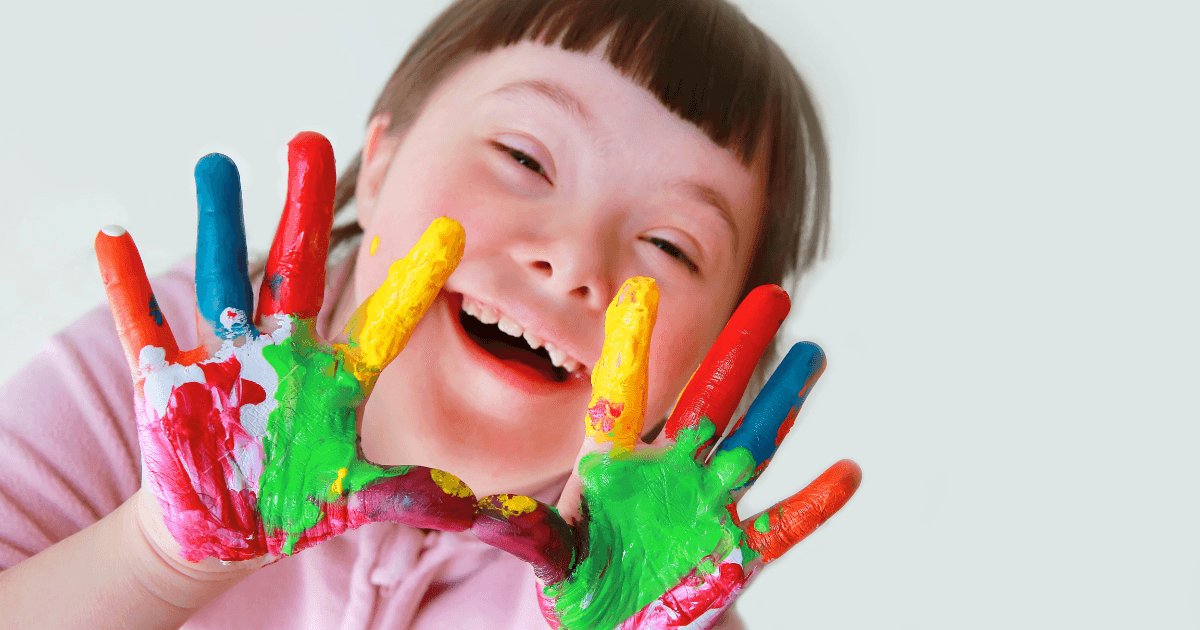
- According to Kids First Services, developing emotional intelligence in preschoolers lays the foundation for mental health, academic achievement, and social success throughout life.
- A longitudinal study cited by WeAreTeachers found that social-emotional skills displayed in kindergarten correlate with success in early adulthood, including higher education completion, stable employment, and better mental health.
These findings underscore the importance of intentionally fostering emotional intelligence during the preschool years, when children’s brains are especially receptive to developing these skills.
Setting the Stage: Creating an Emotionally Supportive Environment
Before implementing specific activities, it’s essential to create an environment that supports social emotional learning. This foundation makes all other SEL efforts more effective.
Physical Environment Elements
- Calm Corner: Designate a comfortable space where children can go to manage big feelings, equipped with soft cushions, calming sensory items, and emotion-focused books.
- Visual Supports: Display posters showing different emotions, problem-solving steps, and calming strategies at children’s eye level.
- Diverse Materials: Provide dolls, books, and images representing various cultures, abilities, and family structures to foster empathy and inclusion.
- Organized Spaces: Create clear boundaries between activity areas and ensure materials are accessible and well-organized to reduce frustration and promote independence.
Relational Environment Elements
- Emotional Coaching: Use everyday moments to help children identify and understand emotions (“I notice you’re frowning. Are you feeling disappointed?”).
- Modeling: Demonstrate healthy emotional expression and regulation by naming your own feelings and coping strategies.
- Responsive Interactions: Listen attentively, validate children’s emotions, and respond consistently to build trust and security.
- Positive Reinforcement: Acknowledge children’s efforts at emotional regulation and positive social interactions, not just the outcomes.
With this supportive foundation in place, the following activities can help preschoolers develop specific emotional intelligence skills.
Activities for Emotional Awareness and Expression
Recognizing and naming emotions is the first step in developing emotional intelligence. These activities help preschoolers build an emotional vocabulary and identify feelings in themselves and others.
1. Emotions Chart and Check-In
Materials:
- Large poster with emotion faces
- Name cards or photos of children
- Clothespins or Velcro dots
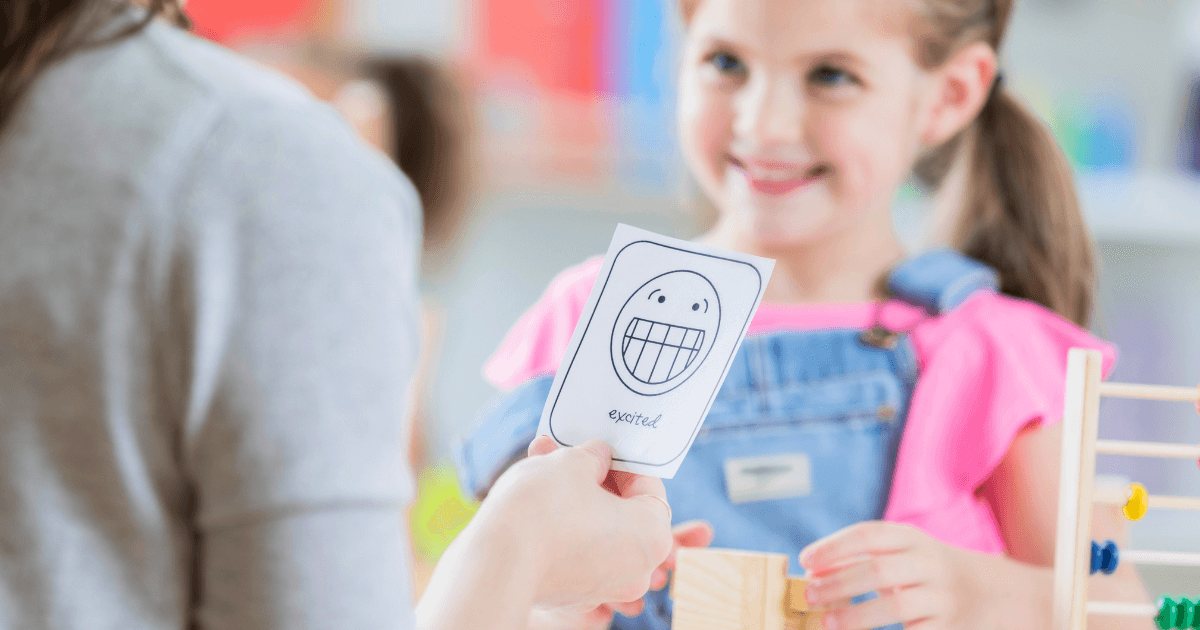
How to Do It: Create a visual emotions chart showing various facial expressions with corresponding emotion words. During morning meeting or throughout the day, have children move their name card or photo to the emotion they’re feeling. Follow up with simple questions like “What made you feel excited today?” or “What might help you feel better when you’re sad?”
Skills Developed:
- Emotional vocabulary
- Self-awareness
- Recognition of emotional fluctuations throughout the day
Extension: For older preschoolers, add a “because” component where they can verbalize or draw why they feel a certain way.
2. Emotion Charades
Materials:
- Cards with emotion words or pictures
- Small bag or container
How to Do It: Place emotion cards in a bag. Children take turns drawing a card and acting out the emotion while others guess what they’re feeling. For younger children, limit to basic emotions; for older preschoolers, include more nuanced feelings like frustrated, embarrassed, or proud.
Skills Developed:
- Emotional expression
- Recognition of emotional cues in others
- Nonverbal communication
Extension: After guessing the emotion, children can share a time when they felt that way, building emotional vocabulary and empathy simultaneously.
3. Mirror Play
Materials:
- Mirrors (handheld or wall-mounted)
- Emotion cards (optional)
How to Do It: Children look in mirrors while making different facial expressions. Teachers can prompt with scenarios (“Show me how your face looks when someone takes your toy”) or emotions (“Can you make a surprised face?”). Discuss the physical cues that show each emotion—raised eyebrows, smiling mouth, furrowed brow.
Skills Developed:
- Facial recognition of emotions
- Connection between feelings and physical expressions
- Self-awareness
Extension: Take photos of children expressing different emotions (with permission) and create a classroom emotions book that children can reference.
4. Feelings Sorting Station
Materials:
- Pictures showing people expressing various emotions
- Containers labeled with emotion words or faces
How to Do It: Children sort pictures into containers based on the emotions shown. For younger children, use basic categories (happy, sad, angry, scared); for older preschoolers, add more nuanced emotions (confused, nervous, excited).
Skills Developed:
- Emotional recognition
- Categorization skills
- Visual discrimination of emotional cues
Extension: Use magazine cutouts showing people in different situations and discuss what might be making them feel certain ways, introducing the concept that events trigger emotions.
Activities for Self-Regulation and Calming
Self-regulation—the ability to manage emotions and behavior—is a crucial component of emotional intelligence. These activities help preschoolers develop strategies to calm themselves and navigate strong feelings.
5. Breathing Buddies
Materials:
- Small stuffed animals or soft toys
- Calm, quiet space
How to Do It: Children lie on their backs with a stuffed animal on their bellies. They practice slow, deep breathing, watching their “buddy” rise and fall with each breath. Guide them with simple instructions: “Breathe in slowly through your nose…watch your buddy go up…now breathe out slowly through your mouth…watch your buddy go down.”
Skills Developed:
- Breath awareness
- Calming techniques
- Body awareness
Extension: Introduce different breathing patterns, such as “balloon breathing” (inflating like a balloon) or “bumblebee breathing” (humming on the exhale), to give children multiple self-regulation tools.
6. Calm-Down Bottles
Materials:
- Clear plastic bottles with secure lids
- Water
- Glitter or confetti
- Clear glue or glycerin
- Food coloring (optional)
How to Do It: Create calm-down bottles by filling plastic bottles with water, a bit of glitter, and glue (which slows the glitter’s movement). Secure lids with strong glue or tape. When children feel overwhelmed, they can shake the bottle and watch the glitter slowly settle, using this visual timer to help them calm down.
Skills Developed:
- Visual focusing for calming
- Patience
- Connection between internal and external settling
Extension: Create bottles with different materials (beads, sequins, small toys) and discuss how some emotions are “swirly” and fast like the shaken bottle, while calm feelings are like the settled bottle.
7. Emotion Thermometer
Materials:
- Large thermometer image
- Movable marker or clothespin
- Pictures showing calming strategies
How to Do It: Create a visual thermometer with colors ranging from blue (calm) to red (very upset). Children identify where their emotions are on the thermometer and select appropriate calming strategies based on their level of intensity. For example, mild frustration might call for deep breaths, while intense anger might require time in the calm corner.
Skills Developed:
- Emotional intensity awareness
- Strategy selection based on needs
- Self-monitoring
Extension: Help children create personal mini-thermometers with individualized calming strategies that work best for them.
8. “Turtle Technique” Role Play
Materials:
- Turtle puppet or toy (optional)
- Space for movement
How to Do It: Teach children the “turtle technique” for managing strong emotions: 1) Recognize the feeling, 2) Stop your body (like a turtle going into its shell), 3) Take three deep breaths, 4) Think of a solution. Practice through role-play scenarios relevant to preschool life, such as wanting a toy someone else is using or feeling frustrated with a difficult task.
Skills Developed:
- Impulse control
- Sequential thinking for emotional regulation
- Problem-solving
Extension: Create a visual poster showing the turtle technique steps and reference it during real conflicts, gradually transferring responsibility to children to implement the steps independently.
Activities for Developing Empathy and Social Awareness
Empathy—the ability to understand and share the feelings of others—is a cornerstone of emotional intelligence. These activities help preschoolers develop perspective-taking skills and sensitivity to others’ experiences.
9. Kindness Jar
Materials:
- Clear jar or container
- Colorful pom-poms, marbles, or paper hearts
- Small notepad for recording acts of kindness
How to Do It: Set up a kindness jar in the classroom. When children observe or perform acts of kindness, they add an item to the jar. For older preschoolers, briefly record the kind act in a notepad. When the jar is full, celebrate with a special activity. Regularly review the recorded acts to reinforce the value of kindness.
Skills Developed:
- Recognition of prosocial behaviors
- Motivation for kindness
- Community building
Extension: Create a “kindness challenge” with specific suggestions each week, such as “help someone who seems sad” or “share a toy with someone new.”
10. Story-Based Emotion Discussions
Materials:
- Children’s books featuring emotional themes
- Discussion prompts
How to Do It: Read books that explore various emotions and social situations. Pause throughout to ask questions like “How do you think the character feels right now?” or “What could the character do to solve this problem?” or “Have you ever felt like this character?” This helps children connect literature to their own emotional experiences.
Skills Developed:
- Perspective-taking
- Emotional vocabulary
- Connection between situations and feelings
Extension: After reading, have children draw or act out alternative solutions to the problems presented in the story, promoting flexible thinking about social situations.
11. “How Would You Feel If…” Game
Materials:
- Scenario cards or simple verbal prompts
- Emotion cards or faces (optional)
How to Do It: Present scenarios relevant to preschoolers’ lives and ask how they would feel in that situation. For example, “How would you feel if someone broke your tower of blocks?” or “How would you feel if you were invited to a birthday party?” Encourage children to explain their answers, respecting that different people might have different feelings about the same situation.
Skills Developed:
- Emotional prediction
- Recognition of diverse emotional responses
- Verbal expression of feelings
Extension: Have children create their own “How would you feel if…” questions for peers, promoting deeper perspective-taking.
12. Helping Hands Project
Materials:
- Paper for tracing hands
- Art supplies
- Photos or drawings of helping behaviors
How to Do It: Trace each child’s hands on paper. On each finger, write or draw ways they can help others at school, at home, and in the community. Display the hands on a wall or compile them into a class book. Regularly refer to the helping hands when opportunities to assist others arise.
Skills Developed:
- Prosocial behavior identification
- Community responsibility
- Empathy in action
Extension: Implement a “Helper of the Day” program where children take turns performing special helping tasks, reinforcing the value of contributing to the community.
Activities for Building Relationship Skills
Positive relationships are both a result of and a context for developing emotional intelligence. These activities help preschoolers practice the social skills needed for successful interactions with peers and adults.
13. Friendship Recipe
Materials:
- Large paper “recipe card”
- Markers or crayons
- Pictures of friendship behaviors (optional)
How to Do It: Create a “recipe” for friendship as a group. Ask children what “ingredients” make a good friend (sharing, kind words, helping, etc.) and how much of each is needed. Write their suggestions on a large recipe card, adding pictures for non-readers. Display the recipe and reference it when discussing friendship behaviors.
Skills Developed:
- Identification of positive social behaviors
- Concrete understanding of abstract relationship concepts
- Collaborative thinking
Extension: Have children create individual friendship recipes, highlighting the qualities they personally value in friendships.
14. Problem-Solving Role Play
Materials:
- Puppets or dolls
- Common scenario cards
How to Do It: Use puppets to act out common social problems preschoolers encounter, such as wanting to join a game, needing to share limited materials, or accidentally breaking someone’s creation. Pause the scenario and ask children to suggest solutions, then act out their ideas to see how they might work.
Skills Developed:
- Conflict resolution strategies
- Perspective-taking
- Verbal problem-solving
Extension: Create a “problem-solving toolkit” with visual reminders of strategies children have suggested, such as taking turns, using words, finding another toy, or asking for help.
15. Compliment Circle
Materials:
- Small soft object to pass
- Timer (optional)
How to Do It: Children sit in a circle and pass an object. When holding the object, each child gives a compliment to another child in the circle. Model specific, meaningful compliments that focus on actions rather than appearances: “I like how you helped me pick up the blocks” instead of “I like your shirt.” For younger children, you might provide sentence starters: “I like when you…”
Skills Developed:
- Positive communication
- Recognition of others’ positive qualities
- Receiving positive feedback appropriately
Extension: Create a “compliment jar” where children (or teachers) can write or draw compliments throughout the week. Read them aloud during group time to reinforce positive interactions.
16. Cooperative Games and Activities
Materials:
- Parachute or large sheet
- Beach ball or soft balls
- Cooperative board games
- Group art supplies
How to Do It: Incorporate games that require cooperation rather than competition. With a parachute, children must work together to keep a ball from falling off. In cooperative board games, players work as a team toward a common goal. Group art projects require sharing materials and space while creating something together.
Skills Developed:
- Teamwork
- Communication
- Shared goal-setting
- Compromise
Extension: After cooperative activities, reflect with children on what helped their team succeed: “What made it easier to work together?” “What was challenging?” “What would you do differently next time?”
Activities for Integrating Social-Emotional Skills
While the activities above target specific aspects of emotional intelligence, these integrated activities help preschoolers apply multiple social-emotional skills simultaneously in meaningful contexts.
17. Emotion-Based Dramatic Play
Materials:
- Props for various scenarios (doctor’s office, restaurant, home corner, etc.)
- Emotion cards or pictures
How to Do It: Enhance traditional dramatic play areas with emotion-focused elements. For example, in a doctor’s office, patients can express how they’re feeling; in a restaurant, customers can order “happy meals” or “calm-down snacks.” Occasionally introduce emotion cards that prompt children to incorporate specific feelings into their play.
Skills Developed:
- Emotional vocabulary in context
- Perspective-taking
- Social problem-solving
- Emotional expression
Extension: Create emotion-specific prop boxes (e.g., a “caring for others” kit with bandages and comfort items) that children can incorporate into various play scenarios.
18. SEL Story Creation
Materials:
- Paper for bookmaking
- Art supplies
- Voice recorder or writing materials for dictation
How to Do It: Children create their own stories (individually or as a group) that address social-emotional themes. Younger children can dictate while adults write; older preschoolers might draw and label their stories. Themes could include making friends, managing anger, overcoming fears, or showing kindness.
Skills Developed:
- Narrative understanding of emotions
- Creative expression of feelings
- Problem-solving through storytelling
Extension: Create a classroom library of student-made SEL stories that children can “check out” to share with families, promoting home-school connection around emotional learning.
19. Feelings-Focused Art Projects
Materials:
- Various art materials (paint, clay, collage materials, etc.)
- Emotion prompts or music
How to Do It: Guide children in creating art based on emotional prompts. They might paint to music that evokes different feelings, create clay sculptures of facial expressions, or make collages that represent specific emotions. Focus on the process rather than the product, encouraging children to explain their artistic choices.
Skills Developed:
- Emotional expression through multiple media
- Connection between feelings and creative expression
- Vocabulary for discussing emotions
Extension: Create a gallery of emotion artwork with artist statements (dictated by children) explaining their pieces and the feelings they represent.
20. Mindfulness Nature Walk
Materials:
- Access to outdoor space
- Magnifying glasses (optional)
- Collection bags (optional)
How to Do It: Take children on a slow, mindful walk outdoors, focusing on using all their senses. Ask guiding questions: “Whatdo you see that makes you feel calm?” “What sounds do you notice?” “How does the bark feel against your fingers?” After the walk, discuss how connecting with nature affected their feelings.
Skills Developed:
- Present-moment awareness
- Sensory regulation
- Connection between environment and emotions
Extension: Create a “calm nature kit” with items collected during walks (smooth stones, interesting leaves, pine cones) that children can use during stressful moments.
Implementing SEL Throughout the Day
While dedicated activities are valuable, the most effective social-emotional learning happens when these skills are integrated throughout the preschool day. Here are strategies for embedding SEL into daily routines:
Transitions
Use transition times as opportunities to practice self-regulation:
- Sing calming songs when moving between activities
- Practice deep breathing while waiting in line
- Play quick emotion identification games during unavoidable waiting periods
Conflicts
View conflicts as learning opportunities rather than disruptions:
- Guide children through problem-solving steps rather than imposing solutions
- Help children identify feelings driving behaviors
- Acknowledge and validate emotions while setting limits on behaviors
- Model constructive conflict resolution language
Mealtimes
Transform meals into social skill building opportunities:
- Practice conversation skills like taking turns speaking and asking questions
- Discuss emotions related to trying new foods
- Express gratitude for food and the people who prepared it
- Notice and name the social dynamics at the table
Outdoor Play
Extend SEL learning to the playground:
- Notice and comment on cooperative play
- Support children in negotiating turn-taking for popular equipment
- Help children recognize physical signs of excitement or frustration during active play
- Practice calming strategies after high-energy activities
Measuring Progress: Observing Growth in Emotional Intelligence
Unlike academic skills that can be easily tested, emotional intelligence develops gradually and is best assessed through careful observation over time. Here are indicators of growing emotional intelligence in preschoolers:
Emotional Awareness Milestones
- Identifies basic emotions in self and others
- Uses increasingly specific emotion words (frustrated instead of mad, disappointed instead of sad)
- Recognizes that emotions can change
- Begins to identify situations that trigger certain feelings
Self-Regulation Milestones
- Recovers more quickly from upsets
- Uses learned strategies to calm down
- Shows increasing impulse control
- Expresses emotions verbally rather than physically
Social Skills Milestones
- Initiates interactions with peers
- Takes turns and shares with decreasing adult support
- Resolves simple conflicts with words
- Shows pride in helping others
Empathy Milestones
- Notices when peers are upset
- Offers comfort to others
- Considers others’ preferences
- Shows interest in fairness
Document these observations through anecdotal notes, photos, and work samples to create a holistic picture of each child’s social-emotional development. Share these observations with families to celebrate growth and ensure consistent support between home and school.
Partnering with Families to Support SEL
Social-emotional learning is most effective when reinforced across environments. Here are strategies for engaging families in supporting their children’s emotional intelligence development:
Share Information About SEL
- Explain the components of emotional intelligence and why they matter
- Provide research on the connection between SEL and academic success
- Offer simple definitions of key concepts like self-regulation and empathy
Provide Practical Home Strategies
- Suggest children’s books that address emotions and social skills
- Share simple SEL activities families can do at home
- Offer language for talking about emotions with children
Create Two-Way Communication
- Ask families about their child’s emotional responses at home
- Invite families to share cultural perspectives on emotional expression
- Collaborate on consistent approaches to challenging behaviors
Celebrate SEL Growth
- Share specific observations of children’s emotional intelligence development
- Highlight SEL skills alongside academic achievements in communications
- Create opportunities for families to observe SEL activities during classroom visits
Addressing Challenges in SEL Implementation
While teaching social-emotional skills is rewarding, it also comes with challenges. Here are common obstacles and strategies for addressing them:
Challenge: Children with Diverse Emotional Development
Preschoolers develop emotional skills at widely varying rates, and some children may have specific challenges related to temperament, trauma, or neurodevelopmental differences.
Strategies:
- Differentiate expectations while maintaining high standards for growth
- Provide additional visual supports for children who need them
- Offer more frequent practice for challenging skills
- Consult with specialists when significant concerns arise
Challenge: Cultural Variations in Emotional Expression
Families from different cultural backgrounds may have varying norms for expressing emotions and navigating social situations.
Strategies:
- Learn about cultural differences in emotional expression
- Invite families to share their perspectives on social-emotional development
- Validate multiple approaches to emotional management
- Focus on the function of emotional skills rather than specific expressions
Challenge: Limited Time and Resources
With many competing priorities in preschool programs, finding time and resources for SEL can be challenging.
Strategies:
- Integrate SEL into existing routines rather than treating it as an “add-on”
- Use free or low-cost materials for activities
- Share resources with colleagues to reduce preparation time
- Remember that time invested in SEL often reduces time spent managing behaviors
The Long-Term Impact: Building Foundations for Life
The social-emotional skills developed during the preschool years have far-reaching effects throughout children’s lives. Research published in Cognitive Education Research found that early social-emotional development significantly predicts:
- Academic achievement throughout school years
- Positive mental health outcomes
- Successful relationships with peers and adults
- Reduced likelihood of behavioral problems
- Greater resilience in facing challenges
By intentionally fostering emotional intelligence in preschoolers, we’re not just preparing them for kindergarten—we’re equipping them with essential life skills that will serve them well into adulthood.
Conclusion: The Heart of Early Education
While alphabet knowledge and counting skills are important aspects of preschool education, social-emotional learning truly forms the heart of early childhood development. Through intentional activities and everyday interactions that build emotional awareness, self-regulation, empathy, and social skills, we help children develop the emotional intelligence that will support all other learning.
As Dr. Maya Angelou wisely noted, “People will forget what you said, people will forget what you did, but people will never forget how you made them feel.” By teaching preschoolers to understand and manage their feelings—and to care about the feelings of others—we’re imparting lessons that will last a lifetime.
The activities shared in this guide offer starting points for this important work, but the most powerful SEL happens in the context of warm, responsive relationships where children feel safe to express emotions, make mistakes, and grow. When we create environments where emotional intelligence is valued and nurtured, we give children one of the greatest gifts possible: the ability to understand themselves and connect meaningfully with others.
What social-emotional learning activities have you found most effective with preschoolers? Share your experiences and ideas in the comments below!