First Day Jitters: Easing Separation Anxiety for Children and Parents
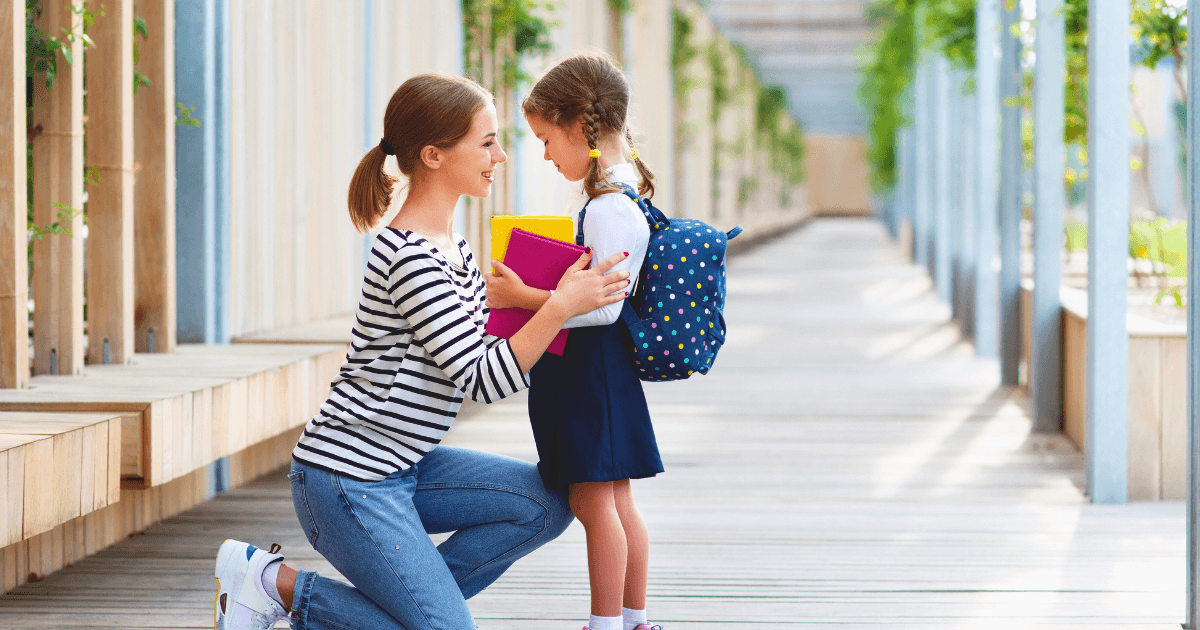
That moment when you have to leave your child at school or daycare for the first time can feel like someone’s tugging at your heartstrings. Your little one might cling to your leg, tears streaming down their face, while you’re fighting back your own. Trust me, you’re not alone in this emotional rollercoaster. Separation anxiety affects both children and parents, and it’s a completely normal part of development.
As a parent who’s been through this (more times than I’d like to admit), I’ve gathered some practical strategies to help both you and your child navigate these challenging transitions. Let’s turn those tearful goodbyes into confident see-you-laters!
Understanding Separation Anxiety at Different Ages
Separation anxiety looks different depending on your child’s age and developmental stage. Recognizing these patterns can help you respond appropriately.
Infants (8-12 months)
Around 9 months, babies develop object permanence – the understanding that things exist even when they can’t see them. This cognitive milestone often triggers separation anxiety as they now understand you’re gone but don’t know when you’ll return.
Toddlers (15-24 months)
Some children who sailed through infancy might suddenly develop separation anxiety as toddlers. At this age, they may throw impressive tantrums during drop-offs, making you feel like the worst parent in the world. (Spoiler alert: you’re not!)
Preschoolers (3-5 years)
By this age, children are more aware of their emotions and how their behavior affects you. They might use separation anxiety strategically, knowing exactly which buttons to push. A preschooler might say things like, “But I’ll miss you too much!” or “Who will help me if I need something?”
Before the First Day: Preparation is Key
The groundwork for smooth separations starts well before the actual first day.
Familiarize Your Child with the Environment
One week before:
- Visit the school or classroom together
- Meet the teacher if possible
- Explore the playground or other facilities
“When my daughter started preschool, we drove by the building several times the week before, pointing it out excitedly each time,” shares Maria, a mother of two. “By the first day, she was actually looking forward to going inside the’rainbow building’ she’d seen so many times.”
Practice Short Separations
Build your child’s confidence with brief separations:
- Leave them with a trusted family member for an hour
- Gradually increase the time apart
- Always return when promised to build trust
Create a Comfort Item
Research from Akron Children’s Hospital suggests that a transitional object can significantly reduce separation anxiety. Help your child select a special item to bring along:
- A family photo
- A small stuffed animal
- A bracelet or keychain that reminds them of you
- A handwritten note in their lunchbox
Read Books About School
Books can help children process emotions and visualize what to expect. Some great options include:
- “The Kissing Hand” by Audrey Penn
- “Llama Llama Misses Mama” by Anna Dewdney
- “The Invisible String” by Patrice Karst
The Big Day: Managing Drop-Offs
When the first day arrives, how you handle the separation can make all the difference.
Establish a Goodbye Ritual
Create a special, consistent goodbye routine that’s brief but meaningful:
- A special handshake
- Three kisses and a hug
- A specific phrase like “See you later, alligator!”
According to the Triple P Positive Parenting Program, these rituals provide security and predictability during an emotional time.
Keep Goodbyes Short and Sweet
The hardest parenting advice to follow: once you say goodbye, leave promptly. Lingering or returning if your child cries typically prolongs the distress rather than alleviating it.
“The teachers assured me that my son stopped crying within five minutes after I left, but those five minutes felt like torture,” admits Chris, father of a kindergartener. “The second week was already easier because we both knew what to expect.”
Be Honest and Specific About Return Times
Young children don’t understand concepts like “I’ll be back soon.” Instead, connect your return to concrete events in their day:
- “I’ll pick you up after nap time”
- “I’ll be here when you finish afternoon snack”
- “I’ll see you after you play outside”
When Parents Feel the Anxiety Too
Let’s be honest – sometimes we parents struggle with separation more than our kids! Here are some strategies to manage your own anxiety:
Manage Your Emotions (Away From Your Child)
Children are incredibly perceptive and can sense your anxiety. Find healthy outlets for your feelings:
- Talk to other parents who understand
- Journal about your concerns
- Practice mindfulness or deep breathing
Stay Busy During Separation
Plan something enjoyable during your time apart:
- Meet a friend for coffee
- Tackle a project you’ve been postponing
- Exercise or practice self-care
Build a Relationship with Teachers
Establishing communication with your child’s caregivers can ease your worries:
- Ask about communication policies
- Find out how they handle upset children
- Request a quick text or photo once your child has settled
When to Seek Additional Support
While separation anxiety is normal, sometimes it requires professional guidance. According to Child Mind Institute, consider seeking help if:
- Anxiety persists beyond 4 weeks of school
- Your child refuses to attend school
- Physical symptoms like stomachaches or headaches occur regularly
- Your child’s distress significantly impacts their learning or social interactions
The Silver Lining
Remember that healthy separation is actually a developmental milestone worth celebrating. When children learn to separate successfully, they develop:
- Independence
- Resilience
- Trust in others
- Confidence in new situations
As one preschool teacher wisely told me, “The children who struggle most with goodbyes are often the ones who form the deepest connections with others. That sensitivity is actually a strength.”
Final Thoughts
Separation anxiety isn’t a sign of weakness in either you or your child—it’s evidence of your strong attachment. By approaching separations with empathy, consistency, and confidence, you’re teaching your child valuable life skills.
The tears will dry, the confidence will grow, and one day (perhaps sooner than you expect), your child will be so busy with friends they might forget to say goodbye. And while that moment brings its own bittersweet feelings, it’s exactly what we’re working toward: raising children who feel secure enough to spread their wings.
Have you found creative ways to ease separation anxiety? Share your experiences in the comments below!