Saying Goodbye: End-of-Year Rituals That Provide Closure
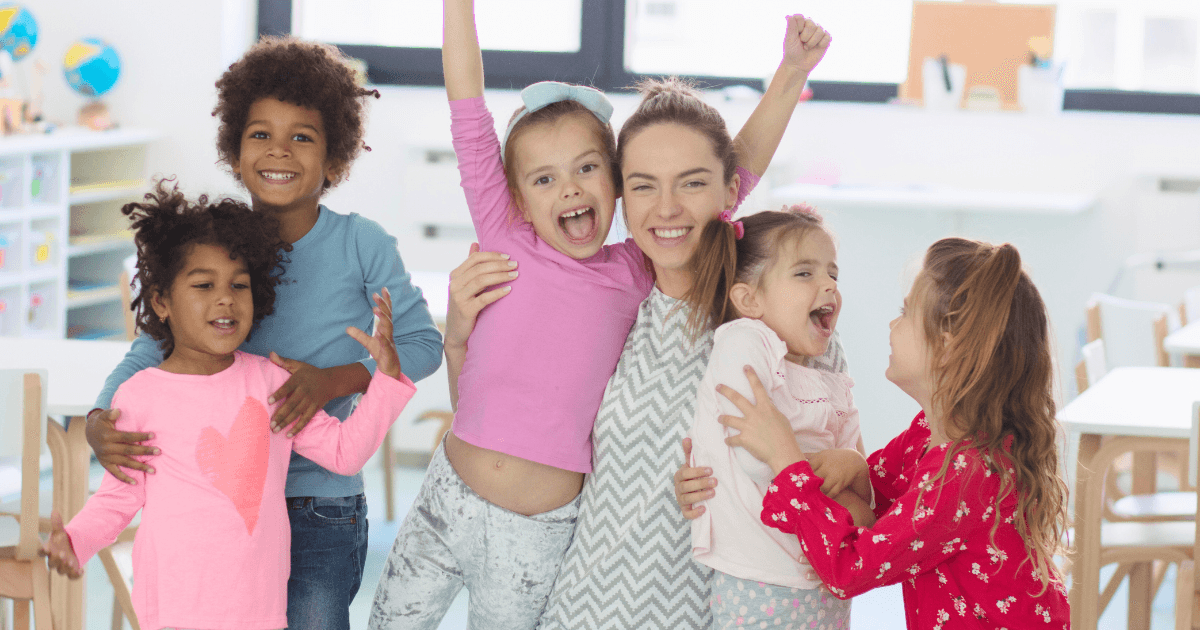
The classroom walls are gradually becoming bare. Student work is being compiled into portfolios. The energy in the room oscillates between excitement for summer and a bittersweet recognition that this unique classroom community will never exist in quite the same way again.
The end of the school year is a significant transition—not just academically, but emotionally and socially. After months of shared experiences, challenges, triumphs, inside jokes, and daily routines, students and teachers need meaningful ways to honor their journey together before saying goodbye.
“Children thrive on ritual and routine,” explains child psychologist Dr. Elena Martinez. “Just as we create welcoming rituals at the beginning of the year to build community, we need closure rituals to help children process endings in healthy ways.”
Thoughtfully designed end-of-year rituals serve multiple purposes:
- They provide emotional closure for both students and teachers
- They celebrate growth and accomplishments
- They help students reflect on their learning journey
- They ease anxiety about transitions to new classrooms or schools
- They create lasting memories that honor the time spent together
Let’s explore 15 meaningful end-of-year rituals that go beyond the typical pizza party or movie day to create genuine closure for your classroom community.
Reflective Rituals: Looking Back with Pride
Reflection helps students recognize their growth and internalize their learning experiences. These activities encourage thoughtful consideration of the school year journey.
1. Memory Museums
Transform your classroom into a “museum” showcasing the year’s journey:
- Create stations representing different units, projects, or months
- Display photos, student work, and artifacts at each station
- Have students act as “docents” for younger classes or parents
- Include interactive elements like reflection prompts or memory-sharing opportunities
“My fifth graders created a Memory Museum for their families during our final week,” shares teacher James Chen. “Watching them proudly explain their learning journey to their parents was incredibly powerful. They could literally see how far they’d come.”
2. Growth Timelines
Help students visualize their progress through personal timelines:
- Provide long strips of paper divided into months or quarters
- Have students illustrate key moments, challenges overcome, and skills mastered
- Include both academic and social-emotional milestones
- Display timelines and allow time for students to view each other’s journeys
For younger students, simplify by creating a class timeline together, with each child contributing their favorite memory from each month.
3. Reflective Circle Discussions
Create sacred space for shared reflection through structured discussions:
- Arrange students in a circle with a special object to pass as a “talking piece”
- Offer thoughtful prompts such as:
- “Something I learned about myself this year is…”
- “A challenge I overcame was…”
- “Something I’m proud of accomplishing is…”
- “A way I helped our classroom community was…”
According to Edutopia, these “Success Circles” help students articulate their growth while strengthening community bonds one final time.
Gratitude Rituals: Honoring Connections
Expressing appreciation helps students recognize the impact others have had on their journey and provides emotional closure to relationships.
4. Appreciation Stations
Set up stations for students to create messages of gratitude:
- Create a station for thank-you notes to school staff (librarians, custodians, office staff)
- Include a station for peer appreciation notes
- Add a station for family thank-you cards
- Provide a reflection station for personal gratitude journaling
5. Class Appreciation Circles
Create a powerful ritual of spoken appreciation:
- Seat students in a circle
- Have each student take turns in the “appreciation seat”
- Classmates share specific things they appreciate about that person
- Record these sessions (with permission) as keepsakes
“The first time I did an appreciation circle, I was stunned by the thoughtfulness of even my most challenging students,” recalls teacher Sofia Patel. “One boy who rarely spoke in class told a classmate, ‘I noticed how you always help others when they’re stuck on math problems, even when you could finish your own work faster.’ These moments reveal how closely children observe and value each other.”
6. Memory Books with Personal Messages
Create lasting keepsakes through collaborative memory books:
- Have each student design a personal page with photos and reflections
- Compile pages into individual books with a space for classmates to write messages
- Allow dedicated time for thoughtful message-writing
- Include your own personal message to each student
According to TeachHub, these personalized memory books become treasured keepsakes that students revisit for years to come.
Legacy Rituals: Passing the Torch
Legacy activities help students see themselves as part of a continuing story and give them a sense that their contributions matter beyond their time in the classroom.
7. Letters to Future Students
Invite students to share wisdom with next year’s class:
- Provide prompts like “What I wish I had known,” “The most important thing to remember,” or “My best advice”
- Compile letters to share with next year’s students during their first week
- For older students, consider creating video messages instead of written letters
8. Class Legacy Project
Leave a lasting mark on the school through a collaborative project:
- Create a mural or art installation
- Plant a garden or tree
- Compile a book of original stories or poems for the school library
- Design a game or activity for future recess periods
“Our third-grade class created a ‘kindness bench’ for the playground as their legacy project,” shares principal Dr. Marcus Johnson. “They researched, designed, raised funds, and installed it themselves. Years later, those students—now in high school—still come back to visit’their’ bench.”
9. Time Capsules
Create a bridge between present and future through time capsules:
- Have students contribute small items and written reflections
- Store in the classroom to be opened by next year’s class
- Alternatively, create personal time capsules for students to open themselves before a future milestone (like graduation)
Celebration Rituals: Honoring Achievements
Celebration activities acknowledge growth and create joyful final memories.
10. Personalized Awards Ceremony
Move beyond generic superlatives with meaningful recognition:
- Create thoughtful awards that highlight each student’s unique contributions and growth
- Include specific examples and stories with each award
- Invite families or other classes to attend
- Make certificates beautiful and meaningful
“I spend hours crafting each student’s award to capture something truly special about them,” explains veteran teacher Maya Williams. “When I present each award, I share a specific story that illustrates why they earned it. The pride on their faces is worth every minute of preparation.”
11. Class Memory Videos
Create digital time capsules through collaborative videos:
- Compile photos and video clips from throughout the year
- Include student reflections and messages
- Add music that was meaningful to your class
- Share during a special viewing celebration
According to Common Sense Education, these digital keepsakes have become especially meaningful in recent years, allowing students to revisit their classroom community even after they’ve moved on.
12. Learning Showcases
Transform traditional “presentations” into celebration events:
- Have students select their best work to showcase
- Invite families, administrators, or buddy classes to attend
- Structure as a gallery walk, performance, or demonstration
- Include student reflections on their learning process
Transition Rituals: Looking Forward with Confidence
Transition activities help students process change and approach new experiences with confidence.
13. Next-Grade Connections
Ease anxiety about the coming year through connection activities:
- Arrange buddy meetings with students in the next grade
- Facilitate Q&A sessions with next year’s teachers
- Take tours of new classrooms or schools
- Create “survival guides” with insider tips about the next grade
14. Goal-Setting Ceremonies
Bridge past accomplishments with future aspirations:
- Guide students in reflecting on this year’s growth
- Help them set meaningful academic and personal goals for next year
- Create visual representations of these goals
- Include a ritual element, like placing goals in a special container or sharing in a circle
15. Symbolic Crossing Ceremonies
Create tangible representations of transition:
- Have students walk across a symbolic bridge to represent moving forward
- Pass a “torch of knowledge” from graduating students to younger ones
- Plant seeds to represent growth that will continue
- Release environmentally-friendly balloons or butterflies with wishes for the future
Adapting Rituals for Different Age Groups
For Early Elementary (K-2)
- Keep activities concrete and simple
- Incorporate movement and sensory experiences
- Use visual supports like photos and drawings
- Focus on immediate connections rather than abstract reflection
“My kindergartners created handprint flowers for a’Garden of Growth’ display,” shares teacher Jamie Rodriguez. “Each petal contained a simple completion to’I learned to…’ or ‘I can now…’ It was a visual way for them to see their growth while creating a beautiful keepsake.”
For Upper Elementary (3-5)
- Balance reflection with celebration
- Incorporate creative expression through multiple modalities
- Connect past learning with future applications
- Encourage peer recognition and appreciation
For Middle and High School
- Respect adolescents’ need for emotional safety when being vulnerable
- Provide options for both public and private reflection
- Create rituals that honor their increasing maturity and independence
- Incorporate their input into designing meaningful closure experiences
Creating Your Own Meaningful Rituals
The most powerful end-of-year rituals often emerge from the unique culture of your specific classroom. Consider these principles when designing your own:
- Reflect your classroom values and identityWhat has been most important to your community this year?
- Balance structure with authenticity Create frameworks that support genuine expression rather than forced sentiments.
- Allow adequate time Meaningful closure can’t be rushed into the final day. Plan to begin closure activities at least a week before the end of school.
- Include all voices Ensure every student has opportunities to participate in ways that feel comfortable.
- Acknowledge mixed emotions Create space for both celebration and sadness about the ending.
A Teacher’s Reflection
As teachers, we too need closure at year’s end. Taking time for our own reflection honors the emotional investment we’ve made in our students and classroom community.
“I have a personal ritual of writing a letter to each class after they’ve left on the last day,” shares veteran teacher Michael Chen. “I never send these letters—they’re just for me. I reflect on our journey together, special moments, challenges we overcame, and my hopes for their futures. This ritual helps me process the bittersweet transition and prepare my heart to welcome a new class in the fall.”
Final Thoughts
Thoughtful end-of-year rituals are investments in our students’ emotional well-being and their understanding of healthy transitions. When we create space to honor what we’ve shared, celebrate growth, express gratitude, and look forward with hope, we teach valuable life skills about navigating endings and beginnings.
In a world where children experience many transitions, learning to say meaningful goodbyes is perhaps one of the most important lessons we can offer.
What end-of-year rituals have been most meaningful in your classroom? Share your experiences in the comments below!