Emotional First Aid: Supporting Children Through Big Feelings
It was circle time when four-year-old Jayden suddenly erupted in tears. His building block tower had collapsed moments before, and now, sitting cross-legged among his peers, those feelings came flooding out. As his teacher approached, the other children watched curiously—this moment would teach them as much about emotions as any planned lesson could.
In early childhood classrooms, emotional storms are as inevitable as spilled juice and untied shoelaces. These moments aren’t interruptions to learning; they’re valuable opportunities to teach perhaps the most important skill of all: emotional regulation.
According to research highlighted by Vidya Sury, emotional regulation in early childhood is directly linked to later academic achievement, social competence, and mental health. The prefrontal cortex—responsible for self-control and decision-making—develops rapidly during the first five years of life, making the preschool years a critical window for emotional skill-building.
As early childhood educators, we serve as emotional first responders, helping children navigate their big feelings with compassion and skill. This article explores practical, evidence-based strategies for supporting children through emotional challenges, creating classrooms where feelings are acknowledged, expressed appropriately, and ultimately understood.
Understanding the Emotional Landscape of Early Childhood
Before diving into specific strategies, let’s consider what’s happening in the emotional lives of young children:
The Developmental Context
Young children experience emotions intensely but lack the vocabulary, perspective, and neurological development to manage them effectively. This creates a perfect storm where:
- Feelings are experienced with full-body intensity
- Language skills may be insufficient to express complex emotions
- The ability to self-regulate is still developing
- Perspective-taking is limited
- Emotional memory is forming rapidly
As one preschool teacher shared: “I remind myself daily that children aren’t giving me a hard time—they’re having a hard time. Their emotional reactions aren’t personal or manipulative; they’re developmental.”
Common Emotional Triggers in the Classroom
According to The Incredible Years, understanding triggers helps us prevent and respond to emotional challenges. Common triggers include:
- Transitions between activities
- Frustration with challenging tasks
- Social conflicts and misunderstandings
- Overstimulation (noise, visual clutter, too many choices)
- Physical discomfort (hunger, tiredness, illness)
- Changes in routine or expectations
- Separation anxiety
- Feeling misunderstood or unheard
Recognizing Early Warning Signs
Vidya Sury notes that children often display physical cues before a full emotional meltdown. These may include:
- Clenched fists or jaw
- Flushed face or changed breathing patterns
- Avoidance behaviors
- Sudden quietness
- Increased physical restlessness
- Changes in voice volume or tone
Learning to spot these early warning signs allows for proactive intervention before emotions escalate beyond a child’s control.
Creating an Emotionally Supportive Classroom Environment
The foundation of emotional first aid begins with the classroom environment itself. Here’s how to create a space that supports emotional well-being:
Physical Environment
- Calm-down corner: Designate a comfortable, semi-private space where children can go to manage big feelings. Stock it with:
- Soft pillows or cushions
- Sensory tools (stress balls, fidgets, textured items)
- Picture books about emotions
- Emotion cards or posters
- Simple breathing visual guides
- Visual supports: Display age-appropriate posters showing:
- Facial expressions with emotion labels
- Simple calming strategies with pictures
- Problem-solving steps
- Class agreements about treating feelings with respect
- Sensory considerations: Reduce environmental stressors by:
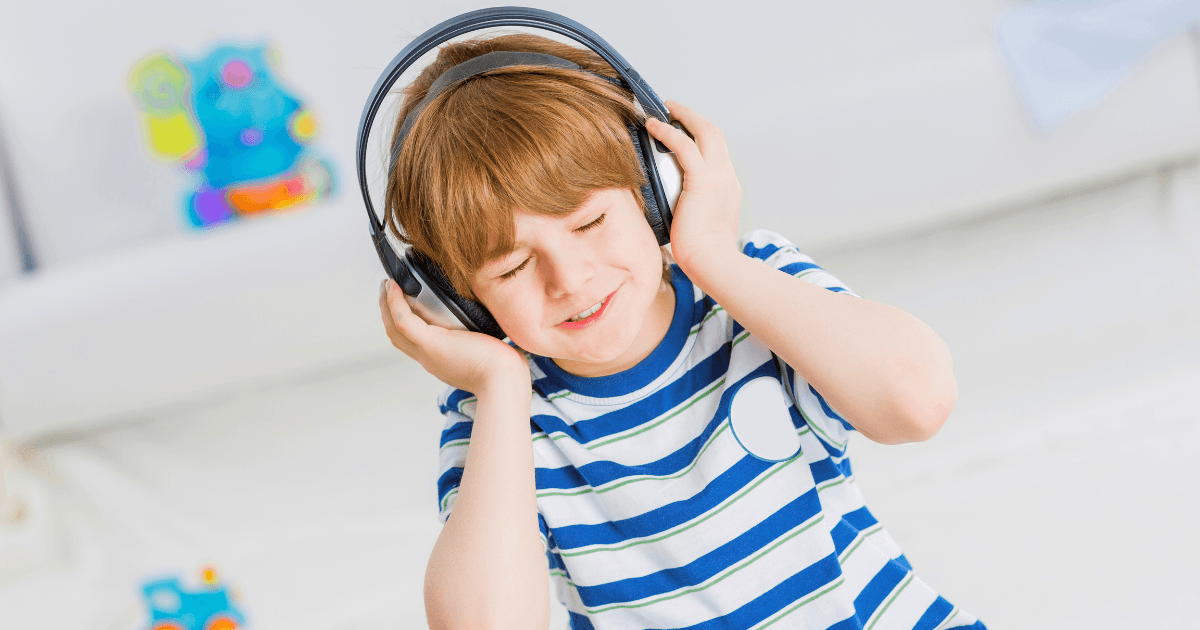
- Providing noise-reducing headphones for sensitive children
- Creating spaces with reduced visual stimulation
- Offering flexible seating options
- Maintaining organized, predictable spaces
Emotional Climate
- Emotion coaching language: Use phrases that validate feelings while setting boundaries on behavior:
- “I see you’re feeling frustrated. It’s okay to feel that way. It’s not okay to throw toys.”
- “You’re having big feelings right now. Let’s take some deep breaths together.”
- “I notice you’re clenching your fists. Are you feeling angry about something?”
- Emotional vocabulary building: Intentionally use and teach a rich emotional vocabulary beyond just “happy,” “sad,” and “mad.” Include words like:
- Frustrated, disappointed, worried, excited, nervous, proud, embarrassed, jealous, peaceful, overwhelmed
- Modeling emotional regulation: Narrate your own emotional management:
- “I’m feeling a little frustrated that the computer isn’t working. I’m going to take three deep breaths and try again.”
- “I was disappointed when it started raining during our playground time, but I remembered we could play movement games inside instead.”
Routines and Transitions
- Predictable schedules: Post and reference visual schedules
- Transition warnings: Give 5-minute and 1-minute warnings before activity changes
- Emotional check-ins: Begin and end the day with brief emotional temperature checks
- Consistent expectations: Maintain clear, compassionate boundaries around behavior
Emotional First Aid Toolkit: Responding in the Moment
When a child is experiencing overwhelming emotions, these strategies can help them regain their emotional balance:
1. Connect Before Redirect
What it is: Establishing emotional connection before attempting to solve problems or teach lessons
How to do it:
- Move to the child’s physical level
- Use a calm, warm voice
- Acknowledge the emotion: “I see you’re feeling really upset right now”
- Offer physical comfort if welcomed (and appropriate)
- Stay present without rushing to fix the situation
Why it works: According to Child Mind Institute, validating a child’s feelings helps them feel understood and creates the safety needed for calming down.
2. Co-Regulation Before Self-Regulation
What it is: Helping children borrow your calm before expecting them to calm themselves
How to do it:
- Model deep, slow breathing
- Use a calm, measured voice
- Offer physical proximity
- Provide a visual focus point
- Count slowly together
- Use simple, repetitive phrases: “We’re going to calm our bodies together”
Why it works: Happy Bun Pediatrics explains that children learn emotional regulation through repeated experiences of co-regulation with supportive adults.
3. Sensory Supports for Emotional Regulation
What it is: Using sensory experiences to help shift the nervous system from distress to calm
How to do it:
- Offer a drink of water
- Provide something to squeeze or manipulate
- Suggest big physical movements (jumping, wall pushes)
- Use weighted items (lap pads, stuffed animals)
- Offer calming sensory tools (glitter jars, textured objects)
Why it works: Sensory input can help reset an overwhelmed nervous system, making it easier for children to access their thinking brain.
4. Emotion Labeling and Validation
What it is: Helping children identify and accept their emotions
How to do it:
- Offer tentative labels: “It looks like you might be feeling disappointed”
- Validate the emotion: “It makes sense you’d feel that way”
- Separate feelings from actions: “All feelings are okay to have; not all actions are okay”
- Use visual supports like emotion charts if helpful
Why it works: The Incredible Years notes that labeling emotions in real time helps children recognize and manage their feelings, building a foundation for emotional regulation skills.
5. Simple Choice-Giving
What it is: Offering limited, appropriate choices to restore a sense of control
How to do it:
- Provide two acceptable options: “Would you like to calm down in the cozy corner or at the quiet table?”
- Keep choices simple and achievable
- Honor the choice once made
- Gradually expand choices as the child calms
Why it works: According to Child Mind Institute, offering choices can reduce tension and increase compliance when children are upset.
6. Storytelling and Narrative
What it is: Helping children understand their emotional experience through simple storytelling
How to do it:
- Narrate what happened: “You were building with blocks and then Carlos accidentally bumped your tower.”
- Include the emotional response: “That made you feel really angry.”
- Add perspective: “It was an accident, though it’s still disappointing.”
- Suggest resolution: “Would you like to rebuild together or try something else?”
Why it works: Narrative helps children make sense of their experiences and begins to build emotional literacy and perspective-taking.
Teaching Proactive Emotional Skills
Beyond responding to emotional moments, we can proactively teach skills that help children manage future emotional challenges:
1. Emotion Identification Activities
Activity ideas:
- Emotion Charades: Act out different feelings for children to guess
- Mirror Work: Practice making different emotional expressions in mirrors
- Feelings Check-In Board: Children move their photo or name to show how they’re feeling each morning
As Kids First Services suggests, these activities help children develop emotional literacy, a crucial foundation for self-regulation.
2. Calming Strategy Practice
Activity ideas:
- Breathing Buddies: Children place a small stuffed animal on their bellies and practice making it rise and fall with deep breaths
- Calm-Down Bottles: Create and use glitter jars to practice focusing and calming
- Five Senses Grounding: Practice noticing five things you can see, four you can touch, three you can hear, two you can smell, and one you can taste
Implementation tip: Practice these strategies regularly during calm times so they’re familiar when needed during emotional moments.
3. Emotional Literacy Through Literature
Activity ideas:
- Read books featuring characters experiencing various emotions
- Pause to discuss how characters might be feeling and why
- Ask what strategies characters could use to manage their feelings
- Connect story situations to children’s own experiences
Recommended books:
- “The Color Monster” by Anna Llenas
- “The Way I Feel” by Janan Cain
- “When Sophie Gets Angry—Really, Really Angry” by Molly Bang
- “The Feelings Book” by Todd Parr
4. Problem-Solving Skill Development
Activity ideas:
- Use puppets to act out common conflicts and brainstorm solutions
- Create a visual problem-solving sequence: Stop, Name the problem, Think of solutions, Try one
- Practice “using your words” through role-play scenarios
- Create a solution kit with picture cards of different ways to solve problems
5. Body Awareness and Mindfulness
Activity ideas:
- Practice “body scans” where children notice how different parts of their bodies feel
- Play “Freeze Dance” with directions to notice how their bodies feel when moving versus still
- Create simple yoga routines with poses named after animals or natural elements
- Practice mindful eating with small snacks, noticing taste, texture, and smell
Supporting Different Types of Emotional Responses
Children express emotional distress in different ways. Here’s how to adapt your approach:
For the Child Who Melts Down Loudly
- Move to a quieter space if possible
- Speak minimally using a calm, low voice
- Offer physical comfort if welcomed
- Provide sensory tools for regulation
- Wait for the emotional storm to pass before problem-solving
For the Child Who Withdraws or Shuts Down
- Respect their need for space
- Maintain proximity without demands
- Offer connection through side-by-side activities
- Use notes, drawings, or whispers for communication
- Provide structured choices for re-engagement
For the Child Who Becomes Physically Aggressive
- Ensure safety for all children
- Use simple, clear language: “Hands down. I’ll help you.”
- Offer acceptable physical outlets: punching pillows, tearing paper, squeezing clay
- Provide close supervision and co-regulation
- Teach alternative expressions when calm
For the Child Who Seems Fine But Isn’t
- Check in privately
- Notice subtle cues (body language, play themes, social interactions)
- Offer specific observations: “I noticed you’ve been playing alone today”
- Provide multiple expressive outlets: art, movement, private conversation
- Respect their timeline for processing emotions
Creating Partnerships with Families
Emotional regulation is most effective when consistently supported across environments. Vidya Sury emphasizes that parents can reinforce emotional regulation at home through similar strategies used in the classroom.
Sharing Strategies with Families
- Send home simple visual guides of classroom calming techniques
- Share book recommendations that reinforce emotional concepts
- Provide language samples for talking about emotions
- Offer suggestions for creating home calm-down spaces
Communicating About Emotional Development
- Frame emotional skills as essential learning, not just behavior management
- Share observations about emotional growth alongside academic progress
- Discuss emotional development during conferences using specific examples
- Celebrate emotional regulation successes
Supporting Families Through Challenges
- Offer resources for understanding developmental expectations around emotions
- Provide empathetic listening when families share struggles
- Connect families with additional support when needed
- Respect cultural differences in emotional expression and management
Case Studies: Emotional First Aid in Action
Let’s look at how these principles might apply in real classroom situations:
Case Study 1: The Block Tower Collapse
Scenario: Four-year-old Jayden bursts into tears when his block tower collapses.
Emotional First Aid Response:
- Connect: “Jayden, I see you’re really upset. You worked so hard on that tower.”
- Co-regulate: Sit nearby, using a calm voice and modeling deep breathing.
- Validate: “It’s disappointing when something you built falls down.”
- Offer choices: “Would you like to rebuild it together, or would you like to take a break in the calm corner first?”
- Build skills: Later, during group time, read a story about persistence and discuss how characters handle disappointment.
Case Study 2: The Playground Conflict
Scenario: Five-year-old Ava comes in from recess upset because “nobody would play with me.”
Emotional First Aid Response:
- Connect: “Ava, you look sad. Was recess difficult today?”
- Listen: Allow Ava to share her experience without immediately problem-solving.
- Validate: “It feels lonely when you can’t find friends to play with.”
- Support regulation: “Would you like to take a few minutes in the calm corner with the feelings book?”
- Build skills: Later, help Ava practice phrases for joining play and discuss strategies for when she feels left out.
Case Study 3: The Transition Tantrum
Scenario: Three-year-old Marcus throws himself on the floor screaming when asked to clean up for lunch.
Emotional First Aid Response:
- Ensure safety: Position yourself nearby, removing any hazards.
- Wait for receptivity: Allow the initial emotional storm to pass before attempting intervention.
- Connect non-verbally: Offer a gentle touch or simply sit nearby if welcomed.
- Simplify the environment: Reduce stimulation by having other children move to the next activity.
- Offer co-regulation: “I’m going to help you calm your body. Let’s breathe together.”
- Provide support: “Clean-up time is hard. I’ll help you put away three blocks, then you can put away three.”
- Acknowledge the challenge: “Stopping play is really tough sometimes.”
- Plan ahead: Later, implement transition warnings and a visual countdown timer to help Marcus prepare for future transitions.
Reflection and Growth: Learning from Emotional Moments
Each emotional moment in the classroom provides valuable information that can help us refine our approach. After supporting a child through a difficult emotion, take time to reflect:
Questions for Teacher Reflection
- What might have triggered this emotional response?
- Did I notice early warning signs? If so, what were they?
- How effective were my support strategies?
- What worked well in this situation?
- What might I try differently next time?
- Are there patterns in when/how this child experiences emotional challenges?
- How can I proactively support this child’s emotional development?
Supporting Children’s Self-Reflection
When children are calm and receptive, gentle reflection can help them develop emotional awareness:
- “What helped you feel better when you were upset?”
- “Next time you feel that way, what could you try?”
- “How did your body feel when you were angry?”
- “What might be a different way to let me know when you’re feeling frustrated?”
According to Summer Health, this kind of reflection helps children recognize and understand their emotions, a crucial first step in developing regulation skills.
When to Seek Additional Support
While most emotional challenges in early childhood are developmentally appropriate, sometimes additional support is needed. Consider seeking guidance when:
- Emotional responses consistently interfere with a child’s ability to function in the classroom
- Strategies that work for most children are ineffective for a particular child
- A child shows significant regression in emotional regulation
- Emotional outbursts include frequent aggression toward self or others
- A child seems unable to recover from emotional distress
- You observe patterns that might indicate underlying challenges
Resources might include:
- School counselors or psychologists
- Early intervention specialists
- Pediatric mental health professionals
- Occupational therapists (especially for sensory processing concerns)
Conclusion: The Lasting Impact of Emotional First Aid
When we respond to children’s emotional needs with compassion and skill, we do more than just manage classroom behavior—we help build the neural pathways that will support emotional health throughout life.
As Connected Families notes, self-regulation is a stepping stone to emotional intelligence and impacts lifelong relationship-building. The emotional first aid we provide today becomes the internal resources children draw upon tomorrow.
By creating classrooms where all feelings are acknowledged, where emotional skills are explicitly taught, and where children learn to navigate their emotional landscape with confidence, we give them a foundation for success that extends far beyond academics.
Remember that emotional first aid, like all teaching, is both an art and a science. It requires ongoing learning, practice, and reflection. Be gentle with yourself as you develop these skills, just as you are gentle with the children in your care. Together, you’re embarking on perhaps the most important learning journey of all—understanding and managing the human heart.
What emotional first aid strategies have you found most effective in your classroom? Share your experiences in the comments below!