Kindergarten Readiness Checklist: Social, Emotional, and Academic Skills to Master in Preschool
The transition from preschool to kindergarten marks a significant milestone in your child’s educational journey. While many parents focus primarily on academic readiness—like knowing letters and numbers—research consistently shows that social and emotional skills are equally crucial for kindergarten success. In fact, according to the Collaborative for Academic, Social, and Emotional Learning, children with strong social-emotional skills adapt more quickly to new environments and perform better academically.
This comprehensive kindergarten readiness checklist will help you understand the full spectrum of skills that contribute to a successful kindergarten experience. We’ll explore not only the academic foundations but also the social, emotional, and practical life skills that will help your child thrive in their new school environment.
Why Kindergarten Readiness Matters
Before diving into specific skills, it’s important to understand why kindergarten readiness matters. A study from the American Academy of Pediatrics found that children who enter kindergarten with a balanced set of academic, social, and emotional skills are:
More likely to have positive attitudes toward school
Better able to form relationships with teachers and peers
More confident in approaching new learning challenges
Less likely to experience anxiety about school
More likely to show academic progress throughout the year
Remember that readiness doesn’t mean your child needs to be perfect in all areas. Children develop at different rates, and kindergarten is designed to meet children where they are. This checklist serves as a guide to help you identify areas where your child is thriving and areas where they might benefit from additional support before the big transition.
Social Skills Checklist
Social skills form the foundation for classroom interaction and collaborative learning. According to kindergarten teachers surveyed, these social skills are among the most important for incoming kindergartners:
Taking Turns and Sharing
Waits for their turn in games and activities
Shares toys and materials with minimal prompting
Understands the concept of “fair play”
Can wait patiently for short periods (5-10 minutes)
Participating in Group Activities
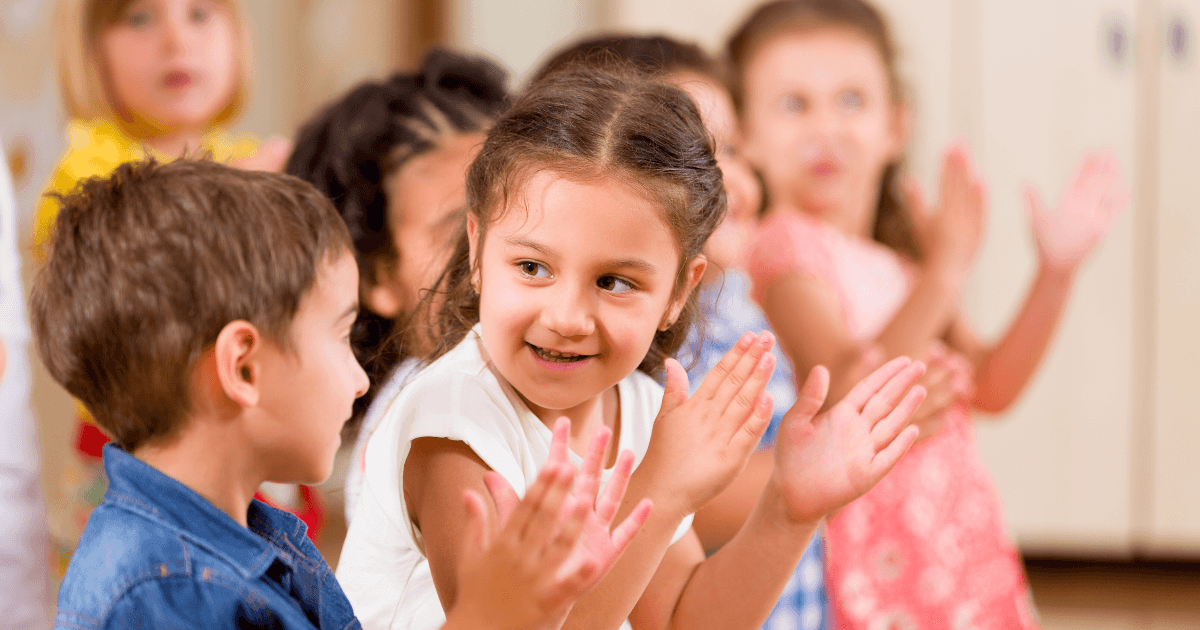
Joins in group activities willingly
Follows simple rules in games
Stays with an activity for 10-15 minutes
Works cooperatively on simple projects with peers
Listens while others are speaking
Respecting Personal Space
Keeps hands to self when appropriate
Understands appropriate physical boundaries
Raises hand or waits to speak rather than interrupting
Lines up and moves with the group without pushing or crowding
Building Friendships
Initiates play with other children
Shows interest in making friends
Uses words to resolve simple conflicts
Demonstrates empathy when others are upset
Can tell you the names of friends
Practical Tip: Arrange regular playdates with different children to help your child practice these social skills in various contexts. Observe how they interact and gently coach them through challenging social situations.
Emotional Skills Checklist
Emotional regulation and self-awareness are powerful predictors of school success. A 2024 survey by RAND and CASEL found that 83% of school principals now implement social-emotional learning programs, recognizing their importance for academic achievement.
Emotional Regulation
Identifies basic emotions (happy, sad, angry, scared)
Uses words to express feelings instead of physical reactions
Calms down within a reasonable time after being upset
Accepts redirection and guidance from adults
Adapts to changes in routine without major distress
Independence and Confidence
Separates from parents/caregivers without extreme distress
Attempts new tasks with a positive attitude
Shows pride in accomplishments
Asks for help when needed
Makes simple choices independently
Resilience
Persists with challenging tasks without giving up immediately
Recovers from disappointments within a reasonable time
Tries different approaches to solve a problem
Accepts that mistakes are part of learning
Adjusts to new situations with support
Self-Awareness
Recognizes own strengths and preferences
Understands consequences of own actions
Identifies when they need a break or quiet time
Shows awareness of how their actions affect others
Can talk about their own feelings and experiences
Practical Tip: Create an “emotions corner” at home with calming tools like stress balls, breathing charts, and feelings books. Teach your child specific phrases to express emotions, such as “I feel frustrated because…” or “I need help with…”.
Academic Skills Checklist
While social and emotional readiness are crucial, certain academic foundations help children engage confidently with the kindergarten curriculum. Remember that these skills should be developed through playful, hands-on experiences rather than formal instruction.
Language and Literacy Skills
Recognizes and names most letters of the alphabet
Identifies some letter sounds, especially those in their name
Holds books correctly and turns pages from front to back
Retells simple stories with beginning, middle, and end
Recognizes their written name
Writes their first name (even if some letters are backward)
Speaks in complete sentences (5-6 words)
Follows 2-3 step directions
Asks and answers questions about stories
Shows interest in books and being read to
Math and Cognitive Skills
Counts to 20
Recognizes numbers 1-10
Counts objects with one-to-one correspondence (up to 10)
Recognizes and names basic shapes (circle, square, triangle, rectangle)
Sorts objects by color, size, or shape
Completes simple puzzles (12-24 pieces)
Understands concepts like more/less, big/small, same/different
Recognizes and creates simple patterns
Understands basic time concepts (morning, afternoon, yesterday, tomorrow)
Shows curiosity and asks “why” questions
Science and Critical Thinking
Shows curiosity about how things work
Makes simple predictions (“What will happen if…”)
Notices details and changes in the environment
Asks questions about the natural world
Engages in simple experiments with adult guidance
Classifies objects by observable properties
Practical Tip: Integrate learning into everyday activities. Count stairs as you climb them, identify shapes in your neighborhood, play sound games in the car, and read together daily. The most effective learning happens through joyful, meaningful experiences, not flashcards or worksheets.
Physical Development and Self-Help Skills
Physical development and self-care abilities are often overlooked aspects of kindergarten readiness, but they significantly impact a child’s school experience. Children who can manage their basic needs independently can focus more energy on learning and social interaction.
Fine Motor Skills
Holds a pencil with proper grip (tripod grasp)
Cuts along a line with scissors
Copies simple shapes and letters
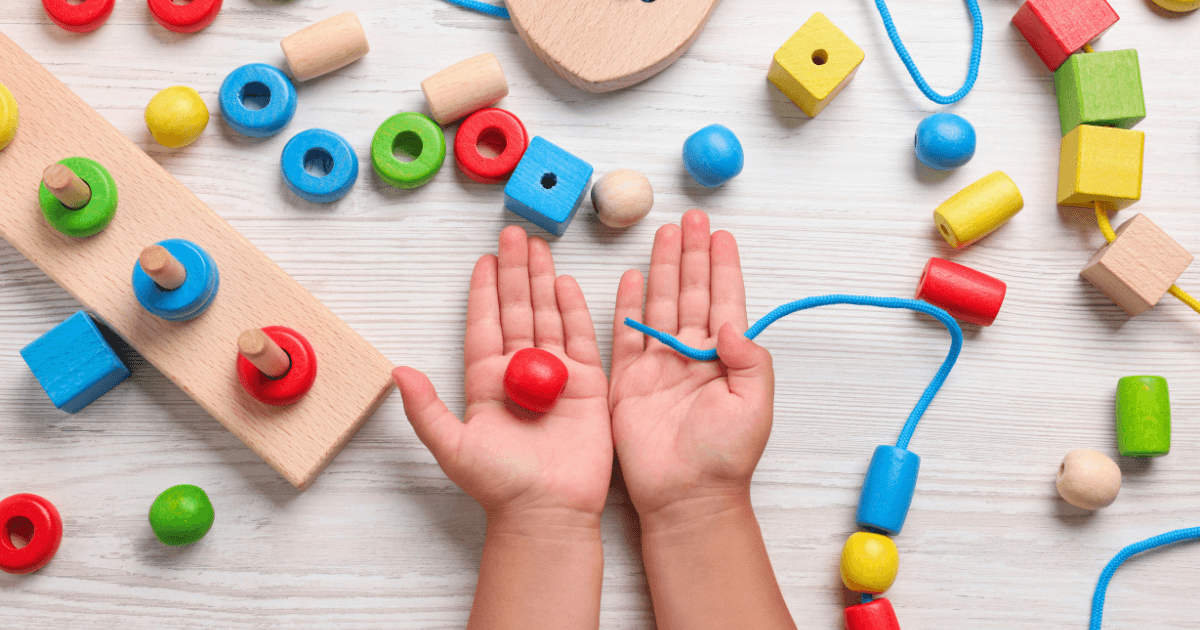
Strings beads or completes similar threading activities
Uses utensils appropriately
Buttons, large buttons, and zippers
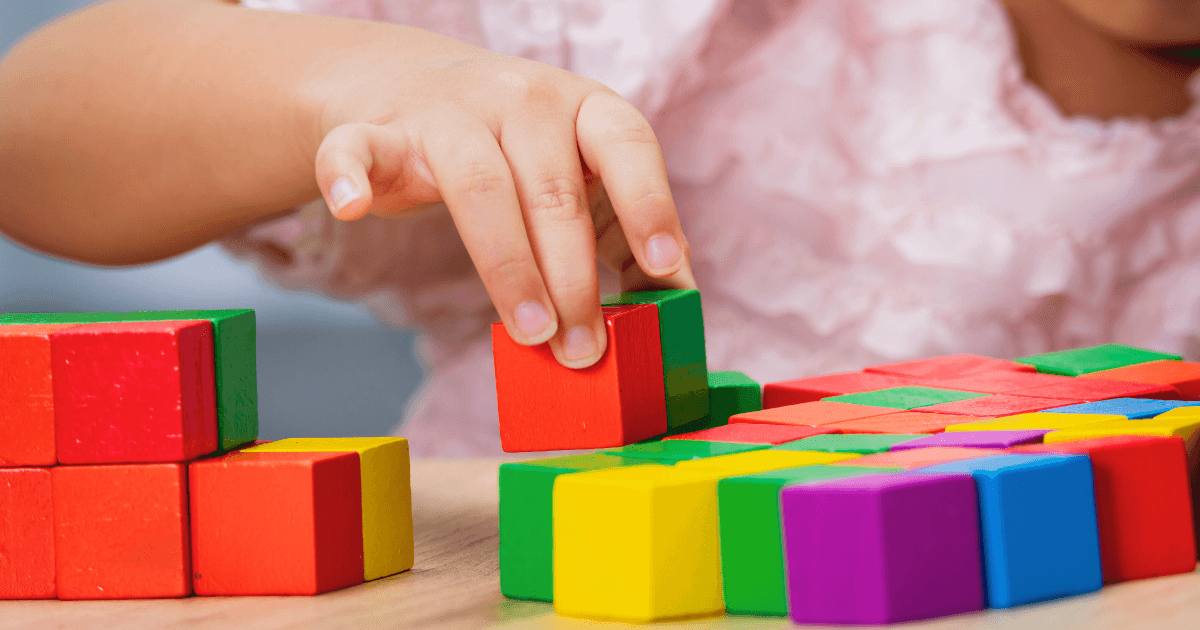
Builds with small blocks or Legos
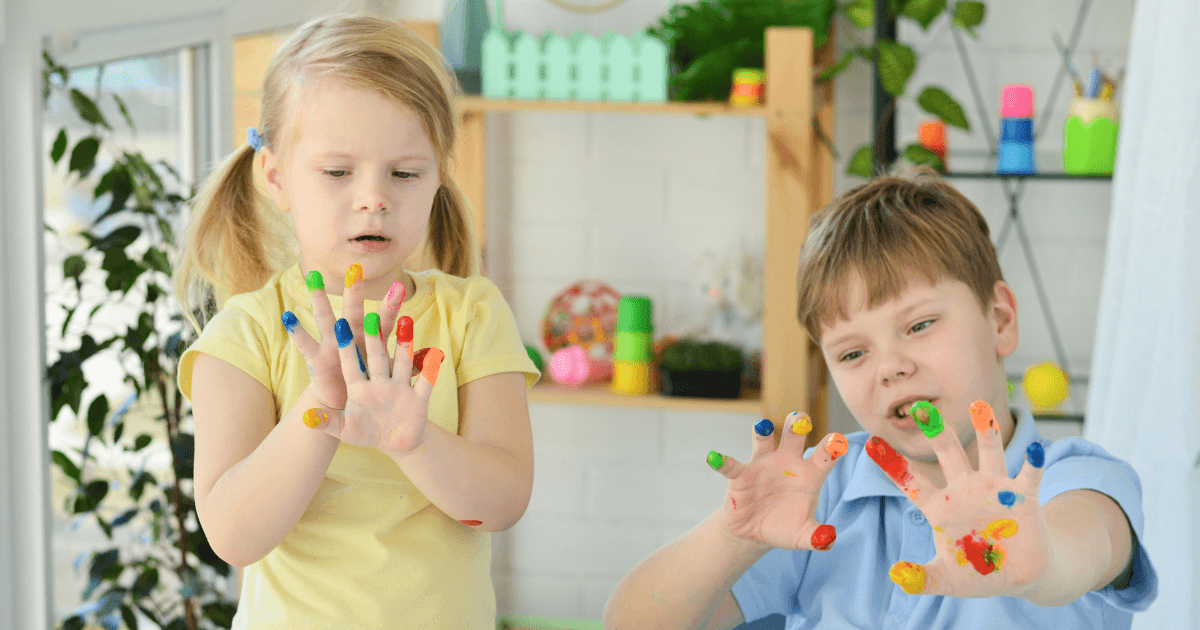
Colors mostly within the lines
Gross Motor Skills
Runs, jumps, and hops with coordination
Climbs playground equipment safely
Throws and catches a ball
Balances on one foot for 5-10 seconds
Walks up and down stairs alternating feet
Pedals and steers a tricycle or bicycle with training wheels
Participates in physical activities without tiring quickly
Self-Help Skills
Uses the bathroom independently (including washing hands)
Puts on and takes off coat, shoes, and backpack
Opens lunch containers, packages, and water bottles
Covers mouth when coughing or sneezing
Blows nose independently when reminded
Keeps track of personal belongings
Cleans up after activities with minimal prompting
Follows basic health routines (e.g., handwashing before eating).
Practical Tip: Create opportunities for your child to practice self-help skills daily. Allow extra time for them to dress themselves, pack their own backpack, or prepare simple snacks. Celebrate their growing independence!
Transitions between activities with minimal distress
Ignores minor distractions when engaged in a task
Returns to the task after a brief interruption
Listens to and follows directions from adults
Executive Function Skills
Follows multi-step directions in sequence
Remembers and applies simple rules
Plans before starting a task (gathering materials, etc.)
Shows some self-monitoring of work
Demonstrates basic organizational skills
Waits for turns in conversation and activities
Learning Approaches
Shows curiosity and enthusiasm for learning
Takes initiative to try new activities
Persists with challenging tasks
Asks questions when confused
Takes pride in completing work
Shows willingness to practice new skills
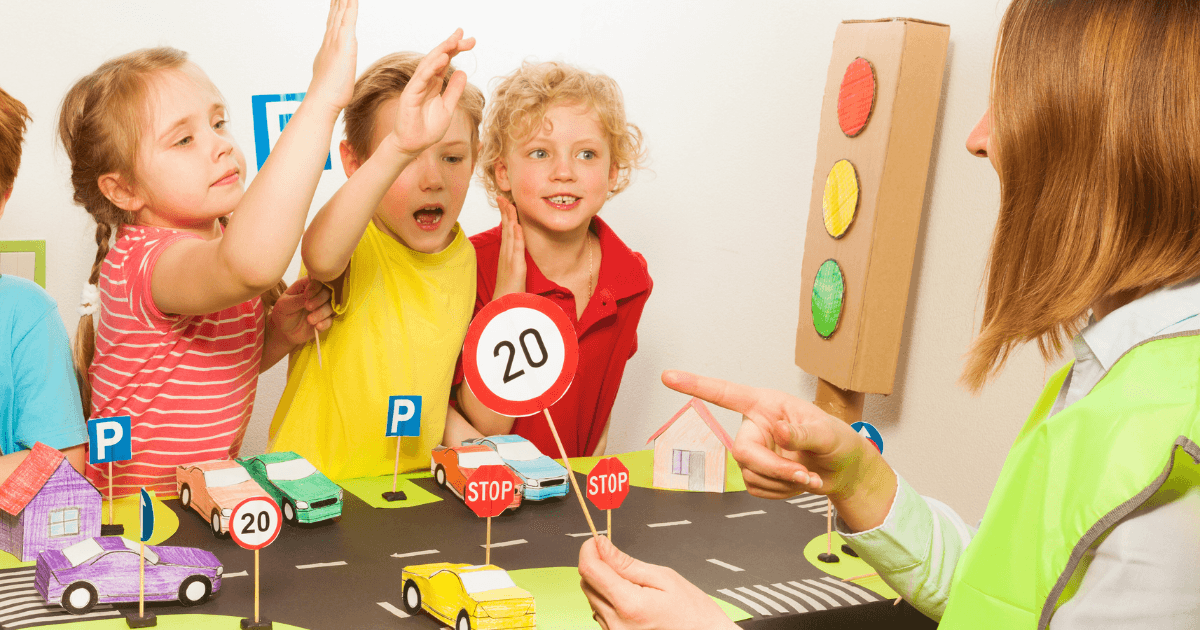
Practical Tip: Play games that build executive function skills, like Simon Says, Red Light/Green Light, and simple board games. These activities teach children to follow rules, take turns, plan, and control impulses—all critical skills for classroom success.
How to Support Kindergarten Readiness at Home
The good news is that you don’t need special equipment or formal lessons to help your child develop these essential skills. Here are some simple, play-based strategies to support kindergarten readiness:
For Social and Emotional Skills
Role-play common kindergarten scenarios like sharing toys or meeting new friends
Read books about starting school and managing emotions
Practice brief separations to build confidence
Model healthy emotional expression and problem-solving
Establish consistent routines to provide security and predictability
For Academic Skills
Incorporate counting into daily activities (steps, snacks, etc.).
Point out letters and words in the environment
Ask open-ended questions about stories you read together
Provide materials for drawing, cutting, and writing
Play with puzzles, blocks, and other manipulatives that develop spatial thinking
For Physical and Self-Help Skills
Create opportunities for outdoor play every day
Encourage activities that develop hand strength (playdough, tearing paper, etc.)
Teach self-help skills one step at a time
Allow extra time for your child to practice independence
Set up your home environment to support autonomy (e.g., accessible hooks for coats, step stools).
Play games that require following directions and taking turns
Provide just enough support—not too much, not too little
Celebrate effort and persistence, not just achievement
Create a quiet space for focused activities
When to Seek Additional Support
While all children develop at their own pace, certain challenges might warrant professional guidance. Consider consulting with your pediatrician or early childhood specialist if your child:
Has significant difficulty separating from caregivers after multiple opportunities to practice
Shows extreme emotional reactions that don’t improve with support
Struggles to interact with peers despite regular opportunities
Has speech that is difficult for unfamiliar adults to understand
Shows little interest in books, stories, or pretend play
Has difficulty learning and remembering new concepts despite repetition
Early intervention, when needed, can make a tremendous difference in your child’s kindergarten experience.
Final Thoughts: Readiness Is About the Whole Child
As you review this checklist, remember that true kindergarten readiness isn’t about checking every box. It’s about nurturing a child who approaches school with curiosity, confidence, and the foundational skills to engage with new experiences.
According to the National Association for the Education of Young Children, the most successful kindergartners are those who have developed a love of learning, the ability to connect with others, and the resilience to tackle challenges—all within the context of playful, developmentally appropriate experiences.
Your child doesn’t need to master every skill on this list before the first day of kindergarten. Instead, use this checklist as a guide to understand your child’s strengths and the areas where they might benefit from additional support and practice.
By focusing on the whole child—social, emotional, academic, and physical—you’ll help ensure that your child’s transition to kindergarten is a positive step in their lifelong learning journey.
What skills are you focusing on with your preschooler? Share your experiences and questions in the comments below!