Preschool Readiness Signs Your Child Is Ready (And What To Do If They’re Not)
Is your child ready for preschool? This question weighs on many parents’ minds as their little ones approach the typical preschool age. While most children start preschool between ages 3 and 4, chronological age alone doesn’t determine readiness. Each child develops at their own pace, and various skills and behaviors indicate whether they’re prepared for the preschool environment.
In this comprehensive guide, we’ll explore the signs that your child is ready for preschool, what to do if they need more time, and how to prepare them for this exciting transition.
Signs Your Child Is Ready for Preschool
Preschool readiness encompasses several developmental domains. According to the Cleveland Clinic, children who are ready for preschool typically show a combination of the following signs:
Social Skills
Shows interest in other children: Enjoys being around peers and engages in parallel play (playing alongside others).
Beginning to share and take turns: Can wait briefly for a desired toy or activity.
Plays cooperatively: Participates in simple games and group activities.
Separates from parents: Can say goodbye to parents with minimal distress after a brief settling-in period.
Responds to adult guidance: Accepts redirection and comfort from adults other than parents.
Emotional Readiness
Manages feelings: Can recover from disappointment or frustration within a reasonable time
Expresses emotions: Uses words or appropriate behaviors to show feelings
Adapts to transitions: Handles changes in routine without major meltdowns
Shows confidence: Demonstrates some independence and willingness to try new things
Self-soothes: Has strategies to comfort themselves when upset
Communication Skills
Expresses basic needs: Can communicate hunger, thirst, bathroom needs, and discomfort
Follows simple directions: Understands and follows 1-2 step instructions
Asks questions: Shows curiosity by asking “what,” “why,” and “how” questions
Engages in conversation: Participates in basic back-and-forth exchanges
Uses increasingly complex language: Speaks in short sentences and has a growing vocabulary
Self-Help Skills
Toilet training: Is mostly potty trained (requirements vary by preschool)
Eating skills: Can feed themselves with appropriate utensils
Dressing abilities: Manages simple clothing items, like pulling up pants or putting on shoes
Personal care:Washes hands with minimal assistance
Organization: Helps put away toys and understands basic cleanup routines
Cognitive Skills
Shows curiosity: Explores the environment and shows interest in learning
Sustains attention: Can focus on activities for 5-15 minutes, depending on interest
Problem-solving: Attempts to figure things out before asking for help
Recognizes patterns: Understands simple sequences and routines
Demonstrates memory: Recalls recent experiences and familiar information
Physical Development
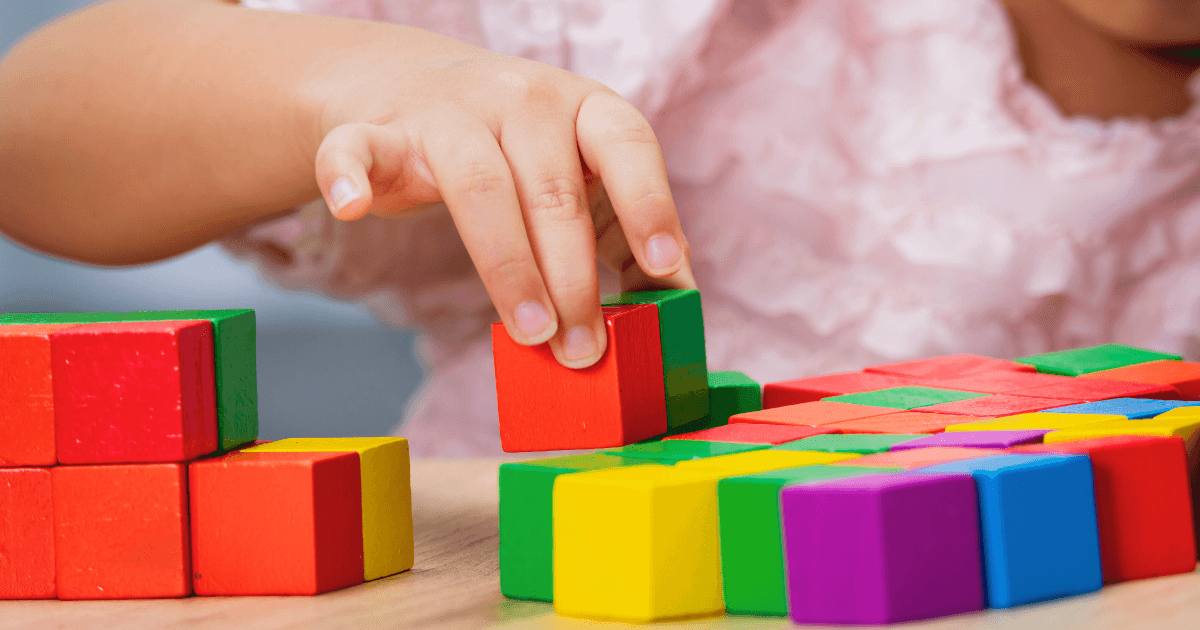
Fine motor skills: Uses crayons, manipulates small objects, and is developing hand preference
Gross motor coordination: Runs, jumps, climbs, and navigates playground equipment
Energy regulation: Balances active play with quieter activities
Stamina: Has the energy to participate in a half-day program without excessive fatigue
Body awareness: Navigates spaces without frequently bumping into people or objects
Age-Specific Readiness Indicators
While development varies widely among children, Little Dreamers Holly Springs provides some age-specific readiness guidelines:
Age 2 to 2.5
Children at this age may be ready for a very gentle introduction to preschool if they:
Follow simple, one-step directions
Play alongside other children (parallel play)
Handle brief separations from parents
Communicate basic needs
Show interest in exploring new environments
Age 3
Many children are ready for part-time preschool at this age if they:
Develop bathroom independence: Practice using unfamiliar bathrooms and managing clothing.
Teach self-advocacy: Help your child practice asking for help when needed.
Fostering Social Skills
Arrange playdates: Provide opportunities to practice sharing and turn-taking.
Visit playgrounds: Encourage interaction with unfamiliar children in public spaces.
Practice brief separations: Leave your child with trusted caregivers for short periods.
Role-play social scenarios: Act out common preschool situations with toys.
Teach conflict resolution: Help your child use words to express feelings and needs.
Supporting Emotional Development
Label emotions: Help your child identify and name their feelings
Validate feelings: Acknowledge emotions while setting appropriate boundaries
Teach calming strategies: Practice deep breathing, counting, or using a calm-down space
Build frustration tolerance: Encourage persistence through challenging tasks
Create goodbye rituals: Develop a consistent, brief separation routine
Enhancing Communication Skills
Read together daily: Discuss stories and ask open-ended questions
Expand vocabulary: Introduce new words during everyday activities
Practice following directions: Give simple, then gradually more complex instructions
Encourage questions: Respond thoughtfully to your child’s curiosity
Model conversation: Engage in back-and-forth exchanges about daily experiences
Developing Cognitive Readiness
Provide open-ended materials: Offer blocks, art supplies, and manipulatives.
Establish focused play times: Gradually extend the duration of activities.
Introduce basic concepts by exploring colors, shapes, numbers, and letters through play.
Encourage problem-solving: Allow your child to work through challenges before helping.
Create learning routines: Set aside regular times for stories, puzzles, and other learning activities.
Managing Transitions: A Key Preschool Skill
According to Learning Without Tears, transitions are often challenging for preschoolers. Helping your child develop this skill is essential for preschool success:
Use visual schedules: Create picture cards showing the day’s activities
Provide transition warnings: Give 5-minute and 1-minute notices before changing activities
Create transition rituals: Use songs, rhymes, or special movements to signal changes
Practice transitions at home: Incorporate regular activity changes in your daily routine
Teach waiting strategies: Provide simple activities for unavoidable waiting periods
Validate feelings: Acknowledge that transitions can be difficult while encouraging flexibility
When to Consider Alternatives or Delay
Sometimes, waiting a bit longer or exploring alternatives to traditional preschool is the best choice. Consider these options if your child isn’t quite ready:
Alternative Programs
Parent-child classes: Programs where parents attend with children
Play groups: Less structured social opportunities with parent supervision
Half-day or shorter programs: Programs with reduced hours to ease the transition
Home-based preschools: Smaller settings that may feel less overwhelming
Specialized programs: Settings designed for children with specific developmental needs
Targeted Support
If specific developmental concerns are present, consider:
Early intervention services: Free evaluations and services for developmental delays
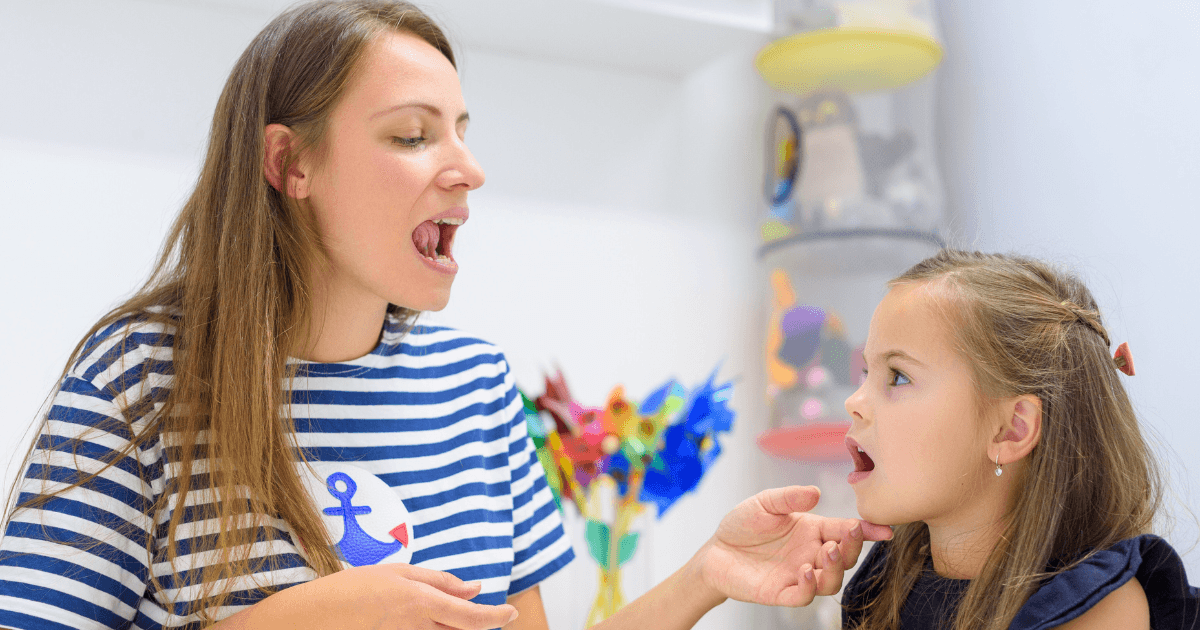
Speech or occupational therapy: Support for communication or motor skill development
Play therapy: Assistance with emotional or behavioral challenges
Developmental pediatrician consultation: Expert guidance for complex developmental questions
Creating a Home-Based Preschool Experience
If delaying formal preschool is best for your child, you can create learning opportunities at home:
Establish a consistent schedule: Create predictable routines that include learning activities
Set up learning centers: Designate spaces for art, reading, building, and pretend play
Plan regular outings: Visit libraries, museums, parks, and nature centers
Join community activities: Participate in story times, recreation classes, or cultural events
Connect with other families: Arrange regular playdates with peers
Partnering with Preschools During the Transition
When you’ve determined your child is ready or nearly ready for preschool, these strategies can help ensure a smooth transition:
Before Starting Preschool
Visit the school together: Familiarize your child with the environment
Meet the teacher: Arrange a one-on-one introduction if possible
Read books about preschool: Share stories about the preschool experience
Practice the routine: Adjust sleep schedules and morning routines in advance
Create excitement: Talk positively about the fun aspects of preschool
During the First Weeks
Start gradually: Begin with shorter days if possible
Establish a goodbye ritual: Keep separations consistent, brief, and positive
Provide comfort items: Send a family photo or small transitional object
Communicate with teachers: Share effective strategies and concerns
Maintain consistency: Keep home routines stable during this transition
Conclusion: Trust Your Instincts
While developmental checklists and expert advice are valuable, you know your child best. Trust your observations and instincts when determining preschool readiness. Remember that:
There’s no perfect age for starting preschool
Readiness is about development, not academic achievement
Children develop skills at different rates
The goal is to set your child up for a positive first school experience
Delaying preschool when needed isn’t a setback but a thoughtful choice
Whether your child starts preschool at 2, 3, 4, or even 5 years old, the most important factor is that they have the developmental skills to benefit from and enjoy the experience. By recognizing signs of readiness and providing appropriate support, you’ll help your child build a foundation for lifelong learning and school success.
What signs of preschool readiness have you noticed in your child? Share your experiences and questions in the comments below.