What Is the Reggio Emilia Approach? Core Principles for Parents
If you’ve been exploring educational philosophies for your child, you’ve likely encountered the term “Reggio Emilia.” This innovative approach to early childhood education has gained worldwide recognition for its respect for children’s capabilities and its emphasis on creativity, relationships, and the learning environment.
But what exactly is the Reggio Emilia approach, and how can its principles enhance your parenting journey? In this guide, we’ll explore the core concepts of Reggio Emilia and provide practical ways to incorporate these powerful ideas into your home life.
The Origins: A Community-Built Philosophy
The Reggio Emilia approach originated in the northern Italian town of the same name following World War II. Led by educator Loris Malaguzzi and local parents, this educational philosophy emerged from a community’s desire to create schools where children would be respected as capable, curious individuals with rights and potential.
What began as a grassroots movement has evolved into an internationally acclaimed educational approach that has influenced early childhood education in over 145 countries worldwide.
Core Principles of the Reggio Emilia Approach
1. The Image of the Child: Competent, Curious, and Full of Potential
At the heart of the Reggio Emilia approach is a profound respect for children as active participants in their own learning journey.
The Principle: Children are viewed as competent, curious, and full of potential from birth. They are seen not as empty vessels to be filled with knowledge, but as co-constructors of their own understanding of the world.
According to Reggio Children, the official organization representing the approach, children are recognized as “subjects with rights” who learn through relationships with others and express themselves through “the hundred languages” that belong to all human beings.
For Parents:
Trust your child’s natural curiosity and ability to learn
Observe your child’s interests and follow their lead
Ask open-ended questions that encourage thinking rather than seeking “right” answers
View mistakes as valuable learning opportunities rather than failures
2. The Hundred Languages of Children
The Reggio approach recognizes that children express themselves and construct understanding through many forms of expression beyond verbal language.
The Principle: Children communicate and explore their world through multiple “languages” including drawing, painting, sculpture, movement, shadow play, dramatic play, music, and more. These languages are valued equally and seen as essential tools for cognitive development.
As E-Bridge Preschool explains, these different modes of expression allow children to represent their ideas in ways that words alone cannot capture.
For Parents:
Provide a variety of materials for creative expression (clay, paint, natural materials, recycled items)
Value all forms of expression equally, not just verbal or written communication
Document your child’s creative processes, not just finished products
Avoid imposing adult expectations on children’s creative expressions
3. The Environment as the Third Teacher
In Reggio Emilia schools, the physical environment plays a crucial role in supporting children’s learning and development.
The Principle: The environment is considered the “third teacher” (alongside parents and educators) and is intentionally designed to inspire exploration, communication, and collaboration. Spaces are thoughtfully arranged with beautiful, natural materials that invite investigation and creativity.
Raintree School emphasizes that a well-designed environment “encourages independent thinking, invites questions, and provides opportunities for creative expression.”
For Parents:
Create calm, uncluttered spaces with neutral backgrounds that highlight materials
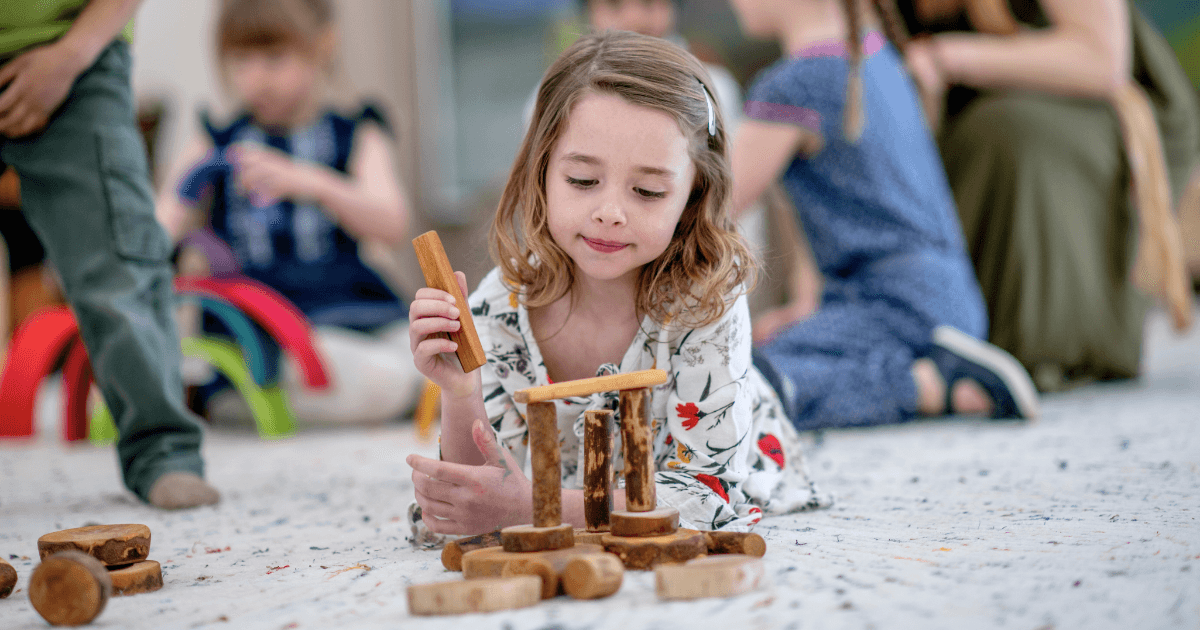
Incorporate natural elements (plants, stones, wood, shells)
Make materials visible and accessible to children
Consider light, shadow, and reflection as elements of the environment
Arrange materials aesthetically to invite exploration
4. Documentation: Making Learning Visible
Documentation is a cornerstone of the Reggio Emilia approach, serving multiple purposes in the learning process.
The Principle: Learning is documented through photographs, videos, transcripts of children’s conversations, and samples of work. This documentation makes the learning process visible, allows for reflection, and communicates the value of children’s ideas.
According to Reggio-Inspired, documentation involves “collecting evidence such as photos, children’s words, work samples, and teacher reflections to guide the emergent curriculum.”
For Parents:
Take photos of your child engaged in meaningful play or discovery.
Record your child’s questions and theories about the world.
Display documentation at your child’s eye level.
Create simple books or displays that tell the story of a project or experience.
Use documentation to revisit experiences and deepen learning.
5. Progettazione: Emergent Curriculum Through Projects
Rather than following a predetermined curriculum, Reggio Emilia education unfolds through projects that emerge from children’s interests.
The Principle: Learning experiences are designed around children’s questions, theories, and interests. These projects may last days, weeks, or months, evolving as children explore, research, and represent their understanding in various ways.
Brightwheel notes that “projects in Reggio Emilia can last from a week to an entire school year and are led by children, with teachers acting as guides rather than leaders.”
For Parents:
Notice what captures your child’s interest and provide resources to explore further.
Allow projects to evolve naturally without rushing to an end product.
Provide time for deep exploration rather than jumping from activity to activity.
Ask questions that extend thinking: “What do you notice?” “What do you wonder?” “How could we find out more?”
6. Relationships and Collaboration
The Reggio approach emphasizes the social nature of learning and the importance of relationships.
The Principle: Learning happens within a community of relationships—between children, teachers, parents, and the wider community. Collaboration is valued, and children learn to work together, share ideas, and respect different perspectives.
Early Excellence describes this as “reciprocal relationships” that “promote collaboration among children, teachers, families, and communities.”
For Parents:
Create opportunities for your child to collaborate with others.
Model collaborative problem-solving.
Value your child’s relationships with peers, family members, and the community.
Participate in your child’s explorations as a co-learner rather than an instructor.
7. The Role of the Adult: Co-Learner and Researcher
In the Reggio approach, adults play a unique role that differs from traditional teaching models.
The Principle: Adults are viewed as co-learners and researchers alongside children. They observe, document learning, ask thoughtful questions, and provide resources that extend children’s investigations.
Little Skoolhouse explains that “teachers in the Reggio Emilia approach act as co-learners and collaborators, designing experiences based on children’s interests and maintaining a flexible curriculum.”
For Parents:
Position yourself as a learning partner rather than the source of all knowledge.
Observe before intervening in your child’s play.
Ask genuine questions that you don’t already know the answer to.
Research alongside your child when questions arise.
Bringing Reggio Emilia Principles Home: Practical Ideas for Parents
Now that we understand the core principles, let’s explore practical ways to incorporate Reggio-inspired practices into everyday family life.
Creating a Reggio-Inspired Home Environment
Your home doesn’t need to look like a preschool classroom to embody Reggio principles. Consider these ideas:
Designate a discovery area with open-ended materials organized in clear containers or baskets
Create a documentation wall using a corkboard or magnetic board to display photos and children’s work
Incorporate natural elements like plants, stones, shells, and wood into play spaces
Reduce plastic toys in favor of natural materials and open-ended objects
Set up a simple art area with quality materials (watercolors, clay, drawing tools) accessible to your child
Consider light and shadow by providing flashlights, transparent colored materials, or a light table
Bring nature inside through collections of natural items, growing plants from seeds, or caring for pets
Engaging in Reggio-Inspired Projects at Home
Projects don’t need to be elaborate to embody Reggio principles. They need to follow your child’s interests and provide opportunities for exploration and representation. Some ideas:
Kitchen science: Explore food transformation through cooking, baking, freezing, or dissolving
Shadow investigations: Explore how shadows change throughout the day, and create shadow puppets
Identity project: Create self-portraits using different materials, explore family stories, and history
Neighborhood study: Map your community, interview neighbors, document changes over time
Documentation Practices for Parents
Documentation doesn’t need to be complex. Simple ways to document include:
Learning journals: Keep a notebook where you record observations, questions, and conversations
Photo sequences: Take a series of photos showing a process rather than just the final product
Voice recordings: Capture your child’s explanations, stories, or theories
Collections: Gather samples of your child’s work over time to show development
Digital portfolios: Create simple digital collections of photos and notes organized by project or interest
Supporting the Hundred Languages at Home
Encourage multiple forms of expression by:
Providing diverse materials: Clay, wire, paint, fabric, recycled materials
Valuing movement: Create space for dance, physical expression, and large motor play
Encouraging music: Offer simple instruments, record children’s musical creations
Supporting dramatic play: Provide open-ended props for storytelling and role-play
Exploring digital languages: Use technology as a tool for creation, not just consumption
Conclusion: The Gift of the Reggio Approach
The Reggio Emilia approach offers a profound shift in how we view children and their learning. By embracing these principles, parents can create home environments that nurture curiosity, creativity, and deep thinking.
The greatest gift of this approach may be its invitation to slow down, observe, and truly see the remarkable capabilities of our children. When we trust children as competent co-constructors of knowledge and provide rich environments for exploration, we support not just academic learning but the development of creative, collaborative, and confident individuals.
Remember that incorporating Reggio principles is not about perfection or transforming your home overnight. Start with one principle that resonates with you, observe the impact, and gradually integrate more aspects of this beautiful approach into your family life.
Have you incorporated any Reggio-inspired practices in your home? Share your experiences in the comments below!
Common Questions About the Reggio Emilia Approach
Is Reggio Emilia just about art?
While creative expression is valued in the Reggio approach, it encompasses all areas of learning, including literacy, numeracy, science, and social understanding. The difference is that these areas are explored through meaningful projects rather than isolated lessons.
Does following Reggio principles mean no structure or limits?
Not at all. The Reggio approach involves thoughtful preparation of the environment and materials, careful observation, and intentional support of children’s learning. Children thrive with appropriate boundaries and routines, which provide the security needed for exploration and creativity.
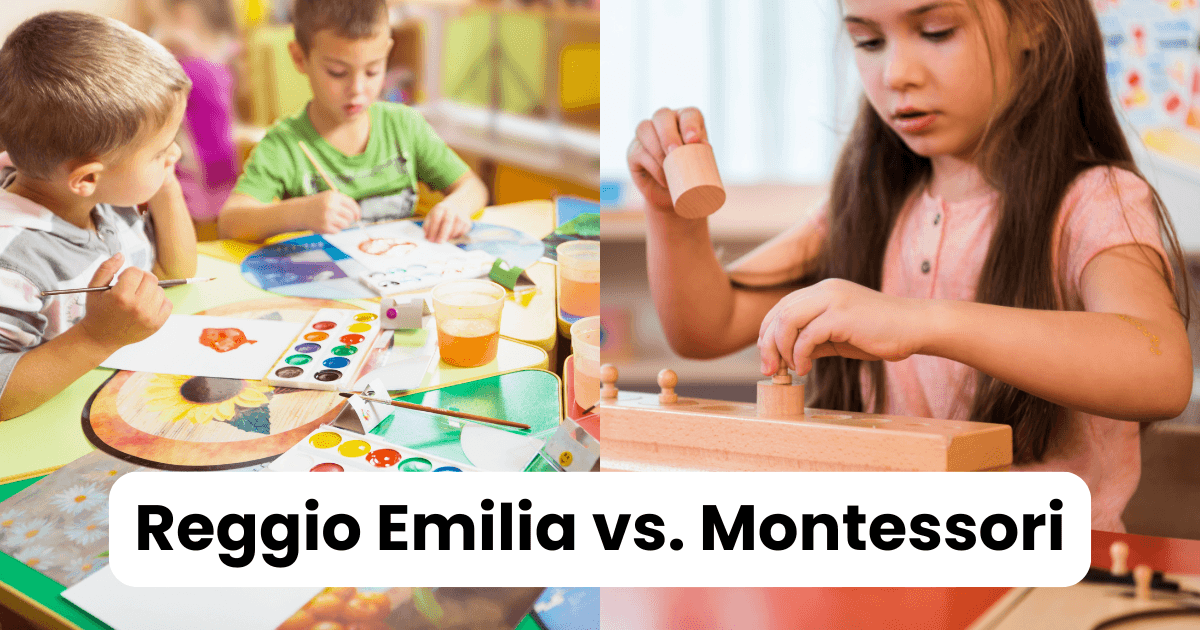
How does Reggio Emilia compare to Montessori?
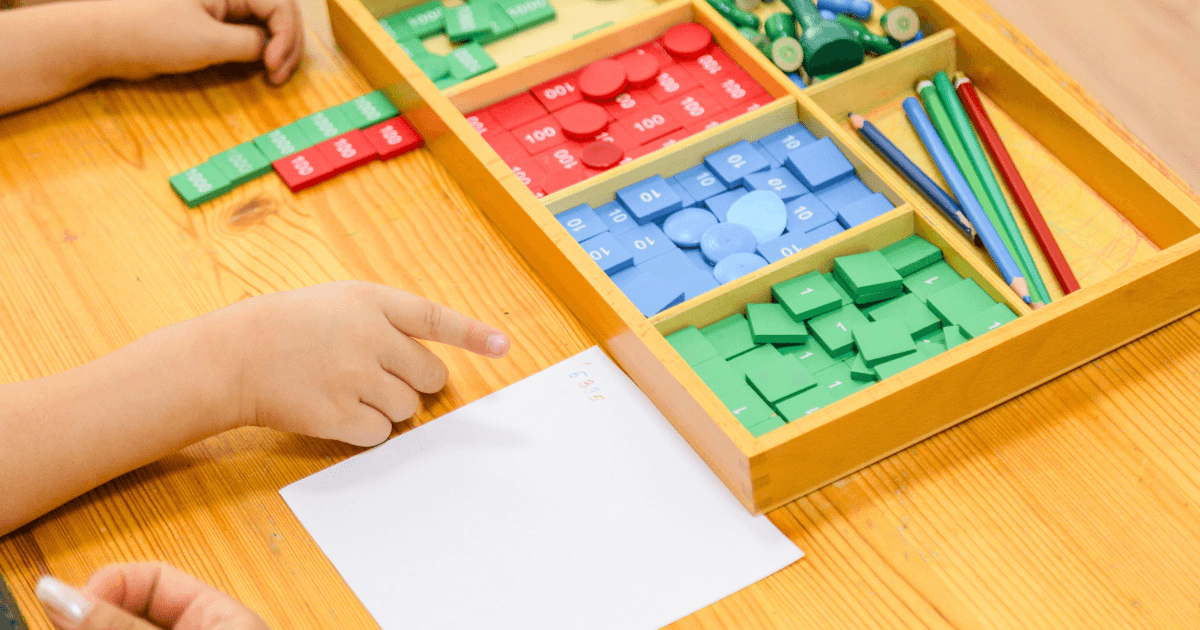
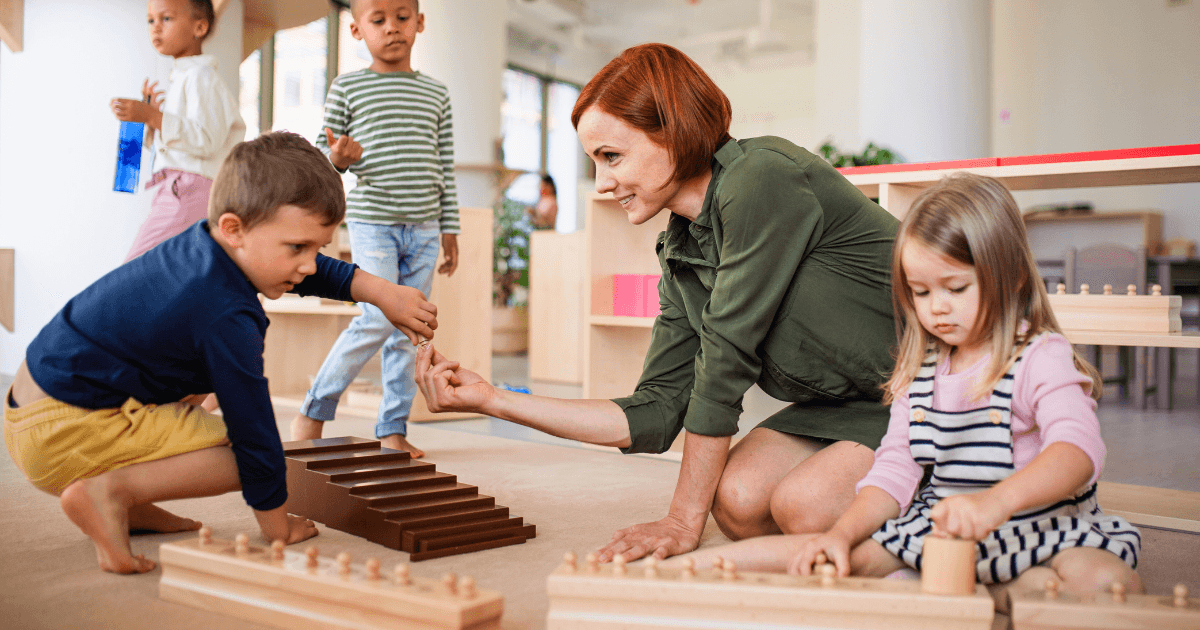
Both approaches respect children’s capabilities and emphasize the importance of the prepared environment. However, as Montessori Kids Universe explains, Montessori emphasizes a defined sequence of materials and individual progression, while Reggio Emilia allows projects to evolve organically based on group interests. Montessori materials have specific purposes and “correct” uses, while Reggio materials are more open-ended.
Is Reggio Emilia appropriate for all ages?
The approach was developed for early childhood (birth to age 6), but its principles can be adapted for older children. The emphasis on respecting children’s ideas, providing meaningful contexts for learning, and documenting the learning process benefits learners of all ages.