Reggio Emilia Preschool: Inside a Day at This Child-Led Approach
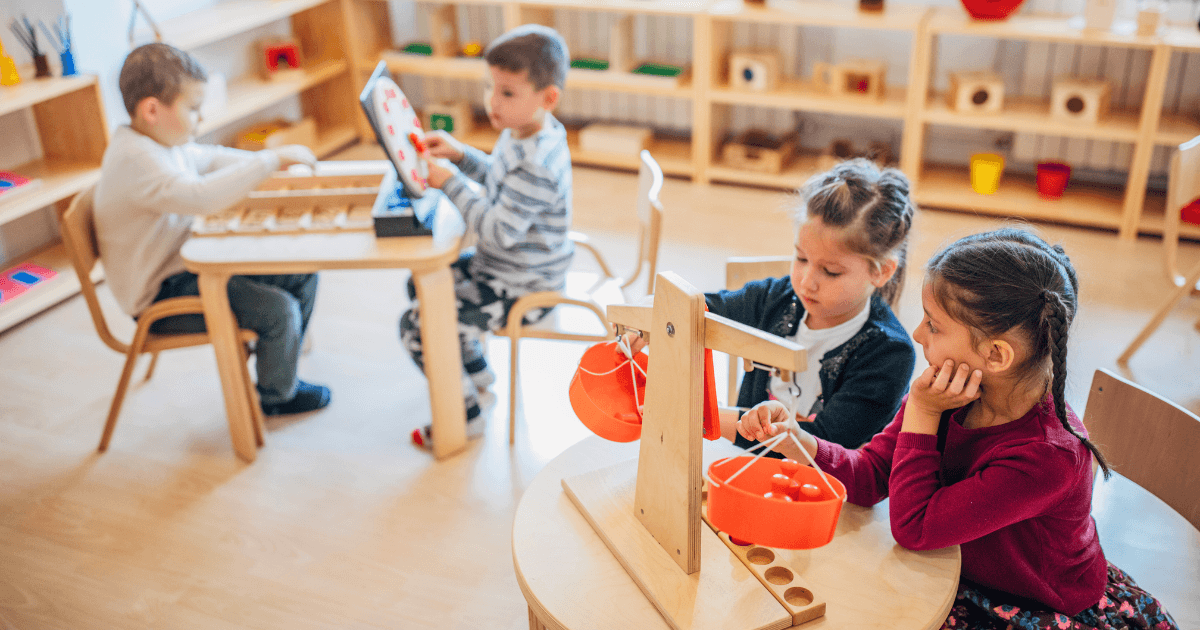
When you step into a Reggio Emilia-inspired preschool, you immediately sense something different. There’s a calm, purposeful energy as children move about the space, deeply engaged in their pursuits. Light streams through large windows, illuminating collections of natural materials carefully arranged on low shelves. The walls display children’s work alongside documentation panels that tell the stories of their learning journeys. Teachers move among the children, observing, documenting, and occasionally asking thoughtful questions that extend thinking.
This is not a classroom where you’ll find worksheets, rigid schedules, or teacher-directed lessons. Instead, you’ve entered a world where children are viewed as capable, curious citizens with rights, where the environment serves as a “third teacher,” and where learning unfolds naturally through exploration, relationships, and meaningful projects.
Originating in the town of Reggio Emilia, Italy, after World War II, this educational approach has gained worldwide recognition for its respect for children and its innovative practices. But what does a day in a Reggio-inspired preschool actually look like? How do teachers balance child-led learning with intentional teaching? And what can we learn from this approach that has influenced early childhood education for over 70 years?
In this article, we’ll take you inside a typical day at a Reggio Emilia preschool, exploring the rhythm, spaces, interactions, and learning that make this approach so distinctive and powerful.
The Foundational Principles: Understanding the Reggio Approach
Before we walk through a day in a Reggio-inspired classroom, let’s briefly explore the core principles that guide this approach:
The Image of the Child
In Reggio schools, children are viewed as competent, curious, knowledgeable, and full of potential. They are seen as active constructors of their own learning rather than empty vessels to be filled with information. This fundamental belief shapes every aspect of the program.
The Hundred Languages of Children
Children express their thoughts, theories, and feelings in many ways beyond verbal language—through drawing, movement, building, music, drama, and more. Reggio educators value and nurture these many “languages” as legitimate forms of communication and learning.
Environment as the Third Teacher
The physical environment plays a crucial role, designed thoughtfully to inspire exploration, foster relationships, and provoke learning. Spaces are beautiful, purposeful, and filled with natural light and materials.
Documentation
Teachers carefully document children’s work, conversations, and learning processes through photos, videos, transcripts, and displays. This documentation makes learning visible, helps teachers plan next steps, and communicates with families.
Emergent Curriculum
Rather than following predetermined plans, teachers develop a curriculum based on children’s interests, questions, and theories. Learning unfolds through projects that may last days, weeks, or months.
Teacher as Researcher
Teachers see themselves as co-learners and researchers alongside children, observing, asking questions, and reflecting on their practice. They work collaboratively to interpret children’s learning and plan responsive experiences.
Relationships and Collaboration
Learning is seen as a social process built through relationships between children, teachers, parents, and the community. Collaboration is valued and nurtured at all levels.
With these principles in mind, let’s explore how they come to life in a typical day.
Morning Arrival: Setting the Tone for Child-Led Learning
8:00-8:45 AM: Welcome and Soft Start
As families arrive at a Reggio-inspired preschool, they’re greeted warmly by teachers who view parents as essential partners in their children’s education. The atmosphere is unhurried, allowing for meaningful transitions and connections.
Unlike traditional programs with rigid start times and structured morning activities, Reggio schools typically offer a “soft start” in which children gradually enter the flow of the day at their own pace. Some children might head straight to the block area to continue a structure they were building yesterday, while others might need time to observe before engaging.
What You Might See:
A teacher kneeling at eye level, greeting each child individually.
Parents are reluctant to share observations about their child’s interests at home.
Children signing in using their own symbols or attempting to write their names.
Small provocations set up throughout the classroom—perhaps a collection of stones and mirrors on one table, watercolors at another.
Teachers documenting arrivals with notes or photos to capture children’s initial interests and emotional states.
The Reggio Difference: In this approach, even arrival time is seen as valuable for learning, not just a transition to “real” activities. Teachers might note which areas children gravitate toward, which relationships they seek out, and what language they use to describe their plans for the day. This information helps teachers understand children’s interests and supports the emergent curriculum.
Morning Meeting: Building Community While Honoring Individual Voices
8:45-9:15 AM: Gathering Time
While Reggio schools don’t follow rigid schedules, most include some form of group gathering to build community and share ideas. Unlike traditional circle times with teacher-led calendar activities or predetermined lessons, Reggio morning meetings are forums for meaningful conversation and planning.
What You Might See:
Children and teachers sitting in a circle on a comfortable rug
Documentation from yesterday’s explorations was displayed for discussion
A teacher asking open-ended questions: “What do you remember about our investigation yesterday?” or “What are you curious about today?”
Children building on each other’s ideas: “I noticed the shadow got bigger when I moved closer to the wall.”
Teachers recording children’s words on visible documentation panels
Small groups are forming based on shared interests for the morning’s work
The Reggio Difference: Rather than teachers presenting information, these gatherings center children’s thinking and foster democratic participation. Teachers might introduce new material or experiences as provocations, but the direction of the conversation and subsequent activities emerge from the children’s responses and questions.
As one Reggio educator explains: “Our morning meeting is not about teaching children specific content—it’s about teaching them that their ideas matter, that listening to others enriches our thinking, and that we can plan and work together to explore our questions.”
Project Work: Deep Exploration Through Child-Led Inquiry
9:15-10:45 AM: Project Time
The heart of the Reggio approach is project work—extended investigations that emerge from children’s interests and questions. Unlike teacher-predetermined thematic units, Reggio projects evolve organically as children and teachers research topics together.
What You Might See:
Small groups of children are working in different areas of the classroom.
A long-term project on shadow and light, in which children experiment with an overhead projector.
Another group is continuing their investigation of local birds, drawing detailed observations from yesterday’s bird watching.
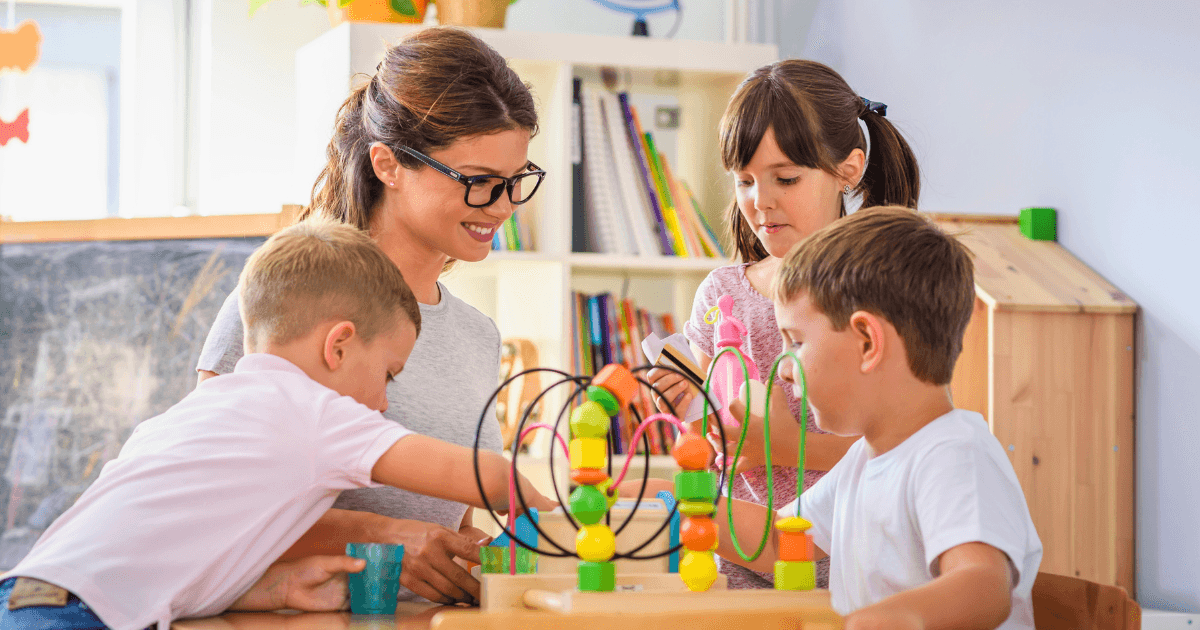
Teachers sit alongside children, asking thoughtful questions that extend thinking.
Documentation in progress—a teacher photographing a child’s process of building a bird feeder.
Rich materials available—clay, wire, natural items, recycled materials, art supplies.
The Reggio Difference: Projects in Reggio schools aren’t completed in a single day or even a week. They unfold over time, growing deeper and more complex as children build theories, test ideas, and develop new questions. Teachers support this process by providing resources, asking questions, and helping children represent their thinking in various ways.
A project might begin with a simple observation—children noticing shadows on the playground—and evolve into a months-long investigation involving light experiments, shadow puppetry, storytelling, and scientific documentation.
According to KLA Schools, a network of Reggio-inspired schools in the United States, “The projects aren’t about producing a specific end product but about the process of exploration, theory-building, and representation.”
In Reggio-inspired programs, outdoor spaces are considered extensions of the classroom—rich environments for exploration, discovery, and learning. Unlike traditional recess, focused primarily on physical activity and a break from “real learning,” outdoor time in Reggio schools is an integral part of the educational experience.
What You Might See:
A thoughtfully designed outdoor space with natural elements—plants, trees, stones, water features
Children continuing project work outdoors—perhaps testing shadow theories in natural light
Small groups engaged in different pursuits—examining insects, building with loose parts, and creating with mud and water
Teachers are fully engaged outdoors, not just supervising but observing and documenting
Clipboards and cameras are available for children to record their observations
Natural materials are being collected for use in indoor projects
The Reggio Difference: The integration of indoor and outdoor learning reflects the Reggio principle that learning happens everywhere and in many forms. Teachers might bring documentation tools outdoors to capture children’s discoveries, or children might collect natural materials to incorporate into their indoor project work.
As noted by the Community Playthings resource library, “The outdoor environment is viewed with the same importance as the indoor environment, offering different but equally valuable opportunities for exploration and expression.”
Lunch and Rest: Valuing Everyday Moments as Learning Opportunities
12:00-2:00 PM: Lunch and Rest Time
In Reggio schools, everyday routines like meals and rest are viewed as valuable learning experiences rather than just necessary transitions. These times offer opportunities for social connection, practical life skills, and meaningful conversation.
What You Might See:
Children helping to set tables with real dishes and cloth napkins
Family-style meal service where children serve themselves
Teachers sitting with children, engaging in genuine conversation
Children helping with cleanup, sorting waste appropriately
A calm transition to rest time with books and quiet activities
Flexible rest arrangements that respect individual needs—some children sleeping, others engaging in quiet activities
The Reggio Difference: The attention to aesthetics and respect for children extends to these routine times. Beautiful, thoughtfully arranged spaces for meals and rest communicate that these activities are valued parts of the day, not just functional necessities.
Conversations during mealtimes might connect to ongoing projects or spark new interests. A discussion about where food comes from might lead to a garden project, or observations about the shapes of pasta might connect to a geometry exploration.
Afternoon Explorations: Deepening and Extending Morning Investigations
2:00-3:30 PM: Afternoon Project Time and Choice Activities
After rest, Reggio classrooms typically offer another period for project work and exploration. This might involve continuing morning investigations or engaging with different materials and spaces.
What You Might See:
Small groups reconvening to continue project work
New provocations set up by teachers based on morning observations
The atelier (art studio) is open for children to work with specialized materials
Documentation from the morning is visible and referenced by children and teachers
Teachers introducing new vocabulary or concepts related to children’s explorations
Children moving freely between areas based on their interests
The Reggio Difference: The afternoon schedule remains flexible, responsive to children’s energy levels and interests after rest. Teachers might notice that a morning discovery has generated particular excitement and create an afternoon provocation to extend that thinking.
For example, if children became fascinated with how water moves during morning outdoor play, teachers might set up a water investigation station in the afternoon with tubes, funnels, and containers at different heights.
Reflection and Closure: Making Learning Visible
3:30-4:00 PM: Gathering and Preparation for Departure
The day in a Reggio classroom typically concludes with another gathering time focused on reflection and connection. This is not just a transition to going home but an important opportunity to solidify learning and build community.
What You Might See:
Children and teachers gathered to share discoveries from the day
Documentation from the day is displayed for discussion
Children reflecting on their work: “I noticed that…” or “I wonder why…”
Planning for tomorrow: “What materials might we need?” or “What questions do we still have?”
Teachers summarizing key moments they observed
Preparation for communicating with families about the day’s experiences
The Reggio Difference: This reflection time embodies the Reggio principle of making learning visible. By revisiting the day’s experiences through conversation and documentation, children develop metacognitive skills—thinking about their own thinking and learning processes.
According to Reggio-Inspired.com, “Documentation isn’t just record-keeping; it’s a way of valuing children’s thinking, making it visible to them, and helping them see themselves as capable learners.”
The Role of Teachers: Facilitators, Researchers, Co-Learners
Throughout this glimpse into a Reggio day, you may have noticed that teachers play a very different role than in traditional preschool settings. Rather than directing activities or delivering curriculum, Reggio teachers:
Observe and Document
Teachers carefully watch and listen to children, taking notes, photographs, and videos to capture learning processes. This documentation serves multiple purposes:
It helps teachers understand children’s thinking and plan responsive experiences
It makes learning visible to children, helping them revisit and build on their ideas
It communicates with families about the depth and breadth of learning
It creates a history of the class’s journey together
Ask Thoughtful Questions
Instead of providing answers, Reggio teachers ask questions that extend thinking:
“What do you notice about…?”
“How do you think this works?”
“What might happen if…?”
“How could we find out more about…?”
Provide Rich Materials
Teachers curate materials that invite exploration and offer multiple possibilities. These might include:
High-quality art supplies (clay, wire, watercolors, quality paper)
Tools for investigation (magnifying glasses, measuring tools, light sources)
Create Provocations
Teachers set up thoughtful arrangements of materials designed to spark curiosity and investigation. These provocations aren’t prescriptive activities with predetermined outcomes but invitations to explore.
Collaborate and Reflect
Reggio teachers work closely with colleagues, sharing observations, interpreting documentation together, and planning responsive experiences. This collaborative approach enriches the program and provides multiple perspectives on children’s learning.
The Physical Environment: The “Third Teacher”
The Reggio approach places tremendous importance on the physical environment, considering it a “third teacher” alongside adults and other children. In a Reggio-inspired classroom, you’ll notice:
Natural Light and Materials
Spaces are filled with natural light, plants, and materials that connect children to the natural world. Plastic is minimized in favor of wood, metal, glass, stone, and other natural elements.
Thoughtful Organization
Materials are carefully arranged on accessible shelves, often grouped by type or purpose. The organization communicates respect for materials and invites intentional use.
Documentation Displays
Walls feature documentation of children’s learning processes—photos with transcribed conversations, samples of work at different stages, and teacher reflections. These displays communicate that the process of learning is valued as much as final products.
Flexible Spaces
The environment includes areas for different types of engagement—quiet reflection, collaborative work, messy exploration, construction, and dramatic play. These spaces can be transformed based on children’s interests and projects.
Beauty and Aesthetics
Attention to beauty is evident throughout—from the arrangement of materials to the quality of light to the display of children’s work. This aesthetic sensibility communicates value and respect.
Connection Between Indoors and Outdoors
Windows, natural materials, and easy access to outdoor spaces blur the boundaries between inside and outside, encouraging children to see connections between these environments.
Documentation: Making Learning Visible
One of the most distinctive features of the Reggio approach is its emphasis on documentation—the practice of recording, interpreting, and sharing children’s learning processes. In a Reggio classroom, documentation takes many forms:
Learning Stories
Teachers create narratives that capture significant moments in children’s learning, often including photos, children’s words, and teacher reflections. These stories highlight the competencies children demonstrate and the strategies they use to solve problems.
Documentation Panels
Large displays combine photos, conversation transcripts, examples of children’s work, and teacher interpretations. These panels make the learning process visible and help children revisit their experiences.
Digital Documentation
Many Reggio-inspired schools use digital tools to document learning—creating videos, slideshows, or digital portfolios that capture the richness of children’s experiences.
Child-Created Documentation
Children themselves participate in documentation by drawing what they observe, dictating their thoughts, taking photographs, or creating models that represent their understanding.
Documentation serves multiple purposes in the Reggio approach:
It makes learning visible to children, helping them see their own thinking and progress
It communicates with families about the depth and complexity of children’s learning
It helps teachers reflect on and plan for next steps in the curriculum
It creates a collective memory for the classroom community
It demonstrates respect for children’s thinking and work
As one Reggio educator explains, “When we document children’s words and work, we’re saying, ‘Your ideas matter. Your thinking is valuable. We’re listening.'”
Projects in Action: Examples from Reggio Classrooms
To better understand how the Reggio approach unfolds in practice, let’s look at some examples of projects from real Reggio-inspired classrooms:
The Shadow Project
In one preschool classroom, teachers noticed children’s fascination with shadows on the playground. Rather than simply explaining the science of shadows, they began a months-long investigation:
Children created shadow puppets and experimented with a light source to see how distance affected shadow size
They documented shadow changes throughout the day, creating drawings and photographs
They explored shadow stories through literature and created their own shadow narratives
They investigated transparent, translucent, and opaque materials to see how light interacted with each
They created a shadow theater to share their discoveries with families
Throughout this project, teachers documented children’s theories (“I think shadows are scared of light because they always run away from it”). They provided materials and experiences that helped children test and refine these theories.
The Bird Study
Another classroom’s project began when children noticed birds building nests outside their window:
Children observed and drew the birds, developing increasingly detailed representations
They researched different types of birds through books and visits from a local ornithologist
They collected natural materials and experimented with nest-building techniques
They created a bird-watching station with binoculars, field guides, and documentation tools
They designed and built bird feeders based on their research about bird preferences
They composed songs and movements inspired by bird flight patterns
This project integrated science, art, language, mathematics, and music as children pursued their interest in birds through multiple “languages” of expression.
The Water Journey
A project on water in another Reggio-inspired school evolved over an entire school year:
It began with children’s questions about where water comes from when it rains.
They created maps tracing water’s journey from clouds to ground to pipes.
They experimented with water flow using tubes, funnels, and containers at different heights.
They visited a local water treatment facility and created models of what they observed.
They investigated water conservation and developed a system for reusing water in their classroom.
They created a water-themed art exhibition featuring paintings, sculptures, and a documentary film of their learning journey.
This complex project exemplifies how Reggio teachers follow children’s interests while weaving in important concepts and community connections.
The Role of Families: Essential Partners
In the Reggio approach, families are viewed as essential partners in children’s education, not just as supporters or volunteers. This partnership takes many forms:
Regular Communication
Families receive detailed documentation about classroom projects and their child’s involvement, going far beyond the typical daily reports or occasional newsletters found in many preschools.
Participation in Projects
Parents might contribute materials, expertise, or connections related to classroom investigations. For example, a parent who works as a carpenter might visit during a construction project, or a family might help collect natural materials for an art installation.
Family Reflection
Parents are invited to share their observations and insights about their child’s interests and development, which teachers incorporate into their planning and documentation.
Community Building
Regular gatherings, both formal and informal, help build a sense of community among families and between families and staff. These might include project celebrations, family workdays to enhance the environment, or social events.
As noted by Brightwheel, “The Reggio Emilia approach recognizes that children’s first and most important teachers are their parents. Schools strive to create a welcoming environment where families feel valued as partners in their children’s education.”
Adapting Reggio Principles for Different Settings
While the Reggio Emilia approach originated in a specific cultural and historical context, its core principles can be adapted for various settings. Educators around the world have embraced these principles while making them relevant to their own communities:
Public School Adaptations
Some public preschool and kindergarten programs incorporate Reggio elements within existing structures:
Creating more beautiful, intentional environments within budget constraints
Implementing project-based learning alongside the required curriculum
Developing documentation practices that communicate children’s learning to families and administrators
Fostering more child-led inquiry within the school day
Home-Based Adaptations
Families can incorporate Reggio principles at home:
Following children’s interests through conversations and shared research
Documenting children’s learning through photos and journals
Slowing down to allow time for deep exploration
Cultural Adaptations
Reggio-inspired programs around the world adapt the approach to honor local cultures and contexts:
Incorporating indigenous knowledge and practices
Reflecting local natural environments in materials and investigations
Addressing community-specific issues and interests through projects
Honoring diverse family structures and parenting practices
As the educators of Reggio Emilia themselves emphasize, their approach is not a model to be replicated but a philosophy to be interpreted in context. The fundamental values—respect for children, belief in their capabilities, and commitment to making learning visible—can inspire practice in any setting.
Challenges and Considerations
While the Reggio approach offers a compelling vision of early childhood education, it also presents certain challenges:
Time and Patience
The emergent, project-based curriculum requires time for deep exploration and the patience to follow children’s interests rather than rushing to cover predetermined content.
Teacher Preparation
Teachers need substantial professional development to understand and effectively implement Reggio principles. This includes learning to observe, document meaningfully, and facilitate rather than direct learning.
Resource Allocation
Creating beautiful, well-equipped environments requires thoughtful resource allocation, though many Reggio-inspired programs demonstrate that meaningful environments can be built on modest budgets and with natural materials.
Assessment and Accountability
In contexts where standardized assessment is emphasized, Reggio educators must find ways to demonstrate children’s learning through documentation while honoring the complexity of the learning process.
Misinterpretations
Some attempts to implement “Reggio-inspired” practice focus on superficial aspects (like natural materials or documentation displays) without embracing the deeper philosophy of viewing children as capable and respecting their right to participate in their own learning.
The Lasting Impact: What Children Gain
Research and observation suggest that children in Reggio-inspired programs develop significant strengths:
Metacognitive awareness (thinking about their own thinking)
Social-Emotional Benefits
Confidence in their own capabilities
Strong communication and collaboration skills
Empathy and respect for others’ perspectives
Resilience when facing challenges
Learning Dispositions
Curiosity and love of learning
Persistence in pursuing questions
Creativity and innovative thinking
Comfort with open-ended exploration
As one parent of a child in a Reggio-inspired program shared, “My daughter doesn’t just know things—she knows how to learn. She approaches new situations with curiosity and confidence, asking questions and looking for connections. That’s a gift that will serve her throughout her life.”
Conclusion: The Essence of Reggio
A day in a Reggio Emilia preschool reveals an approach that goes far beyond a teaching method or curriculum. It embodies a profound respect for children as citizens with rights, ideas, and capabilities—not just future adults but full human beings in the present moment.
Through thoughtfully designed environments, meaningful projects, careful documentation, and collaborative relationships, Reggio-inspired programs create contexts where children can construct knowledge, build relationships, and develop the skills and dispositions they need for lifelong learning.
As Loris Malaguzzi, the founding educator of Reggio Emilia’s approach, wrote in his poem “The Hundred Languages of Children”:
“The child has a hundred languages, A hundred hands, a hundred thoughts, A hundred ways of thinking, of playing, of speaking… The child has a hundred languages (and a hundred hundred hundred more).”
The Reggio approach honors these hundred languages, creating spaces where children can express themselves, explore their world, and grow in community with others. In doing so, it offers a powerful vision of what early childhood education can be—not preparation for the future, but a rich, meaningful experience in the present that lays the foundation for a lifetime of learning and growth.
Have you experienced a Reggio-inspired program? What aspects of this approach resonate with you? Share your thoughts and questions in the comments below!