Printable Preschool Worksheets: When They Help and When They Harm
The humble worksheet—few educational tools spark such passionate debate in early childhood circles. As a parent or educator, you’ve likely encountered countless printable worksheets featuring letter tracing, number matching, and coloring activities. Perhaps you’ve downloaded them yourself, grateful for an activity that keeps your preschooler occupied for 15 minutes of peace.
But are these worksheets actually beneficial for young children? Or could they potentially harm their development?
The answer isn’t black and white. Research shows that worksheets can be both helpful and harmful, depending on how, when, and why they’re used. This article dives into the evidence-based pros and cons of preschool worksheets, helping you make informed decisions about incorporating them into your child’s learning journey.
The Current Worksheet Landscape
Printable preschool worksheets have exploded in popularity, with recent data showing over 1.2 million downloads monthly. They’re readily available through platforms like Education.com and Teachers Pay Teachers, covering everything from alphabet recognition to basic math concepts.
But this accessibility comes with a responsibility to understand how to use them appropriately. As Dr. Rebecca Isbell, early childhood education expert, explains: “Worksheets are tools—and like any tool, their value depends entirely on how they’re used.”
Let’s examine when worksheets can be beneficial and when they might do more harm than good.
When Worksheets Help: The Benefits
1. Developing Fine Motor Skills
Well-designed tracing and drawing worksheets can help children develop the fine motor control needed for writing. Research published in the Journal of Early Childhood Education found that structured tracing exercises improved fine motor skills by up to 45% among preschoolers when used appropriately.
Using pincer grasp to place stickers or manipulatives on designated spots
Melissa, a preschool teacher with 15 years of experience, shares: “I’ve found that carefully selected fine motor worksheets can be particularly helpful for children who need extra practice. The key is making sure they’re developmentally appropriate and presented as one option among many hands-on activities.”
2. Reinforcing Concepts Through Different Modalities
For some children, worksheets offer an alternative way to engage with concepts they’ve already explored through hands-on activities. This multi-modal approach can strengthen neural connections and deepen understanding.
What works: Worksheets that:
Reinforce concepts already introduced through play and exploration
Provide visual representations of ideas explored kinesthetically
Allow children to demonstrate understanding in a different format
Dr. James Hoffman, developmental psychologist, notes: “The brain learns best when information is processed through multiple channels. A worksheet that asks children to circle all the triangles can reinforce shape recognition they’ve already developed through building with blocks or finding shapes in their environment.”
3. Building School Readiness Skills
Certain worksheet activities can help children develop the focus and attention needed for later academic tasks. A study found that structured routines incorporating appropriate worksheet activities correlated with a 35% increase in attention spans among preschoolers.
What works: Worksheets that:
Require reasonable periods of focused attention (5-10 minutes for 3-4 year olds)
Have clear, simple instructions
Provide a sense of accomplishment upon completion
“The key is balance,” explains early childhood specialist Dr. Maria Chen. “Brief, engaging worksheet activities can help children practice sitting and focusing—a skill they’ll need in kindergarten—but this should be just one small part of a preschooler’s day.”
4. Supporting Parent-Child Learning Interactions
When used thoughtfully, worksheets can provide structure for positive learning interactions between parents and children. Research indicates that parent-led worksheet sessions can improve early literacy indicators when they involve conversation, encouragement, and connection.
What works: Worksheets that:
Prompt discussion and vocabulary development
Allow for creativity and personalization
Create opportunities for praise and encouragement
Sarah, mother of a 4-year-old, shares: “I found that doing occasional worksheets with my daughter gave us a chance to sit together and talk about concepts in a focused way. The worksheet itself wasn’t the point—it was the conversation and connection that happened around it.”
When Worksheets Harm: The Drawbacks
1. Developmentally Inappropriate Expectations
Many worksheets require cognitive skills that preschoolers haven’t yet developed. According to Piaget’s developmental theory, children ages 2-7 are in the preoperational stage, relying more on intuition than logic. Worksheets often demand logical reasoning beyond their developmental capacity.
Warning signs: Worksheets that:
Require abstract thinking or complex logical reasoning
Focus on rote memorization without meaningful context
Expect extended periods of sitting still (more than 10-15 minutes)
“When we push children to complete tasks they’re not developmentally ready for, we risk creating frustration and a negative association with learning,” warns Dr. Tanya Byron, child psychologist. “This can have long-lasting effects on their academic self-concept.”
2. Replacing Essential Hands-On Learning
Perhaps the biggest concern about worksheets is that they can displace the hands-on, multisensory learning experiences that young children need. A comprehensive study found positive associations between time spent playing at home and self-regulation among preschool students, which, in turn, indirectly benefited their early reading and math skills a year later.
Warning signs: When worksheets:
Take up significant portions of learning time
Replace physical exploration and hands-on activities
Become the primary method of instruction rather than a supplement
Dr. Peter Gray, research professor of psychology, emphasizes: “Children learn through play, exploration, and social interaction. These are not extras; they are the foundation of all later learning. When worksheets replace these essential activities, children miss out on crucial developmental experiences.”
3. Creating a “Right/Wrong” Mindset Too Early
Many worksheets have a single correct answer, which can foster a fixed mindset where children become afraid of making mistakes. Research shows that this fear can hamper creativity and risk-taking—qualities essential for learning and innovation.
Warning signs: Worksheets that:
Have only one “right” answer
Emphasize perfect completion over exploration
Lead to frustration or tears
“Young children are natural scientists, constantly forming hypotheses and testing them,” explains Dr. Carol Dweck, pioneer of mindset research. “When we emphasize getting the ‘right’ answer too early, we can inadvertently teach children that mistakes are bad, rather than valuable opportunities to learn.”
4. Limiting Social Interaction and Language Development
Worksheet activities are typically solitary, limiting the rich social interactions and language development that occur during collaborative play. A study linked overuse of worksheets without supplementary activities to decreased social interaction and creativity in preschool classrooms.
Warning signs: When worksheets:
Consistently replace group activities
Limit conversation and language development
Reduce opportunities for collaborative problem-solving
“The most important skills children develop in the early years are social and emotional,” notes preschool director Emma Thompson. “Worksheets simply can’t provide the rich back-and-forth of a conversation or the negotiation skills developed during collaborative play.”
Finding the Right Balance: Guidelines for Parents and Educators
So how do we navigate this complex territory? Here are evidence-based guidelines for using worksheets appropriately:
1. Use Worksheets as a Supplement, Not a Staple
Worksheets should complement, not replace, hands-on learning experiences. The National Association for the Education of Young Children (NAEYC) recommends that passive activities, such as worksheets, make up no more than 10-20% of a preschooler’s learning time.
Practical tip: For every worksheet activity, aim to provide at least 4-5 hands-on, multisensory learning experiences on the same concept.
2. Ensure Developmental Appropriateness
Not all worksheets are created equal. Choose ones that match your child’s developmental level, not just their age.
Practical tip: Before offering a worksheet, ask yourself:
Can my child hold a crayon/pencil comfortably for this long?
Does this worksheet build on concepts they’ve already explored hands-on?
Will this activity frustrate them or provide a reasonable challenge?
3. Follow the Child’s Interest and Readiness
Some children genuinely enjoy worksheet activities and seek them out. Others show little interest or become frustrated quickly.
Practical tip: Offer, don’t force. If a child shows resistance or frustration, put the worksheet away and try a different approach to the concept. Revisit worksheets when they show readiness and interest.
4. Transform Worksheets into Interactive Experiences
With creativity, even basic worksheets can become more engaging and beneficial.
Practical tip: Try these adaptations:
Turn a matching worksheet into a movement game by placing items around the room
Use dot markers instead of pencils for more sensory input
Complete worksheets collaboratively, discussing choices along the way
Add manipulatives (like counting bears or buttons) to math worksheets
5. Create a Balanced Learning Environment
The most effective early learning environments offer a variety of activities and approaches.
Practical tip: Ensure your learning space includes:
Areas for active play and movement
Materials for creative expression
Opportunities for social interaction
A comfortable space for quiet activities (including occasional worksheets)
Books and language-rich materials
Alternatives to Traditional Worksheets
If you’re looking to reduce worksheet use while still providing structured learning opportunities, consider these alternatives:
1. Learning Games
Games provide structure and focused learning while incorporating social interaction, movement, and fun.
Try this: Instead of a worksheet on counting, play a board game where children count spaces to move their piece.
2. Hands-On Manipulatives
Physical objects allow children to explore concepts concretely before moving to abstract representations.
Try this: Rather than a worksheet on sorting, provide buttons or colored blocks for children to sort by various attributes.
3. Project-Based Learning
Extended projects allow children to explore concepts deeply through multiple modalities.
Try this: Instead of plant worksheets, grow actual plants and document growth through drawings and dictated observations.
4. Sensory Experiences
Multisensory activities engage more neural pathways, strengthening learning and memory.
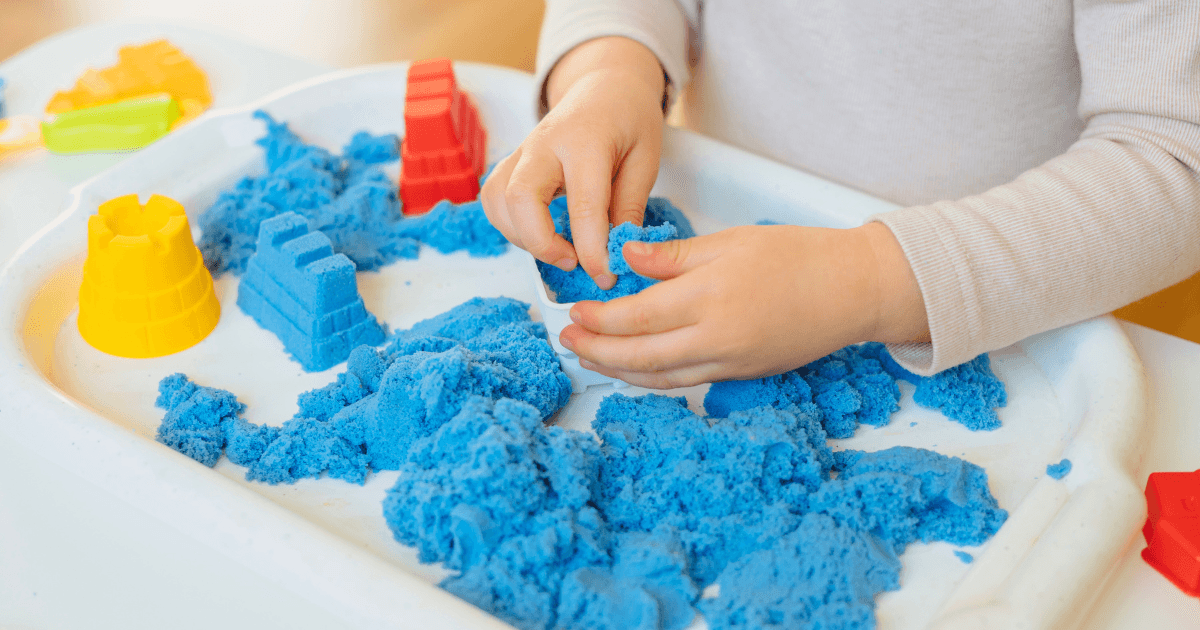
Try this: Rather than a worksheet on letters, create a sensory bin with hidden magnetic letters to find, name, and match.
Try this: Apps like Khan Academy Kids offer adaptive activities that adjust to a child’s level and provide immediate feedback.
When Worksheets Make Sense: Specific Scenarios
Despite the cautions, there are times when worksheets can be particularly useful:
1. Travel and Waiting Situations
Compact and portable, worksheets can provide focused activity during travel or in waiting rooms.
2. Documentation of Learning
Simple worksheets can serve as documentation of a child’s understanding after hands-on exploration of a concept.
3. Transition to Kindergarten
For older preschoolers (4.5-5 years) approaching kindergarten, occasional worksheet activities can help them become more comfortable with this format.
4. Children Who Specifically Request Them
Some children genuinely enjoy and seek out worksheet activities, finding them calming and satisfying.
The Parent’s Perspective: Real-World Experiences
Parents often have mixed feelings about worksheets. Jennifer, mother of a 4-year-old, shares: “My daughter loves doing ‘homework’ like her older brother. I keep a folder of simple worksheets for when she asks for them, but I make sure they’re just one small part of her day, alongside lots of play and outdoor time.”
Meanwhile, Marcus, father of twins, has a different experience: “My boys get frustrated with worksheets quickly. They learn better by doing and moving. We focus on hands-on activities and save worksheets for specific situations like long car rides.”
Both approaches can be valid when they respond to the individual child’s needs and preferences.
The Bottom Line: Thoughtful Implementation is Key
Worksheets themselves are neither inherently good nor bad—it’s how they’re used that matters. When selected thoughtfully, presented appropriately, and balanced with plenty of active, hands-on learning experiences, worksheets can be a useful tool in the early childhood learning toolkit.
The key questions to ask yourself when considering a worksheet are:
Does this support my child’s current developmental level and interests?
Is this displacing more valuable hands-on or social learning experiences?
How can I make this experience more engaging and meaningful?
By approaching worksheets with these questions in mind, you can make informed choices that support your preschooler’s learning journey in a balanced, developmentally appropriate way.
What’s your experience with preschool worksheets? Have you found creative ways to use them effectively? Share your thoughts and questions in the comments below!