What Makes a High-Quality Preschool? 15 Evidence-Based Indicators
Selecting the right preschool is one of the most important educational decisions parents make for their children. Research consistently shows that high-quality early education can have profound and lasting effects on a child’s development, academic success, and even long-term life outcomes. But what exactly constitutes “high quality” in a preschool setting?
This comprehensive guide outlines 15 evidence-based indicators of preschool quality, drawing from the latest research and expert recommendations. Whether you’re a parent evaluating options or an educator seeking to enhance your program, these indicators provide a reliable framework for identifying truly exceptional early childhood education.
Why Quality Matters in Early Childhood Education
Before diving into specific indicators, it’s important to understand why quality is so crucial in preschool settings.
According to the Learning Policy Institute, high-quality early education investments yield approximately $7 for every dollar invested. Yet, the American Progress Center reports that only 10 percent of child care programs are considered high quality.
The gap in kindergarten readiness is stark: only 48 percent of low-income children are ready for kindergarten, compared to 75 percent of moderate- or high-income children. Quality preschool can help close this gap.
Reading Rockets notes that high-quality preschool education significantly influences children’s academic and social development, especially for those at risk of school failure. Research from MIT, cited by TeachKloud, found that preschool attendees are more likely to graduate from high school and attend college than those who did not attend preschool.
With these benefits in mind, let’s explore the key indicators that distinguish truly high-quality preschool programs.
15 Evidence-Based Indicators of High-Quality Preschools
1. Qualified and Well-Prepared Teachers
What to look for:
Teachers with specialized education in early childhood development (minimum associate’s degree, bachelor’s preferred)
Ongoing professional development opportunities
Low staff turnover rates
Teachers who demonstrate warmth, responsiveness, and enthusiasm
Why it matters: The Learning Policy Institute emphasizes that well-prepared teachers are essential for providing engaging interactions and supportive classroom environments. Research consistently shows that teacher qualifications are strongly linked to program quality and child outcomes.
According to Reading Rockets, “Teachers in high-quality programs typically have at least a four-year college degree in early childhood education.” Their knowledge of child development enables them to create appropriate learning experiences and respond effectively to children’s needs.
2. Positive Teacher-Child Interactions
What to look for:
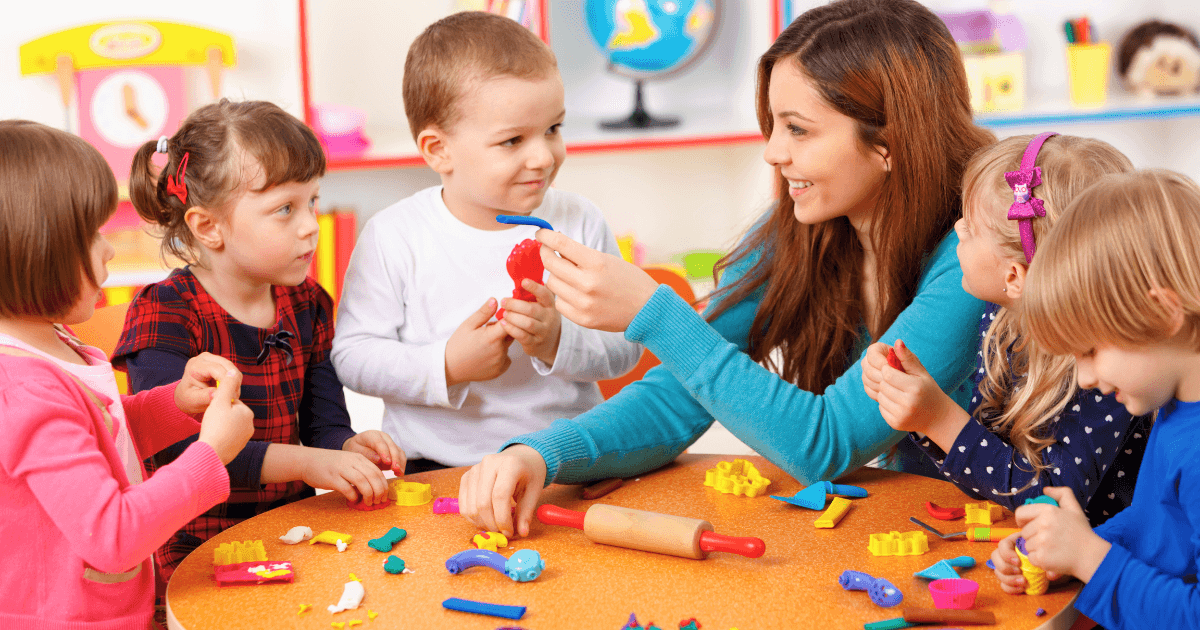
Warm, responsive interactions between teachers and children
Teachers who get down to children’s eye level when speaking with them
Conversations that extend children’s thinking and vocabulary
Teachers who listen attentively to children and respond thoughtfully
Positive guidance rather than harsh discipline
Why it matters: The quality of teacher-child interactions is one of the strongest predictors of children’s development and learning. The Classroom Assessment Scoring System (CLASS) specifically measures these interactions, focusing on emotional support, classroom organization, and instructional support.
Learning Beyond Paper notes that “intentional teacher-child interactions foster secure relationships, understanding, and language skills.” These interactions form the foundation for children’s social-emotional development and academic learning.
3. Low Teacher-to-Child Ratios and Small Group Sizes
What to look for:
Preschool ratios of no more than 1:10 (one teacher for every ten children)
Total group sizes of no more than 20 children
Sufficient staff to provide individualized attention
Consistent caregiving relationships
Why it matters: The National Association for the Education of Young Children (NAEYC) recommends a staff-to-child ratio of 1:10 for children ages 3-5. Smaller ratios and group sizes allow for more individualized attention, meaningful interactions, and better supervision.
The Discovery Source confirms that “lower teacher-child ratios and smaller class sizes allow for individualized attention and stronger connections between educators and children.”
4. Developmentally Appropriate Curriculum
What to look for:
Curriculum based on how children develop and learn
Balance of child-initiated and teacher-guided activities
Focus on all developmental domains (cognitive, social-emotional, physical, language)
Learning through play and exploration rather than worksheets or rote memorization
Activities that build on children’s interests and prior knowledge
Why it matters: According to the Learning Policy Institute, high-quality programs incorporate “early learning standards and curricula that are developmentally appropriate and address the whole child.”
Children’s Corner Group notes that quality preschool curriculum includes “sensory play, basic social skills, and creative expression.” At the same time, pre-K introduces “early literacy, numeracy, problem-solving, and greater independence” in preparation for kindergarten.
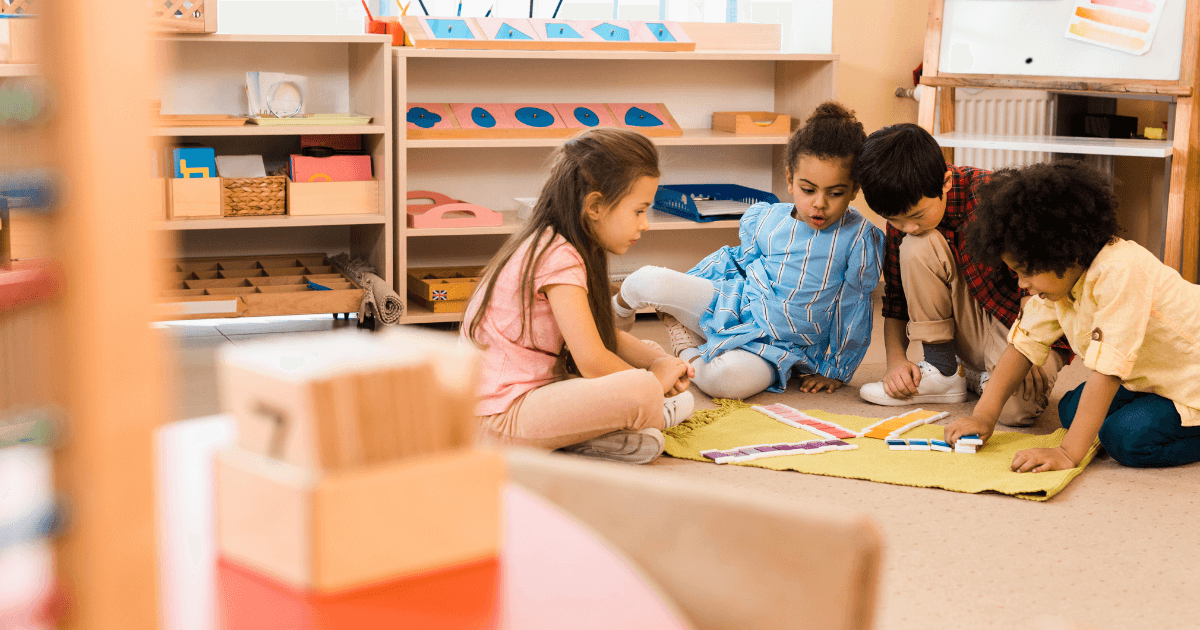
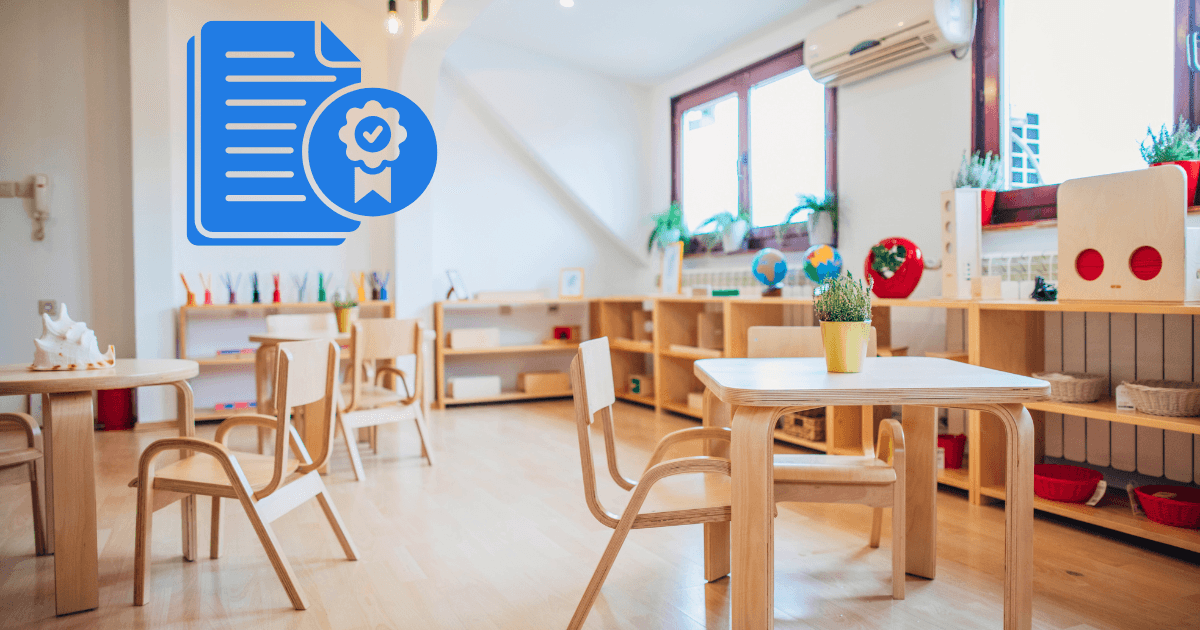
A wide variety of age-appropriate materials accessible to children
Balance of active and quiet spaces
Materials that reflect diversity and children’s cultures
Child-sized furniture and fixtures
Displays of children’s work at their eye level
Why it matters: The physical environment significantly impacts children’s learning, behavior, and engagement. Environmental rating scales, such as the ECERS (Early Childhood Environment Rating Scale), specifically measure the quality of the physical environment, materials, and activities.
Children’s Corner Group describes that modern classroom environments incorporate “natural materials, inclusive resources, and calming zones to support cognitive and emotional well-being.” These thoughtfully designed spaces support children’s independence and learning.
6. Strong Emphasis on Social-Emotional Development
What to look for:
Explicit teaching of social-emotional skills
Support for emotional regulation and conflict resolution
Opportunities to practice cooperation and collaboration
Classroom community-building activities
Respect for children’s feelings and perspectives
Why it matters: Research increasingly shows that social-emotional skills are foundational for academic success and life outcomes. According to Learning Beyond Paper, “research indicates that early social-emotional development (SED) leads to greater school readiness and long-term academic success.”
A study by Sorbonne University, cited by TeachKloud, found that “children in a preschool environment for at least one year had lower levels of emotional symptoms, peer relationship problems, hyperactivity/inattention, and conduct problems.”
7. Language-Rich Environment
What to look for:
Frequent, engaging conversations between teachers and children
Regular book reading and storytelling
Vocabulary development embedded in daily activities
Support for children’s home languages
Opportunities for children to express themselves verbally
Why it matters: Early language exposure is critical for cognitive development, reading readiness, and academic success. Quality programs intentionally create environments where language flourishes through conversations, stories, songs, and play.
The California Preschool Curriculum Framework emphasizes language and literacy as key components, highlighting the importance of integrating language learning into children’s play and daily activities.
8. Meaningful Family Engagement
What to look for:
Regular, two-way communication between teachers and families
Respect for families’ cultures, languages, and child-rearing practices
Family input welcomed in program decisions
Resources and support for families
Why it matters: The Learning Policy Institute notes that “meaningful family engagement is linked to greater academic motivation and socio-emotional skills in children.” When families and schools work together, children benefit from consistency and support across environments.
The Discovery Source emphasizes that “quality programs encourage active involvement of parents and families in their child’s education through open communication and collaboration.”
Assessments used to inform teaching, not label children
Regular sharing of children’s progress with families
Individualized approaches based on assessment findings
Screening for potential developmental concerns
Why it matters: Quality programs use assessment to understand each child’s development, plan appropriate activities, and identify areas where children may need additional support. According to the Learning Policy Institute, assessments in high-quality programs “evaluate children’s academic, social-emotional, and physical progress, aiding instructional and program planning.”
The Discovery Source notes that “regular assessments of children’s progress are essential to identify strengths and areas for growth, leading to individualized learning plans.”
10. Inclusive Practices for Diverse Learners
What to look for:
Welcoming environment for children of all abilities and backgrounds
Adaptations and accommodations for children with special needs
Culturally responsive teaching practices
Materials that reflect diversity
Collaboration with specialists when needed
Why it matters: The Early Childhood Technical Assistance Center emphasizes that high-quality programs “intentionally promote children’s participation in all learning and social activities through individualized accommodations and differentiated interventions.”
Learning Policy Institute notes that “high-quality programs offer support for English learners and students with special needs, demonstrating positive academic effects.”
11. Emphasis on Play-Based Learning
What to look for:
Substantial time devoted to free play
Teachers who facilitate and extend play
Rich play scenarios (dramatic play, block building, sensory play)
Integration of learning goals within playful contexts
Balance of indoor and outdoor play opportunities
Why it matters: Play is the primary vehicle through which young children learn and develop. Through play, children develop creativity, problem-solving skills, social competence, and conceptual understanding.
TeachKloud emphasizes that “the curriculum in high-quality preschools should focus on exploration, creativity, and critical thinking rather than solely on academic skills.” The Discovery Source confirms that “play-based learning is a crucial component of quality early childhood education, fostering creativity and essential skills.”
12. Thoughtful Program Structure and Routines
What to look for:
Balanced daily schedule with active and quiet times
Smooth transitions between activities
Predictable routines that provide security
Sufficient time for children to become engaged in activities
Flexibility to respond to children’s needs and interests
Why it matters: Well-designed schedules and routines help children feel secure and develop self-regulation skills. Quality programs provide both structure and flexibility, balancing teacher-directed and child-initiated activities.
The Learning Policy Institute notes that “sufficient learning time, including full-day preschool programs, is associated with better outcomes for children, especially low-income ones.”
13. Outdoor Learning Opportunities
What to look for:
Safe, well-equipped outdoor play space
Daily outdoor time (weather permitting)
A variety of activities to develop gross motor skills
Opportunities for nature exploration
Integration of learning across indoor and outdoor environments
Why it matters: Outdoor play is essential for physical development, health, and well-being. Quality programs recognize that the outdoors is an extension of the classroom, offering unique opportunities for learning, exploration, and physical activity.
Children’s Corner Group notes that modern early childhood education emphasizes “whole-child development, integrating academic readiness with social, emotional, and physical growth,” with outdoor learning being an important component of physical development.
Professional development based on assessment findings
Continuous quality improvement processes
Openness to feedback from families and staff
Why it matters: Quality is not static but requires ongoing evaluation and improvement. According to the Learning Policy Institute, “comprehensive program assessments evaluate both structural quality and classroom interactions, which are important indicators of program effectiveness.”
The Discovery Source emphasizes that “continuous self-assessment and evaluation are integral to maintaining and improving quality in early childhood programs.”
15. Strong Leadership and Administrative Support
What to look for:
Directors with education and experience in early childhood
Support for teachers’ professional growth
Clear policies and procedures
Ethical business practices
Adequate resources for program quality
Why it matters: American Progress notes that “effective leadership in early childhood programs requires a solid understanding of child development and sound business management skills.” Strong leadership creates the conditions for high-quality teaching and learning.
The Discovery Source confirms that “quality programs employ educators with appropriate education, training, and experience in early childhood education” and provide “ongoing professional development opportunities to ensure continuous learning and growth for educators.”
How to Evaluate Preschool Quality
When visiting potential preschools, consider using these strategies to assess quality:
Observation Techniques
Visit during regular program hours
Observe interactions between teachers and children
Look at how materials are organized and used
Watch how conflicts are handled
Notice the overall emotional tone of the classroom
Questions to Ask
What is your educational philosophy?
What qualifications do your teachers have?
How do you communicate with families?
How do you support children’s individual needs?
What does a typical day look like?
How do you handle challenging behaviors?
How do you assess children’s progress?
Resources for Evaluation
NAEYC Accreditation Standards
Your state’s Quality Rating and Improvement System (QRIS)
Environment Rating Scales (ECERS, ITERS)
Classroom Assessment Scoring System (CLASS)
Conclusion: Making an Informed Choice
Finding a high-quality preschool requires looking beyond surface features to examine the elements that truly impact children’s experiences and outcomes. The 15 indicators outlined above provide a research-based framework for evaluating preschool quality.
Remember that no program is perfect, and quality exists on a continuum. Look for programs that demonstrate strengths across multiple indicators and show a commitment to continuous improvement.
By choosing a high-quality preschool, you’re giving your child the foundation for success in school and beyond. The research is detailed: quality matters, and the benefits of excellent early education can last a lifetime.
What has been your experience with preschool quality? What indicators do you find most important? Share your thoughts and experiences in the comments below!