Preschool Curriculum Comparison: Montessori vs. Reggio Emilia vs. Traditional
Choosing the right preschool approach for your child is one of the most important early decisions you’ll make as a parent. With so many educational philosophies available, understanding the differences between the major approaches can help you find the best match for your child’s unique personality, learning style, and needs.
This comprehensive guide compares three of the most prominent preschool educational approaches: Montessori, Reggio Emilia, and Traditional. We’ll explore their philosophies, classroom environments, teaching methods, curriculum structures, and more to help you make an informed decision about your child’s early education.
Historical Background and Core Philosophy
Montessori
Origin: Developed by Dr. Maria Montessori in Italy in the early 1900s. As a physician and educator, Dr. Montessori created her method based on scientific observations of children’s natural learning processes.
Core Philosophy: The Montessori approach is built on the belief that children are naturally eager to learn and capable of initiating learning in a supportive, thoughtfully prepared environment. It emphasizes independence, freedom within limits, and respect for the child’s natural psychological, physical, and social development.
According to KLAS Schools, “Montessori was developed by Dr. Maria Montessori in the early 1900s, focusing on self-directed exploration and structured independence.”
Reggio Emilia
Origin: Founded by Loris Malaguzzi in Reggio Emilia, Italy, in the post-World War II era. The approach emerged as a response to the destruction of war, with the belief that education could prevent future conflicts.
Core Philosophy: Reggio Emilia views children as competent, curious, and full of potential. The approach is based on the principles of respect, responsibility, and community through exploration and discovery in a supportive and enriching environment. It recognizes that children have “a hundred languages” through which they can express themselves.
Raintree International School notes that “Reggio Emilia emphasizes child-led learning through creativity, collaboration, and exploration.”
Traditional
Origin: Traditional preschool approaches have evolved from various educational theories and practices over time, often influenced by developmental psychology and standardized educational frameworks.
Core Philosophy: Traditional preschool education typically focuses on preparing children for formal schooling by combining play and structured learning activities. It often emphasizes academic readiness skills, social development, and following teacher-directed instruction.
Classroom Environment and Materials
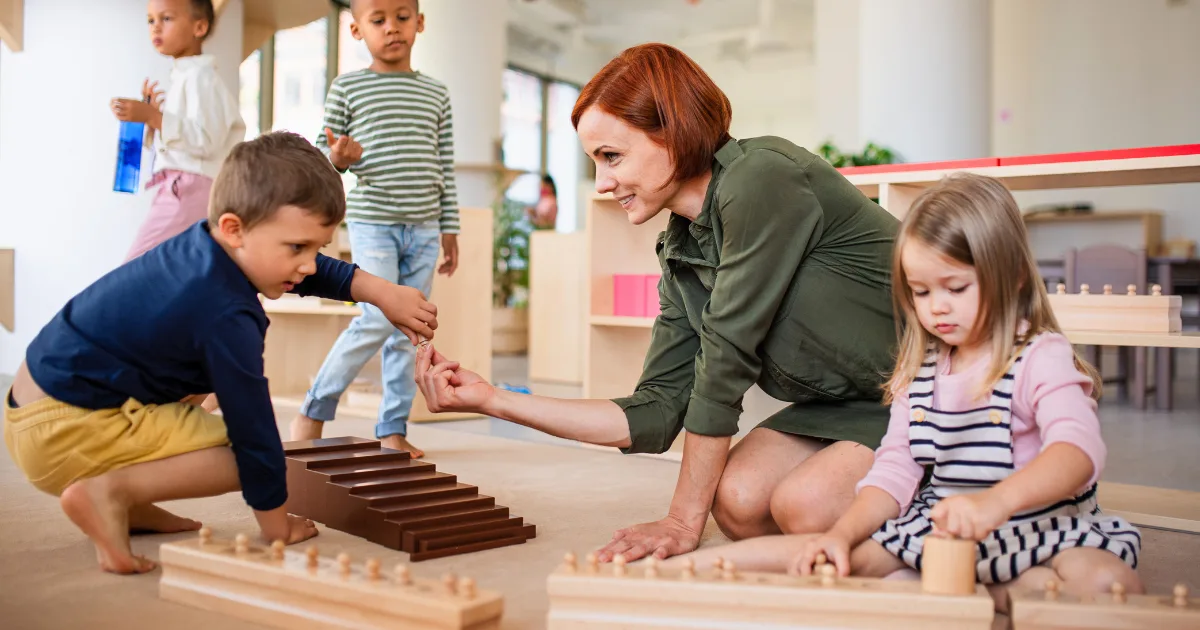
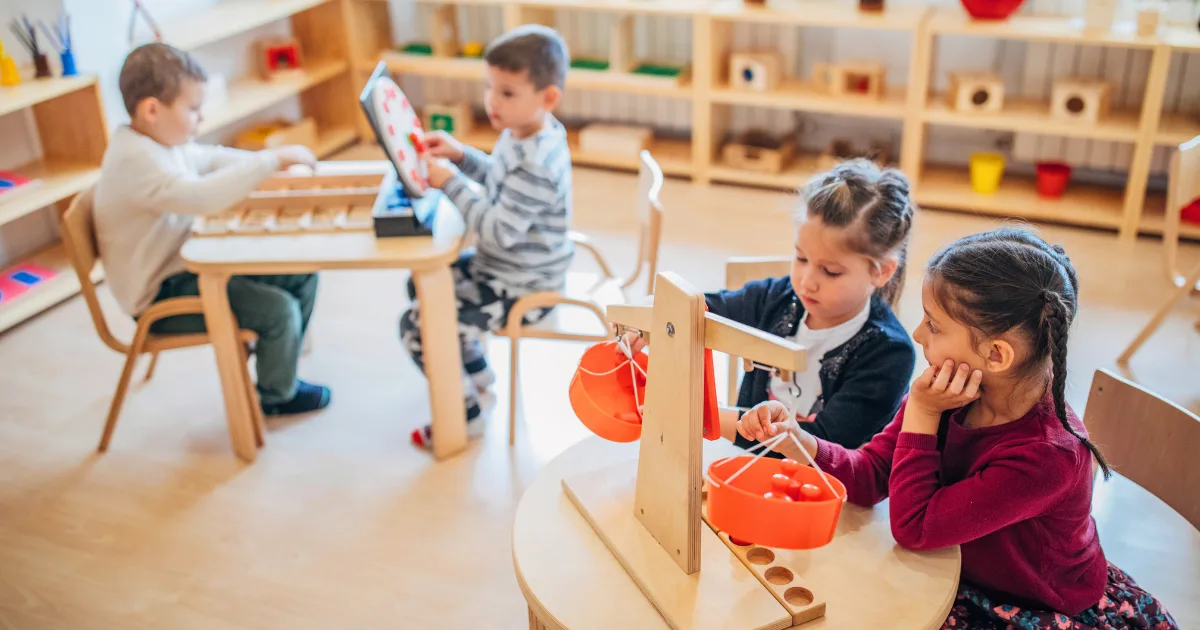
Montessori Environment: Classrooms are carefully designed to promote independence and concentration. They feature:
Child-sized furniture
Low, open shelves accessible to children
Organized, uncluttered spaces
Distinct areas for different curriculum domains
Natural materials and muted colors
Mixed-age groupings (typically 3-year spans)
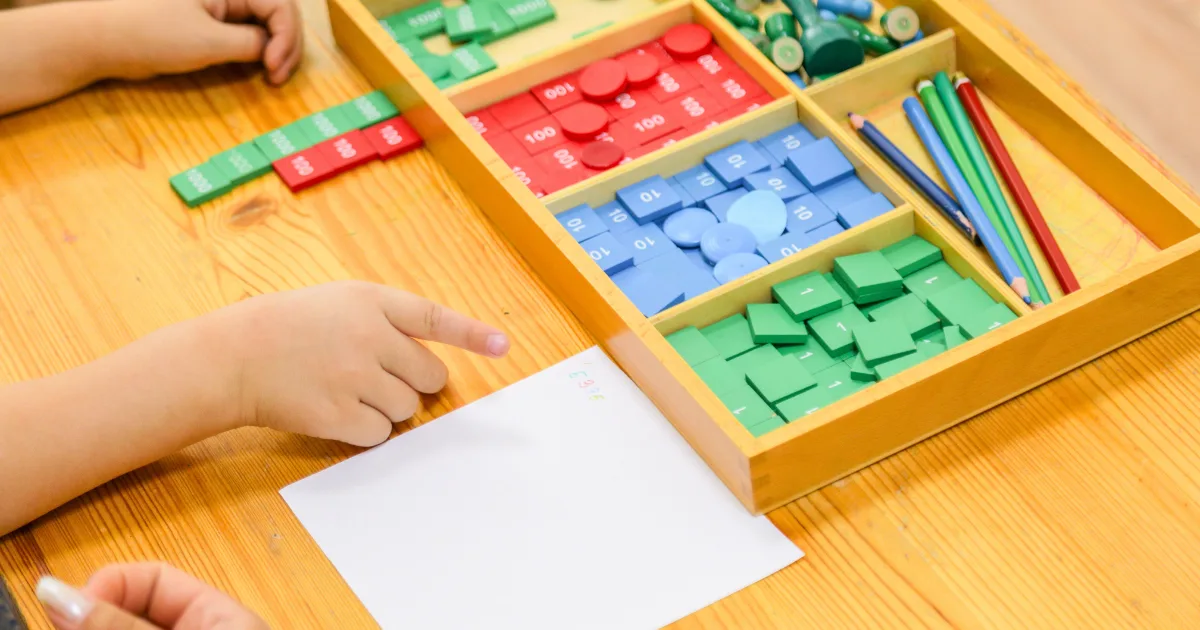
Montessori Materials: Classrooms contain specialized, self-correcting materials designed by Dr. Montessori:
Practical life materials (pouring, buttoning, sweeping)
Sensorial materials (pink tower, brown stair, color tablets)
Language materials (sandpaper letters, movable alphabet)
Mathematical materials (number rods, golden beads)
Cultural materials (maps, science specimens)
These materials are designed to isolate specific skills and concepts, allowing children to work independently and receive immediate feedback.
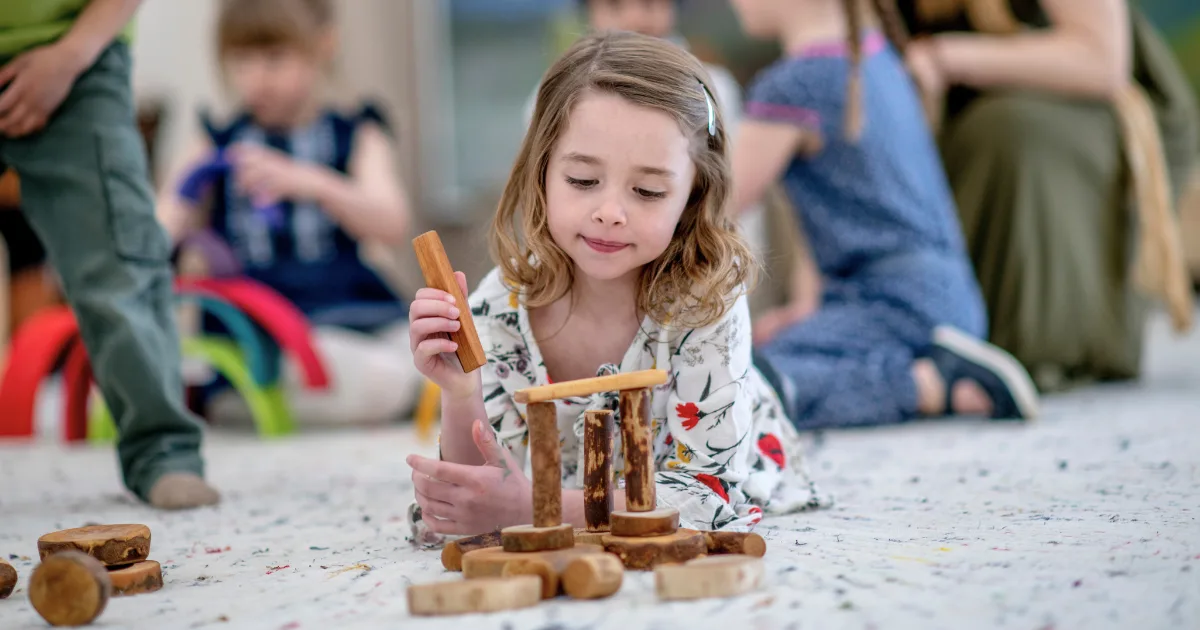
Reggio Emilia Environment: Classrooms are often referred to as the “third teacher” (alongside parents and educators) and feature:
Flexible, adaptable spaces that evolve with projects
Tools for documentation (cameras, recording devices)
Items reflecting the local community and culture
My First Skool explains that “The Reggio Emilia environment is designed to inspire exploration and creativity, featuring open-ended materials arranged to encourage discovery.”
Traditional Preschool Environment: Classrooms typically feature:
Themed decorations that change with curriculum units
Age-segregated groupings
Structured spaces for specific activities
Traditional Preschool Materials: Classrooms generally include:
Commercial educational toys and games
Worksheets and activity books
Puzzles and manipulatives
Art supplies
Books and literacy materials
Dramatic play props
The Role of the Teacher
In Montessori classrooms, teachers are referred to as “guides” or “directresses” who:
Observe children to understand their developmental needs
Introduce materials through precise demonstrations
Step back and allow children to work independently
Intervene minimally, primarily to redirect or present new challenges
Maintain the prepared environment
Track individual progress through detailed observation
The teacher-to-student ratio is typically higher in Montessori classrooms, as children are expected to work independently for extended periods.
Reggio Emilia teachers serve as:
Co-learners and researchers alongside children
Facilitators of exploration and discovery
Documenters of children’s learning processes
Provocateurs who pose questions and challenges
Collaborators with colleagues, parents, and the community
KLAS Schools notes that “In Reggio Emilia, teachers act as co-learners and collaborators, encouraging open discussion and documenting student progress to shape future lessons.”
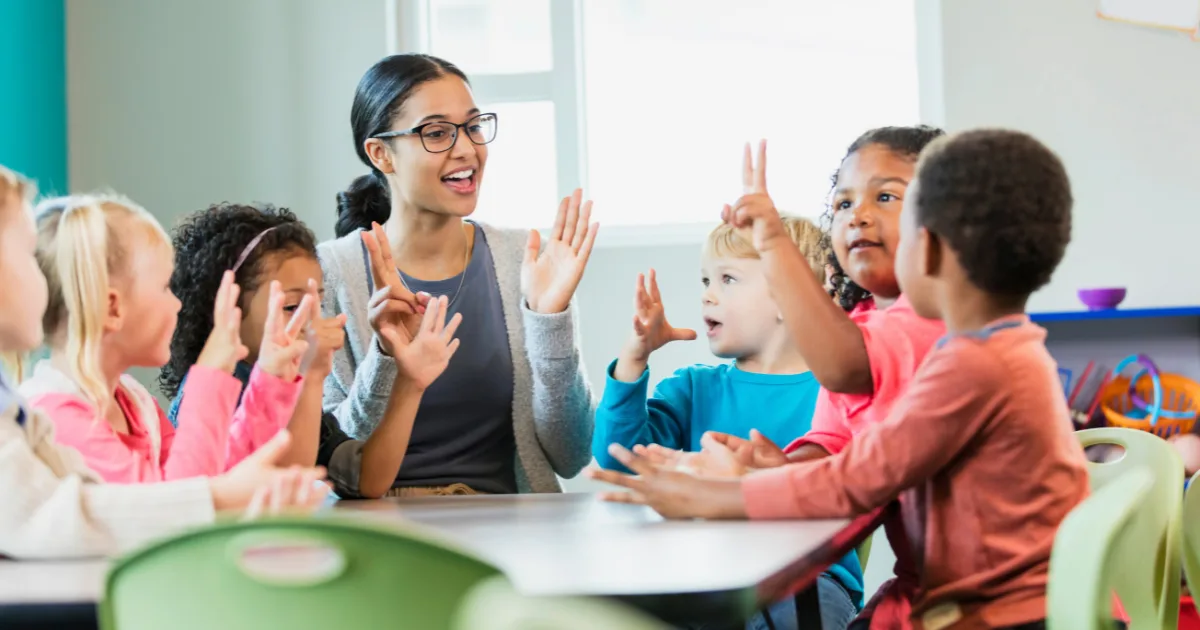
Traditional preschool teachers typically:
Direct learning activities and lead group instruction
Create and implement lesson plans based on a predetermined curriculum
Montessori Structure: The curriculum is highly structured and sequential, divided into five main areas:
Practical Life: Activities that develop independence, coordination, concentration, and order
Sensorial: Materials that refine the senses and build cognitive understanding through sensory experiences
Language: Progressive materials supporting oral language, writing, and reading
Mathematics: Concrete materials that lead to abstract mathematical understanding
Cultural Studies: Geography, science, art, and music exploration
Approach to Learning:
Child-directed choice within the prepared environment
Individual pacing based on readiness and interest
Three-hour uninterrupted work periods
Minimal group instruction
Emphasis on concentration and completion of cycles of activity
Reggio Emilia Structure: No prescribed curriculum. Instead, it features:
Emergent curriculum based on children’s interests
Long-term projects (progettazione) that evolve over weeks or months
Integration of multiple subjects within project work
Strong emphasis on the arts as tools for expression and understanding
Documentation is both a process and a product of learning
Approach to Learning:
Collaborative investigation
Multiple forms of expression (“hundred languages”)
Negotiated learning between children and adults
Reflection and revision of ideas
Strong connection to community and place
According to Top Montessoris, “The Reggio Emilia approach utilizes an emergent curriculum, where learning topics develop organically based on children’s inquiries.”
Traditional Preschool Structure: Curricula typically include:
Emphasis on following directions and group participation
Small Miracles notes that “Traditional teaching methods often emphasize worksheets and memorization, leading to surface-level knowledge rather than deep understanding.”
Approach to Play and Creativity
Play in Montessori: Doesn’t distinguish between work and play. Children’s freely chosen activities with materials are considered their “work,” which they approach with joy and concentration. Pretend play is not emphasized in the classroom environment.
Creativity: Creativity in Montessori is expressed through:
Problem-solving with materials
Self-expression through art, music, and movement
Innovation within the structure of materials
Application of learned concepts in new ways
Play in Reggio Emilia: Play is central to the Reggio approach and is seen as children’s natural way to explore, theorize, and understand the world. Both free play and more structured explorations are valued.
Creativity: Creativity is fundamental to Reggio Emilia and is fostered through:
Multiple forms of artistic expression
Open-ended materials with infinite possibilities
Collaborative problem-solving
Representation of ideas in various media
Revisiting and elaborating on previous work
Raintree International School emphasizes that “Creativity is central to Reggio Emilia, with children expressing ideas through various forms of art and storytelling.”
Play Traditional Preschools: Typically incorporate play through:
Designated free play times
Learning centers with playful activities
Games that reinforce academic concepts
Outdoor play periods
Creativity: Creativity in traditional settings is often channeled through:
According to Makoons, more progressive traditional programs are increasingly recognizing that “Play encourages creativity, problem-solving, confidence, and supports academic skills in math, language, and STEM.”
Individual work is work-emphasized, with some small group activities
Grace and courtesy lessons for social skills
Freedom to choose work partners or work alone
Natural opportunities for peer teaching and mentoring
Community Involvement:
Parents as observers and supporters of the method
Limited parent involvement in the classroom
Emphasis on home-school consistency in approach
Community service is often incorporated in elementary school and beyond
Reggio Emilia Social Interaction:
Strong emphasis on collaboration and group work
Projects are often done in small groups
Dialogue and debate are encouraged
Conflict is viewed as an opportunity for growth
Relationships are seen as fundamental to learning
Community Involvement:
Parents as essential partners in education
Community as a source of learning and connection
Documentation is shared widely with families and the community
Local culture and resources were integrated into the curriculum
KLAS Schools states that “Reggio Emilia strongly emphasizes community engagement, involving parents as essential partners in education and incorporating local community elements into learning.”
Traditional Social Interaction:
Structured opportunities for sharing and turn-taking
When deciding between these approaches, consider your child’s:
Learning Style
Montessori may be ideal for children who:
Thrive with independence and self-direction
Enjoy order and sequence
Prefer to work at their own pace
Focus well and have longer attention spans
Reggio Emilia may be best for children who:
Flourish in collaborative settings
Express themselves creatively
Enjoy project-based exploration
Thrive with flexible, evolving challenges
Traditional may suit children who:
Benefit from clear structure and routines
Respond well to teacher direction
Need specific preparation for conventional schooling
Enjoy variety in daily activities
Personality Traits
Consider how each approach aligns with your child’s temperament:
For highly independent children: Montessori’s self-directed approach may provide the autonomy they crave.
For highly social and expressive children: Reggio Emilia’s collaborative projects may channel their energy and creativity.
For children who seek clear expectations: Traditional programs may provide the structure and predictability they need.
Family Values and Practical Considerations
Also consider:
Your educational philosophy and values
Availability of quality programs in your area
Cost and schedule considerations
Long-term educational plans
Siblings’ educational experiences
Special needs or considerations
Conclusion: Finding the Best Fit
There is no universally “best” preschool approach—only the approach that best fits your child and family. Many quality programs also incorporate elements from multiple philosophies, creating blended approaches that draw on the strengths of each.
When researching schools, look beyond labels to observe:
How children are engaged and supported
The quality of teacher-child interactions
The overall atmosphere and energy
How individual differences are accommodated
Whether children appear happy, curious, and involved
Visit multiple programs, ask questions, and trust your instincts about where your child will thrive. Remember that the goal of any quality early childhood program is to nurture a love of learning, build confidence, and develop the social, emotional, and cognitive skills that will serve as a foundation for future growth.
What preschool approach has worked best for your child? Share your experiences in the comments below!