Early Learning Centers Near Me: What Programs Should Include
When I began searching for an early learning center for my son, I quickly discovered that not all programs are created equal. Behind the colorful walls and tiny furniture of each center lies a unique educational philosophy, curriculum approach, and set of priorities. As I toured facilities and interviewed directors, I found myself wishing for a comprehensive checklist of what quality early learning programs should include.
If you’re searching for “early learning centers near me,” you’re likely facing the same questions: What elements are essential in a quality program? What should I look for beyond the basics? How do I know if a center will provide the foundation my child needs?
This guide will walk you through the key components that research and experts agree should be included in high-quality early learning programs. Whether you’re considering a preschool, daycare with educational components, or a specialized early childhood center, these essentials will help you evaluate your options with confidence.
The Foundation: What Research Tells Us About Quality Early Learning
Before diving into specific components, it’s helpful to understand what research reveals about effective early education. According to the National Association for the Education of Young Children (NAEYC), quality early learning experiences have profound effects on children’s development and future academic success.
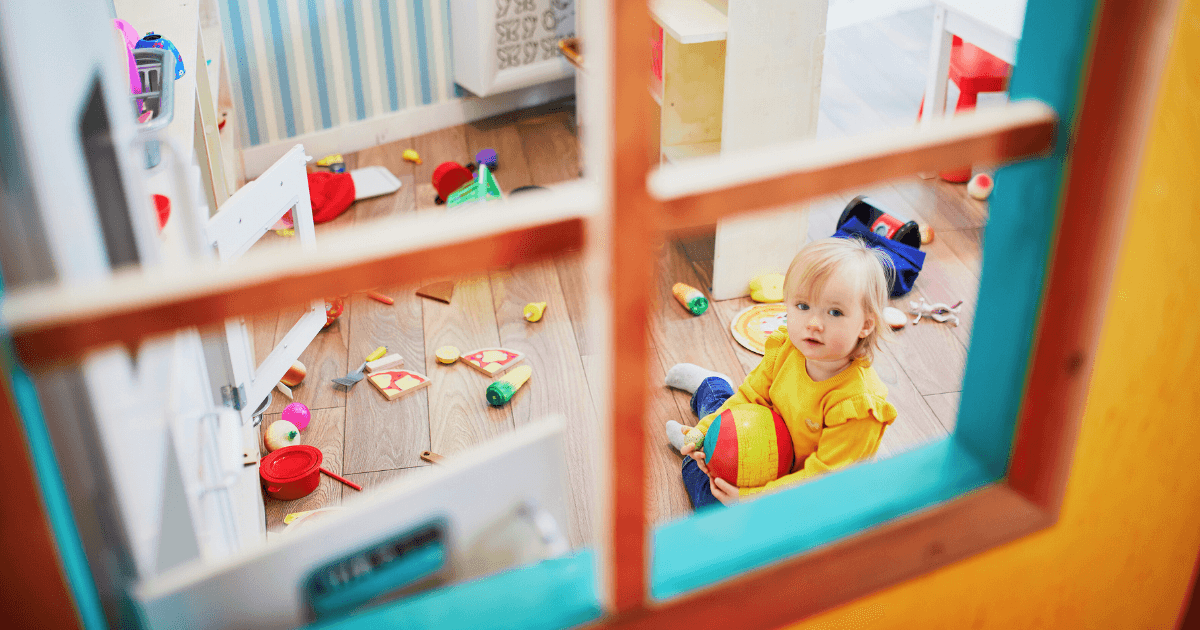
Dramatic play areas that encourage imagination and role-playing
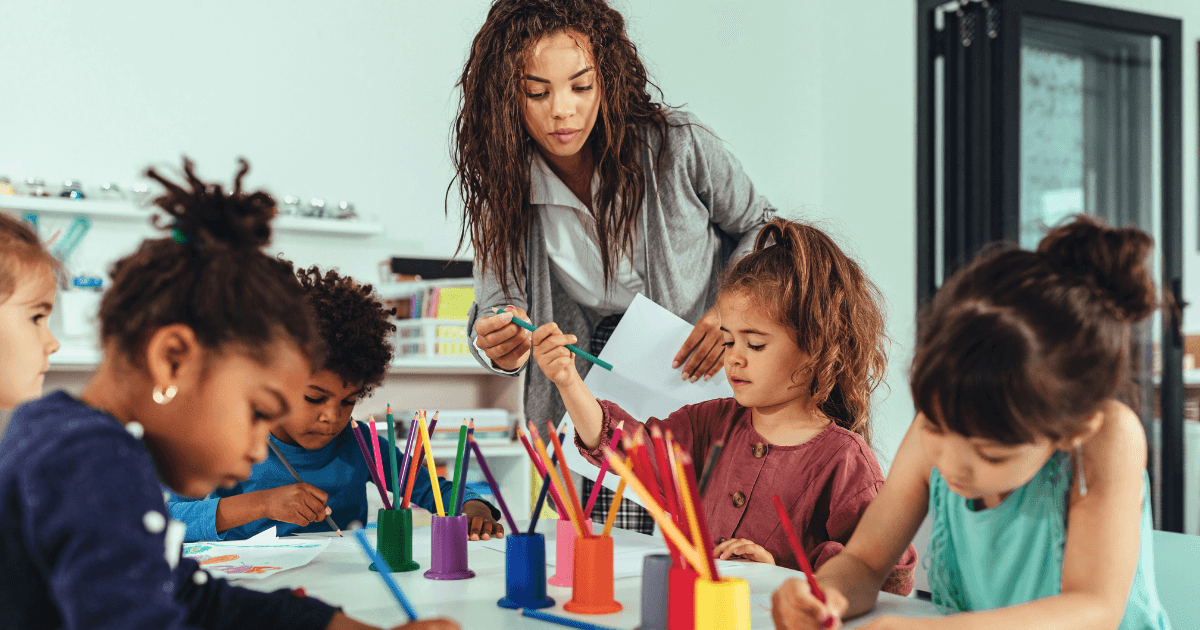
Opportunities to explore various artistic media and techniques
Early childhood education specialist Dr. Rebecca Wilson explains, “A quality curriculum doesn’t treat these domains as separate subjects but weaves them together through meaningful, engaging experiences. When you visit a center, ask how they address each area of development and look for examples throughout the classroom.”
2. Play-Based Learning Approach
While educational approaches vary, research consistently supports the value of play-based learning for young children. Quality programs recognize play as children’s primary learning vehicle.
What to Look For:
Balance of Play Types:
Child-directed free play with minimal adult intervention
Guided play where teachers extend learning through thoughtful interactions
Structured play activities designed around specific learning goals
Open-ended materials that can be used in multiple ways
Props that encourage complex play scenarios
Natural elements and real-world materials
Teacher Engagement:
Adults who know when to observe and when to join children’s play
Documentation of learning that occurs through play
Teachers who extend thinking through questions and provocations
Recognition of play as valuable learning, not just a break from “real learning”
According to Dr. Kathy Hirsh-Pasek, a leading researcher in early childhood education, “Play is not the opposite of learning; it is the optimal way young children learn. Quality programs understand that play and learning are integrated, not separate activities.”
3. Qualified, Nurturing, and Stable Teaching Staff
The single most important factor in the quality of early learning is the teaching staff. Their qualifications, interactions with children, and stability significantly impact program effectiveness.
What to Look For:
Educational Qualifications:
Lead teachers with degrees in early childhood education or related fields
Ongoing professional development for all staff members
Knowledge of child development and best practices in early education
Specialized training in areas like social-emotional learning or inclusive practices
Teacher-Child Interactions:
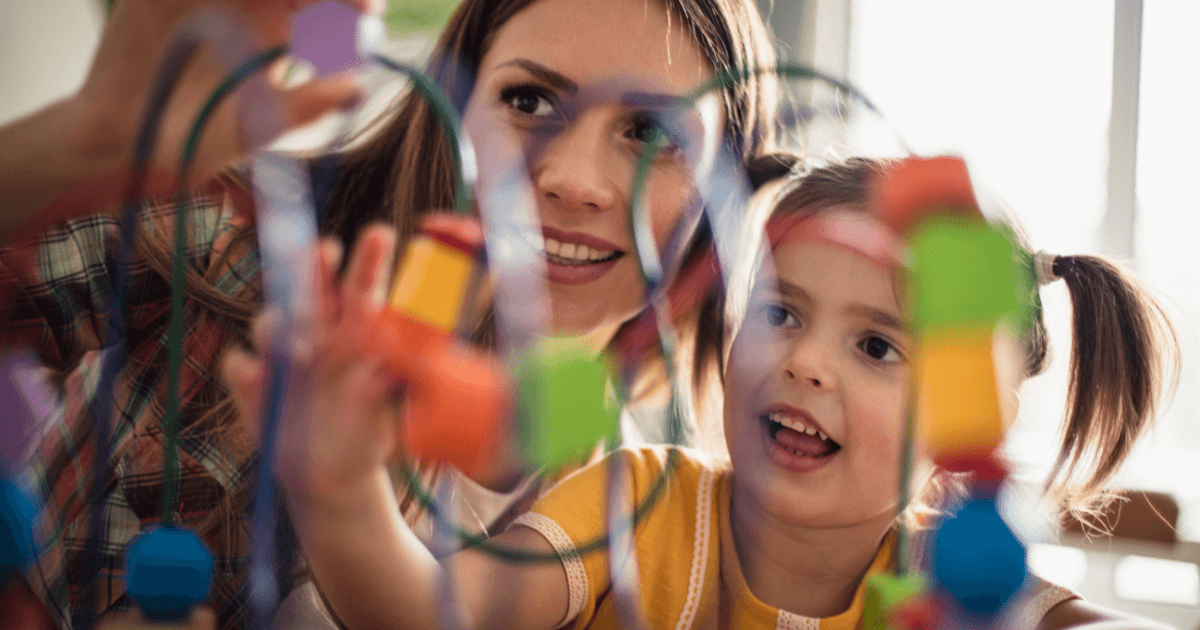
Warm, responsive relationships between adults and children
Teachers who get down to the child’s level for conversations
Respectful communication that values children’s thoughts and feelings
Appropriate guidance strategies rather than punitive discipline
Stability and Ratios:
Low teacher turnover rates (ask about the average tenure of staff)
Appropriate teacher-to-child ratios (varies by age, but generally:)
Infants (0-12 months): 1:3 or 1:4
Toddlers (12-36 months): 1:4 to 1:6
Preschoolers (3-5 years): 1:8 to 1:10
Consistent caregivers who build secure relationships with children
Adequate support staff and substitutes to maintain quality during absences
Early childhood consultant Maria Gonzalez advises, “Don’t hesitate to ask about staff qualifications, turnover rates, and professional development. Quality centers are transparent about their hiring practices and how they support their teachers.”
4. Intentional Learning Environment
The physical environment of an early learning center serves as the “third teacher,” significantly impacting how children learn and interact.
What to Look For:
Physical Space:
Clean, well-maintained facilities with appropriate safety measures
Child-sized furniture and accessible materials
Defined learning areas that support different types of play and learning
Adequate space for movement and active play
Natural light and good ventilation
Outdoor Learning:
Daily outdoor time (weather permitting)
Natural elements like gardens, trees, or sand areas
Equipment that encourages varied physical activities
Outdoor spaces are viewed as learning environments, not just playgrounds
Visual organization that reduces clutter and distraction
Attention to lighting, textures, and sensory experiences
Environmental design expert Dr. James Chen notes, “The best early learning environments balance stimulation with calm, structure with flexibility. They invite exploration while providing the security children need to take learning risks.”
5. Family Partnership and Communication
Quality early learning programs recognize parents as children’s first and most important teachers and establish strong partnerships with families.
What to Look For:
Communication Systems:
Regular updates about your child’s experiences and development
Multiple communication channels (apps, emails, conversations, conferences)
Translation services for multilingual families, if needed
Responsiveness to parent questions and concerns
Family Involvement:
Opportunities for family participation at various levels
Respect for diverse family structures, cultures, and parenting approaches
Parent education resources and support
Transparency about program policies and practices
Two-Way Relationships:
Teachers who seek parents’ insights about their children
Decision-making that includes family perspectives
Celebration of families’ cultural knowledge and traditions
Genuine partnership rather than one-way information flow
Family engagement specialist Dr. Elena Martinez explains, “Look for programs where you feel welcomed and valued as a partner, not just a customer. Quality centers recognize that children thrive when there’s continuity between home and school experiences.”
6. Observation-Based Assessment and Individualization
Rather than one-size-fits-all approaches, quality programs observe children and tailor experiences to their developmental needs.
What to Look For:
Assessment Approaches:
Ongoing observation of children in natural learning contexts
Documentation of children’s work, conversations, and play
Developmental screenings to identify potential concerns early
Focus on progress rather than comparison to peers
Individualization:
Curriculum adaptations based on children’s interests and needs
Support for diverse learning styles and abilities
Challenging experiences for advanced learners
Additional support for children who need it
Progress Communication:
Regular, specific feedback about your child’s development
Strengths-based approach that celebrates growth
Honest, supportive conversations about any concerns
Collaborative goal-setting for your child’s continued development
Early childhood assessment expert Dr. Thomas Rodriguez advises, “Ask how the program tracks children’s progress and how that information is used. Quality programs use assessment to improve teaching, not to label children or create unnecessary pressure.”
7. Inclusion and Diversity
Quality early learning environments welcome all children and families, celebrating diversity and supporting inclusion.
What to Look For:
Inclusive Practices:
Accommodations for children with diverse needs and abilities
Staff trained in inclusive practices and universal design for learning
Collaboration with specialists when needed
Physical environments accessible to all children
Cultural Responsiveness:
Curriculum that reflects diverse cultures, languages, and family structures
Materials and books featuring diverse characters and stories
Celebration of various cultural traditions beyond tourist approaches
Staff who reflect and/or respect the diversity of the community served
Anti-Bias Approach:
Proactive addressing of stereotypes and bias
Support for children’s developing identities
Encouragement of critical thinking about fairness
Commitment to equity in all aspects of the program
Diversity and inclusion specialist Dr. Alicia Fernandez notes, “Quality programs don’t just ‘tolerate’ differences—they actively celebrate diversity as a strength and ensure every child and family feels they truly belong in the community.”
8. Health, Safety, and Nutrition
While these basics might seem obvious, approaches to health, safety, and nutrition vary significantly across early learning centers.
What to Look For:
Health Practices:
Clear illness policies that protect all children
Regular handwashing routines for children and adults
Proper diapering and toileting procedures
Current first aid and CPR certification for all staff
Protocols for medication administration and allergies
Safety Measures:
Secure entry systems and pickup protocols
Regular safety drills (fire, weather, lockdown)
Well-maintained indoor and outdoor equipment
Proper supervision at all times
Background checks for all staff and volunteers
Nutrition Approach:
Nutritious meals and snacks that meet dietary guidelines
Accommodations for allergies and dietary restrictions
Food presented in positive, non-pressured ways
Opportunities for children to learn about healthy eating
Mealtimes as learning experiences, not just feeding times
Pediatrician Dr. Sarah Mitchell advises, “Beyond the basic health and safety requirements, look at how these aspects are integrated into the program. Quality centers use health practices as learning opportunities and view mealtimes as valuable parts of the curriculum, not just necessary interruptions.”
9. Transition Support and School Readiness
Quality early learning programs prepare children for future educational transitions while focusing on developmentally appropriate practices.
What to Look For:
Holistic School Readiness:
Focus on social-emotional skills essential for school success
Development of self-help skills and independence
Approaches to learning (curiosity, persistence, flexibility)
Age-appropriate academic foundations without pushing advanced academics
Kindergarten Transition:
Specific activities for children heading to kindergarten
Relationships with local schools to understand expectations
Support for families navigating the kindergarten enrollment process
Emotional preparation for the transition to new settings
Documentation and Records:
Comprehensive developmental summaries for the next setting
Support for information sharing between programs (with parent permission)
Portfolios or other documentation of children’s growth and learning
Celebration of transitions as positive milestones
Early education transition specialist Dr. Michael Thompson explains, “True kindergarten readiness isn’t about academic skills alone. Quality programs prepare children by building confidence, curiosity, communication skills, and self-regulation—the foundations that support all future learning.”
10. Program Evaluation and Continuous Improvement
The best early learning programs are committed to ongoing evaluation and improvement rather than maintaining the status quo.
Accreditation by recognized organizations like NAEYC
Compliance with state licensing requirements
Additional quality certifications or recognitions
Evaluation Methods:
Regular program assessment using validated tools
Family feedback mechanisms that lead to actual changes
Peer review or external evaluation
Transparency about areas for improvement
Continuous Learning Culture:
Staff engaged in ongoing professional development
Implementation of current research and best practices
Reflective practice and collaborative improvement efforts
Leadership that models learning and growth
Quality improvement specialist Dr. Rebecca Isbell suggests, “Ask center directors about their goals for program improvement and how they measure quality. The best programs are never satisfied with ‘good enough’—they’re constantly evolving to serve children and families better.”
Making Your Decision: Beyond the Checklist
While this comprehensive list provides a framework for evaluating early learning centers, your final decision will likely incorporate additional factors:
Practical Considerations:
Location and convenience
Hours of operation
Cost and financial assistance options
Availability and waitlist status
Personal Fit:
Alignment with your family’s values and priorities
Your child’s specific temperament and needs
Gut feeling when visiting the center
Recommendations from trusted friends and community members
Early childhood consultant Dr. James Chen advises, “Visit centers at different times of day if possible. The most revealing visits are often during transitions like arrival, mealtimes, or pickup, when you can see how the program handles more challenging moments.”
Questions to Ask During Your Search
As you research “early learning centers near me,” consider asking these questions during tours or interviews:
“How would you describe your educational philosophy and approach?”
“What qualifications do your teachers have, and how long do they typically stay with the program?”
“How do you communicate with families about children’s development and daily experiences?”
“How do you support children with different learning styles, abilities, and backgrounds?”
“What does a typical day look like, and how much time do children spend in different types of activities?”
“How do you handle challenging behaviors and conflicts between children?”
“What health, safety, and nutrition practices do you follow?”
“How do you prepare children for the transition to kindergarten?”
“What makes your program unique compared to others in the area?”
“How do you evaluate and improve program quality over time?”
Resources for Your Search
These national resources can help you locate and evaluate early learning programs in your area:
Child Care Aware of America: Offers a searchable database of licensed child care and early learning programs
NAEYC Program Search: Find accredited programs meeting the National Association for the Education of Young Children’s quality standards
Local child care resource and referral agencies: Provide personalized referrals based on your family’s needs
The Bottom Line: Trust Your Observations and Instincts
While this guide provides a comprehensive overview of what quality early learning programs should include, remember that no program will be perfect in every area. The best choice is one that excels in the aspects most important to your family and your child’s specific needs.
As early childhood expert Dr. Alicia Fernandez reminds us, “The right program for your child is one where they feel safe, valued, and excited to learn. It’s where you feel comfortable as a parent and confident in the care and education your child receives.”
Trust your observations, ask thoughtful questions, and consider how your child responds to the environment during visits. Pay attention to how staff interact with children already in their care—these authentic moments often reveal more than any tour or brochure can convey.
Remember that quality can exist in various types of settings—from small home-based programs to large centers, from public pre-K to private preschools. The physical facility matters less than the relationships, interactions, and learning experiences happening within it.
Finally, recognize that finding the right early learning center is not just about checking boxes on a quality list—it’s about finding a community where your child and family will thrive during these formative years. When you find that special combination of quality components and personal connection, you’ll know you’ve found the right place for your child to begin their educational journey.
What components do you find most important when evaluating early learning programs? Share your thoughts and experiences in the comments below!