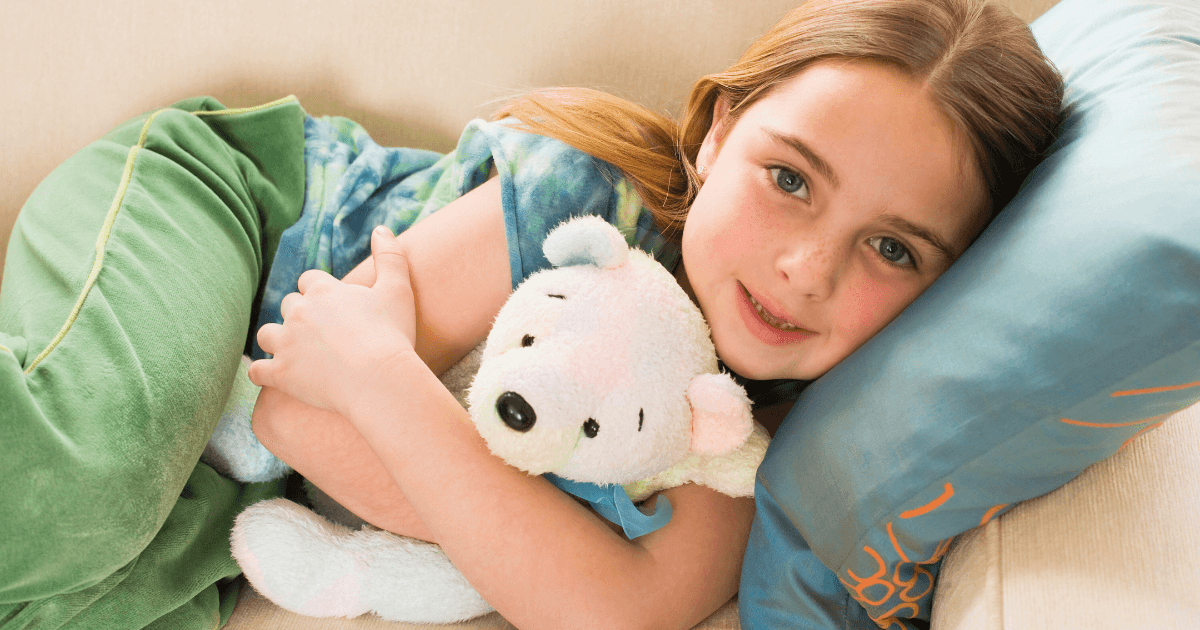
That well-worn teddy bear with the missing eye. The frayed blanket that’s been washed a hundred times. The seemingly random plastic dinosaur that must go everywhere. If you’re a parent or educator, you’ve likely encountered the powerful phenomenon of the transitional object—that special item a child clings to with surprising devotion.
Far from mere childish attachments, these objects play a crucial role in healthy emotional development. They serve as bridges between dependence and independence, offering comfort and security as children navigate an increasingly complex world.
“Transitional objects represent one of the earliest ways children learn to self-soothe and regulate their emotions,” explains child psychologist Dr. Elena Martinez. “When we understand their developmental significance, we can better support children’s emotional journey rather than rushing them to’outgrow’ these important attachments.”
Let’s explore the fascinating world of transitional objects and how they support children’s emotional security and development.
What Are Transitional Objects?
Transitional objects (sometimes called “comfort objects,” “loveys,” or “security blankets”) are items to which children form special attachments beyond their primary caregivers. According to the American Academy of Pediatrics, these objects become part of the emotional support system every child needs in their early years.
Common transitional objects include:
Soft blankets or pieces of fabric
Stuffed animals or dolls
Articles of clothing (often belonging to parents)
Unusual items like plastic toys, books, or even household objects
What makes these items special isn’t their inherent qualities but the meaning and comfort they provide to children. The object becomes imbued with emotional significance, serving as a tangible representation of safety and love.
The History and Theory Behind Transitional Objects
Pediatrician and psychoanalyst Donald Winnicott first introduced the concept of transitional objects in the 1950s. Winnicott observed that these objects help children navigate what he called the “transitional space” between complete dependence on caregivers and the development of independence.
Winnicott’s groundbreaking work recognized that these objects weren’t signs of weakness or unhealthy attachment. Rather, they represented a healthy developmental step in a child’s emotional journey—the first “not-me” possession that helps children begin to understand themselves as separate individuals from their caregivers.
Modern research continues to support Winnicott’s observations. According to Care for Kids, studies by professors Bruce Hood and Paul Bloom have found that children believe their comfort items possess a unique “essence” that cannot be duplicated, which helps explain why children often reject identical replacements for their beloved objects.
Why Transitional Objects Matter: The Psychological Benefits
Transitional objects serve multiple important functions in a child’s emotional development:
1. They Provide Comfort During Separation
When parents or caregivers aren’t present, transitional objects serve as symbolic stand-ins, helping children manage separation anxiety. According to Augusta Pediatrics, these objects reassure children that they are safe and that their caregivers will return.
As noted by Mabel’s Labels, transitional objects are particularly important during times of change—such as starting childcare, moving to a new home, welcoming a sibling, or transitioning to a new classroom. The familiar object provides continuity amid change.
4. They Encourage Independence and Exploration
When children have their transitional object as a secure base, they often feel more confident exploring new environments and situations. The object serves as an “emotional home base” from which they can venture out.
5. They Help With Sleep
Many parents discover that transitional objects become essential parts of bedtime routines. The familiar comfort item helps children relax and transition to sleep, often reducing bedtime struggles.
How and When Children Choose Transitional Objects
Most children select their special comfort item between 8 and 12 months of age, though some may choose one earlier or later. What’s fascinating is that children typically choose these objects themselves rather than having them selected by adults.
The selection process is often mysterious to parents. A child might ignore an expensive teddy bear in favor of a random washcloth or an old t-shirt. According to CHS Learn, what matters isn’t the item itself but the comfort and security it provides.
“My daughter ignored all the beautiful stuffed animals we bought her and instead became attached to an old burp cloth,” shares parent Michael Chen. “We tried to substitute nicer items, but she would accept nothing else. We eventually realized it was the soft texture and familiar smell that comforted her.”
Common Misconceptions About Transitional Objects
Despite their developmental benefits, transitional objects are sometimes misunderstood. Let’s address some common concerns:
Myth: Transitional Objects Indicate Insecurity or Weakness
Reality: Far from indicating weakness, transitional objects demonstrate a child’s developing emotional resources. They’re actually signs of healthy attachment and emerging independence.
Myth: Children Should Be Weaned From Transitional Objects As Soon As Possible
Reality: Most children naturally decrease their reliance on transitional objects as they mature. Forcing a child to give up their comfort item prematurely can cause unnecessary distress and may even intensify attachment.
Myth: Transitional Objects Promote Thumb Sucking or Other “Babyish” Behaviors
Reality: According to the American Academy of Pediatrics, behaviors like thumb sucking are normal developmental phases that children typically outgrow naturally, regardless of whether they have a transitional object.
Myth: Transitional Objects Are Only for Babies and Toddlers
Reality: While the attachment often begins in infancy, many children continue to find comfort in special objects throughout childhood and even into adolescence, particularly during times of stress or transition.
Supporting Your Child’s Use of Transitional Objects
Here are practical ways to honor and support your child’s attachment to their special comfort item:
1. Respect Their Choice
Even if your child’s chosen object seems unusual or inconvenient, respecting their selection acknowledges their developing autonomy and emotional needs.
2. Have Duplicates When Possible
The American Academy of Pediatrics recommends having identical backups of transitional objects when possible. This prevents crises when the object is lost or needs washing. To maintain the “sameness” that children value:
Rotate the duplicates regularly so they wear similarly
Wash them together so they maintain a similar scent and feel
Store the backup in a secure location
3. Establish Boundaries When Necessary
While honoring the importance of transitional objects, it’s also reasonable to establish some boundaries:
Designate “home only” or “car only” rules for certain objects if needed
Create specific places to keep the object during activities where it might be damaged
Teach children to keep their special items in a designated spot when not in use
4. Include the Object in Routines
Incorporating the transitional object into daily routines can enhance its effectiveness:
Make it part of the bedtime ritual
Include it in goodbye routines for separations
Create special places for the object in various settings
5. Use Transitional Objects to Ease Difficult Situations
Intentionally use the comfort object to help children through challenging experiences:
Doctor’s appointments
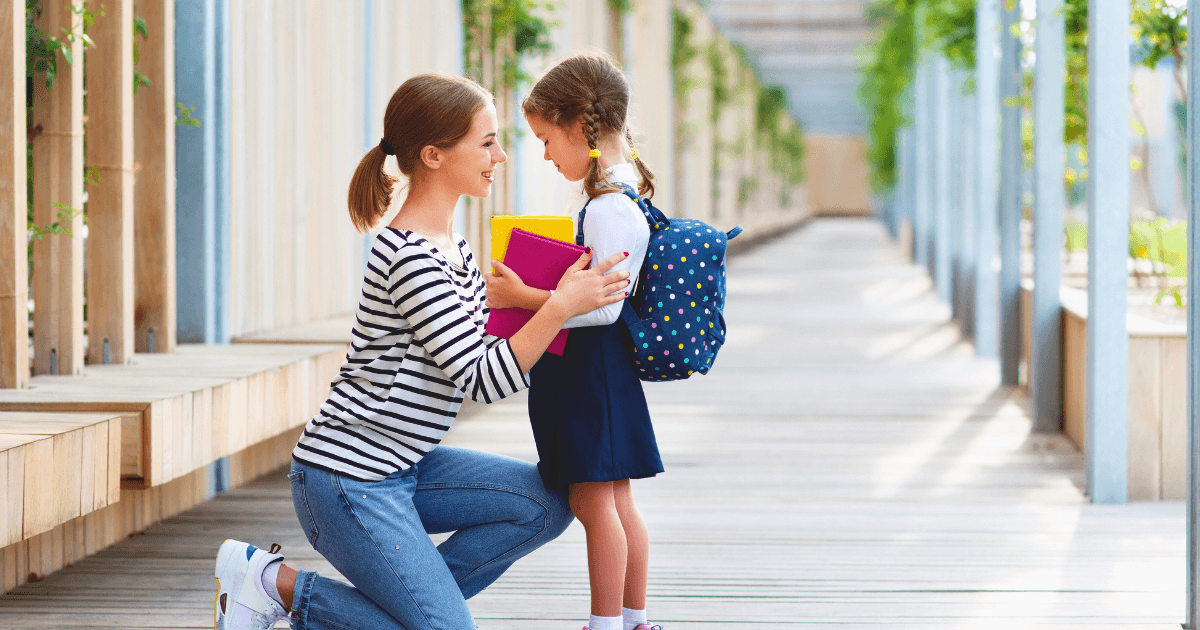
First days of school
Travel and unfamiliar environments
Times of family stress or change
“When my son started preschool, we created a ‘pocket hug’—a small fabric heart with our photo that fit in his pocket,” explains parent Sofia Martinez. “Knowing he could touch it anytime he missed us helped him transition much more smoothly than we expected.”
Transitional Objects Across Ages and Stages
The relationship with transitional objects typically evolves as children grow:
Infants and Young Toddlers (0-2 years)
May begin showing preference for specific objects around 8-12 months
Often need the object for sleep and during separations
May be highly distressed if the object is missing or changed
Preschoolers (3-5 years)
May begin limiting use of the object to specific situations (bedtime, stressful times)
Can usually tolerate brief separations from the object
May begin to verbalize what the object means to them
May incorporate the object into imaginative play
Early Elementary (6-8 years)
Often transition to keeping the object in a special place rather than carrying it everywhere.
May seek the object during times of stress or illness.
Might become more private about their attachment.
May develop new, more age-appropriate comfort objects (like a special stuffed animal or blanket that stays on the bed).
Older Children and Beyond
May keep their special object in a memory box or special place
Often maintain emotional connection while no longer needing physical proximity
May return to the object during particularly stressful transitions
Sometimes keep these objects into adulthood as meaningful mementos
According to CHS Learn, by age five, many children begin to rely less on their transitional objects, but they may return to them throughout childhood and adolescence, especially during times of stress or change.
Cultural Perspectives on Transitional Objects
It’s worth noting that the prevalence of transitional objects varies across cultures. According to Care for Kids, the phenomenon is primarily observed in Western cultures where children typically sleep separately from their parents.
In cultures where co-sleeping and constant physical proximity to caregivers are the norm, children may be less likely to develop strong attachments to objects. This cultural variation reminds us that transitional objects serve as substitutes for caregiver comfort when direct access isn’t available.
This doesn’t mean that one approach is superior—rather, it highlights how children adapt to their specific cultural and family contexts to meet their emotional needs.
When to Seek Professional Guidance
While transitional objects are normal and healthy, there are some situations where professional guidance might be helpful:
If a child’s attachment to an object seems to prevent social interaction or exploration
If the attachment causes significant distress when the object isn’t available
If a child suddenly develops an intense attachment to an object after a traumatic event
If parents experience significant conflict or anxiety about their child’s use of transitional objects
In these cases, consulting with a pediatrician or child psychologist can provide personalized guidance for your family’s situation.
Supporting Children Without Transitional Objects
Not all children develop attachments to transitional objects, and that’s perfectly normal, too. According to CHS Learn, if your child doesn’t have a transitional object but seems to need additional comfort during transitions, you might:
Offer a variety of potential comfort items and see if any appeal
Create a special item together, like a photo keychain or bracelet
Establish consistent routines and rituals that provide security
Teach self-soothing techniques appropriate to their age
Final Thoughts: Honoring the Journey
Transitional objects represent one of the earliest ways children demonstrate resilience and emotional resourcefulness. By recognizing and respecting these special attachments, we honor children’s emotional needs and support their journey toward independence.
As child development specialist Dr. James Wilson notes: “When we rush children to ‘grow out of’ transitional objects, we’re often addressing our own discomfort rather than their developmental needs. A child who is allowed to rely on their comfort object when needed, and naturally outgrow it in their own time, is learning that their emotional needs matter and that they have resources for managing difficult feelings.”
That tattered blanket or worn-out teddy bear isn’t just a childhood possession—it’s a powerful tool for emotional development and a tangible symbol of a child’s growing capacity to comfort themselves in a complex world. By supporting this developmental process, we help children build the emotional security that will serve them throughout life.
What has been your experience with transitional objects? Share your stories and questions in the comments below!