Service Learning for Little Ones: Age-Appropriate Ways to Help Others
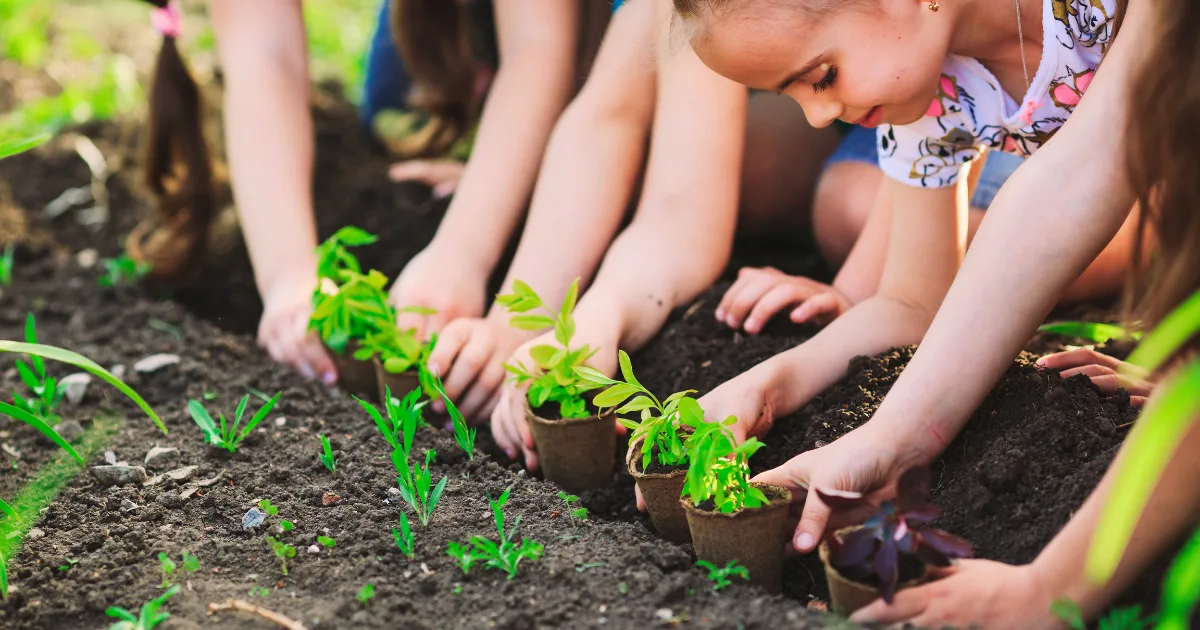
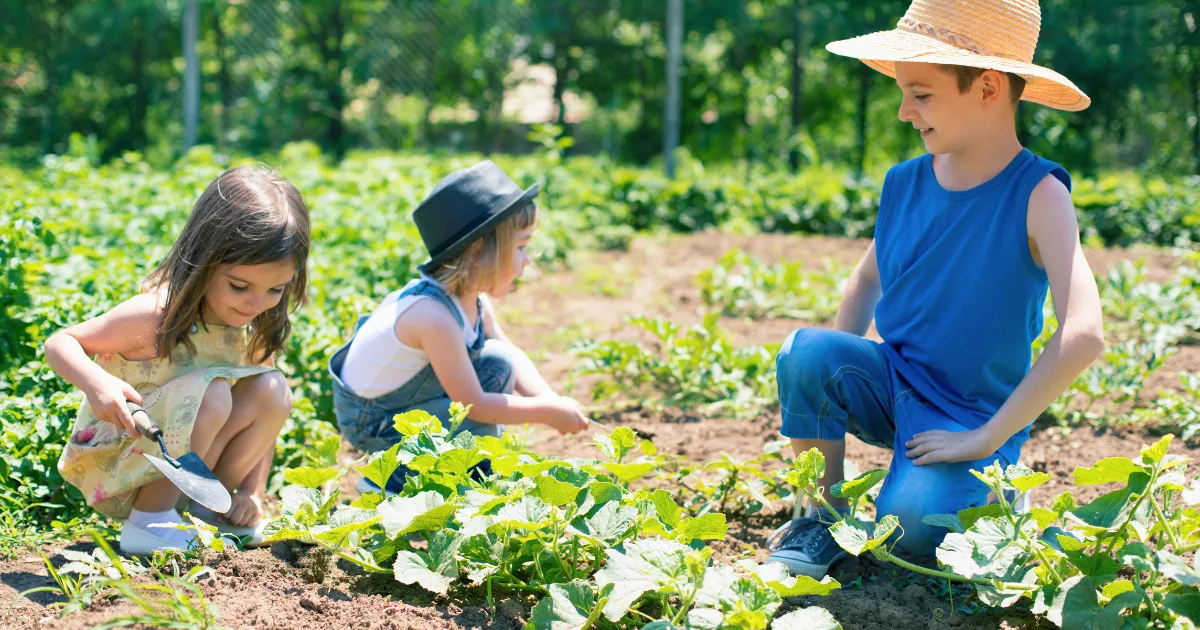
“I helped make someone happy today!” Four-year-old Mia beams as she places a handmade card into an envelope destined for a local nursing home. Her classmate Jayden carefully waters seedlings that will eventually provide fresh vegetables for a community food pantry. Across the room, a small group sorts colorful socks for a homeless shelter.
These preschoolers aren’t just engaged in cute activities—they’re participating in age-appropriate service learning that plants the seeds for a lifetime of civic engagement and empathy.
Let’s explore how to make service learning accessible, meaningful, and joyful for our youngest helpers.
Understanding Service Learning for Young Children
Before diving into specific activities, it’s important to understand what makes service learning different from simple “helping” activities and why it matters for young children.
What Is Service Learning?
Service learning is more than just community service. It intentionally connects service activities with learning objectives and includes reflection. For young children, this means:
Connecting to developmental goals: Activities support social-emotional, cognitive, and physical development
Including preparation and reflection: Simple discussions before and after the activity
Making impact visible: Concrete results that children can see and understand
Fostering agency: Allowing children to make choices and take ownership
Why Start So Young?
Some might question whether preschoolers and kindergartners can truly understand the concept of service. Research and practice suggest that they not only can grasp it but also benefit tremendously:
Natural helpers: Young children have an innate desire to help and feel competent
Developing empathy: Ages 3-6 are critical years for empathy development
Creating habits: Early experiences shape lifelong attitudes toward helping others
Building identity: Children begin to see themselves as capable community members
As one preschool teacher noted, “When we underestimate young children’s capacity for kindness and helpfulness, we miss precious opportunities to nurture these qualities when they’re most naturally emerging.”
Principles for Effective Service Learning with Little Ones
To create meaningful service learning experiences for young children, keep these key principles in mind:
1. Keep It Concrete and Visible
Young children think concretely and need to see the direct impact of their efforts.
Do: Collect and sort socks for a homeless shelter, then have a shelter representative visit to receive the donation.
Avoid: Fundraising for abstract causes that children can’t see the results of.
2. Connect to Children’s Interests and Experiences
Service learning is most meaningful when it connects to what children already care about.
Do: If children love animals, create enrichment toys for a local animal shelter.
Avoid: Projects that have no connection to children’s daily lives or interests.
3. Emphasize Relationships Over “Helping the Less Fortunate”
Frame service learning as building community relationships rather than “helping people who need it.”
Do: “We’re making friends with the older people at the senior center by sharing our art.”
Avoid: “These poor people need our help because they don’t have anyone else.”
4. Include Simple Reflection
Even young children can reflect on their service experiences with appropriate guidance.
Do: Use drawings, simple discussions, or photos to help children process what they did and how it made them feel.
Avoid: Skipping reflection or making it too complicated with abstract questions.
5. Involve Families When Possible
Family participation strengthens service learning and helps extend the learning beyond the classroom.
Do: Send home simple extension activities or invite family members to participate.
Avoid: Creating projects that require extensive family resources or time.
Age-Appropriate Service Learning Activities
Now let’s explore specific service activities that work well for preschoolers and kindergartners, organized by different types of service:
Environmental Stewardship
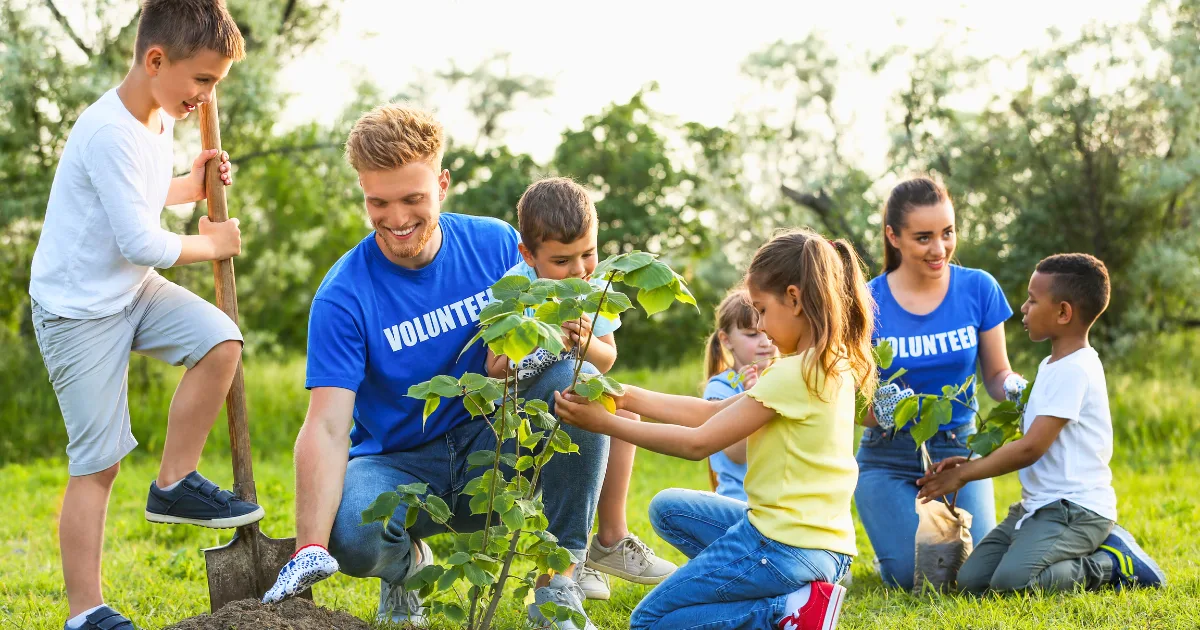
Young children often have a natural connection to the environment that makes these activities especially meaningful.
1. Classroom Recycling Program
Activity: Set up a simple recycling station with pictures showing what goes where. Children take turns being “recycling helpers” who sort classroom materials.
Reflection: Count and graph the different types of litter collected. Discuss how clean spaces help people and animals.
Supporting Other Children
These peer-focused activities help young children develop empathy for others their age.
1. Comfort Kit Creation
Activity: Assemble simple comfort kits for children entering foster care or staying at a shelter. Items might include a small stuffed animal, a new toothbrush, and a handmade card.
Reflection: Talk about how books help us feel better when we’re sad or scared.
3. New Student Welcome Kits
Activity: Create welcome kits for new students joining the school, including a map with pictures, a handmade card, and a small friendship bracelet.
Learning connections: Social skills, empathy, belonging
Reflection: Remember how it felt to be new and discuss how these kits might help new friends feel welcome.
Connecting with Seniors
Intergenerational activities benefit both seniors and children, creating meaningful connections across age groups.
1. Artistic Exchanges
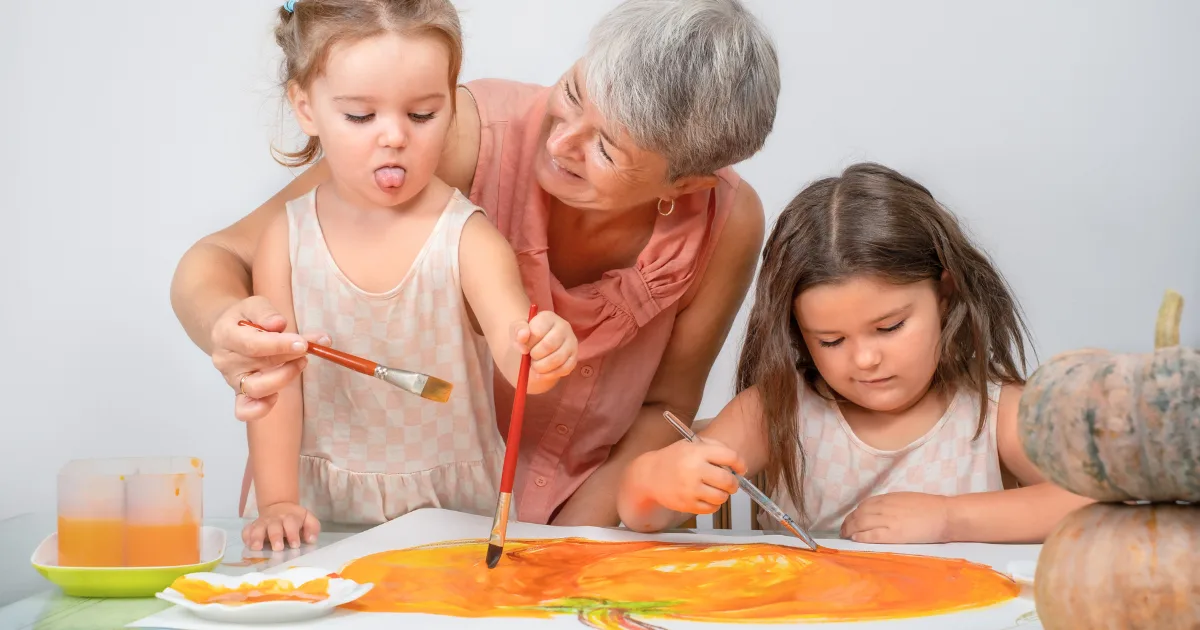
Activity: Children create artwork to brighten the rooms in nursing homes or senior centers. If possible, arrange for the children to deliver their art in person and meet the recipients.
Learning connections: Artistic expression, social skills, respect for elders
Reflection: Discuss how art can make people feel happy and how the seniors reacted upon receiving the artwork.
2. Growing Together Garden
Activity: Partner with a senior center to create a shared garden where seniors and children work together.
Learning connections: Science, cooperation, respect, communication
Reflection: Create a photo journal of the garden’s progress and the relationships that develop.
3. Story Exchange
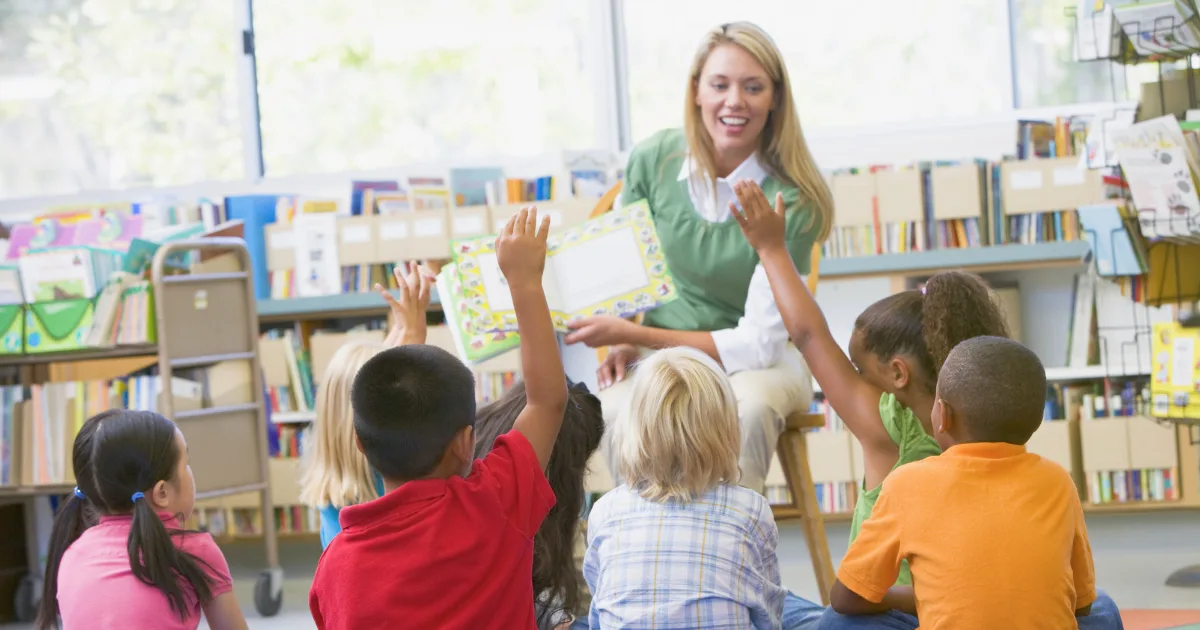
Activity: Children share their favorite picture books with seniors, and seniors share stories from their childhood.
Reflection: Draw pictures of the seniors’ favorite stories.
Supporting Community Helpers
These activities help children appreciate those who serve the community and develop a sense of gratitude.
1. Thank You Kits
Activity: Create simple thank-you packages for community helpers such as firefighters, mail carriers, and school custodians. Include handmade cards, drawings, or simple treats.
Learning connections: Community awareness, gratitude, writing/drawing for a purpose
Reflection: Discuss the different ways helpers make our community better and how saying “thank you” makes people feel.
Learning connections: Question formation, listening skills, community awareness
Reflection: Create a class book about “Helpers in Our Community” with drawings and dictated sentences.
3. First Responder Snack Packs
Activity: Assemble simple snack packs for local first responders with items like granola bars, dried fruit, and handmade thank-you notes.
Learning connections: Nutrition, gratitude, community roles
Reflection: Discuss why first responders might need quick snacks and how the snack packs help them do their important work.
Implementing Service Learning in Different Settings
Service learning can be adapted for various early childhood settings:
In Preschool or Kindergarten Classrooms
Integrate service projects with curriculum themes
Create a dedicated “helping others” center that changes monthly
Establish classroom jobs that include community service responsibilities
Develop a year-long relationship with one community partner
In Family Child Care Homes
Engage mixed-age groups in projects where older children can help younger ones.
Connect with neighborhood resources within walking distance.
Invite family members to share service traditions from their cultures.
Use home-based activities, such as cooking or gardening, as service opportunities.
For Families at Home
Establish simple family service traditions (monthly park clean-up, seasonal donation sorting)
Look for “helper moments” in daily routines
Create a family service calendar with simple activities
Connect with other families to create a service playgroup
Addressing Common Challenges
Implementing service learning with young children can present unique challenges:
Challenge: Short Attention Spans
Solution: Break activities into 10-15 minute segments, allow for movement, and provide concrete tasks with clear beginnings and endings.
Challenge: Limited Understanding of Complex Issues
Solution: Focus on simple concepts such as “everyone needs food” or “some people are lonely” rather than on complex social problems.
Challenge: Maintaining Appropriate Boundaries
Solution: Focus on activities that build reciprocal relationships rather than “helping the less fortunate,” and be mindful of privacy and dignity concerns.
Challenge: Finding Age-Appropriate Opportunities
Solution: Partner with organizations experienced in working with young children, or adapt existing volunteer opportunities to make them more accessible.
Assessing the Impact
How do we know if service learning is making a difference for young children? Look for these indicators:
Observable Behaviors
Increased instances of spontaneous helping or sharing
More frequent expressions of empathy (“He looks sad, maybe we can help”)
References to service activities in play or conversation
Suggestions for new ways to help others
Simple Documentation
Before and after drawings about helping others
Photos with child-dictated captions about service activities
Activities like miniature golf, coloring, and holiday-themed events that benefit both age groups
Emphasis on emotional education through real-life interactions
Regular reflection is appropriate for young children
Integration of service learning with academic and developmental goals
The program director notes, “We don’t just teach children about kindness in the abstract—we create daily opportunities for them to practice it with real people who appreciate their contributions.”
Getting Started: Your Service Learning Action Plan
Ready to implement service learning with your little ones? Here’s a simple action plan:
1. Start with Assessment
Observe children’s interests and concerns
Identify community needs that connect to those interests
Use service experiences as contexts for developing skills
Connect service themes to books, songs, and discussions
Align service activities with learning standards and goals
Conclusion: Growing Compassionate Citizens
Service learning for young children isn’t just about cute projects or photo opportunities—it’s about nurturing the natural capacity for empathy and helpfulness that all children possess. When implemented thoughtfully, age-appropriate service learning helps develop not just academic skills but also the character traits that define compassionate citizens.
As one kindergarten teacher put it, “We’re not just preparing children for the next grade level—we’re preparing them for a lifetime of meaningful contribution to their communities.”
By starting early with developmentally appropriate service experiences, we help children see themselves as capable, caring community members from the very beginning. And in today’s complex world, that may be one of the most important gifts we can give them.
What service learning activities have you tried with young children? Share your experiences and ideas in the comments below.