Documentation Panels That Communicate Learning to Families
During the bustling moments of drop-off and pick-up, parents typically spend just 90 seconds in early childhood settings. In this fleeting window, how can educators effectively communicate the rich, complex learning that unfolds throughout the day? Documentation panels offer a powerful solution—visual narratives that transform invisible learning processes into tangible stories that families can explore, understand, and celebrate.
As tools inspired by the Reggio Emilia approach to early education, documentation panels have evolved from simple displays into sophisticated communication tools that bridge the gap between school and home. Let’s explore how to create documentation panels that truly resonate with families and authentically represent children’s learning journeys.
Documentation panels are much more than decorative displays of children’s work. They are carefully curated visual archives that answer two essential questions: “What happened here?” and “How did this learning unfold?”
According to Dr. Mara Krechevsky of Project Zero at Harvard University, effective documentation “makes visible the otherwise invisible aspects of learning.” Unlike traditional bulletin boards that showcase finished products, documentation panels reveal the thinking, questioning, collaboration, and problem-solving that constitute meaningful learning.
A well-crafted documentation panel typically includes:
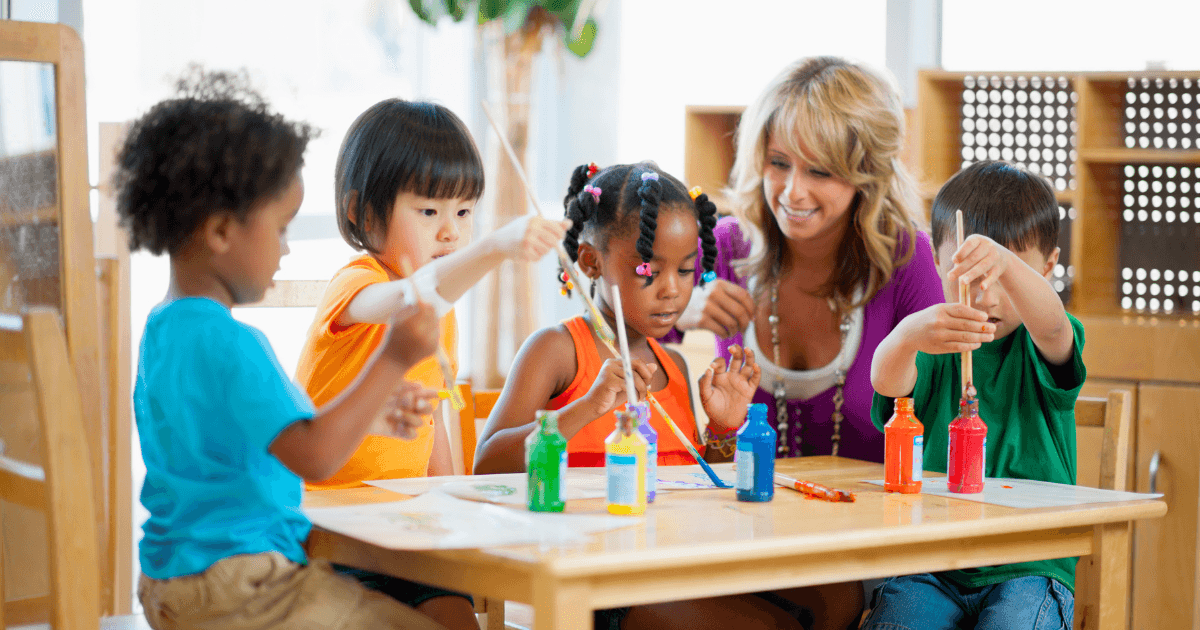
Photographs capturing children engaged in the learning process
Many valuable learning processes—like collaboration, problem-solving, and critical thinking—aren’t evident in finished products alone. Documentation panels make these processes visible, helping families understand the depth and breadth of their child’s learning.
Documentation panels provide conversation starters that go beyond “What did you do today?” Research from the Harvard Family Research Project indicates that when parents have specific information about classroom activities, they ask more targeted questions that elicit richer responses from their children.
3. Building Educational Partnerships
When families understand the intentionality behind classroom experiences, they’re more likely to extend and support learning at home. Documentation panels help families see themselves as educational partners rather than passive recipients of information.
4. Validating Diverse Learning Paths
By highlighting various approaches to learning, documentation panels demonstrate that there are many ways to explore concepts and develop understanding. This helps families appreciate their child’s unique learning style and contributions.
5. Creating Community Connections
Panels featuring collaborative projects showcase how children learn from and with one another, helping families see their child as part of a learning community.
Creating Documentation Panels That Truly Communicate
The most effective documentation panels combine aesthetic appeal with clear communication. Here’s how to create panels that genuinely resonate with families:
1. Start With a Clear Focus
Rather than trying to document everything, select significant moments or projects that reveal important aspects of children’s learning:
A long-term investigation that demonstrates persistence
A collaborative project that highlights social learning
A challenge that shows problem-solving strategies
A moment of discovery that captures wonder and curiosity
Practical Tip: Ask yourself, “What surprised me about this learning experience?” Often, these surprising moments are most worth documenting.
2. Gather Rich, Diverse Documentation
Collect various forms of evidence throughout the learning process:
Take sequential photos that show progression
Record and transcribe children’s conversations
Preserve drafts and iterations of work
Note children’s questions and theories
Document how children respond to challenges
The Pedagogical Institute of Los Angeles recommends using a small notebook or a digital app to quickly capture observations and quotes throughout the day.
3. Organize for Visual Clarity
Design your panel with the viewer’s experience in mind:
Create a clear visual hierarchy with a title that communicates the main idea
Use a logical flow (chronological, thematic, or question-based)
Include enough white space to prevent overwhelming viewers
Use consistent fonts and a limited color palette
Ensure text is large enough to read from a comfortable distance
Practical Tip: Sketch your panel layout before assembling it to ensure balanced composition and flow.
4. Craft Accessible, Meaningful Text
Write for families, not fellow educators:
Use everyday language, avoiding educational jargon
Keep text concise—aim for short paragraphs of 3-4 sentences
Connect observations to learning concepts in accessible ways
Include direct quotes from children to bring their voices into the documentation
Acknowledge and incorporate families’ unique knowledge:
Invite family members to contribute cultural perspectives to projects
Include family expertise in project investigations
Document connections between school learning and family traditions
The Global Family Research Project emphasizes that two-way communication through documentation strengthens educational partnerships and honors families as children’s first teachers.
Digital Documentation: Expanding Possibilities
While physical panels remain valuable, digital documentation offers additional opportunities for family engagement:
Classroom websites or blogs can serve as documentation archives:
Organizing projects chronologically or thematically
Allowing families to revisit documentation over time
Creating a community space for shared reflection
Building a visual history of the learning journey
Practical Tip: Regardless of the platform, ensure digital documentation is accessible to all families by considering internet access, technical comfort levels, and privacy preferences.
Overcoming Common Documentation Challenges
Educators often encounter several challenges when creating documentation panels:
1. Time Constraints
Documentation requires time and intentionality. Strategies to manage this include:
Start small with one well-documented project rather than trying to document everything
Involve children in the documentation process when appropriate
Develop efficient systems for collecting and organizing documentation
Use templates or consistent formats to streamline the creation process
2. Technical Skills
Not all educators feel confident with photography, design, or writing. Resources to build these skills include:
Professional development focused specifically on documentation
Collaboration with colleagues who have complementary skills
User-friendly tools like Canva for creating visually appealing layouts
Photography tips specifically for classroom documentation
3. Balancing Detail and Accessibility
Finding the right balance between comprehensive documentation and accessible communication can be challenging. Consider:
Creating layered documentation with brief overviews and more detailed information for those who want to dig deeper
Using visual cues like icons to highlight different aspects of learning
Testing your documentation with a family member or friend outside the field of education
Collecting feedback from families about what information is most meaningful to them
Evaluating the Effectiveness of Your Documentation Panels
How do you know if your documentation panels are effectively communicating learning to families? Consider these evaluation strategies:
1. Observe Family Engagement
Notice how families interact with documentation:
Do they stop to look at panels during drop-off and pick-up?
Do they bring their children over to discuss the documentation?
Do they ask questions or make comments about documented projects?
2. Gather Explicit Feedback
Create opportunities for families to provide feedback:
Simple surveys about what they find most helpful in documentation
Conversation prompts during family events
Response sections on the documentation itself
Focus groups with diverse family representatives
3. Look for Evidence of Extended Learning
Notice if documentation inspires connections between school and home:
Do families mention trying similar activities at home?
Do children bring in items from home related to documented projects?
Do families share observations of their child applying what they have learned in new contexts?
The Center on the Developing Child at Harvard University suggests that effective family engagement tools should strengthen the “serve and return” interactions between educators and families—for example, documentation panels should spark ongoing conversation rather than one-way information delivery.
Conclusion: Documentation as Relationship-Building
At its heart, documentation is not just about displaying learning—it’s about building relationships. Effective documentation panels invite families into the learning journey, helping them see and value the complex, meaningful work of early childhood education.
When we create documentation panels for families, we transform brief daily interactions into opportunities for deeper connection and understanding. We help families see beyond the finger paintings and block towers to recognize the thinking, collaboration, and discovery that make early learning so powerful.
As you develop your documentation practice, remember that the goal is not perfection but communication—creating windows through which families can glimpse the remarkable learning journey their children experience each day.
What strategies have you found effective for communicating learning to families through documentation? Share your experiences in the comments below!